
Quantum Computer - Part 2
313 reports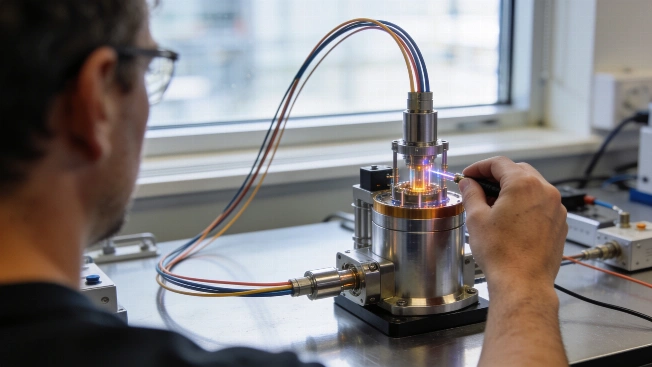
RBC Builds a Quantum Strategy Before Quantum Finance Arrives
Royal Bank of Canada is combining quantum application research with post-quantum security migration, academic fellowships, developer training, a new Director of Quantum role and a C$180 million hardware investment.
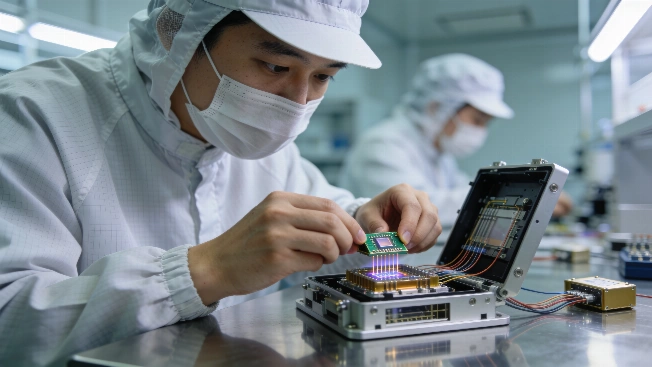
Quandela Targets South Korea for Photonic Quantum Hardware
Quandela has identified South Korea as a potential Asian center for photonic quantum hardware, system integration and joint R&D, while emphasizing that the initiative remains a partner-search and development framework rather than a completed manufacturing agreement.
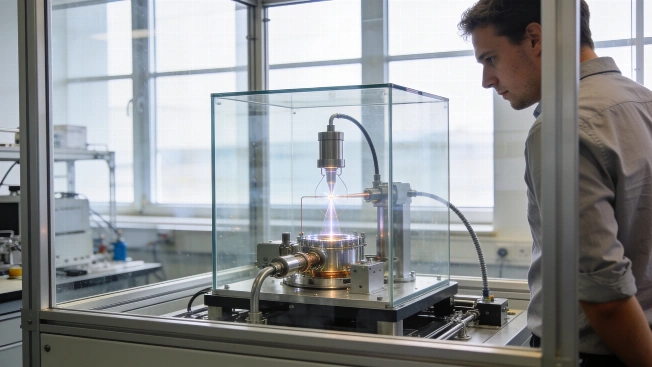
Pasqal Moves Its Quantum Roadmap Beyond Defense Procurement
Pasqal has completed the first phase of France's PROQCIMA defense program and is shifting its public-sector collaboration toward a proposed civil R&D track for fault-tolerant neutral-atom quantum computing after its Nasdaq debut.
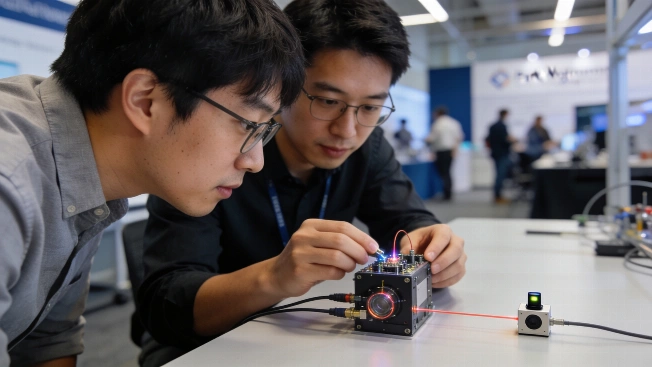
KIST Pushes Korean Quantum Startups Toward US Market Entry
KIST used the Quantum World Congress in College Park to connect South Korean quantum startups with D-Wave, Microsoft and East Asian research networks, while OptiQ-Labs plans a US East Coast office for November 2026.
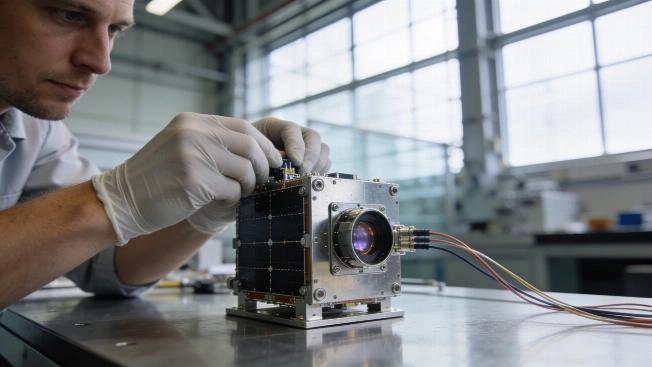
Quantum Photonic Processor Survives Its First Orbit Test
A University of Vienna payload has demonstrated two-photon interference and programmable matrix execution in orbit, showing that integrated photonic quantum hardware can operate beyond the laboratory.
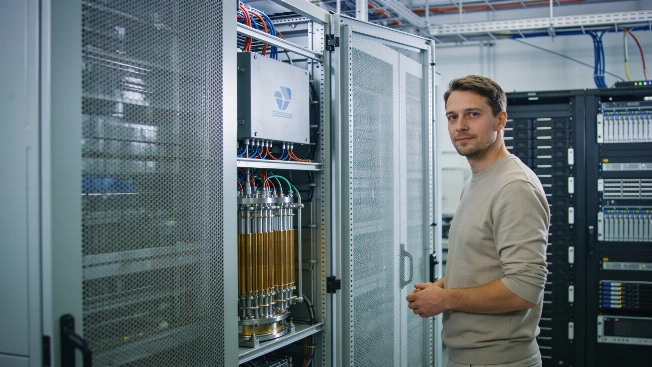
Europe Funds a Hardware-Agnostic Quantum Software Stack
The European Union is backing a 36-month, €5 million effort to build an open and interoperable software layer across quantum processors, annealers and high-performance computing systems while addressing noise, testing and fragmented compilers.
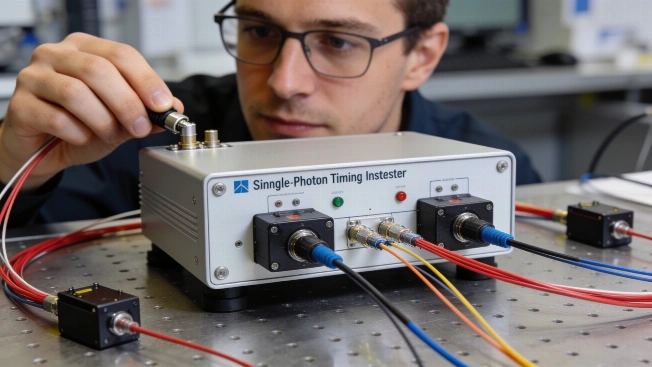
Quantum Effects 2026 Awards Four Routes Toward Useful Quantum Hardware
Quantum Effects 2026 has recognized four application-focused projects spanning quantum annealing hardware, open-source software, atomic magnetometry and photon timing for networked QKD, with the winners set for public presentation in Stuttgart on 6-7 October 2026.

Quantum eMotion Buys Plurilock to Commercialize Quantum-Safe Security
Quantum eMotion plans to acquire Plurilock for C$33.8 million in a transaction designed to combine quantum-generated entropy with identity, behavioral-biometric and cybersecurity services across enterprise and public-sector networks.
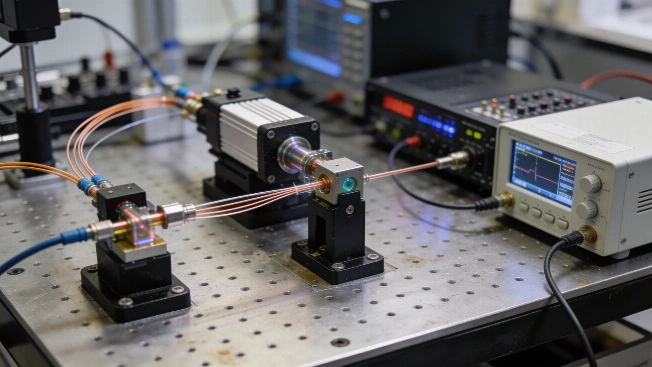
Quantum Optimization Finds Value Before Quantum Advantage
JIJ uses classical and quantum-inspired solvers for most commercial optimization work while testing quantum photonics for better answers rather than faster runtimes
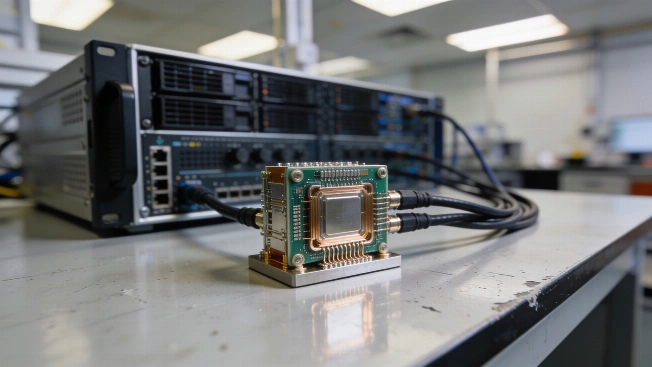
Silicon Spin Qubits Move Toward 300 mm Quantum Processing
Quobly will use CEA-Leti's FAMES Pilot Line in Grenoble to prototype 3D integration and cryogenic control layers for 300 mm silicon spin-qubit processors, while Alloy Forge and qBraid Cloud offer developers an interim environment before planned access to the Alloy Pioneer QPU.
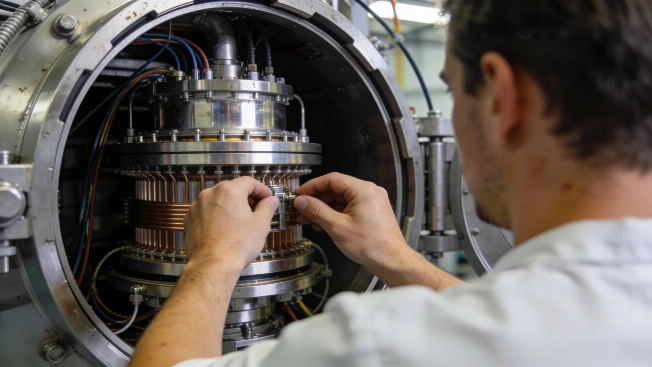
Quantum Computing Faces Its Hardest Test Beyond Qubit Counts
Quantum processors are no longer judged only as faster classical machines. Their value depends on whether real workloads can be mapped to quantum evolution and run reliably inside hybrid systems with effective error correction.
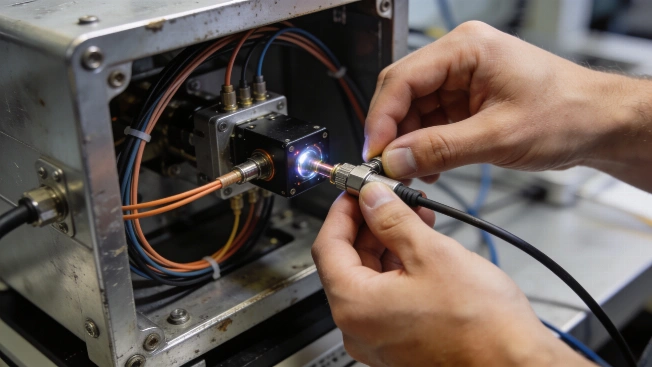
ETSI Warns That Quantum Randomness Can Become Predictable
ETSI's technical report TR 104 171 argues that quantum random-number generators require continuous validation across the full entropy chain because detector dead time, noise and side-channel leakage can reintroduce predictability.
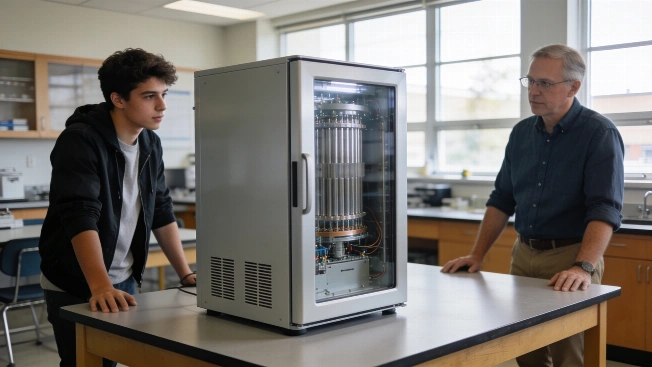
Room Temperature Quantum Computer Heads to Public High School
Fairfax County Public Schools plans to place XeedQ's four-qubit diamond spin processor at Skyview High School in December 2026, giving students direct access to room-temperature quantum hardware through learning pathways beginning in spring 2027.

DigiCert Opens Quantum Central for Post-Quantum Migration
DigiCert made Quantum Central generally available on September 24, 2026, giving enterprises a management layer for cryptographic inventories, CBOM generation, policy checks, certificate issuance and post-quantum remediation workflows.
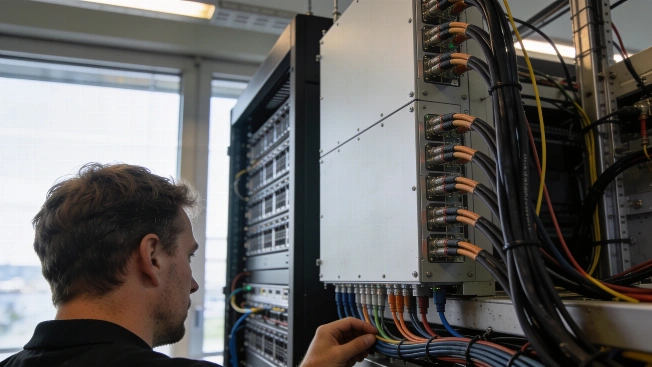
Qambria Raises $2.4M for Quantum Control Infrastructure
Swiss startup Qambria has raised CHF 2 million to develop vendor-neutral software that links quantum processors with high-performance computing systems and handles real-time control tasks.
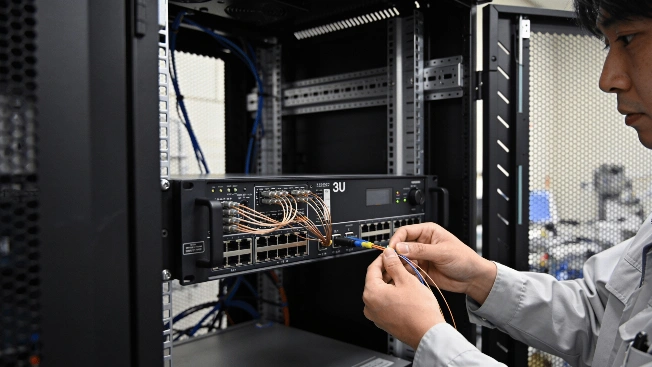
QuiX Quantum Brings Photonic Quantum Hardware to Japan
QuiX Quantum has appointed Sendai-based TEI-C as its exclusive Japanese distributor, giving universities, research institutes and industry local access to Alquor 2.0 photonic processors and PACU control systems.
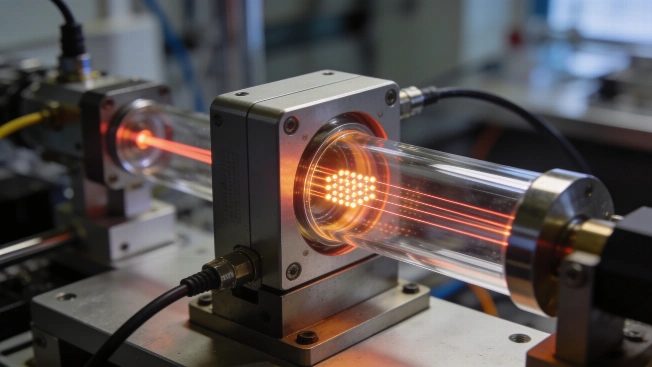
Infleqtion Entangles 30 Logical Qubits on Neutral Atoms
Infleqtion announced on September 24, 2026, that its commercial Sqale neutral-atom processor had entangled 30 logical qubits using 80 physical qubits. The demonstration combined encoded atom blocks, dynamic shuttling, a lower-overhead logical gate and software-assisted loss recovery.

IonQ QCBM Beats Classical Radar Change Detection Baselines
IonQ reports that a 20-qubit trapped-ion quantum generative model improved radar change detection on a high-resolution airfield dataset while matching classical methods on volcanic InSAR imagery
FIU Selects IonQ Superion for On-Site Quantum Computing
Florida International University has contracted IonQ to install a dedicated 256-physical-qubit trapped-ion quantum computer in Miami, creating Florida's first university-based system of its kind and opening planned access to students, researchers, invited scientists, and affiliated regional centers.
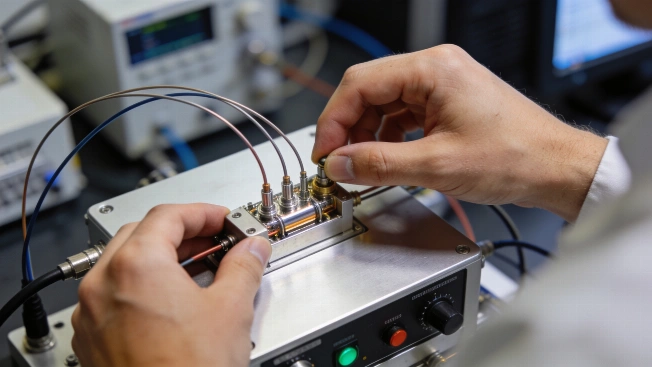
AI Design System Cuts Simulated Quantum Error Rates 14.6-Fold
QC Design says its Meridian platform reduced evaluated logical error rates across more than 100 fault-tolerance design tasks while testing architectures against hardware noise in simulation
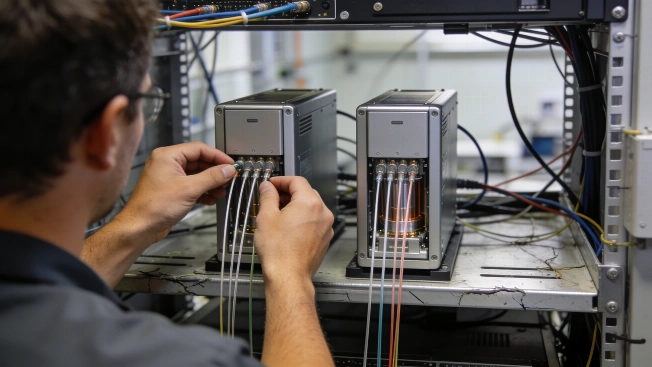
memQ Releases Compiler for Heterogeneous Quantum Networks
memQ has released an open-source compiler that converts monolithic quantum circuits into network-aware execution graphs and models entanglement costs across heterogeneous QPUs
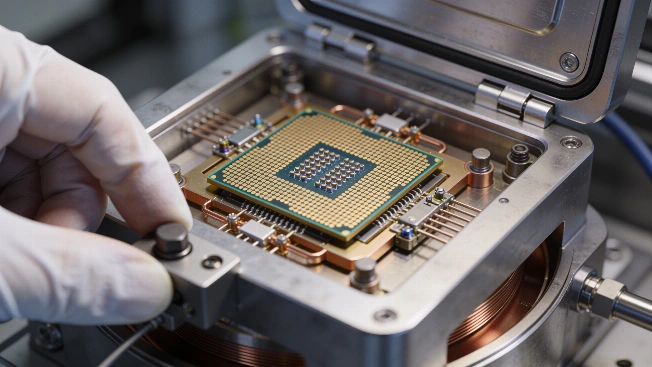
Surface Codes Put Logical Qubits on Trial for Patent Eligibility
Surface codes could protect logical qubits from physical errors, yet their patent claims may face an abstractness challenge unless they are tied to a specific quantum computing system and measurable implementation.

IonQ Hardware Tests Quantum Optimization for Gas Networks
Classiq and Israel Natural Gas Lines used hybrid quantum-classical optimization to search gas pipeline pressure settings. IonQ Forte-1 produced physically valid candidates close to the classical optimum, but the feasibility test did not demonstrate quantum advantage.
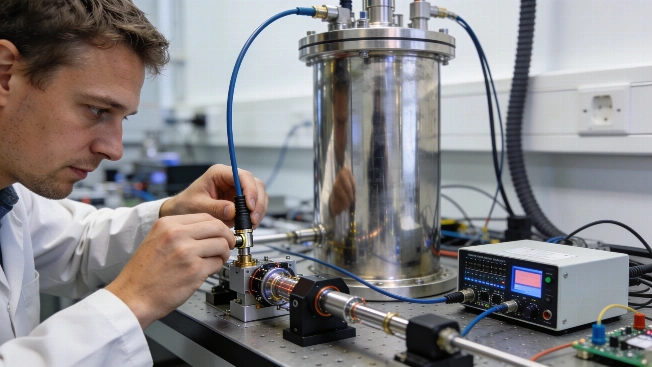
Quantum Hardware Depends on a Borderless Supply Network
A survey of 160 quantum enterprises across 15 countries finds that 90% depend on foreign suppliers while 74% sell abroad, revealing why protectionist controls could disrupt the sector.
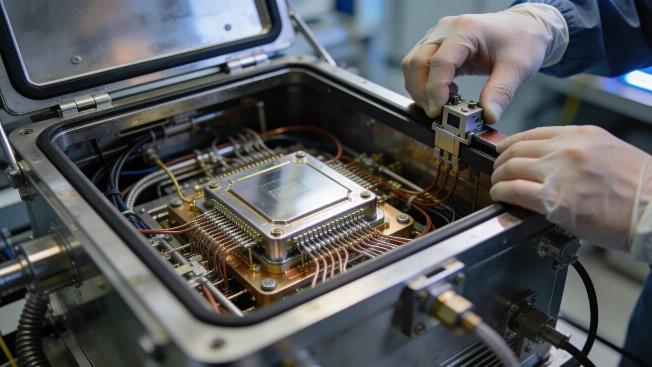
Q-CTRL Outperforms IBM Error Suppression on 156-Qubit Heron
An arXiv benchmark on IBM's 156-qubit Heron processor finds Q-CTRL led exact-output sampling while Qedma delivered the lowest estimator error at a much higher QPU time cost
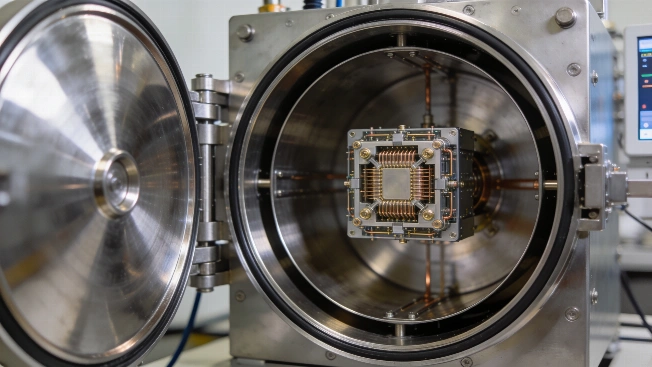
Q-CTRL Executes a 100-Qubit Quantum Fourier Transform
Q-CTRL has run a functional Quantum Fourier Transform on up to 100 physical qubits in an IBM Heron R3 processor while testing a compilation method designed to limit routing and noise.
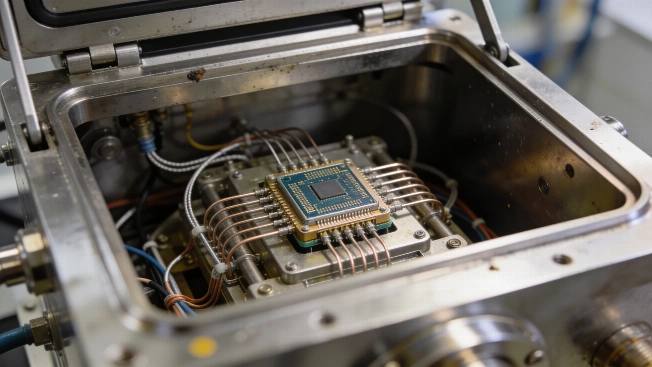
Germany Selects QUDORA Consortium for 1000 Qubit Quantum Project
Germany has invited a QUDORA-led consortium to submit a full proposal for a five-year trapped-ion machine targeting 1,000 physical qubits, 50 logical qubits and semiconductor-compatible quantum control.
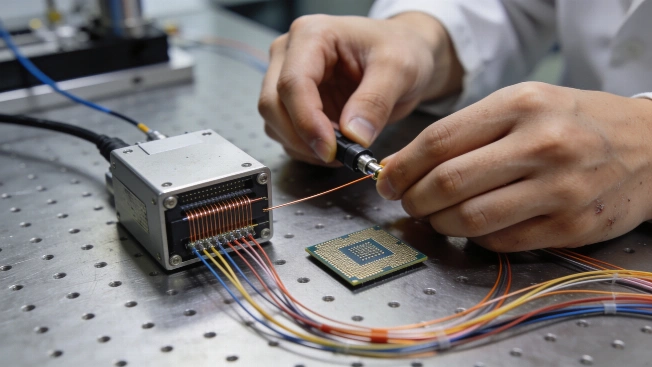
Quantum Resource Estimation Adds Distributed Photonic Architectures
Microsoft and Photonic are adapting an open-source quantum resource estimator for modular systems so developers can model physical-qubit counts, runtime and optical-networking overhead before distributed hardware is available.
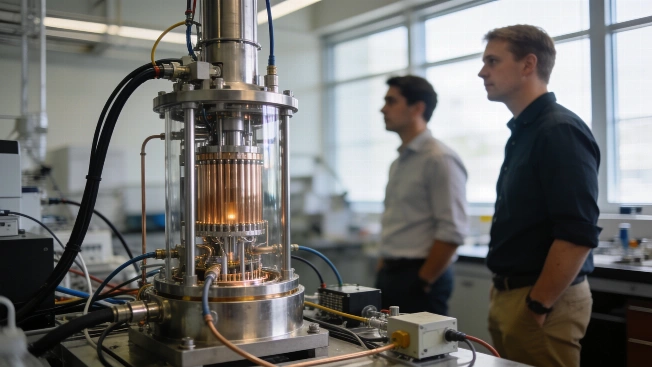
Maryland Is Building Quantum Infrastructure Before the Market
Maryland's quantum strategy now links federal benchmarking with university research funding, hands-on training and company laboratories across five hardware approaches, creating an ecosystem whose value depends on reproducible testing and commercial results
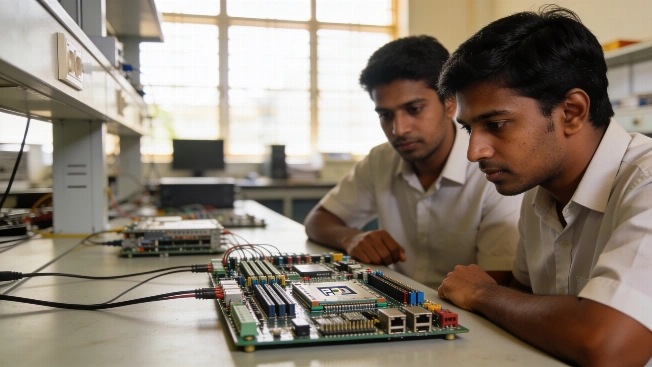
Yenepoya Plans Quantum AI Hardware Lab in Mangaluru
Yenepoya University and REYRA AI plan a Mangaluru laboratory for quantum-inspired hardware and software while preparing students and faculty through certification courses in quantum computing and Quantum Machine Learning.
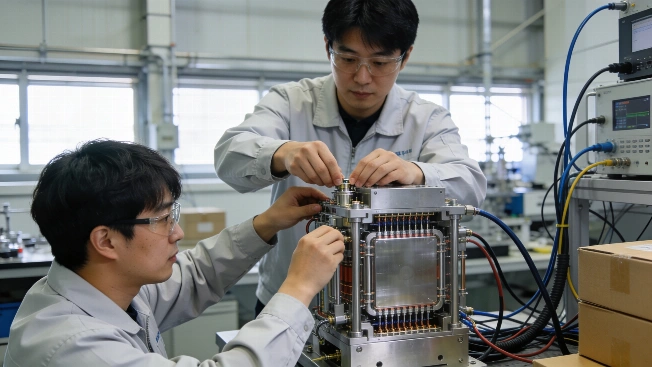
IonQ Brings Quantum Hardware to South Korea
IonQ and South Korea's SDT announced a multi-year partnership on September 21, 2026, covering deployment of a Superion 256 quantum system, silicon-vacancy memory modules, local hardware integration and a planned hybrid quantum-classical facility for medical and biomedical research.
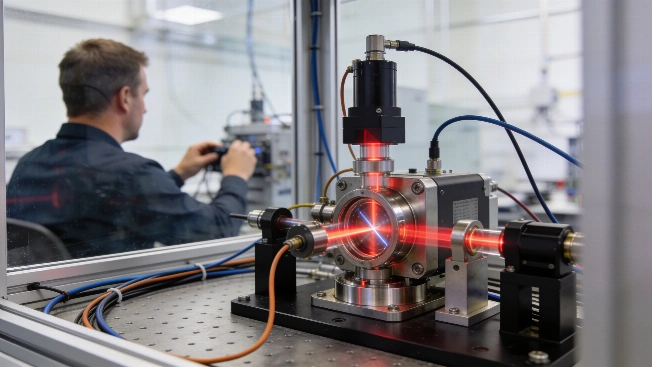
QuEra Brings Neutral-Atom Hardware to Maryland's Quantum Cluster
QuEra has established a Discovery District office and expanded its University of Maryland partnership, giving researchers, educators, and students cloud access to a 256-qubit neutral-atom processor.
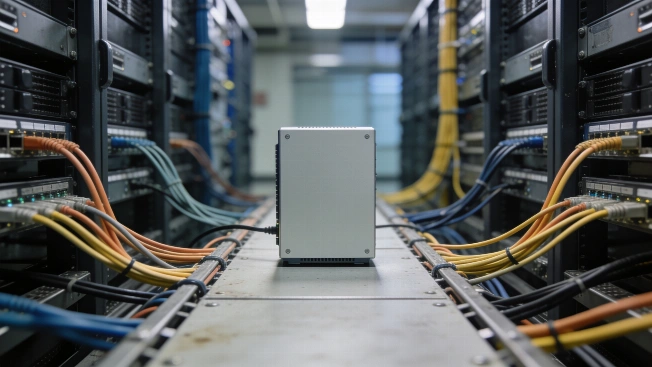
Federal Agencies Get a FIPS-Validated Quantum-Safe Key Layer
Quantum XChange will use Carahsoft's government distribution network to bring its FIPS-validated Phio TX platform to federal, state, local, and education buyers seeking post-quantum migration without replacing existing applications.
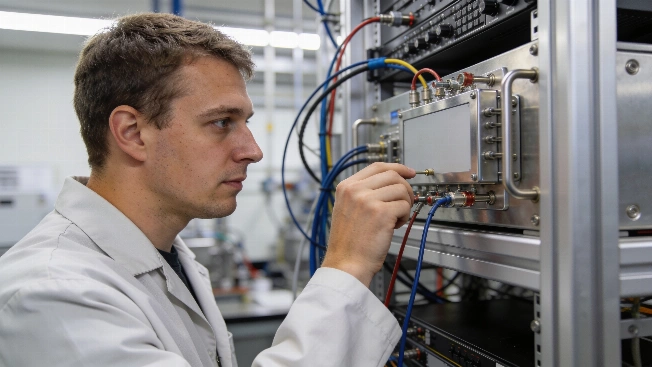
Microsoft Builds Maryland Hub for Quantum Hardware Verification
Microsoft has opened a 15,000-square-foot Maryland center where DARPA can physically test Majorana 2 and research partners can develop quantum hardware, control systems, and software-without yet establishing a useful fault-tolerant machine.
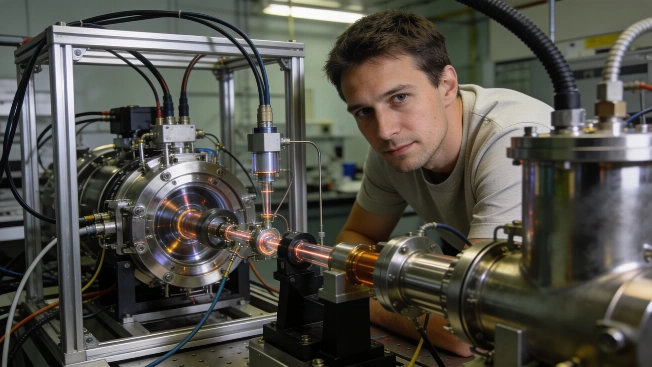
Quantum Utility Starts With Chemistry Not Qubit Counts
Matthias Troyer's assessment of quantum computing points to chemistry as the clearest near-term application while error correction, data movement, hardware architecture and end-to-end cost determine whether larger systems will become scientifically useful.
Part 2 of 9