
Europa
5 reportsA source-based view of Europa considers atmosphere or exosphere and water or ice evidence, with separate attention to spacecraft observations. The account follows model comparison as the direct record and multiwavelength observations as the broader comparison for spacecraft observations; confidence is limited by the fact that limited viewing geometry and indirect measurements can leave competing explanations.
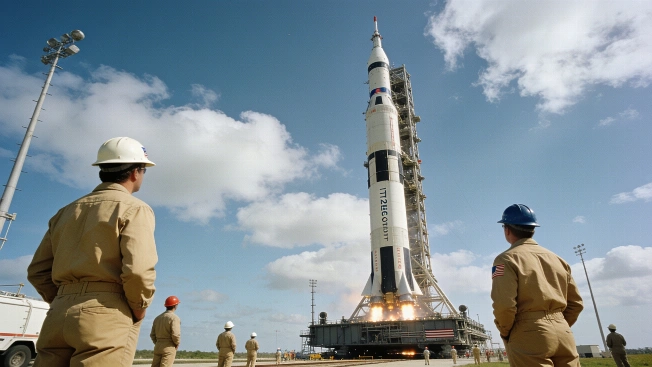
Voyager 2's Launch Opened the Outer Solar System to Exploration
NASA's Voyager 2 spacecraft began its journey to the outer planets on August 20, 1977, using a rare planetary alignment to visit Jupiter, Saturn, Uranus, and Neptune and extend humanity's reach into interstellar space
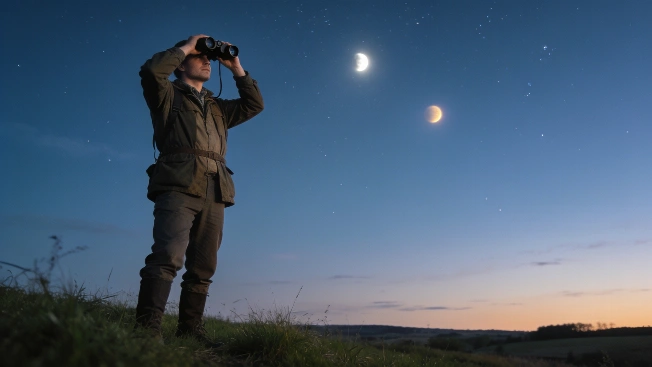
Five Essential Night Sky Targets for Binocular Astronomy
Astronomers highlight five celestial objects and regions that reveal striking detail through binoculars, from the Moon's shifting shadows to the Andromeda Galaxy's faint glow, offering accessible entry points for skywatchers of all experience levels
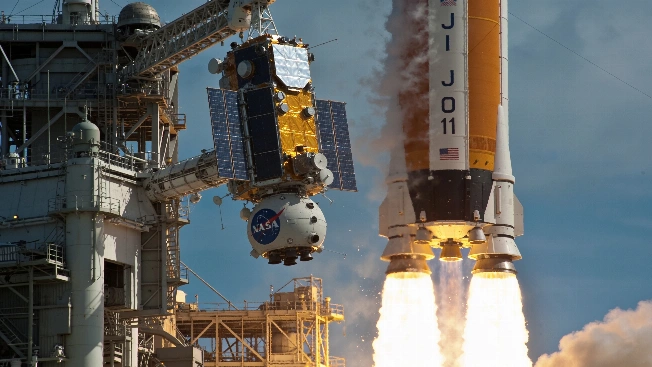
NASA's Juno Mission Transformed Jupiter Science After 2011 Launch
NASA's Juno spacecraft, launched in 2011 on an Atlas V rocket, reached Jupiter in 2016 and has since delivered unprecedented data and images, reshaping our understanding of the giant planet's atmosphere, magnetic field, and moons
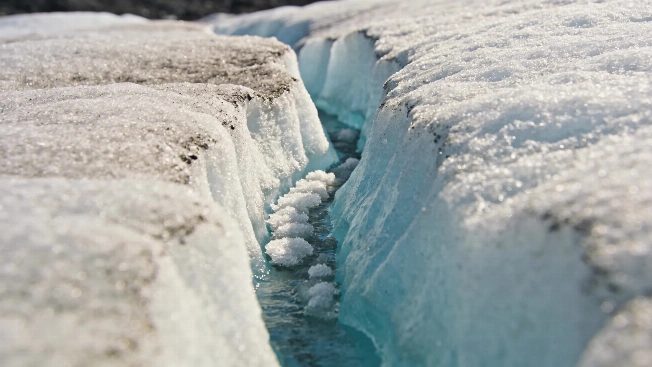
Europa Clipper May Miss Ocean Water Rising Through Europa's Ice
Computer simulations suggest turbulent water rising through Europa's ice would freeze its pathways shut, making shallow surface pools poor indicators of the moon's buried ocean

AI Struggles With Unknowns in Search for Extraterrestrial Life
A Michigan State University study using digital life simulations reveals that artificial intelligence can misclassify unfamiliar molecular patterns as signs of life, raising concerns for future missions seeking biosignatures beyond Earth