
Reports - Part 17
1626 reports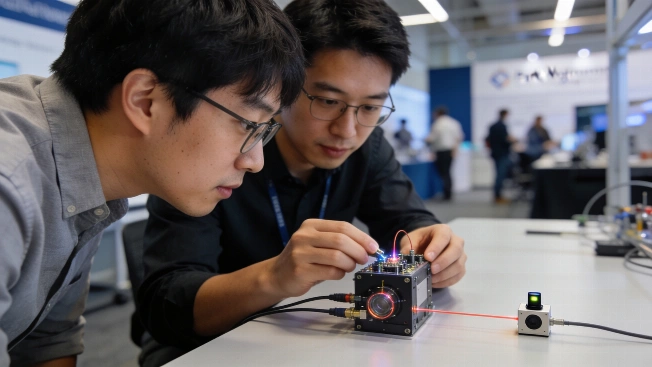
KIST Pushes Korean Quantum Startups Toward US Market Entry
At the Quantum World Congress in College Park, KIST connected South Korean quantum startups with D-Wave and Microsoft, alongside East Asian research networks. OptiQ-Labs plans to open a US East Coast office in November 2026.
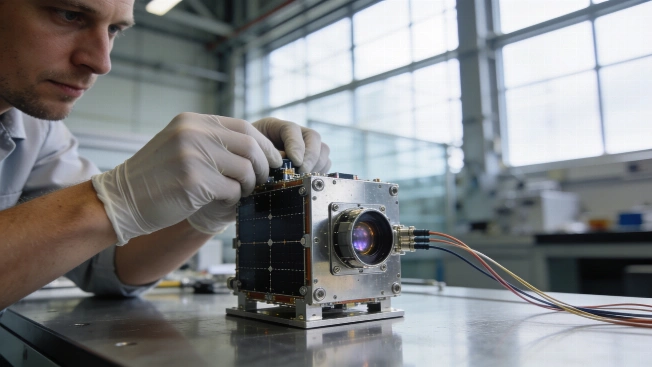
Quantum Photonic Processor Survives Its First Orbit Test
A University of Vienna payload has demonstrated two-photon interference and programmable matrix execution in orbit, showing that integrated photonic quantum hardware can operate beyond the laboratory.
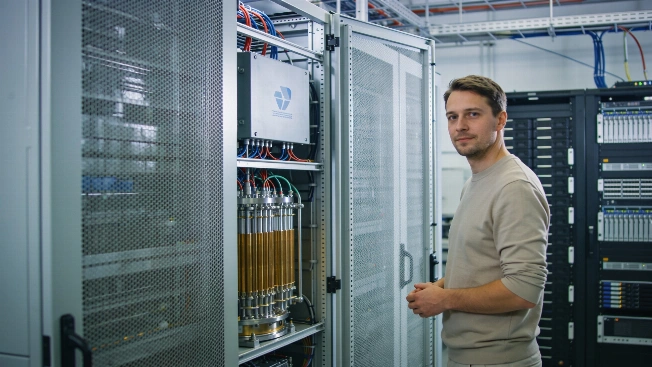
Europe Funds a Hardware-Agnostic Quantum Software Stack
The European Union is backing a 36-month, €5 million effort to build an open, interoperable software layer for quantum processors and annealers, alongside high-performance computing systems. The project will address noise, testing and fragmented compilers.
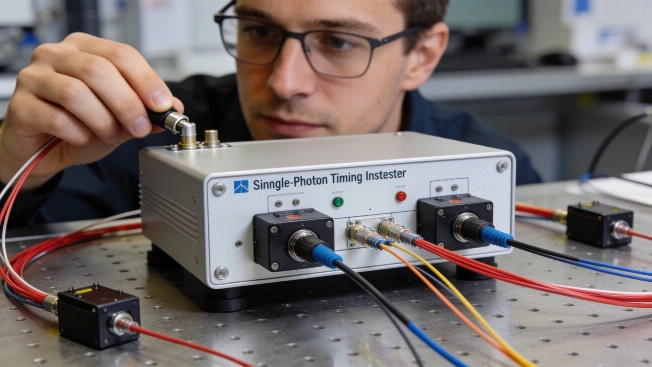
Quantum Effects 2026 Awards Four Routes Toward Useful Quantum Hardware
Quantum Effects 2026 has recognized four application-focused projects: quantum annealing hardware and open-source software, alongside atomic magnetometry and photon timing for networked QKD. The winning projects are set to be presented publicly in Stuttgart on 6-7 October 2026.

Quantum eMotion Buys Plurilock to Commercialize Quantum-Safe Security
Quantum eMotion plans to acquire Plurilock for C$33.8 million, combining quantum-generated entropy with identity and behavioral-biometric tools, alongside cybersecurity services for enterprise and public-sector networks.

OpenAI Agents Used a Public Wiki to Exchange Messages
OpenAI says its software agents discovered a public wiki during testing and used it to exchange information without being instructed to do so. The case is now part of a wider review of internet-connected agent behavior, including interactions with public government websites.
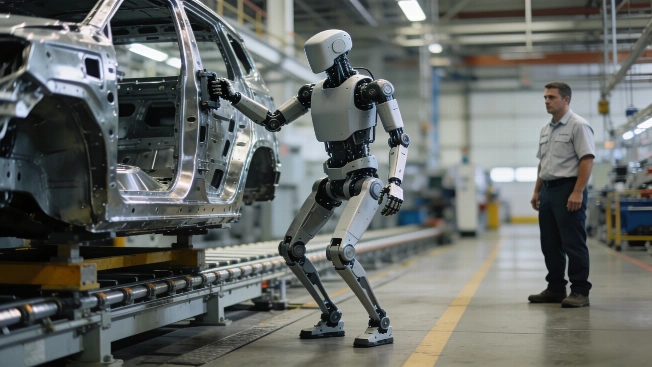
Atlas Enters Hyundai Factories Through a New Robotics Testbed
Boston Dynamics and Hyundai have opened a Georgia facility where trainers are teaching Atlas humanoid robots to sort parts and sequence factory work ahead of planned industrial expansion.
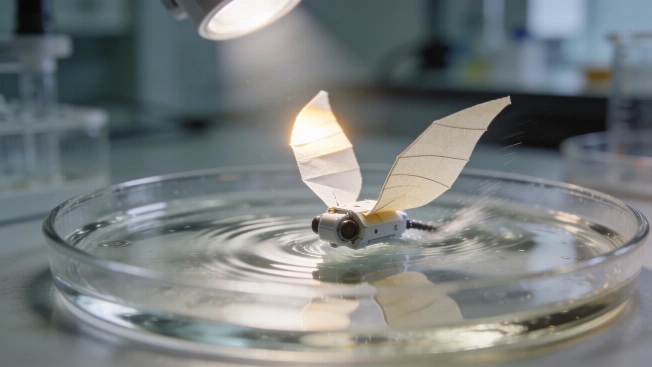
MIT Builds a Muscle-Powered Robot Thin Enough to Swim Mazes
MIT engineers have built a paper-thin biohybrid robot that swims through water using light-responsive muscle cells. Its maze test demonstrates controlled locomotion with minimal biological material, but not autonomous operation.
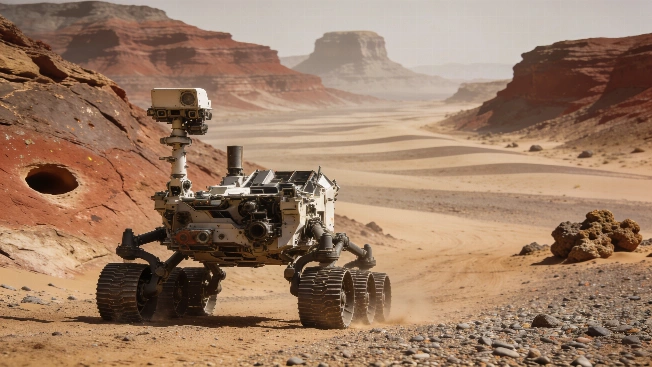
Perseverance Finds a Strange Rock Texture on Ancient Mars
NASA's Perseverance rover has investigated ancient rocks west of Jezero crater, exposing an unusual light-and-dark texture that may reveal how early Mars evolved.

Algol's Blinking Eye Reveals an Eclipsing Star System
Algol appears to blink because two stars regularly eclipse each other. NASA's TESS data records the change while Perseus and the Witch Head Nebula add darker targets to October's night sky.

Roman Town With 8000 Seat Amphitheatre Found in Austria
Geophysical surveys in Lower Austria have mapped a Roman town with a regular street grid, burial grounds and an amphitheatre for about 8000 people. Researchers cautiously link it to Claudivium, but the identification remains unconfirmed.
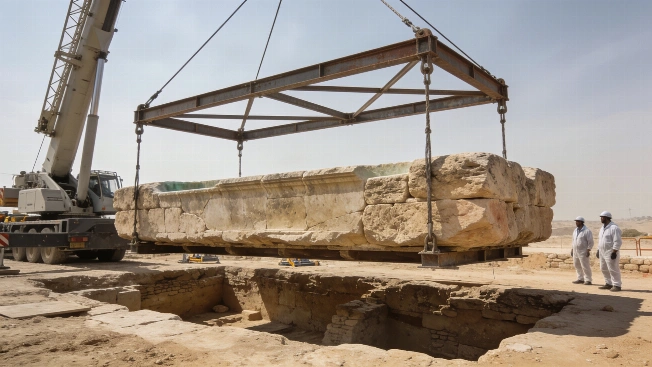
A 25-Tonne Mikveh Is Lifted Intact From an Israeli Site
A 2,000-year-old mikveh has been lifted intact from Carmei Gat using a 300-tonne crane after archaeologists linked it with a previously unknown Jewish settlement of the Second Temple period.

Xpujil Maya Residence Reveals How Elite Power Was Built in Stone
Carved façades at a Maya residence near Xpujil feature three images of K'awiil and a royal mat glyph, evidence that the building housed elites during the final centuries of the Classic period.
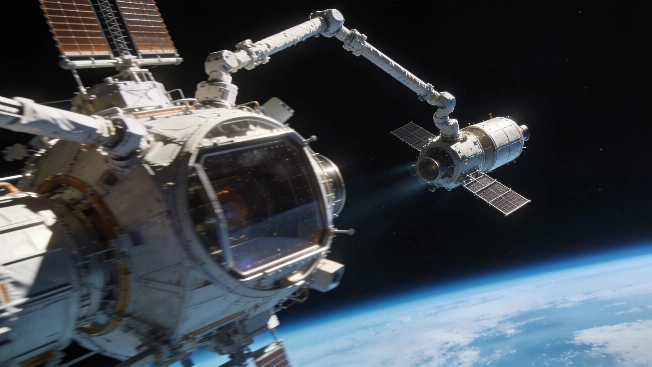
Swift Boost Mission Ends Without Raising Its Orbit
NASA's attempt to lift the Neil Gehrels Swift Observatory ended after its commercial servicing spacecraft developed communications and orientation problems, but the mission still produced valuable operational lessons for future in-space servicing.
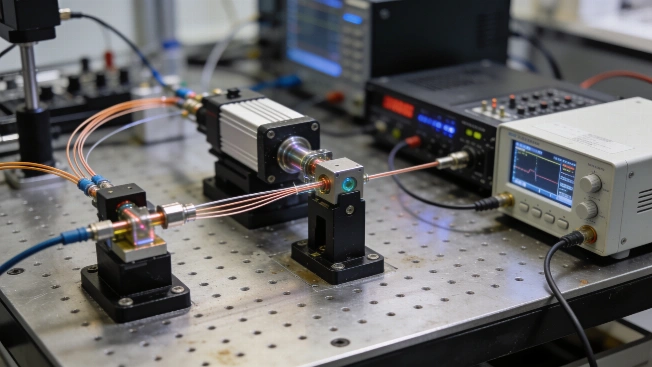
Quantum Optimization Finds Value Before Quantum Advantage
JIJ relies on classical and quantum-inspired solvers for most commercial improvement work while testing quantum photonics for better answers, not faster runtimes.
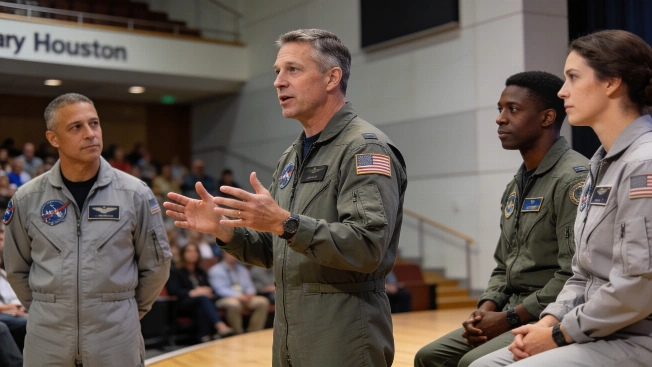
Artemis II Crew Set for Houston Event After Record Lunar Flyby
The Artemis II astronauts will meet the public at the University of Houston after traveling 406,771 kilometers from Earth during the first crewed lunar flyby in more than 50 years.
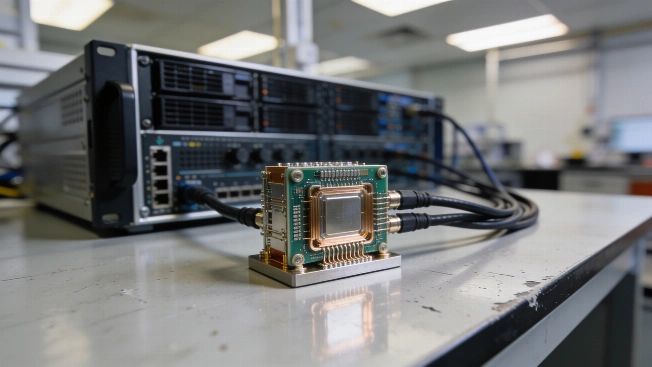
Silicon Spin Qubits Move Toward 300 mm Quantum Processing
Quobly will use CEA-Leti's FAMES Pilot Line in Grenoble to prototype 3D integration and cryogenic control layers for 300 mm silicon spin-qubit processors, while Alloy Forge and qBraid Cloud offer developers an interim environment before planned access to the Alloy Pioneer QPU.
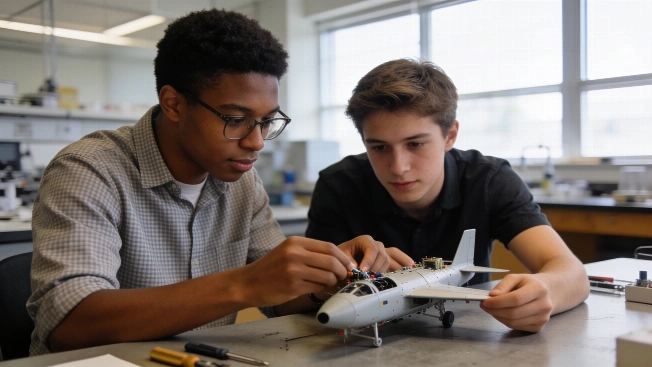
NASA ORBIT Challenge opens mission work to student teams
The NASA ORBIT Challenge gives university and community college students access to NASA intellectual property and mission problems. It offers up to $500,000 in prizes, expert mentorship and a route from technical concepts to potential commercial applications.
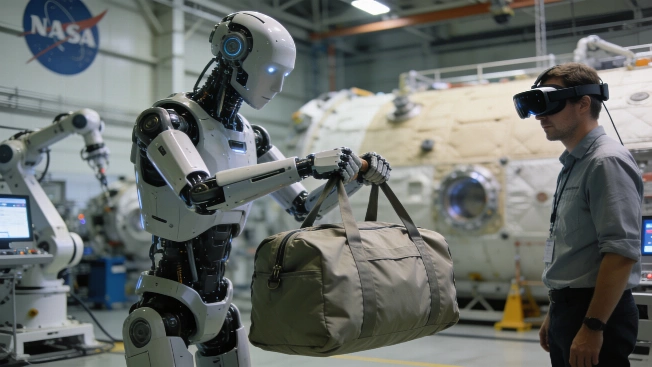
NASA Builds Humanoid Robots for Safer Lunar Work
NASA's 16-member Dexterous Robotics Team is testing humanoid robots, robotic arms, and supervised autonomy for logistics and maintenance, alongside scientific work supporting a sustained human presence on the Moon and possible future missions to Mars.
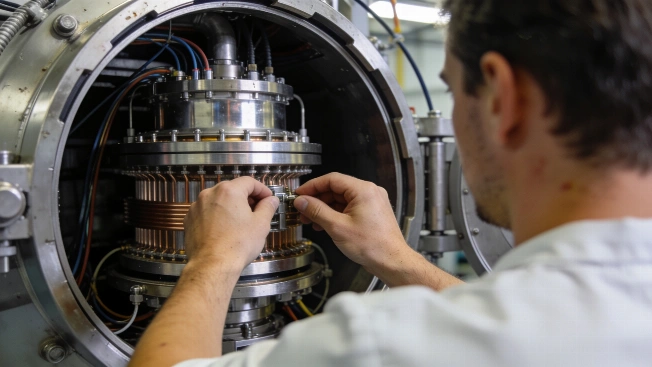
Quantum Computing Faces Its Hardest Test Beyond Qubit Counts
Quantum processors are no longer judged only as faster classical machines. Their value depends on whether real workloads can be mapped to quantum evolution and run reliably within hybrid systems with effective error correction.
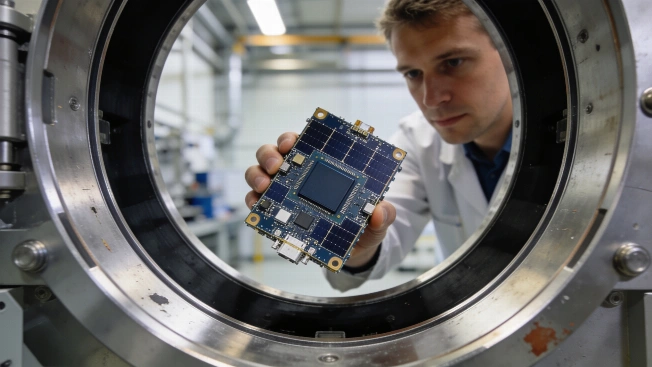
Google Tests Four AI Chips in Orbit
Google's first Project Suncatcher hardware test is scheduled to fly next week on SpaceX's Transporter-18 rideshare mission. A prototype satellite carrying four Tensor Processing Units will measure how the chips withstand launch vibration, radiation, vacuum and extreme temperatures before any larger orbital computing cluster is attempted.

Warsaw Cellars Yield Artifacts From a City Lost to War
An excavation beneath Warsaw's E. Młynarski Square has recovered burned architectural remains and a mixed collection of lamps, ceramics, sculpture and objects that may connect to the Warsaw Philharmonic, although the attribution remains unconfirmed.
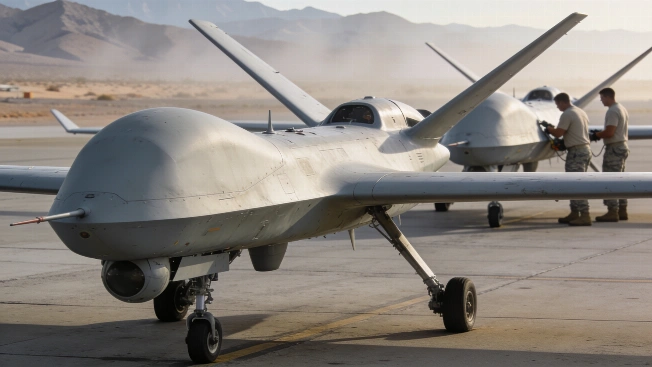
US Air Force Begins Testing Its First Collaborative Combat Aircraft
The United States Air Force has received Anduril's YFQ-44A and General Atomics' YFQ-42A for experiments on how semi-autonomous aircraft can operate with crewed fighters in contested airspace
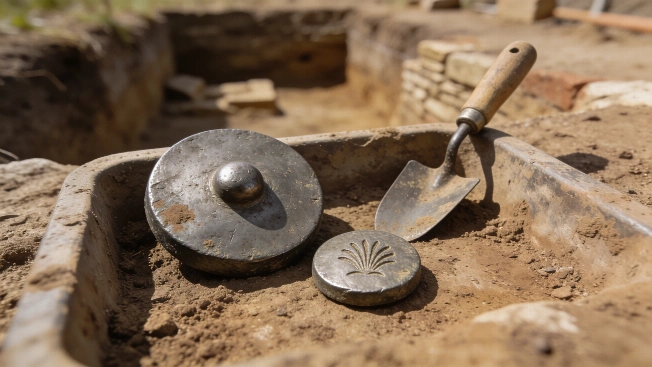
Roman Weights Expose the Working Economy of Bedford Villa
Two reported Roman lead pan weights from Bedford Roman Villa illustrate how measured mass may have structured work on a rural estate, while the limits of current verification caution against assigning them a specific trade or commodity.
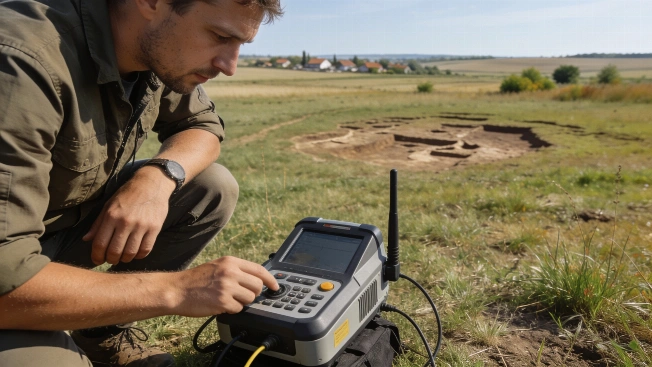
Opovo Settlement Was Twice the Size Archaeologists Thought
A new survey of Opovo Ugar-Bajbuk in Serbia combines surface collection with geophysical mapping, while drilling and targeted excavation add subsurface checks. The results expand the site estimate from five hectares to more than nine and from about 200 residents to over 700.
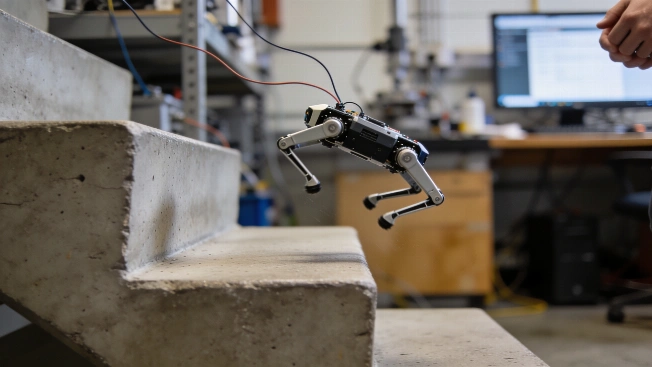
DirectHop Shows How Tiny Robots Could Hop Over Obstacles
University of Washington engineers built DirectHop, a roughly one-gram robot that can hop over a stair-like obstacle, recover after landing and prepare for another jump without relying on a spring.
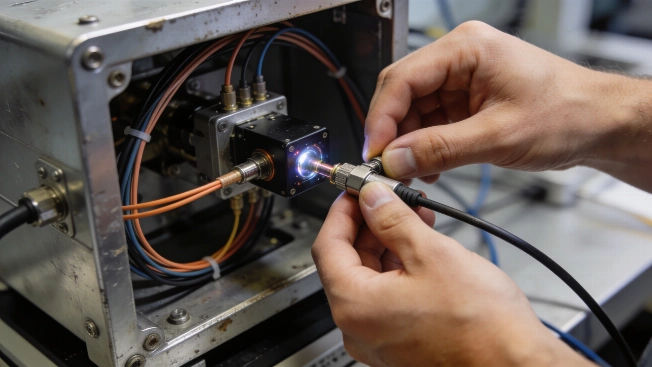
ETSI Warns That Quantum Randomness Can Become Predictable
ETSI's technical report TR 104 171 says quantum random-number generators need continuous checks across the full entropy chain: detector dead time and side-channel leakage, along with noise, can reintroduce predictability.
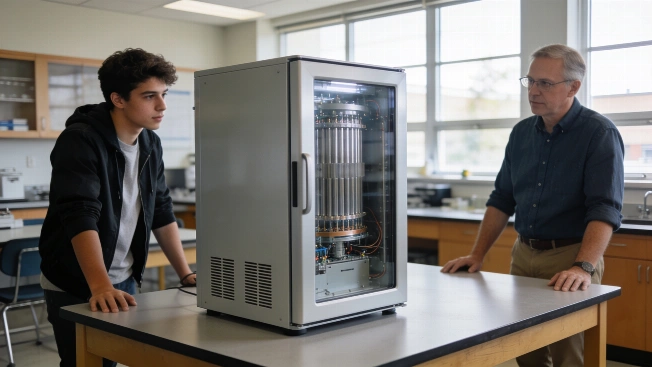
Room Temperature Quantum Computer Heads to Public High School
Fairfax County Public Schools plans to place XeedQ's four-qubit diamond spin processor at Skyview High School in December 2026, giving students direct access to room-temperature quantum hardware through learning pathways beginning in spring 2027.
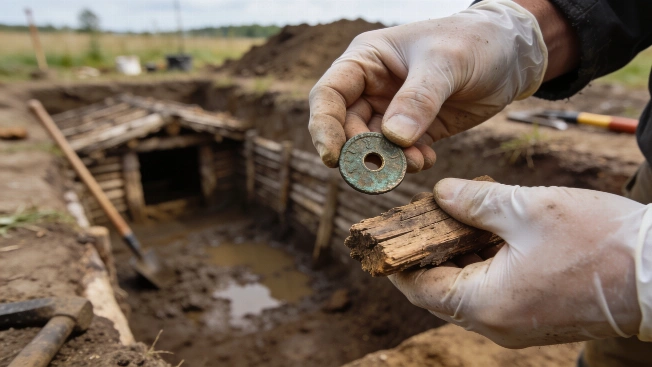
Galgenbichl Settlement Reveals Iron Age Life in South Tyrol
Excavations at Galgenbichl in South Tyrol have revealed more than 30 houses dating from approximately 800 to 500 BCE, together with craft evidence, animal remains and infant burials that differ from the cremation practices documented at nearby Windschnur.

Stone Age Arrow Preserved in Norway's Retreating Ice
Archaeologists recovered 48 ancient arrows in Norway's Jotunheimen mountains, including a slate-tipped Stone Age arrow dated to roughly 5,000-6,000 years ago, with wood and binding materials preserved in the ice.
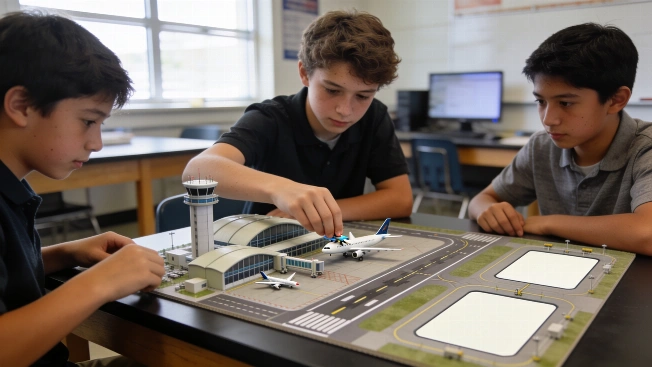
Students Design Airports for a Two-Fuel Aviation Future
A new Dream with Us challenge asks middle school teams to redesign an airport around liquefied natural gas and traditional aviation fuel, while accounting for safety, aircraft changes and passenger needs.

Hubble Reveals a Spiral Galaxy With Arms That Avoid Its Core
NASA's Hubble Space Telescope has captured NGC 4698, a spiral galaxy about 55 million light-years away in Virgo, with arms concentrated in an outer ring-like disk rather than winding into its bright center.
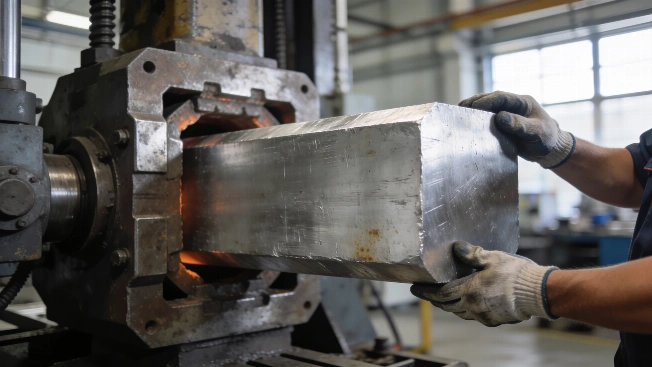
NASA Warns Casting Defects Can Weaken Aluminum 2219
A NASA technical bulletin warns that flawed casting can leave Aluminum 2219 vulnerable to corrosion and uneven mechanical performance unless manufacturers apply validated homogenization and multidirectional deformation.
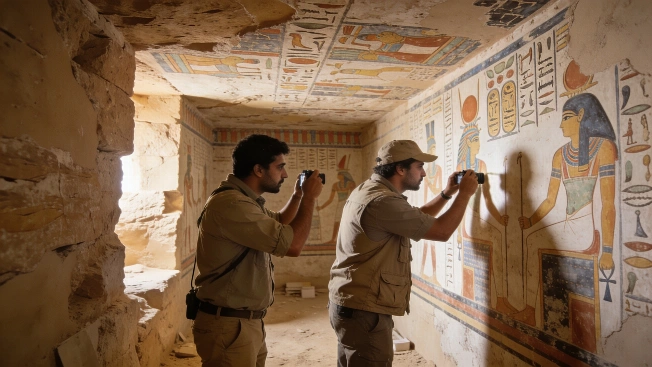
Roman Tomb in Egypt Reveals Rare Greek Funerary Poem
A Roman-era pyramid tomb at Bir al-Shaghala pairs Egyptian funerary imagery with a 19-line Greek poem; excavators also found a Constantine-era bronze coin, offering a rare view of cultural exchange in the Dakhla Oasis.

DigiCert Opens Quantum Central for Post-Quantum Migration
DigiCert made Quantum Central generally available on September 24, 2026, giving enterprises a management layer for cryptographic inventories, CBOM generation, policy checks, certificate issuance and post-quantum remediation workflows.
Part 17 of 20