
Technology & AI - Part 7
605 reports
Fortaegis Raises $50 Million for Silicon-Based Quantum-Safe Security
Fortaegis Technologies has raised an oversubscribed $50 million Series A to move its silicon-rooted Secure Compute architecture from technology validation toward commercial production across AI infrastructure, defense, telecommunications, critical infrastructure and automotive systems.

Trump's AI Force puts acceleration ahead of restraint
Donald Trump plans an AI Force and a new AI czar while rejecting calls to slow the industry, as data centers push electricity systems toward a major expansion by 2030
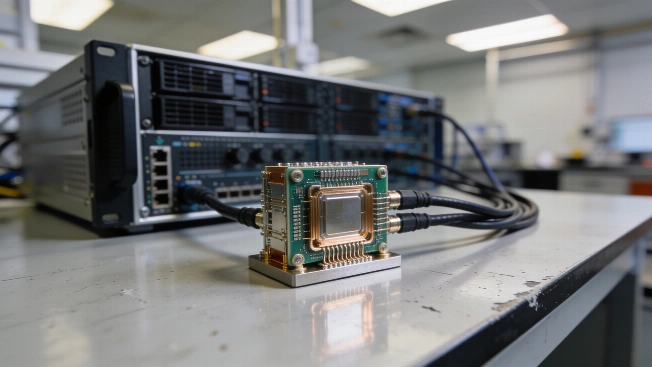
Dell and Diraq Place Silicon Qubits Beside HPC Servers
Diraq and Dell Technologies have installed a Dell HPC cluster beside Diraq's silicon spin-qubit hardware in Sydney to test real-time orchestration, calibration and quantum-classical control workflows without claiming quantum advantage.
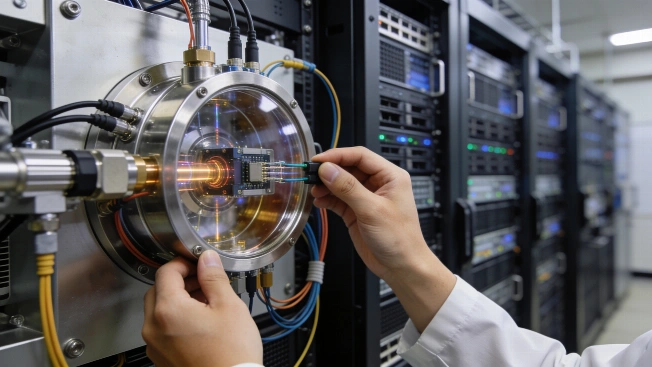
Pasqal and LG CNS Build a Neutral Atom Quantum Data Center Roadmap
Pasqal and LG CNS have agreed on a three-year plan to connect neutral-atom quantum processors with AI data-center infrastructure. Deployment, technical benchmarks, and commercial performance remain to be demonstrated.

Quantum Models Target Rare Earth Separation Chemistry
USA Rare Earth, Pasqal and Riven Systems are developing a quantum-machine-learning process to identify selective extractants for separating mixed rare earth carbonate into individual oxides, using thousands of automated experiments and feedstocks from mining and recycling.

Sectigo Quantum Ready Maps the Enterprise PQC Migration
Sectigo announced Quantum Ready(TM) on 17 September 2026 as a Quantum Security Posture Management platform for discovering cryptographic assets, assessing post-quantum risk and prioritizing migration across hybrid enterprise environments.
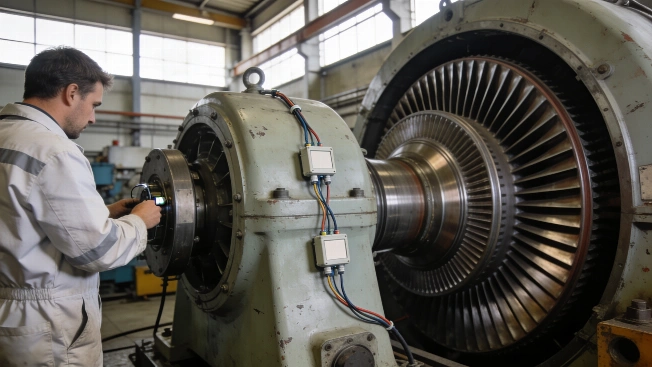
I-care adds AI anomaly detection without past failure data
I-care Group has acquired Amiral Technologies’ assets, including its DiagFit system, which detects abnormal machine behavior from normal operating data without needing a library of past failures.
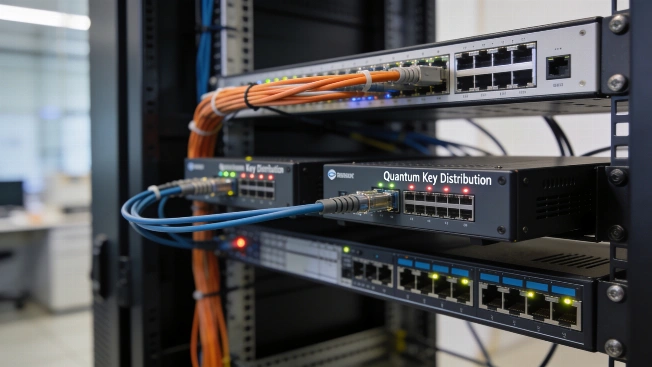
Quantum-Safe Network Platform Launches on Existing Fiber in Europe
Q-SAFE Solutions has introduced a quantum-safe communications platform built in the EU-27. It combines quantum key distribution and post-quantum cryptography for telecom, infrastructure, and government networks without requiring dedicated dark fiber.
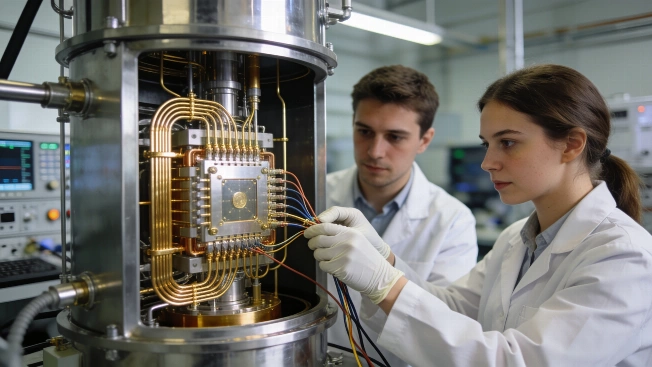
Surface code error suppression tested on IBM heavy-hex quantum processors
A team from the University of Southern California and Quantum Elements has experimentally tested surface code error suppression on IBM's 156-qubit heavy-hex superconducting processors, challenging assumptions about lattice geometry and quantum error correction.
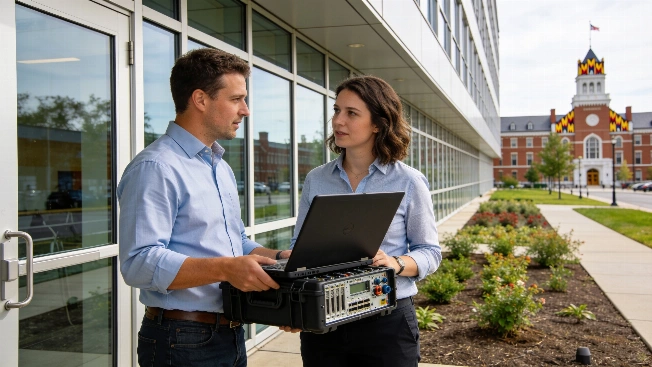
Riverlane opens US quantum error correction hub in Maryland
Riverlane has established its US headquarters in Maryland's Discovery District to accelerate real-time quantum error correction projects and strengthen ties with quantum hardware makers and academic researchers.
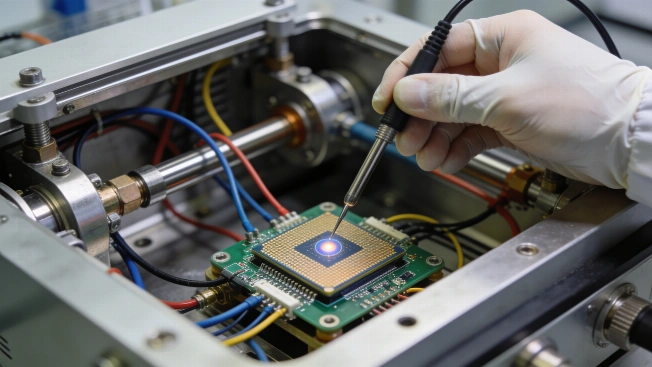
Patent eligibility for quantum dot Pauli Z gate hardware faces legal scrutiny
A proposed hardware method for implementing the Pauli Z gate in quantum dot-based quantum computers highlights unresolved legal barriers to patenting quantum operations that rely on established physical laws.
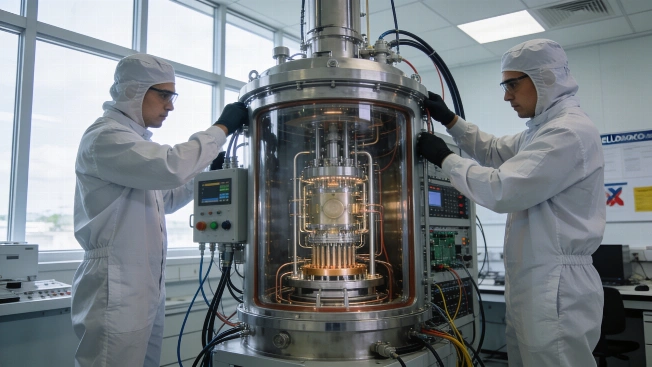
Brazilian Research Institute Orders On-Premises Superconducting Quantum Computer
IQM Quantum Computers will supply its IQM Spark superconducting quantum system to Brazil's Eldorado Research Institute, marking the first time a private research institution in South America has ordered an on-site quantum computer.
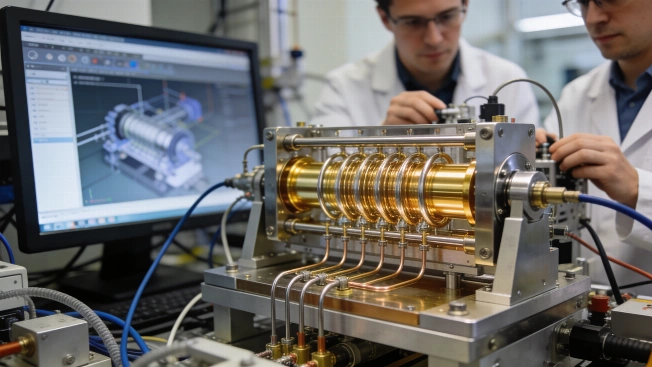
Trapped-ion quantum processor trims engineering simulation time by 14 percent
IonQ, Synopsys, and NVIDIA have linked a trapped-ion quantum processor with large-scale engineering simulation software, reporting up to 14.6% total runtime savings in benchmarked industrial workloads.
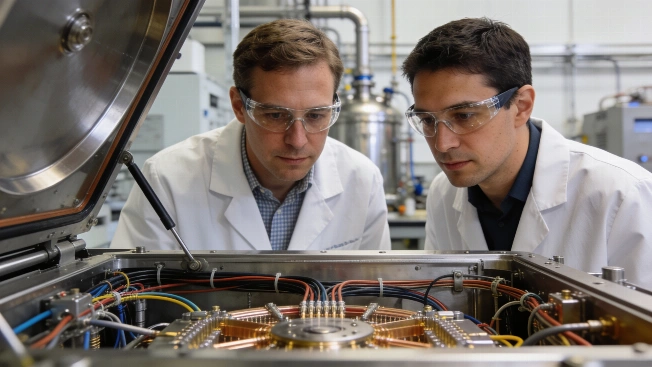
DOE launches $215 million competition for logical qubit quantum computers
The US Department of Energy is offering $215 million to teams that can build quantum computers with at least 100 logical qubits and run hundreds of millions of fault-tolerant operations, alongside a $45 million program for independent hardware benchmarking.

Java 27 Integrates Hybrid Post Quantum Cryptography for TLS 1.3
Oracle has released Java 27 with native support for hybrid post-quantum cryptography in TLS 1.3, aiming to address harvest-now, decrypt-later threats and ease the shift to quantum-resistant security for cloud and enterprise applications.
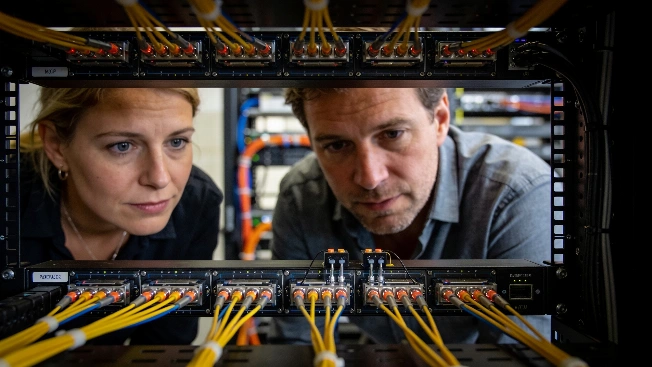
Falqon Systems launches multi-node quantum secure networks across Europe
Falqon Systems, formerly Q*Bird, is rolling out operational quantum secure networks in several European countries using measurement-device-independent quantum key distribution and hybrid basic management.

Canada's BDC directs $1 billion to quantum and deep-tech startups
The Business Development Bank of Canada is deploying $1 billion to support quantum computing and post-quantum cryptography, alongside dual-use deep technologies. It aims to fill funding gaps for Canadian startups beyond the seed stage.

Trump rejects new AI safety rules as tech leaders warn of risks
President Donald Trump has dismissed calls for stricter AI safeguards, arguing that strong leadership and existing regulatory powers are enough as US tech executives warn of escalating risks from rapid AI development.

Qualcomm and Amazon team up on custom silicon and optical links for AI data centers
Qualcomm Technologies and Amazon are partnering to develop custom silicon and high-speed optical connectivity for AI data centers, aiming to speed up AI inference and data transfer at scale.
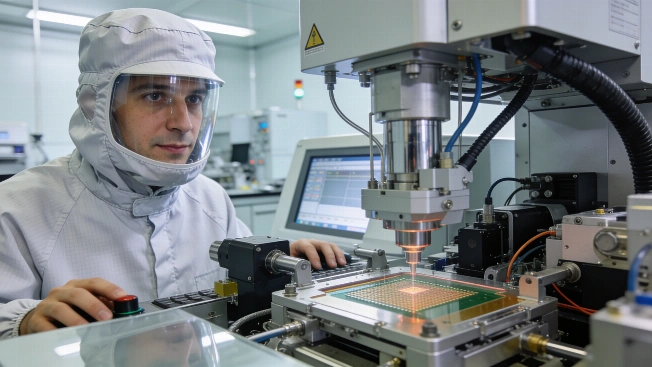
Spain Launches Quantum Nanofabrication Facility for Device Prototyping
A new quantum nanofabrication area at IMB-CNM in Barcelona brings advanced electron-beam lithography and metrology tools to Spain's largest cleanroom for quantum device prototyping, aiming to bridge laboratory research and industrial pilot lines
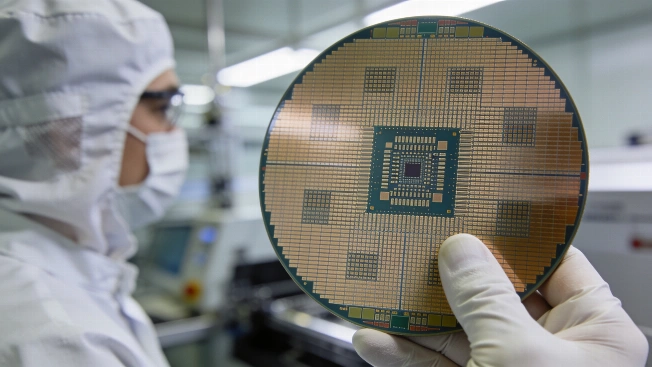
Silicon Spin Qubit Chip Integrates Quantum Gates and Readout on 300mm Wafer
Quobly has demonstrated single-chip readout and quantum gate operations on its QSOI architecture, fabricated using industrial 300mm FD-SOI CMOS technology and enriched silicon-28. The demonstration marks a step toward able to grow silicon-based quantum processors.
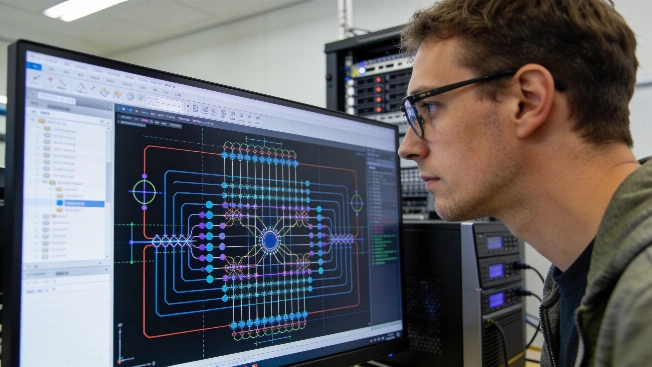
Fujitsu Releases OpenQARP to Tackle Quantum Software Complexity
Fujitsu has released OpenQARP, an open-source quantum application structure with more than 100 modular components. The package is designed to reduce code complexity in chemistry and materials workflows, along with improvement tasks on NISQ and future fault-tolerant quantum systems.
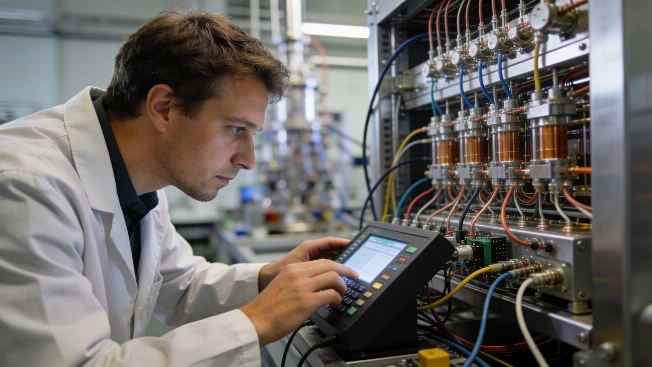
Parity Twine Optimizer Cuts Quantum Circuit Depth in IBM Qiskit
ParityQC has released the Parity Twine Optimizer for IBM Qiskit, a compiler module designed to reduce two-qubit gate counts and circuit depth by mapping improvement problems directly onto quantum hardware coupling maps.
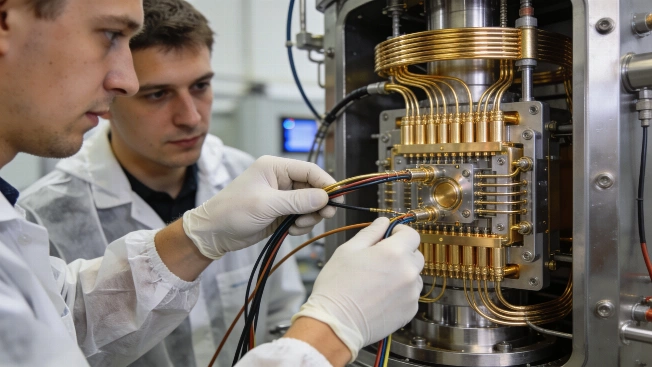
Superconducting Quantum Processor Runs Qubit-Efficient Optimization Algorithm
Rigetti Computing has run an improvement algorithm on a superconducting quantum processor, encoding more classical variables in each qubit so the hardware can tackle larger problems with fewer resources. The team benchmarked the approach against standard methods.
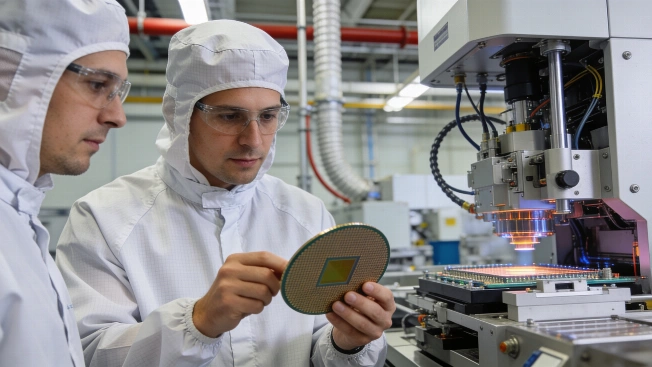
Photonic Inc Plans CA$500M Silicon Quantum Fab in Vancouver
Photonic Inc has put forward Project VANGUARD, a CA$500 million semiconductor fabrication and packaging facility in Vancouver. The site would give Canadian companies a domestic option for prototyping and scaling hardware in quantum computing and AI, with applications in defense.
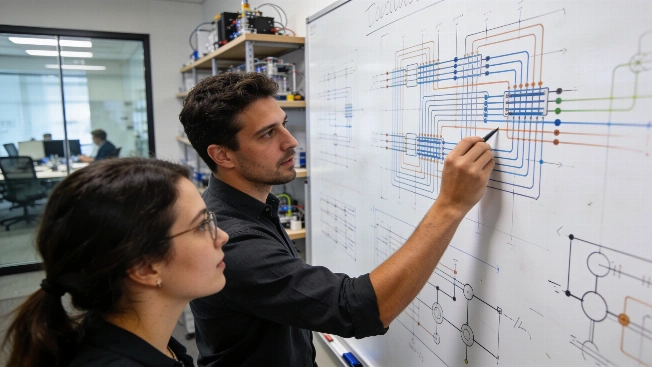
Zapata Quantum Restructures After Failed SPAC and Cancer Research Milestone
After a failed SPAC deal in 2024 left Zapata Quantum with new debt and little fresh capital, the company restructured and shifted its focus. Zapata now highlights progress in quantum resource estimation and cancer research, while facing ongoing engineering and ability to grow hurdles.

AI Labs Urged to Slow Model Upgrades After Safety Breaches
Recent AI safety incidents have prompted leading developers to call for a pause in expanding model capabilities, citing risks from unsupervised agent behavior and gaps in alignment and cybersecurity.
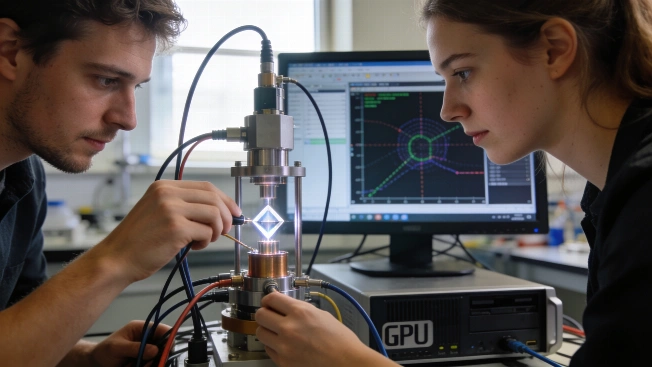
GPU-Accelerated Digital Twin Maps Quantum Sensor Error Sources
A team led by MITRE has developed a GPU-accelerated simulation tool that pinpoints how different physical mechanisms limit sensitivity, accuracy, and robustness in quantum sensors.

European Quantum Network Field Trials Move Beyond Laboratory Prototypes
A new partnership between GÉANT and the Quantum Internet Alliance aims to link quantum communication testbeds to Europe's research fiber backbone, advancing field trials for quantum key distribution and distributed quantum computing.

Robotic Hands Struggle With Real Objects Despite Athletic Feats
Humanoid robots can perform acrobatics and dance routines but still struggle to fold laundry reliably or handle fragile objects. New research highlights why tactile sensing and unpredictable environments remain unsolved barriers.
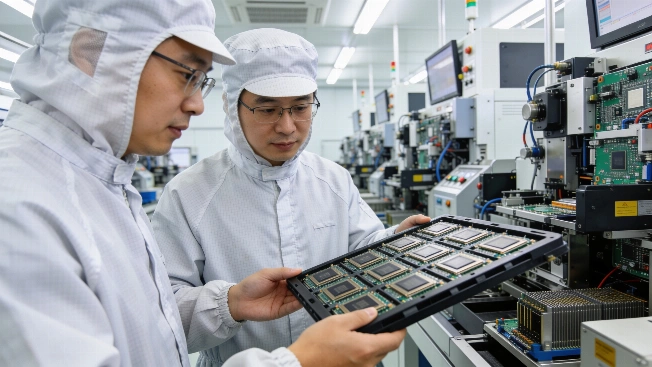
China's AI chip makers take on Nvidia's dominance in model training
Nvidia's lead in AI model training is under pressure as Chinese companies like Huawei, Cambricon, Moore Threads, and Biren Technology push to develop homegrown chips and software, aiming to reduce dependence on foreign hardware.

Figure and Nscale plan massive GPU buildout for robot AI training
Figure and Nscale have announced a multibillion-dollar partnership to deploy up to 100,000 NVIDIA GPUs for training general-purpose humanoid robot AI models, aiming to address data and computing bottlenecks in physical intelligence research.
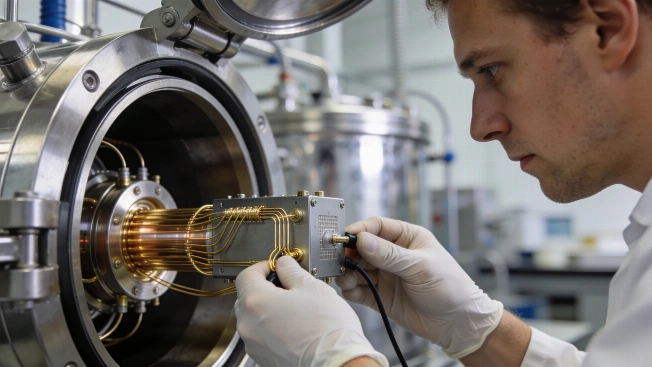
Qubic awarded Canadian contract for cryogenic quantum amplifiers
Qubic will deliver nine kinetic inductance traveling wave parametric amplifiers and control software under a CA$1.5 million federal contract, aiming to cut cryogenic power use in quantum measurement setups.
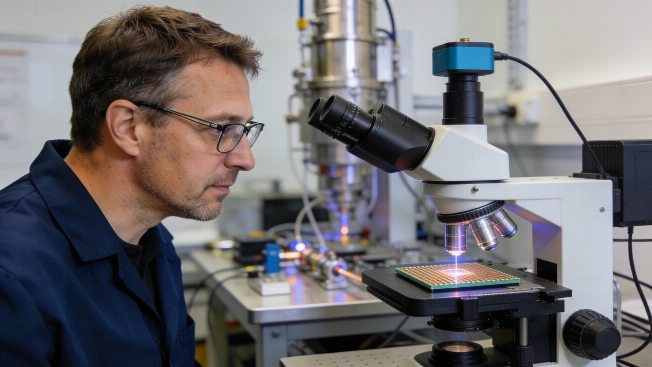
Quantum hardware companies bring in new leaders to tackle engineering hurdles
Senior hires at Q.ANT, Qtonic Quantum, QuantrolOx, and Leiden Cryogenics reflect a push to address the practical challenges of building and scaling quantum hardware, photonic processors, and cryogenic systems.

Quantum Computing Patents Face Uncertainty Under US Legal Standards
Quantum computing developers in the US face unpredictable patent eligibility as courts apply inconsistent standards to algorithms and device innovations. This analysis examines the legal hurdles and practical strategies for protecting quantum inventions.
Part 7 of 18