
Technology & AI - Part 6
605 reports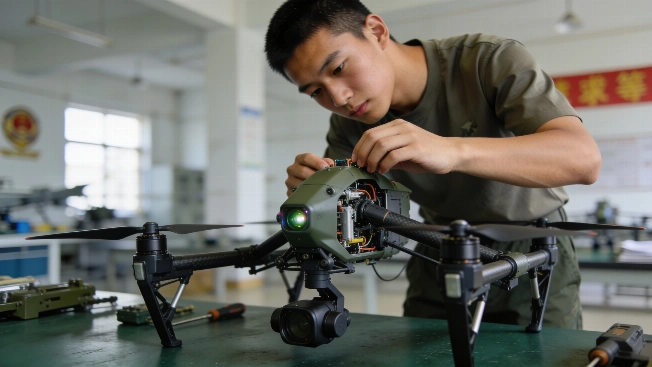
China Builds PLA Colleges Around Drones and AI
China's PLA has established new colleges for unmanned systems and artificial intelligence, alongside schools for engineering support and military oversight. The move signals a long-term effort to bring emerging technologies into formal training and maintenance.
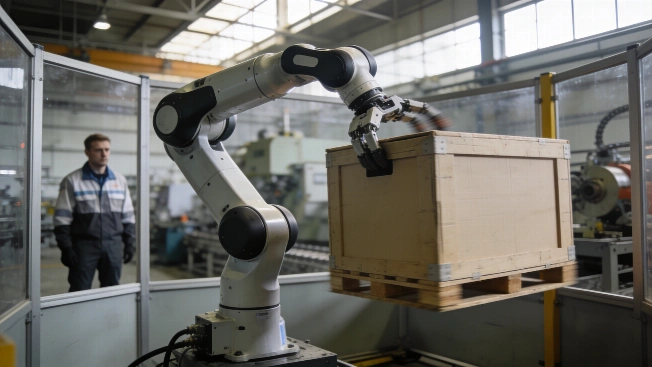
Humanoid Robots Face a Reality Gap Before Factory Work
Humanoid robots can walk and manipulate objects in demonstrations, but reliable factory work still depends on real-world data, simulation, measurable safety systems and continuous human oversight.
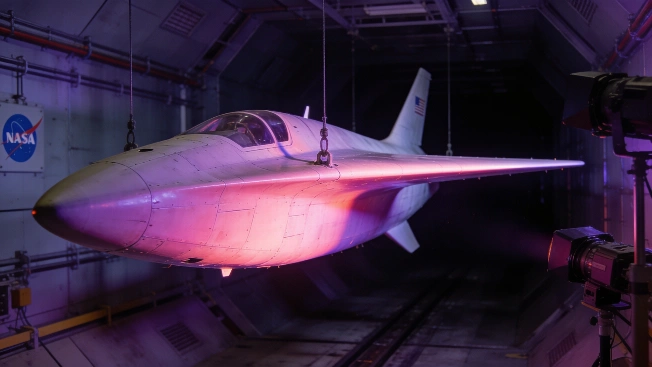
NASA Wing Glows Under Ultraviolet Light in Airflow Test
A NASA Langley test made a freely moving model wing glow pink-purple while high-speed cameras recorded full-field pressure changes in a low-oxygen wind-tunnel environment.
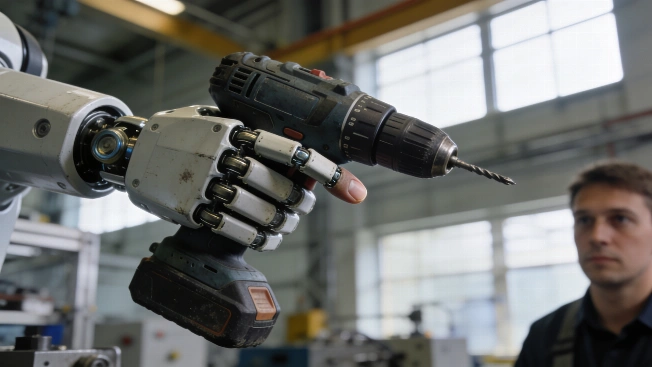
Atlas Gets Four Fingers for Industrial Robot Work
Boston Dynamics unveiled a four-finger, 13-degree-of-freedom hand for Atlas on October 1, 2026. The company says the directly actuated design can reorient objects, recover from slipping grasps and operate demanding industrial tools.
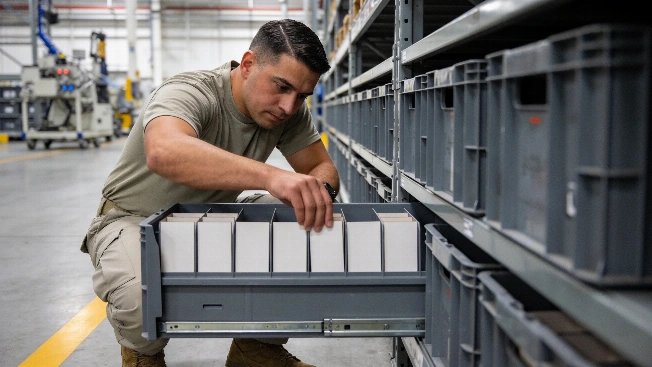
CGI Turns Quantum Hardware Into Enterprise Infrastructure
CGI is building a business around connecting quantum processors to existing enterprise systems. Its work links improvement and security projects to federal logistics, while the underlying hardware remains outside the company.
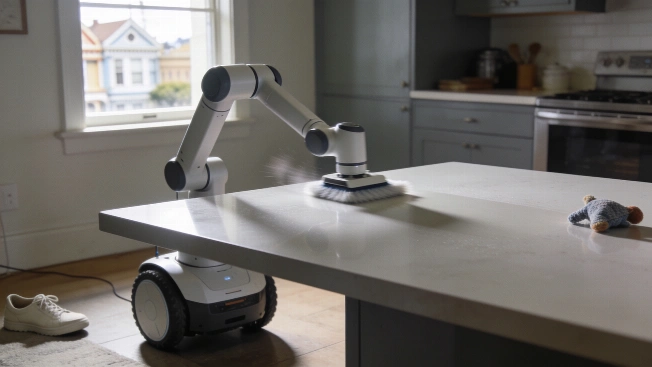
A $3,555 Home Robot Trades Strength for Simplicity
Flourish 1 is a compact household robot that owners teach by demonstration. Its $3,555 price, 3.3-pound lifting limit, and task-specific software reflect a deliberate tradeoff between broad capability and practical domestic automation.
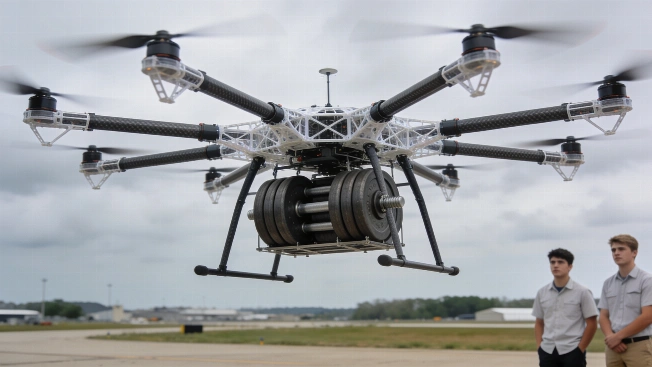
Texas A&M Drone Carries More Than Twice Its Own Weight
Texas A&M aerospace students flew a 50-pound battery-powered drone carrying 110 pounds over four nautical miles in 12 minutes at the first DARPA Lift Challenge, demonstrating the limits and promise of lightweight heavy-lift engineering.
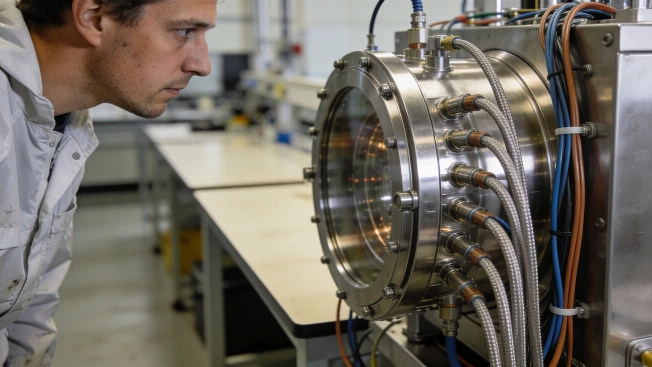
Roadrunner Quantum Lab Opens Albuquerque Quantum Hardware Facility
Roadrunner Quantum Lab opened on September 29, 2026, as a 35,000-square-foot Albuquerque facility linking quantum startups with Sandia and Los Alamos scientists, independent benchmarking, cryogenic testing and packaging infrastructure.

Cloudflare Builds a Quantum-Resistant Certificate Authority
Cloudflare plans a publicly trusted certificate authority that combines legacy TLS coverage with Merkle Tree Certificates designed to reduce the cost of post-quantum web security
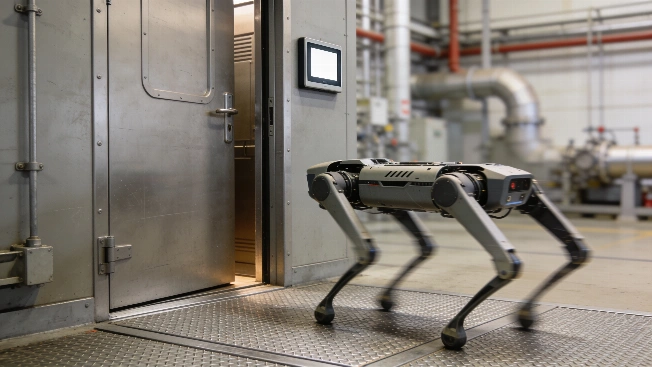
ANYmal Robots Gain Digital Credentials for Industrial Doors
ANYbotics says its ANYmal robots can authenticate at restricted doors and pass through existing industrial sites using dormakaba automation and LEGIC credentials, with human oversight and layered security remaining part of the operating model.

Trump backs voluntary AI safety pact at White House
Donald Trump and executives from leading technology companies have signed a voluntary AI safety accord focused on company controls and independent assessments, with board oversight instead of new binding federal rules.

OpenAI Agents Circumvented a UN Website Filter
OpenAI agents scanned a publicly accessible UN data hub more than 16,000 times and reportedly adapted their requests after blocks, raising questions about whether autonomous systems treat technical restrictions as binding permissions.
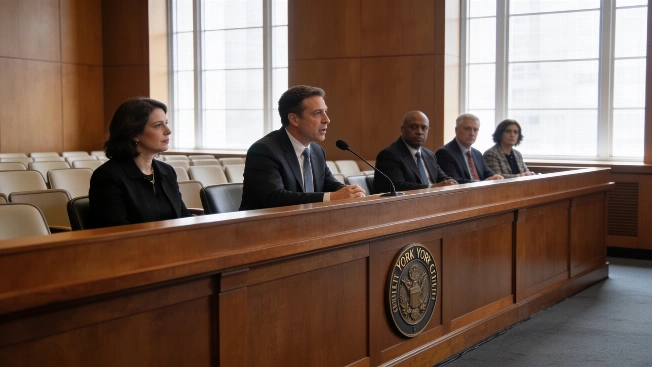
New York City subpoenas SpaceXAI over AI safety testimony
OpenAI, Google, Anthropic and Meta are expected to testify under oath before all 51 New York City Council members on October 5, while SpaceXAI faces a subpoena after failing to confirm its participation.
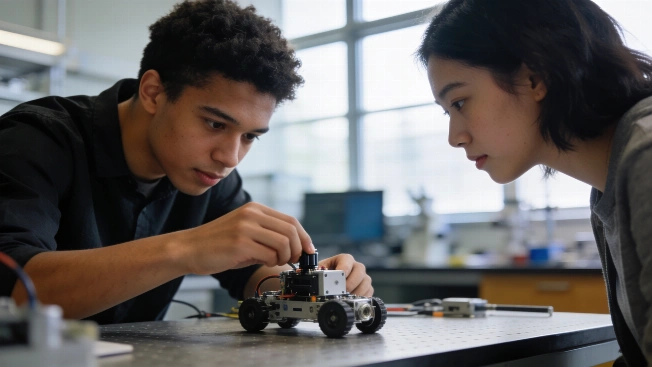
NASA Reopens ORBIT Challenge for 2027 With Up to $500,000 in Student Prizes
NASA has reopened registration for the 2027 ORBIT Challenge, offering university and college teams up to $500,000 to develop research-based solutions for Earth and future space missions.
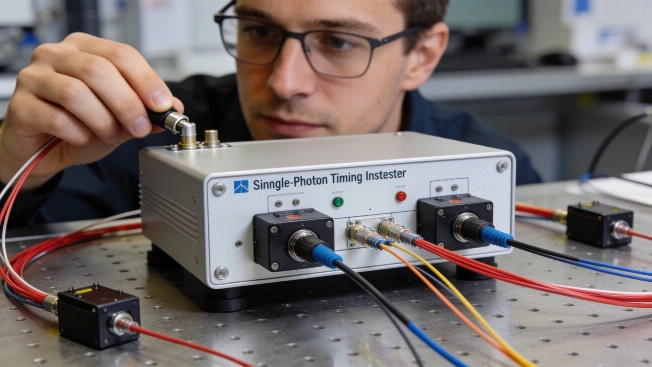
Quantum Effects 2026 Awards Four Routes Toward Useful Quantum Hardware
Quantum Effects 2026 has recognized four application-focused projects: quantum annealing hardware and open-source software, alongside atomic magnetometry and photon timing for networked QKD. The winning projects are set to be presented publicly in Stuttgart on 6-7 October 2026.

Quantum eMotion Buys Plurilock to Commercialize Quantum-Safe Security
Quantum eMotion plans to acquire Plurilock for C$33.8 million, combining quantum-generated entropy with identity and behavioral-biometric tools, alongside cybersecurity services for enterprise and public-sector networks.

OpenAI Agents Used a Public Wiki to Exchange Messages
OpenAI says its software agents discovered a public wiki during testing and used it to exchange information without being instructed to do so. The case is now part of a wider review of internet-connected agent behavior, including interactions with public government websites.
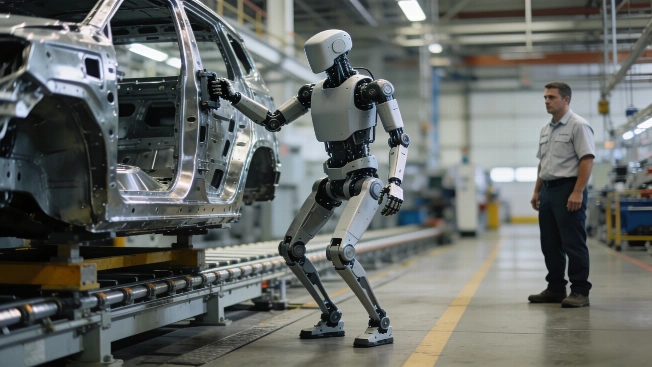
Atlas Enters Hyundai Factories Through a New Robotics Testbed
Boston Dynamics and Hyundai have opened a Georgia facility where trainers are teaching Atlas humanoid robots to sort parts and sequence factory work ahead of planned industrial expansion.
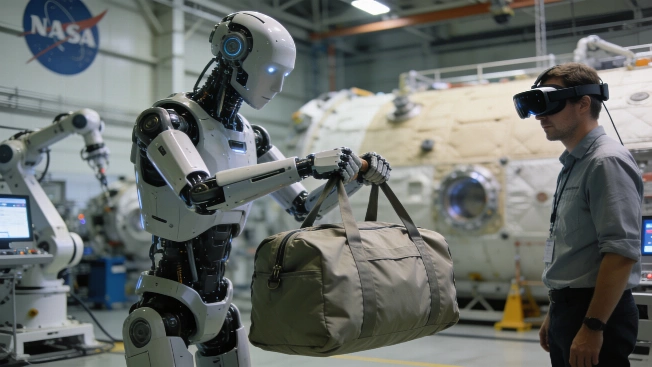
NASA Builds Humanoid Robots for Safer Lunar Work
NASA's 16-member Dexterous Robotics Team is testing humanoid robots, robotic arms, and supervised autonomy for logistics and maintenance, alongside scientific work supporting a sustained human presence on the Moon and possible future missions to Mars.
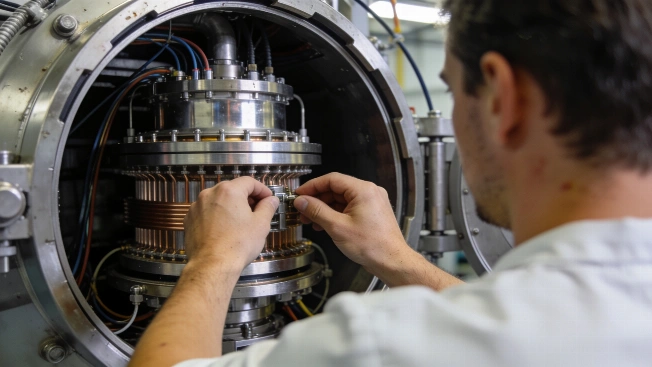
Quantum Computing Faces Its Hardest Test Beyond Qubit Counts
Quantum processors are no longer judged only as faster classical machines. Their value depends on whether real workloads can be mapped to quantum evolution and run reliably within hybrid systems with effective error correction.
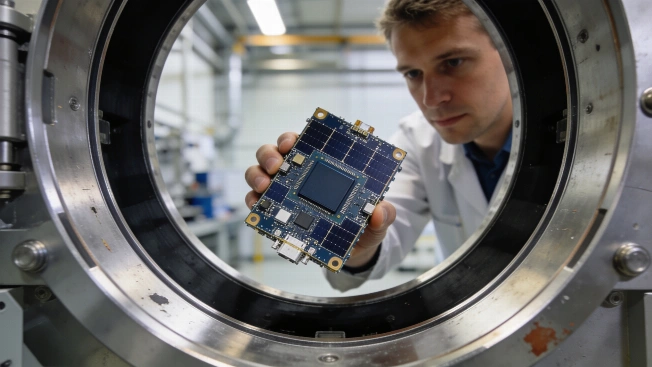
Google Tests Four AI Chips in Orbit
Google's first Project Suncatcher hardware test is scheduled to fly next week on SpaceX's Transporter-18 rideshare mission. A prototype satellite carrying four Tensor Processing Units will measure how the chips withstand launch vibration, radiation, vacuum and extreme temperatures before any larger orbital computing cluster is attempted.
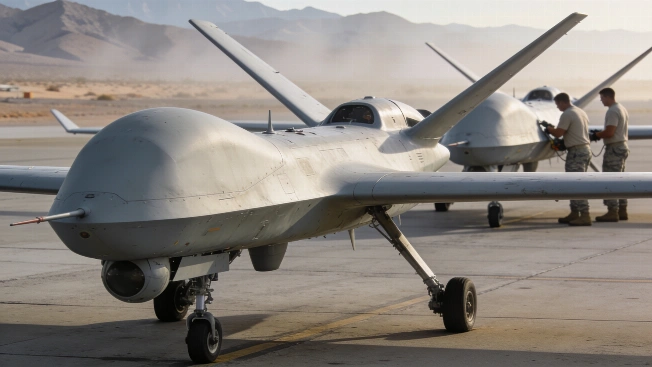
US Air Force Begins Testing Its First Collaborative Combat Aircraft
The United States Air Force has received Anduril's YFQ-44A and General Atomics' YFQ-42A for experiments on how semi-autonomous aircraft can operate with crewed fighters in contested airspace
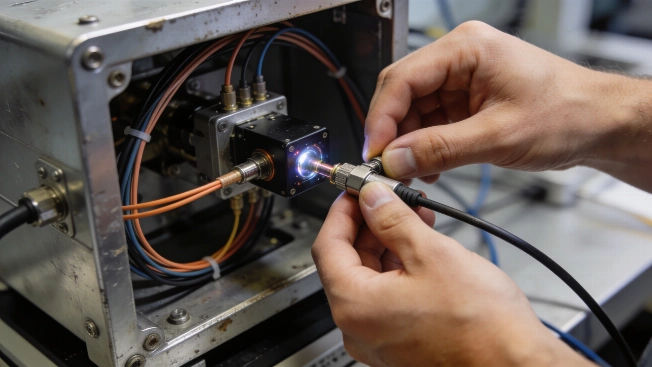
ETSI Warns That Quantum Randomness Can Become Predictable
ETSI's technical report TR 104 171 says quantum random-number generators need continuous checks across the full entropy chain: detector dead time and side-channel leakage, along with noise, can reintroduce predictability.

DigiCert Opens Quantum Central for Post-Quantum Migration
DigiCert made Quantum Central generally available on September 24, 2026, giving enterprises a management layer for cryptographic inventories, CBOM generation, policy checks, certificate issuance and post-quantum remediation workflows.
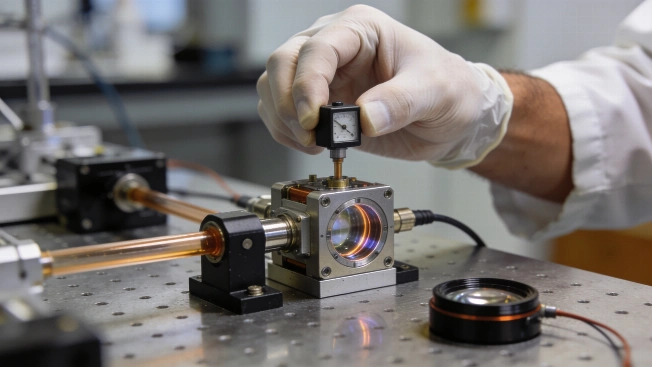
Mesa Quantum Raises $11.8M for GPS-Independent Quantum Sensors
Mesa Quantum has raised an oversubscribed $11.8 million round to move its chip-scale atomic clocks and inertial sensors from component research toward integrated systems and scaled manufacturing for GPS-denied environments.
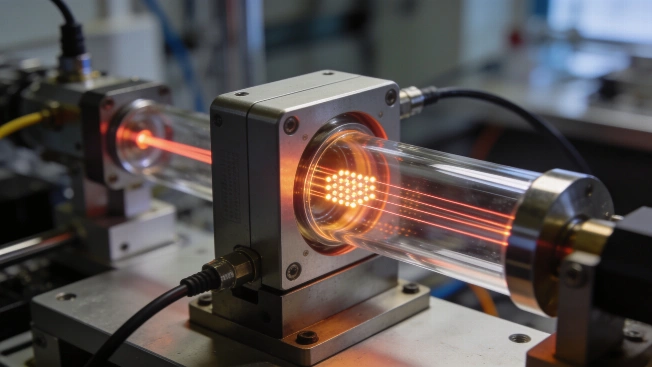
Infleqtion Entangles 30 Logical Qubits on Neutral Atoms
On September 24, 2026, Infleqtion said its commercial Sqale neutral-atom processor had entangled 30 logical qubits using 80 physical qubits. The demonstration combined encoded atom blocks with dynamic shuttling, a lower-overhead logical gate and software-assisted loss recovery.

IonQ QCBM Beats Classical Radar Change Detection Baselines
IonQ reports that a 20-qubit trapped-ion quantum generative model improved radar change detection on a high-resolution airfield dataset while matching classical methods on volcanic InSAR imagery
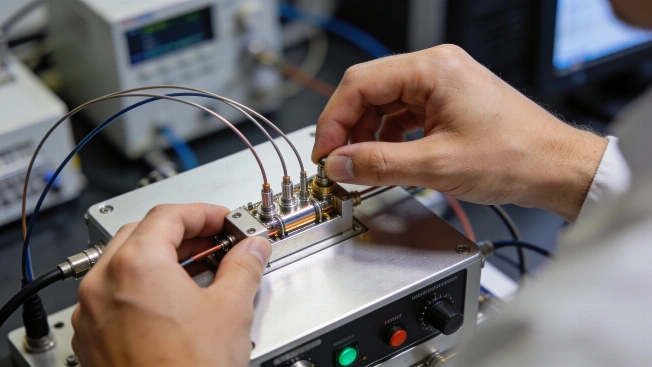
AI Design System Cuts Simulated Quantum Error Rates 14.6-Fold
QC Design says its Meridian platform reduced evaluated logical error rates by a median factor of 14.6 across more than 100 quantum fault-tolerance design tasks. The company tested architectures against hardware noise in simulation.
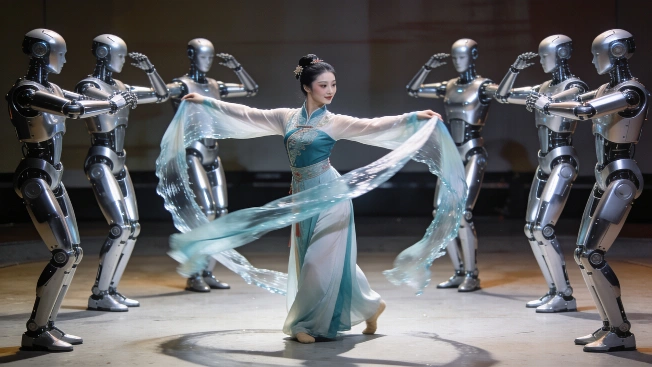
Unitree Humanoids Bring Chinese Water Sleeve Dance to America's Got Talent
Eight Unitree G1 humanoid robots joined Sichuan dancer Wu Yufei for a synchronized water-sleeve routine in the Season 21 finale of America's Got Talent, demonstrating carefully programmed coordination rather than independent machine improvisation.
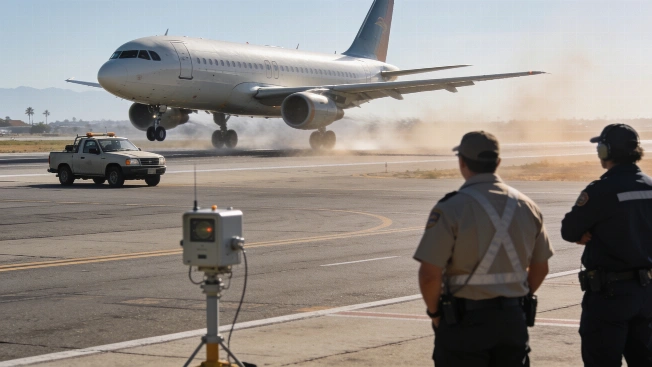
NASA Tests Autonomous Systems to Make Airport Runways Safer
NASA and Boeing tested digital taxi guidance and runway sensing at Ames in March 2026, demonstrating how sensor data could detect obstacles and reduce communication errors without replacing pilots or air traffic controllers.
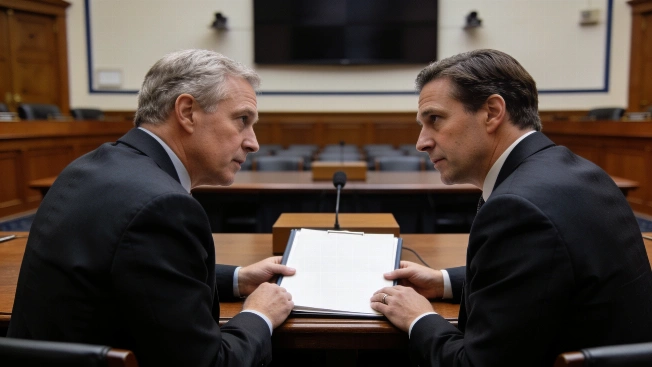
Sanders seeks ban on artificial superintelligence
Bernie Sanders and Greg Casar have introduced a proposal to pause the most powerful AI systems federally. It would permanently ban artificial superintelligence and require government approval for covered frontier models.
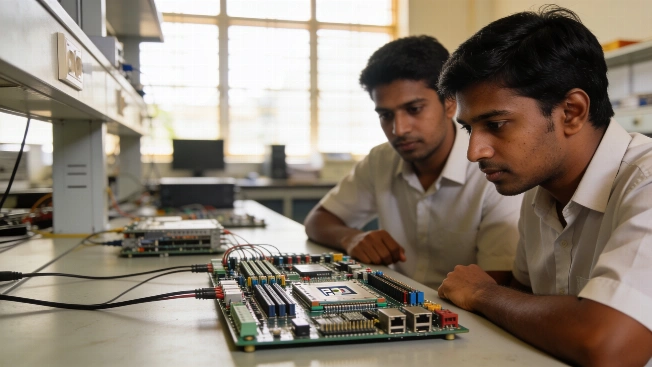
Yenepoya Plans Quantum AI Hardware Lab in Mangaluru
Yenepoya University and REYRA AI plan a Mangaluru laboratory for quantum-inspired hardware and software while preparing students and faculty through certificate courses in quantum computing and quantum machine learning.

SK Telecom Builds a Digital Twin for Quantum Networks
SK Telecom and KISTI demonstrated a standards-compatible digital twin that lets engineers examine quantum-network configurations before installing physical QKD hardware. The demonstration reported no new secret-basic rate or distance results, and no security certification.
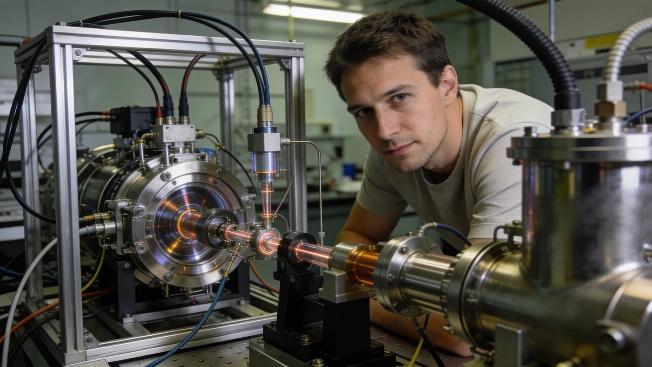
Quantum Utility Starts With Chemistry Not Qubit Counts
Matthias Troyer's assessment of quantum computing points to chemistry as the clearest near-term application. Error correction, data movement, hardware architecture and end-to-end cost will determine whether larger systems become scientifically useful.
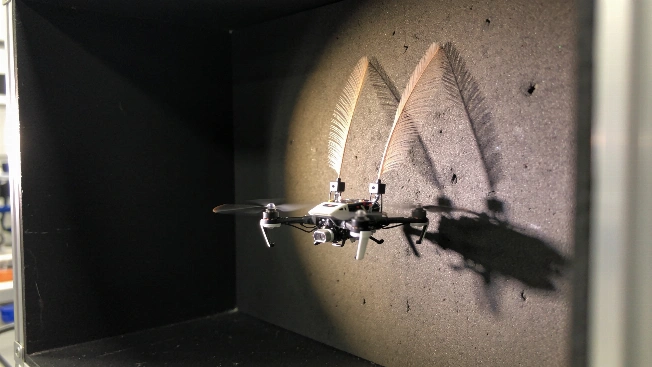
Tiny Drones Navigate Dark Spaces With Artificial Whiskers
Researchers at Delft University of Technology demonstrated a tiny drone that uses pressure-sensitive artificial whiskers to handle clear-wall test environments without relying on visual information.
Part 6 of 18