
Quantum Physics - Part 3
476 reports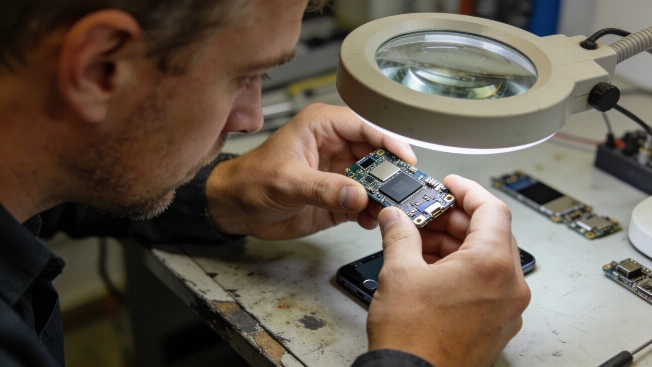
Most Mobile Apps Show No Detectable PQC Code
NowSecure's 90-day assessment found no detectable post-quantum code in most of the iOS and Android app binaries it examined. The findings expose a mobile inventory gap while underscoring the limits of binary detection
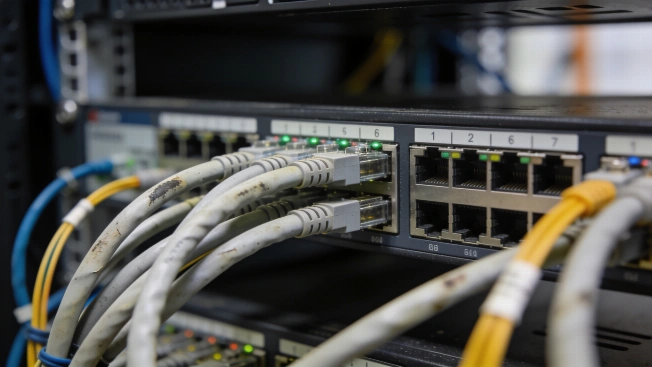
Toshiba Targets Lit-Fiber Quantum-Safe Networks
Toshiba's network design uses optical switching and DWDM to carry quantum-key channels over lit fiber. A Singapore demonstration also linked hybrid keys to enterprise IPsec VPNs
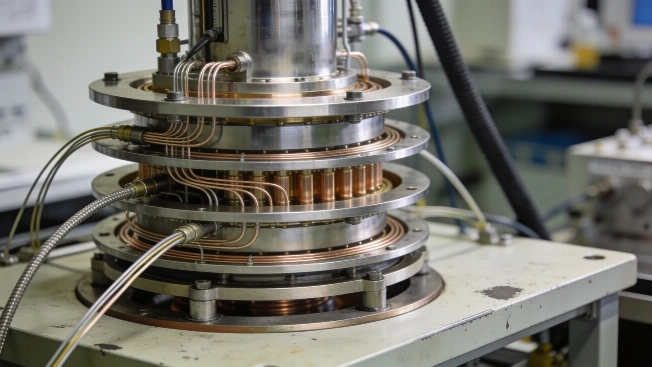
IBM Hardware Appears Across Japan's Nine Quantum Challenge Winners
NEDO's first-season results show how teams deployed IBM Quantum systems across industrial problem tracks, while judges left top awards in two categories unfilled under their standard for verifiable quantum advantage
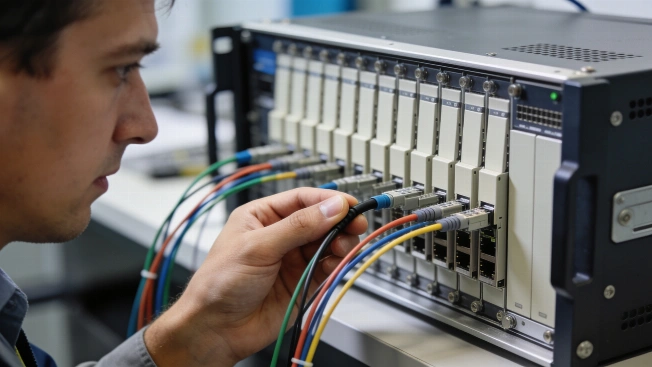
South Korea's Quantum Testbed Plan Sets a 2028 Network Goal
South Korea has begun a three-year effort to extend quantum communications testbeds beyond Seoul, Pangyo and Daejeon. Its 2028 network goal is a plan, not yet a reported performance result
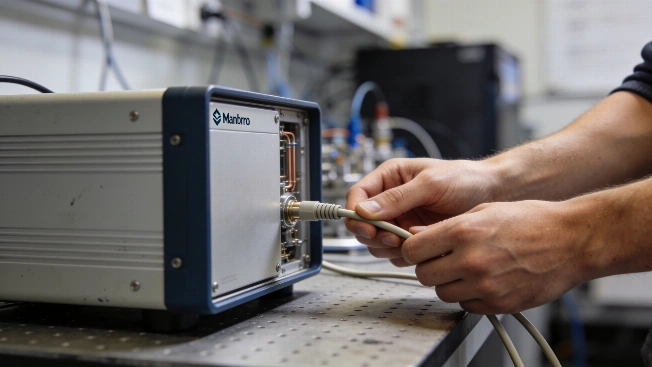
Ericsson and ÉTS Target Noise in Quantum Telecom Algorithms
The Montreal project will explore whether controlled dissipation can limit barren plateaus in variational quantum circuits. Its announcement reports no hardware benchmarks or performance figures
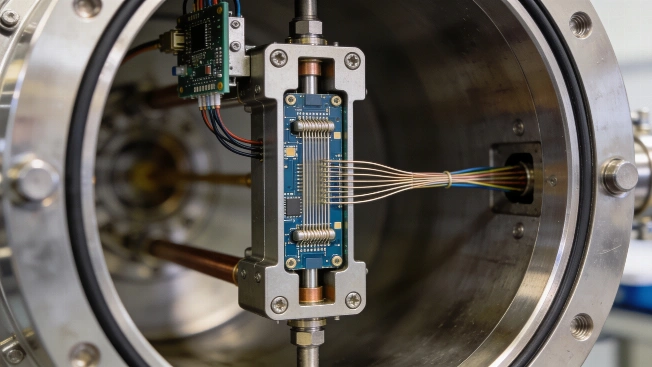
Cryogenic Control Could Ease Wiring in 2D Ion Processors
The Swiss startup's 2D trapped-ion design faces a control-wiring bottleneck as arrays grow. A new agreement targets electronics near the qubits, but the announcement reports no integrated-system performance data
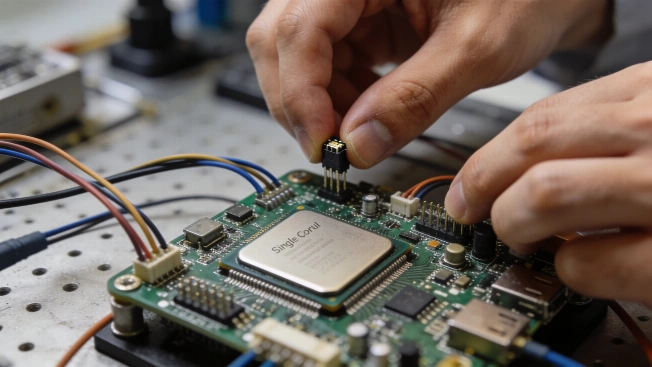
Google's Quantum Circuit Contest Relies on Classical Verification
The Kaggle challenge tests whether AI agents can shrink fault-tolerant algorithm subroutines while a classical verifier checks candidate circuits at high speed. It is a software competition, not a quantum-hardware demonstration
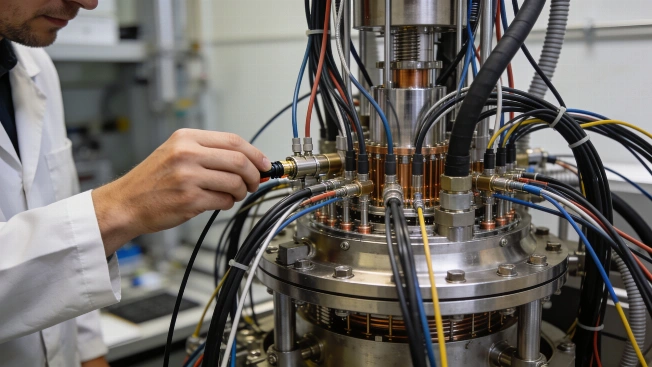
Surface-Code Decoding Can Lose a Unit of Distance
A Leiden University-Riverlane preprint traces unexpected logical failures to over-aggressive cross-subgraph reweighting. Its proposed rate-dependent adjustment can be prepared before decoding begins without adding pass-time latency
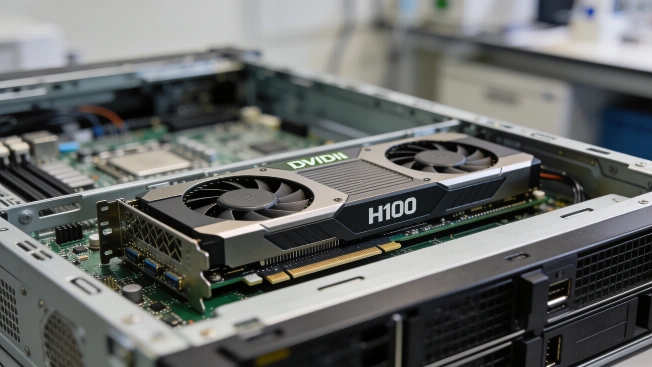
NVIDIA GPU Cuts Riverlane Decoder Recalibration to Seconds
Riverlane says an NVIDIA H100 reduced a surface-code decoder training cycle from three minutes on one CPU core to 2.8 seconds, speeding recalibration before quantum experiments
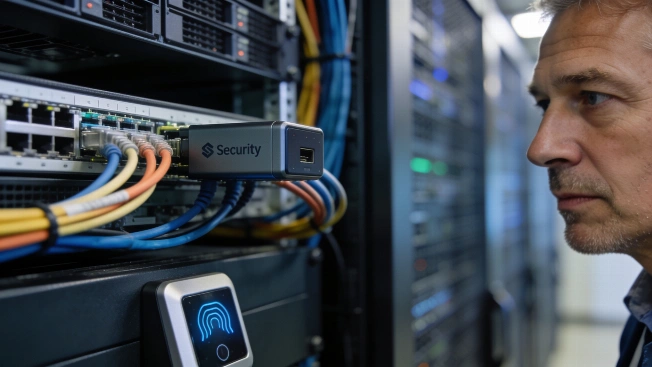
Plurilock Vote Puts Quantum eMotion Deal in Shareholders' Hands
Plurilock shareholders are due to vote on November 18 on a C$33.8 million deal that would pay 30% in cash and 70% in Quantum eMotion shares; the announcement provides no performance figures for the security technology
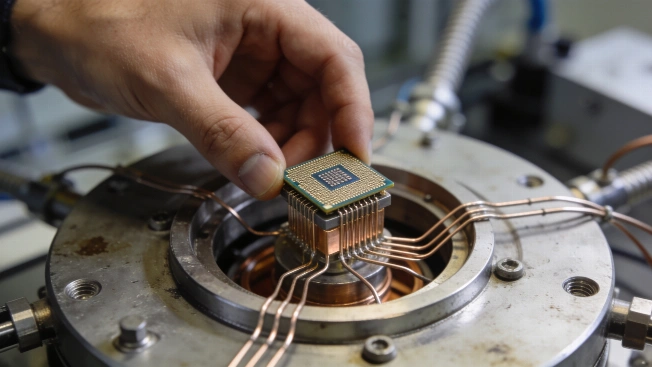
Alice & Bob Tests Cat Qubits in France's PROQCIMA Program
France's expanded quantum roadmap sets a 1,000-logical-qubit target for 2032. Alice & Bob reports testing its cat-qubit architecture on three superconducting chips, without publishing performance figures in the available summary
Claude Mythos 5 cuts quantum circuit gate count 17-fold
In a 53-hour experiment, Anthropic's model developed a way to reconstruct branching decisions in elliptic-curve arithmetic, reducing the gates in one circuit design while using slightly more qubits
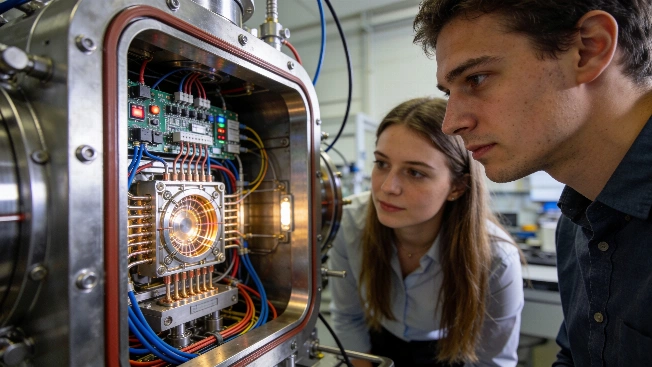
Kipu Quantum and NTT DATA Set QML Expansion Plan
At Komatsu Peru, Kipu Quantum says its algorithms informed predictive-maintenance decisions under operating conditions. Its agreement with NTT DATA adds software access and staff training, but the announcement reports no performance figures
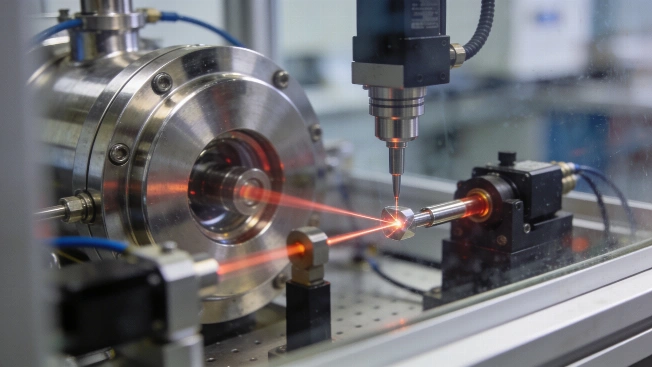
Taiyi Quantum's Neutral-Atom Prototype Reaches Full Integration
Taiyi Quantum says it integrated its first ytterbium-171 neutral-atom QPU within six months of founding. Its financing update reports a sub-10-microsecond control loop but leaves key processor performance measures unreported
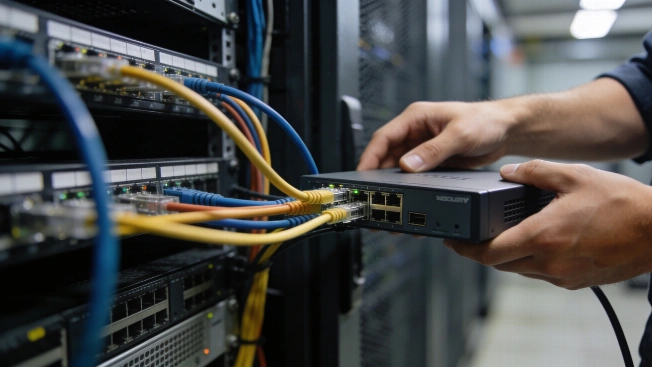
Quantum Security Tests Banks' Cryptoagility
Cybersecurity veteran Joel Van Dyk argues that a bank's cryptographic overhaul could take about a decade while a machine able to threaten current algorithms may arrive sooner. His proposed proxy is meant to protect traffic during the transition
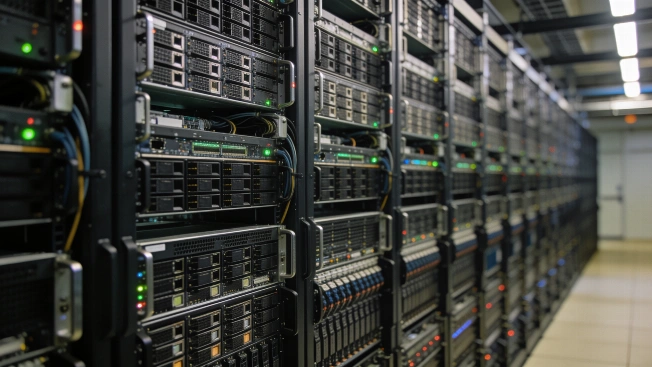
JUPITER Simulates a 104-Qubit Magic-State Protocol
Using 8,192 GPUs on JUPITER, NVIDIA and Jülich modeled a 104-qubit magic state cultivation protocol with leakage and hardware noise. The result tests a route to lower qubit overhead, not a quantum processor running the computation
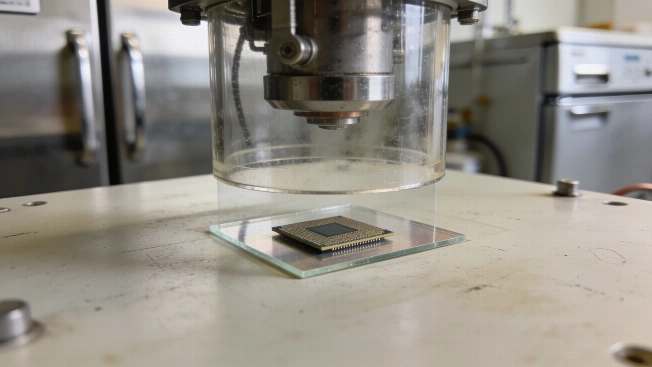
EeroQ bets on helium-bound electrons for quantum scaling
EeroQ aims to hold electron spins above superfluid helium on a semiconductor chip. The company reports charge-qubit work so far; its 10,000-qubit system remains a target rather than a demonstrated machine
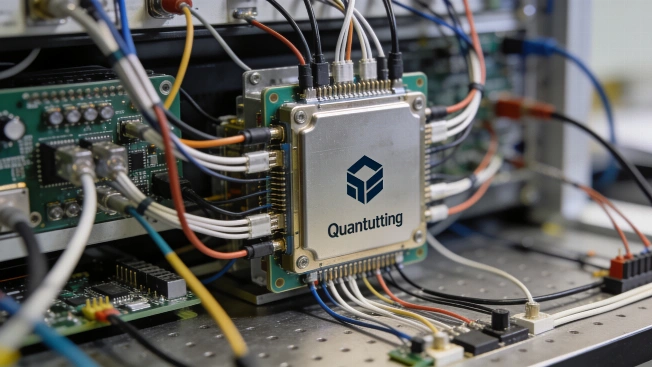
Quantum Optimization Review Finds Baseline Gaps and Hardware Limits
A review of 119 papers finds that AI can help limit quantum hardware calls and handle constraints, while practical advantages from quantum components inside AI models remain unproven on current hardware
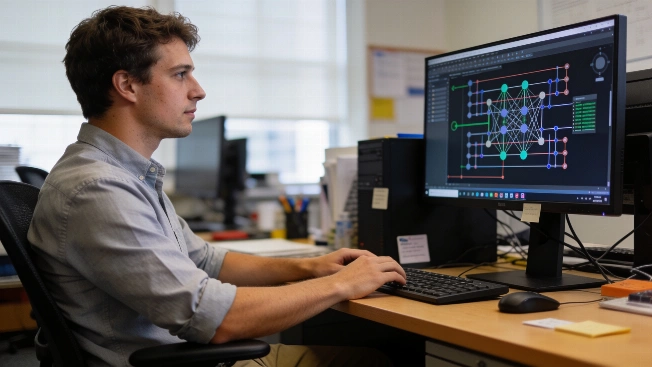
LLMs Cut Estimated Quantum Circuit Costs by Up to 9,100x
A classical evaluator checked LLM-written circuit programs and ranked them by Toffoli count multiplied by peak qubit use. The reported savings are algorithmic resource estimates, not results from quantum-hardware runs.
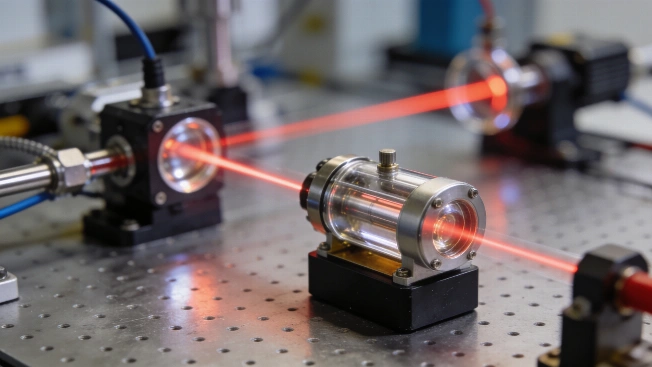
QC3 Makes Hardware Partnerships a Gate for Chemistry Research
A $37 million federal quantum-chemistry program requires applicants to partner with hardware providers. Neutral-atom developer QuEra Computing was selected for co-design work on projects with LBNL and LLNL, alongside Phasecraft.
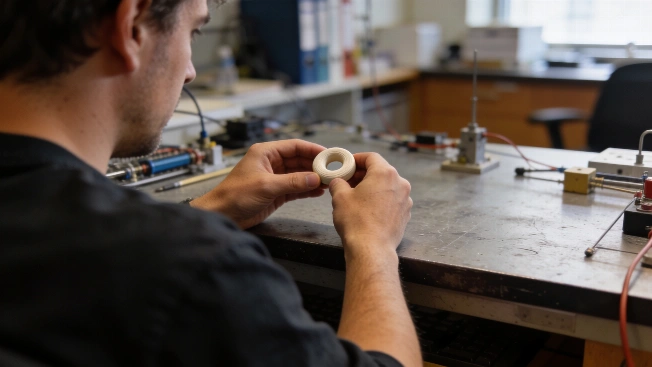
AI Wavefunction Favors the Anti-Pfaffian at ν = 3/2
A real-space neural-network calculation finds signatures of Ising anyons in a ν = 3/2 electron system and favors anti-Pfaffian order as Landau-level mixing grows; the result is theoretical, not an experimental observation
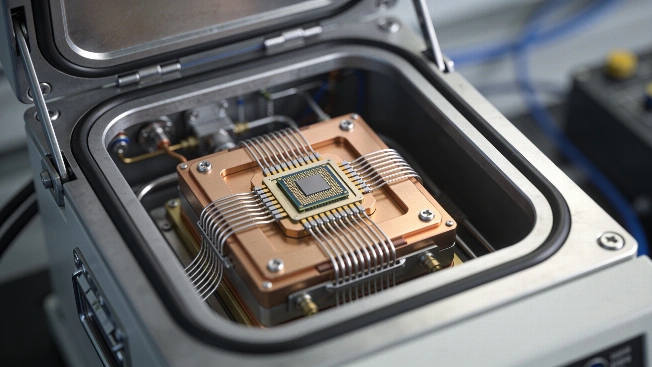
D-Wave Maps 3D Topology Across 728 Qubits
A D-Wave team reconstructed quantum dynamics on an Advantage2 processor to examine higher-order topological phases. The arXiv study reports corner-localized charge deficits and a quantized 3D invariant.
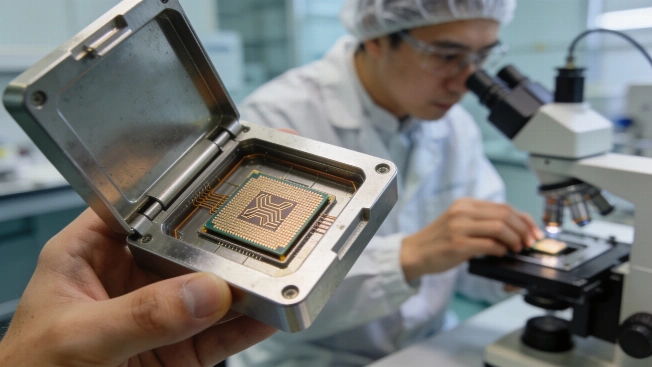
QiB1 Chip Maintains Performance Across Two Testbeds
A Gothenburg-made superconducting processor was evaluated at facilities in Sweden and Singapore. The reported tests found no loss of functional performance across the two sites, though detailed measurements have not yet been presented.
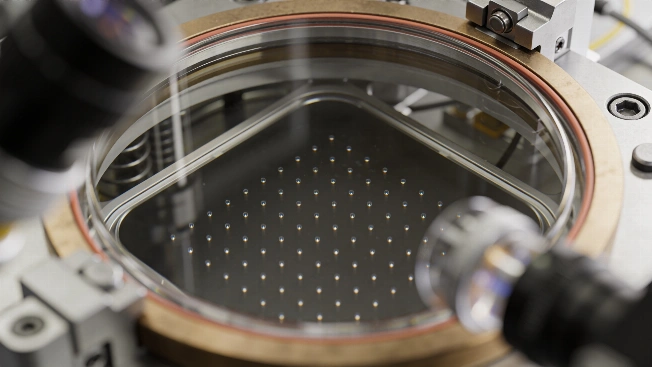
Neutral-Atom Features Improve Molecular Toxicity Scores
Kipu Quantum reports higher balanced accuracy and F1 scores when classical classifiers use features extracted from a 200-atom neutral-atom array. The benchmark tests toxicity classification, not a quantum computer's general advantage.
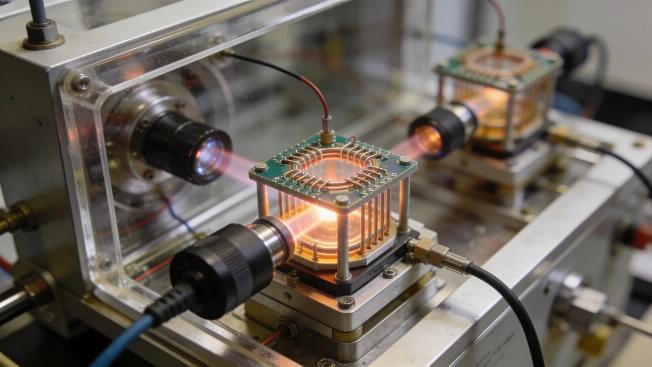
Calcium qubits hold network entanglement for 14 seconds
Oxford researchers linked trapped-ion modules using interfering strontium photons, then transferred the shared quantum state to calcium memory qubits. The measured storage time greatly exceeded the network's average entanglement-generation interval.

Quantum mechanics sets a floor for thermalization
Researchers derive an approximate ℏ/(2kBT) timescale for quantum systems under a general thermalization rule. The result is mathematical, and its scope depends on how broadly the machine must work.
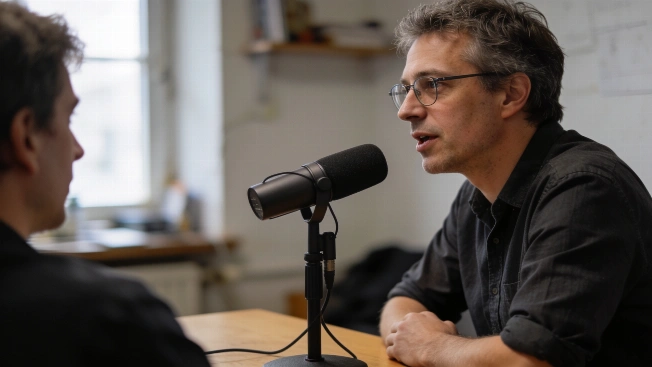
Ignacio Cirac warns against quantum hype as Europe weighs its future
In a Physics World Weekly podcast, Ignacio Cirac discusses his 1990s work with Peter Zoller on trapped-ion systems and today's qubit approaches, while weighing quantum hype against Europe's need for sustained research investment.
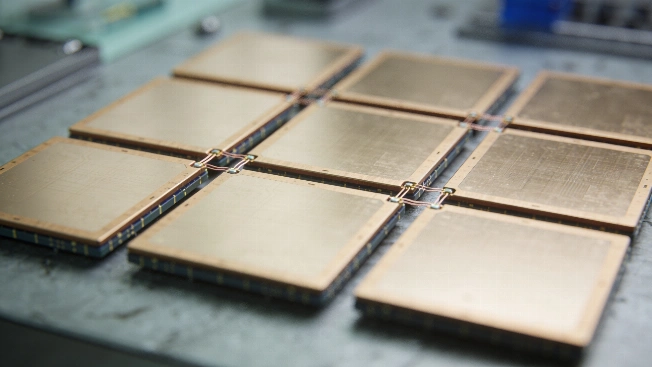
Flat quantum modules cut simulated QEC overhead by over 30-fold
A proposed modular code links 72-qubit and 116-qubit planar modules across sparse seams. Circuit-level simulations tested whether logical errors stay low when those links are noisier than on-chip gates.
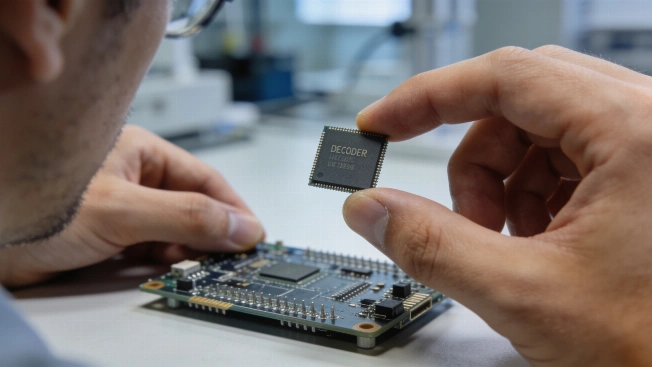
Open AI Agents Cut QEC Decoder Inference Costs 11.5-Fold
IBM Research used a coordinator and four worker agents to restructure Relay-BP decoder code for a qLDPC code. The reported speedups are hardware-design estimates and do not demonstrate performance from a fabricated chip.
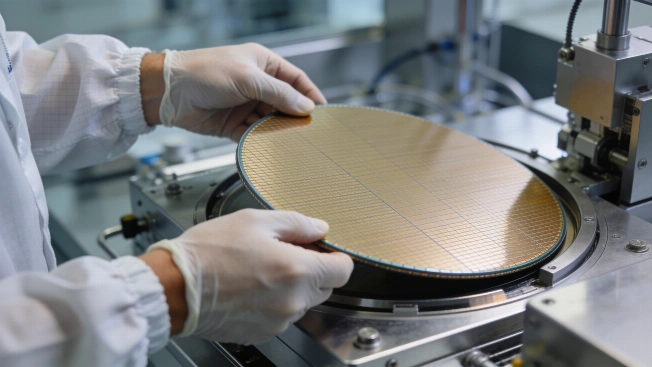
Anderon's New PDK Targets 300mm Superconducting Qubit Fabrication
Anderon has opened licensing for a design kit based on IBM's superconducting qubit process. Its Albany facility has processed more than 10,000 300mm wafers, but the release reports no qubit performance data.
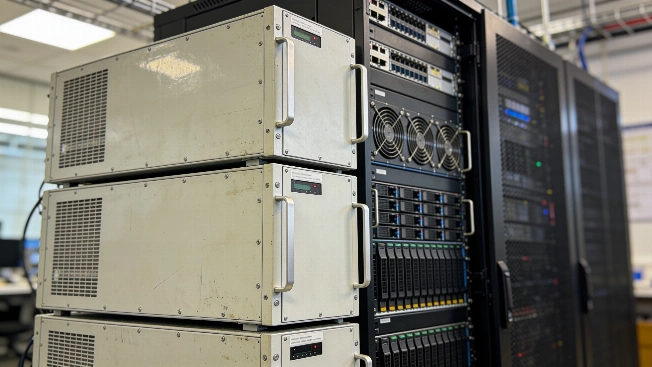
ORCA's PT-3 Brings Photonic Quantum Hardware Into London
A room-temperature PT-3 system is running alongside NVIDIA GPUs at a London new idea lab. ORCA reports results in protein design and energy scheduling, though its announcement leaves basic benchmark methods and comparative details unspecified.
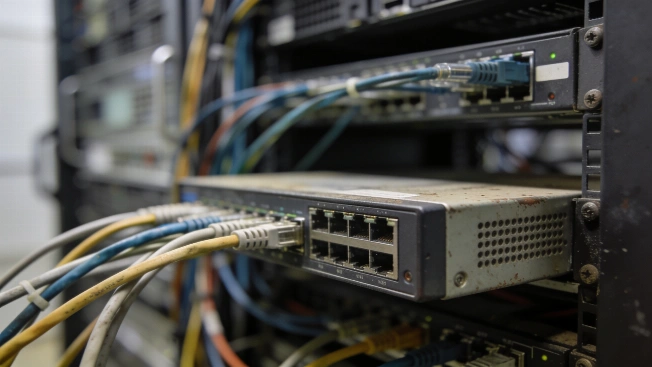
Blockchain signatures face a post-quantum size problem
Terra Quantum's analysis compares signature sizes for blockchain use and reviews mitigation plans across Solana, Algorand and Ethereum. Its preferred compact option remains under draft standardization.
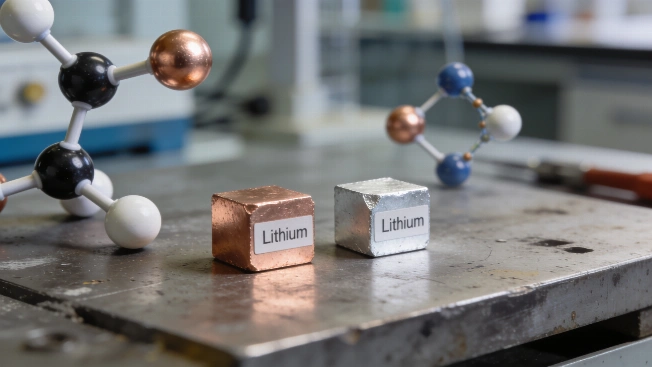
Hybrid Quantum Model Leads on Copper-Lithium Force Accuracy
A peer-reviewed study reports that a quantum-classical version of Allegro predicted forces more accurately than its classical counterpart on a copper-lithium dataset, while transferred settings also held up on two organic benchmarks
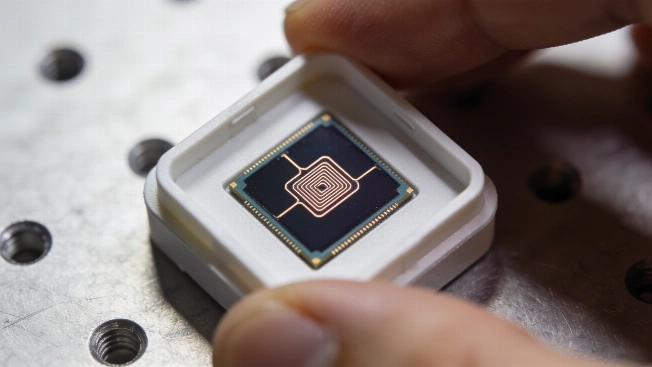
Spin Waves Deliver 4 dB Isolation on a Chip
An Argonne and UIUC team coupled propagating spin waves to a superconducting resonator on one chip, reporting 4 dB of power isolation at a specific transmission peak. The result is a proof of concept, not a complete microwave isolator.
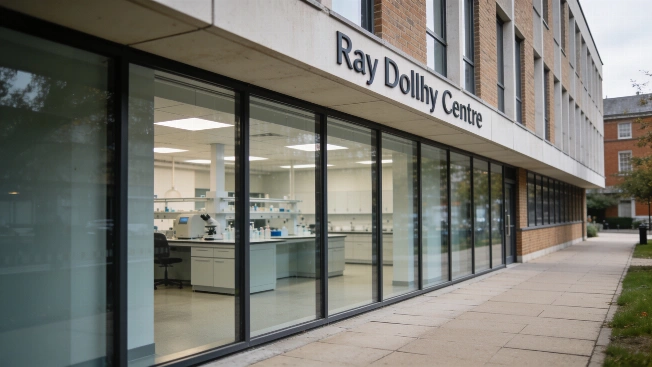
Cambridge Opens IonQ Centre With a 256-Qubit Plan
Cambridge's new IonQ centre is set to pair a planned 256-qubit Superion computer with campus entanglement links. Innovate UK will arrange three years of computing access for the National Quantum Computing Centre.
Part 3 of 14