
Research Ethics
6 reportsImplementation data and review records are considered together as the evidence changes. The resulting analysis addresses how requirements are implemented and how ethical approval works, noting where jurisdiction, resources, or data gaps limit evaluation.
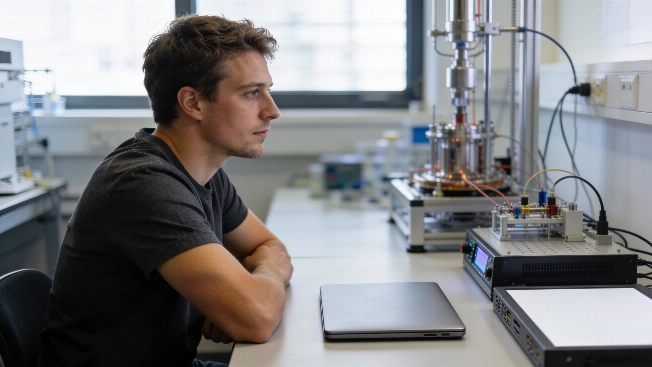
Quantum Software Survey Maps the People Behind the Field
The Unitary Foundation has opened its 2026 Quantum Open Source Software survey to map demographics, research, tools and platforms while building a public record of how the community changes.
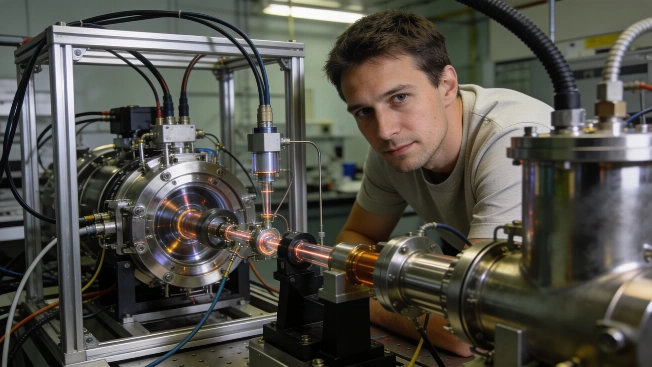
Quantum Utility Starts With Chemistry Not Qubit Counts
Matthias Troyer's assessment of quantum computing points to chemistry as the clearest near-term application while error correction, data movement, hardware architecture and end-to-end cost determine whether larger systems will become scientifically useful.

Anthropic Researcher Resigns Over Unchecked AI Race and Safety Risks
A leading Anthropic researcher has resigned, warning that the current corporate race to develop advanced AI systems could pose a greater threat to humanity than nuclear conflict or climate change. The call for a global pause exposes deep industry anxiety
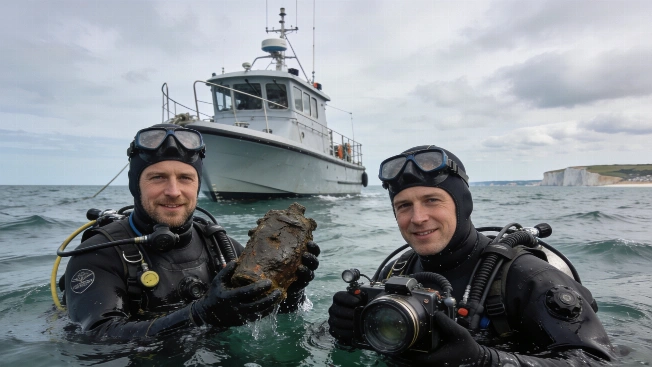
Wreck of HMS Tiger Identified After 118 Years in English Channel
Archaeologists and maritime historians have located the remains of HMS Tiger, a Royal Navy destroyer lost in 1908, using archival research and underwater survey methods. The find highlights evolving legal protections for historic military wrecks
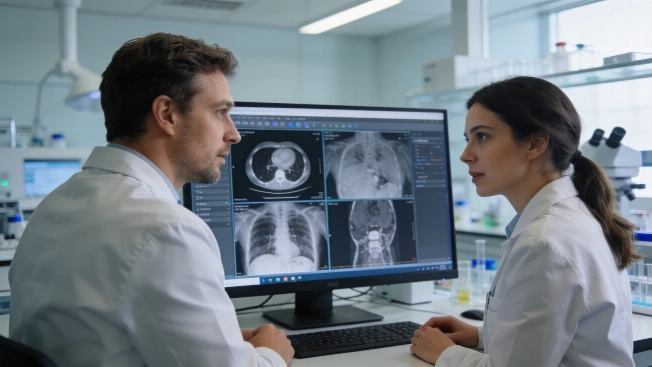
Medical AI Models Face Higher Patient Privacy Risks Than Expected
A new peer-reviewed study finds that diagnostic medical AI models can leak sensitive patient information at rates far above previous estimates, raising concerns about privacy, data security, and the need for robust technical safeguards in clinical machine learning.
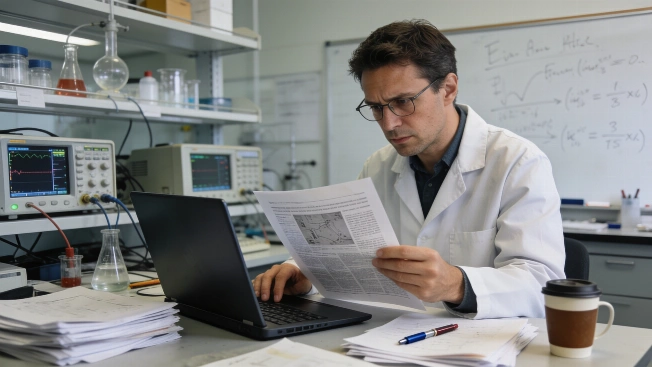
AI-Generated Content Challenges Scientific Integrity in Physics Publishing
The rise of large language models is introducing fabricated references and unverifiable data into scientific literature, forcing physicists to scrutinize sources and reinforce core research skills to maintain trust in published results