At a White House briefing, Donald Trump threatened steep penalties for US firms building AI data centers abroad but gave no tax formula; the Senate separately approved a bill aimed at easing domestic power-project permitting
The domestic buildout Trump wants is running into a practical constraint: communities are pushing back over electricity demand and local costs. An Associated Press poll in 2026 found that about three-quarters of U.S. voters opposed building a new data center in their community. A majority also said they were "extremely" or "very" concerned about effects on electricity prices or water supplies.
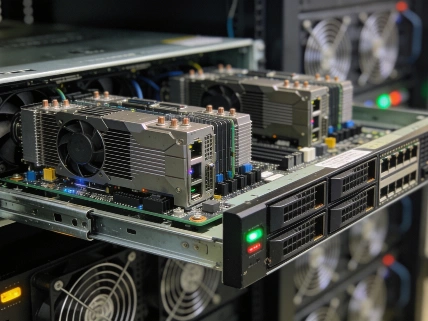
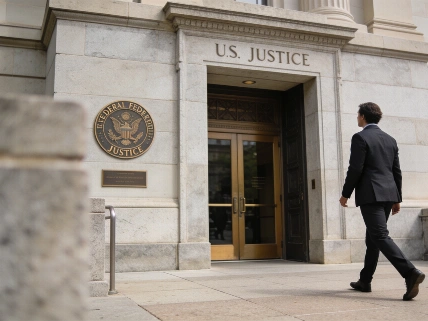
On November 20, President Donald Trump told reporters at a White House briefing that U.S. technology companies building AI data centers abroad could face "a tremendous tax." He argued that overseas facilities could give China greater access to advanced computing infrastructure, while describing the United States as ahead of China in developing "super intelligence."
Trump gave no proposed tax rate, legal authority, timetable or enforcement agency, and said he had not yet discussed the plan with members of his administration. No executive order, bill or agency rule establishing the threatened penalty accompanied the announcement.
"You ought to take advantage of the data centers," Trump said, urging local officials to negotiate payments for their communities rather than block construction.
That push for local support comes as residents question whether data centers' economic benefits justify the strain on power networks and other local infrastructure. Google and Meta executives told The Associated Press their companies are working to improve communication with communities. Developers have also offered financial contributions and environmental commitments.
China concerns around AI have also featured in reporting on AI surveillance and predictive profiling.
On November 19, the Senate passed the Bipartisan American Affordability and Jobs Act, S. 5653, by a 62-33 vote. Sponsored by Senator Shelly Moore Capito, the legislation would accelerate federal permitting for power plants, transmission lines, hydropower projects and other energy infrastructure. The Senate bill was sent to the House for consideration.
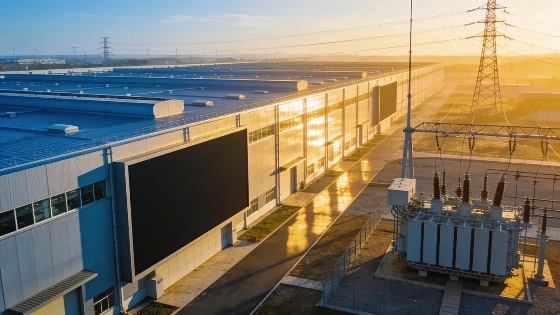
The measure would tighten timelines for environmental reviews and court challenges, expand the Federal Energy Regulatory Commission's authority over certain interstate transmission projects, and establish protections against shifting data-center-related grid costs to other utility customers. It would require large computational facilities to cover more of the transmission and grid-upgrade costs associated with their power demand. Senator Sheldon Whitehouse said the legislation would require current and future data centers to pay for the upgrades their electricity consumption requires, rather than passing those costs on to families and small businesses.
The Senate's approval did not enact the bill. In a statement urging House passage, Whitehouse described the proposal as a way to "end data center free-loading."