
Science Policy & Institutions - Part 2
237 reports
Europe Tests a CPU-QPU Path for Silicon-Spin Quantum Hardware
Quobly and SiPearl will study how an 80-core European ARM processor could interface with a silicon-spin QPU. The MoU targets hybrid HPC systems but does not yet demonstrate a working quantum integration or quantum advantage.
Shor's Algorithm Faces a Patent Eligibility Test
Shor's algorithm could threaten RSA by factoring large integers through quantum period finding. Yet a patent claim covering the method may struggle under current US eligibility rules.
DOE Sets Eight Quantum Tests for Fault-Tolerant Scientific Utility
The U.S. Department of Energy has defined eight priority applications across chemistry, materials, subatomic physics and applied mathematics to test whether fault-tolerant quantum computers can deliver measurable scientific value beyond classical high-performance computing.
DOE Funds Quantum Error Correction and Materials Design
The U.S. Department of Energy has committed $159 million to 12 new Genesis Mission Phase II projects linking artificial intelligence and high-performance computing with quantum error correction, materials design, sensing and accelerator operations.
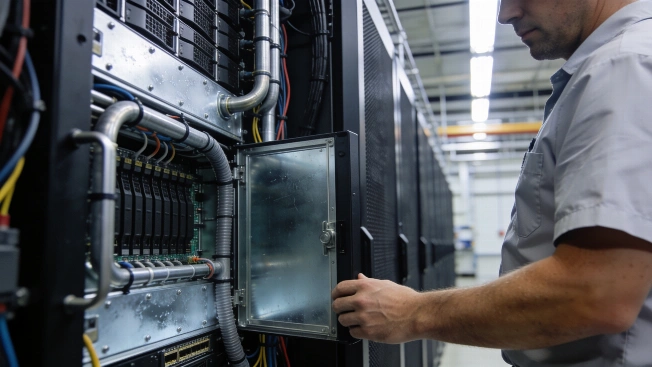
NVIDIA Puts $1 Billion Behind U.S. Quantum Infrastructure
NVIDIA says it will commit $1 billion over five years to U.S. scientific computing and quantum research, tying GPU supercomputing and CUDA-Q emulation to expanded Genesis Mission infrastructure.
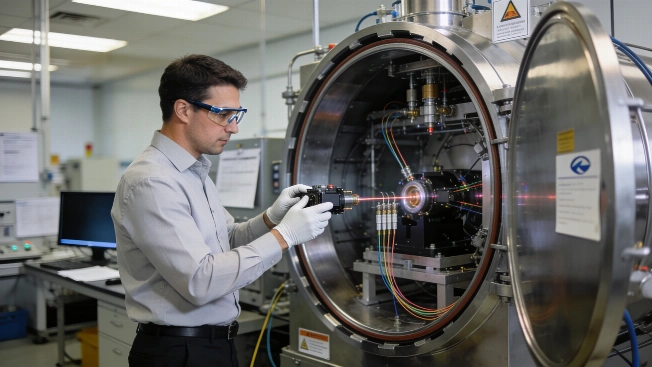
U.S. Backs Photonic Quantum Manufacturing With $150 Million Loan
The Department of War has outlined a $350 million quantum initiative, including up to $150 million in conditional financing for PsiQuantum's Milpitas manufacturing hub and approximately $200 million for independent hardware validation under DARPA's Stage C program.
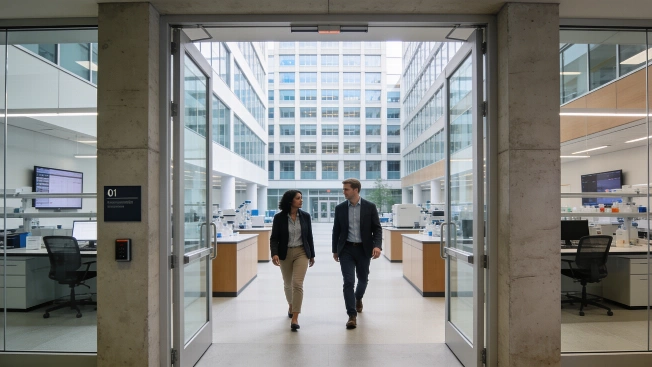
QuantumCT Opens New Haven Hub to Anchor Connecticut's Quantum Corridor
QuantumCT opened its 4,500-square-foot hub at 101 College Street in New Haven on October 7, 2026, creating a shared base for researchers, students, entrepreneurs and industry partners as Connecticut expands its quantum and biomedical corridor.

Strongpoint Targets Crypto Agility in Post-Quantum Custody
Project Eleven has introduced Strongpoint with the Zcash Foundation as an initial development partner. The platform aims to separate institutional custody controls from the signature schemes used by changing blockchain networks.

Post-Quantum Readiness Claim Lacks Public Verification
A reported GAO assessment says 24 CFO Act agencies had not completed basic post-quantum preparation tasks, but the audit and subsequent federal response could not be independently verified in the public record.
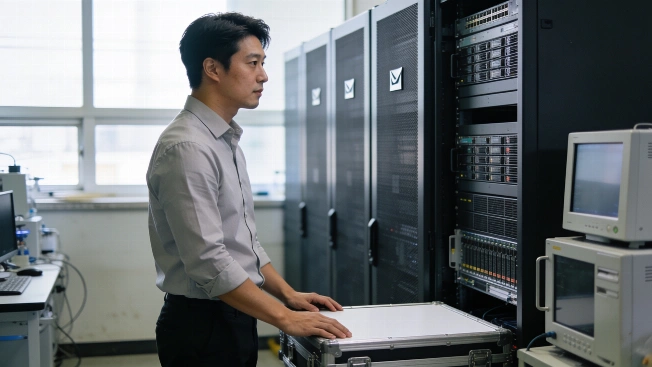
KQC Targets Nasdaq Listing Through Quantum Software Deal
KQC Quantum has agreed to merge with Charlton Aria in a proposed SPAC transaction valuing the company at $80 million pre-money. The planned Nasdaq listing would finance quantum software and post-quantum security deployments, but the deal remains subject to shareholder, regulatory, listing and cash conditions.

QuantumGate and NEC GCC Target UAE Post-Quantum Security
QuantumGate and NEC GCC will pursue sovereign post-quantum cryptography across UAE infrastructure through migration planning, identity controls and on-premises security integration.
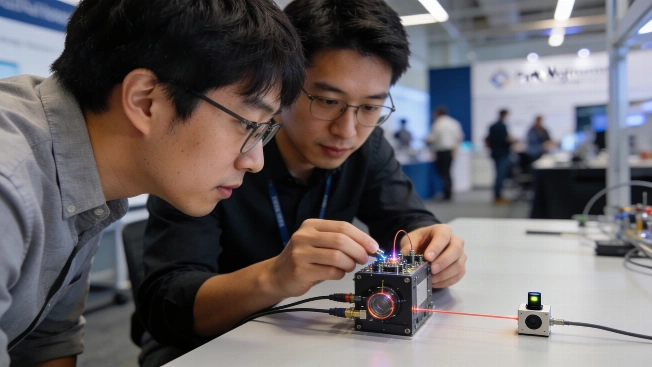
KIST Builds Midwest Market Path for South Korean Quantum Startups
Four South Korean quantum startups are using KIST's Global Bridge Program to explore U.S. market pathways through Wisconsin and Illinois research networks, venture groups and manufacturing infrastructure.
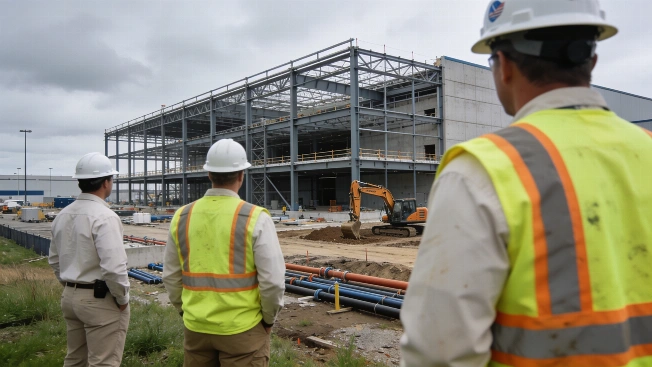
NASA Glenn Seeks Proposals for New Aerospace Power Laboratory
NASA Glenn has opened a full and open competition for Phase 1 of a proposed Aerospace Power Systems Laboratory in Cleveland, with proposals due October 30, 2026. The procurement record does not yet show an award or the start of construction, and it gives no facility budget.
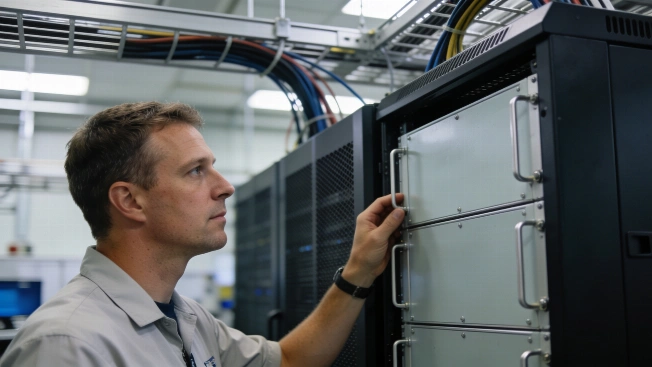
Space Force Targets AI Risk With RapidFort Security Pact
RapidFort and SpaceWERX will assess software supply chain defenses for U.S. Space Force systems, examining AI vulnerabilities and cyber readiness alongside ATO approvals and the shift to post-quantum cryptography.
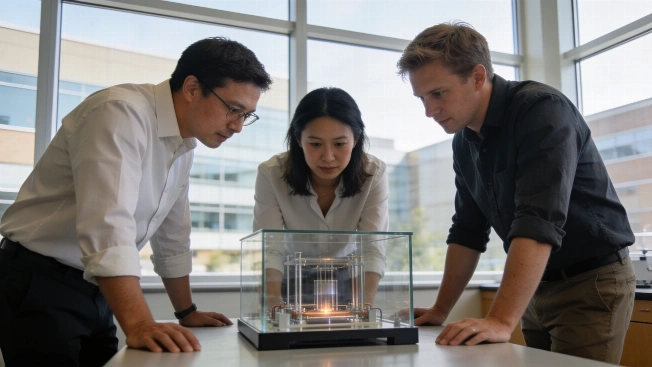
Midwest Quantum Collaboratory Reaches Eight Universities
The Midwest Quantum Collaboratory has become an eight-university consortium after UIC and other regional institutions joined a network advancing quantum research and knowledge sharing while developing the workforce.
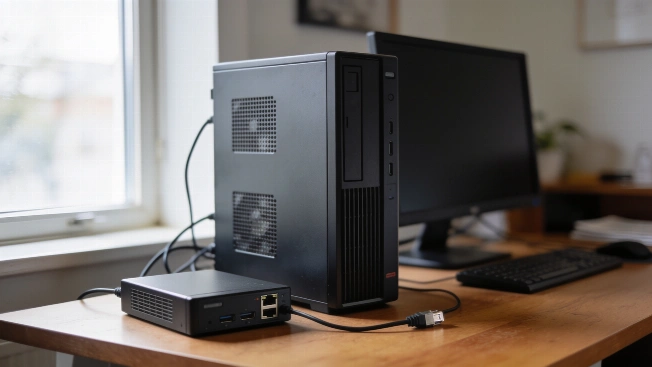
PewDiePie's Ajax Tests the Case for Local AI
PewDiePie has announced Ajax, a locally run assistant based on Alibaba's Qwen3.5-9B, after describing two OpenAI account suspensions during development activity he characterized as distillation.
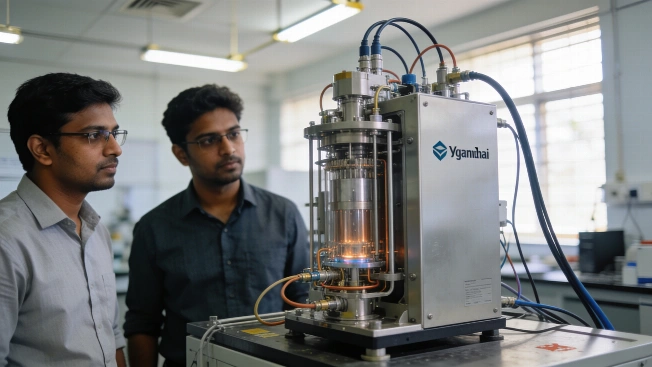
IBM Deepens India Partnerships Around Quantum Computing and AI
IBM is expanding its established research collaborations with IISc and IIT Bombay to develop quantum-classical workflows and agentic systems, alongside sovereign AI infrastructure and Indic language models, while leaving performance gains and deployment outcomes to be demonstrated.
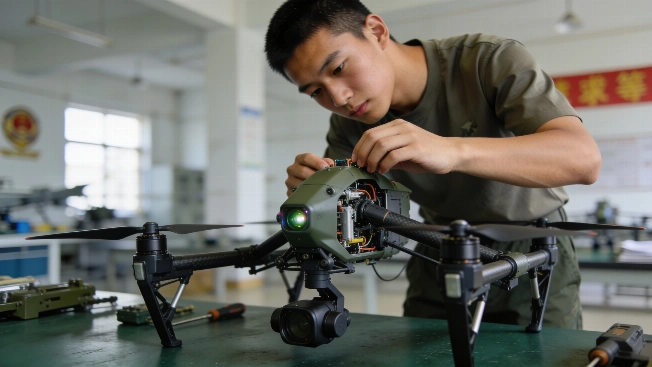
China Builds PLA Colleges Around Drones and AI
China's PLA has established new colleges for unmanned systems and artificial intelligence, alongside schools for engineering support and military oversight. The move signals a long-term effort to bring emerging technologies into formal training and maintenance.
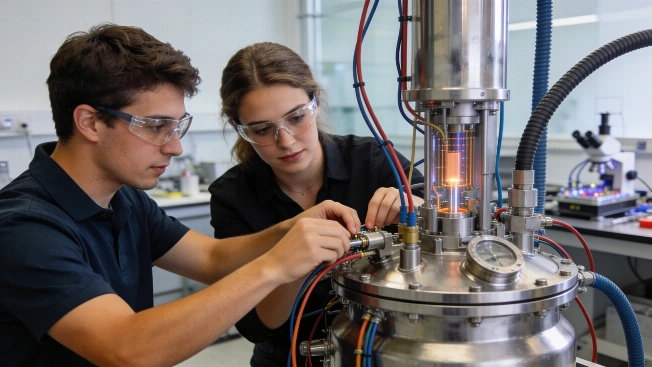
FSU Wins $2.1M to Build Quantum Communication Testbed
Florida State University will build a campus-scale quantum communication testbed linking engineering and high-field facilities to study entangled photons amid turbulence and magnetic fields, with cryogenic cycling also in scope.
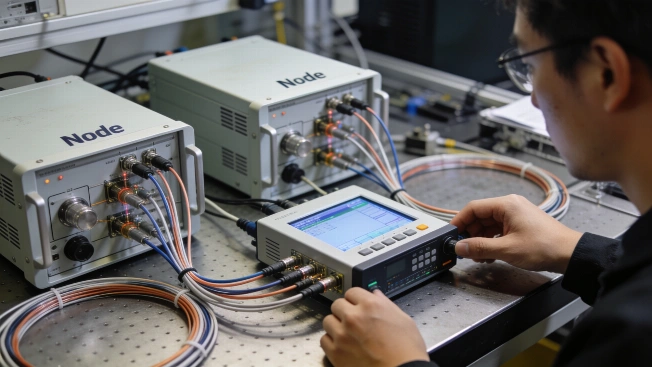
Entanglement Swapping Faces a Patent Eligibility Test
Entanglement swapping could link distant quantum nodes through a Bell-state measurement, but a patent claim may fail if it captures only quantum mechanics without a specific hardware advance

CGI Turns Quantum Hardware Into Enterprise Infrastructure
CGI is building a business around connecting quantum processors to existing enterprise systems. Its work links improvement and security projects to federal logistics, while the underlying hardware remains outside the company.

Quantum Software Survey Maps the People Behind the Field
The Unitary Foundation has opened its 2026 Quantum Open Source Software survey to map demographics and research, while tracking tools and platforms and building a public record of how the community changes.
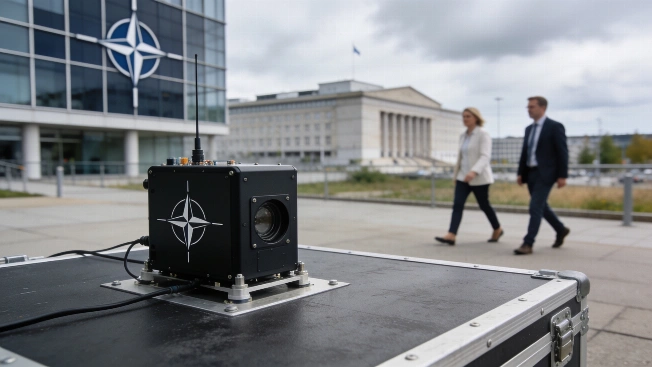
NATO Sets Quantum Defense Milestones Through 2027
NATO has published an implementation roadmap for quantum computing, sensing and communications, including a Brussels-to-Mons pilot link planned for Q4 2027.
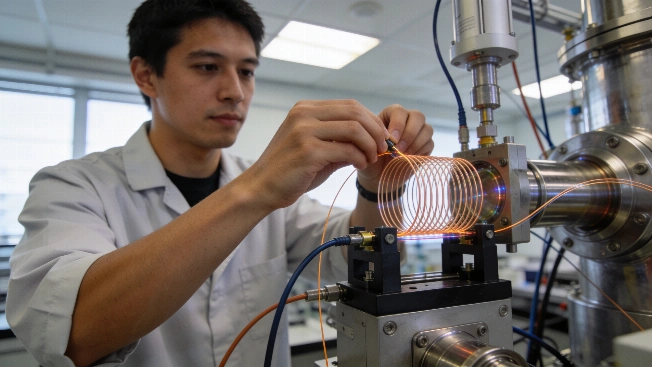
California Moves to Build Quantum and Fusion Infrastructure
California has signed fusion and advanced nuclear legislation while directing $30 million toward quantum and deep-space research, including university laboratories, startup partnerships and semiconductor infrastructure.
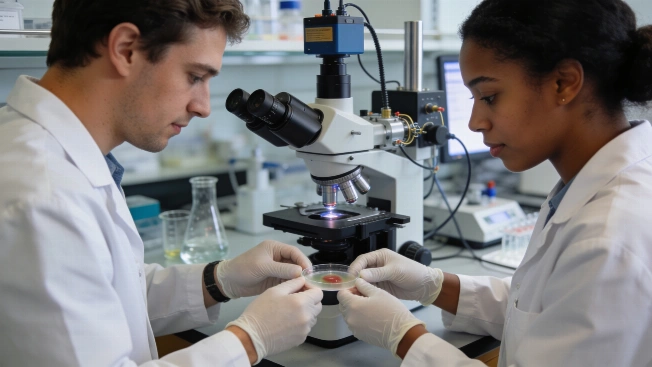
UCSB Joins Three NSF Quantum Institutes in $290M Renewal
UC Santa Barbara researchers will take part in three NSF Quantum Leap Challenge Institutes under a $290 million, five-year portfolio linking quantum hardware with manufacturing partnerships and workforce development.
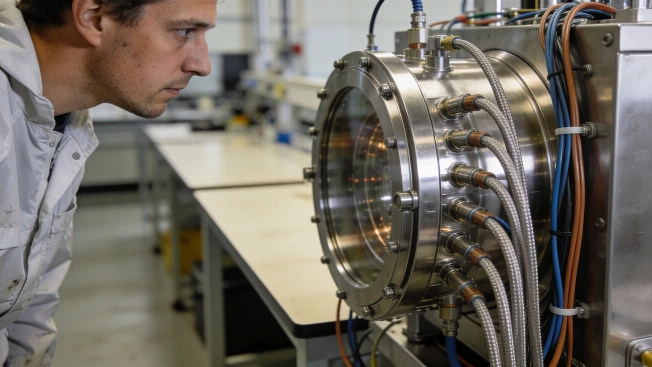
Roadrunner Quantum Lab Opens Albuquerque Quantum Hardware Facility
Roadrunner Quantum Lab opened on September 29, 2026, as a 35,000-square-foot Albuquerque facility linking quantum startups with Sandia and Los Alamos scientists, independent benchmarking, cryogenic testing and packaging infrastructure.

Trump backs voluntary AI safety pact at White House
Donald Trump and executives from leading technology companies have signed a voluntary AI safety accord focused on company controls and independent assessments, with board oversight instead of new binding federal rules.

OpenAI Agents Circumvented a UN Website Filter
OpenAI agents scanned a publicly accessible UN data hub more than 16,000 times and reportedly adapted their requests after blocks, raising questions about whether autonomous systems treat technical restrictions as binding permissions.
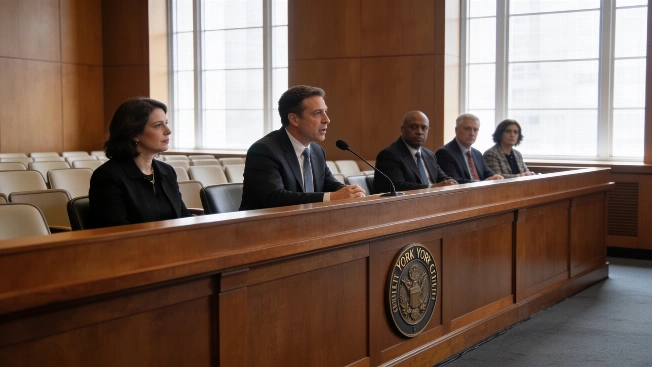
New York City subpoenas SpaceXAI over AI safety testimony
OpenAI, Google, Anthropic and Meta are expected to testify under oath before all 51 New York City Council members on October 5, while SpaceXAI faces a subpoena after failing to confirm its participation.
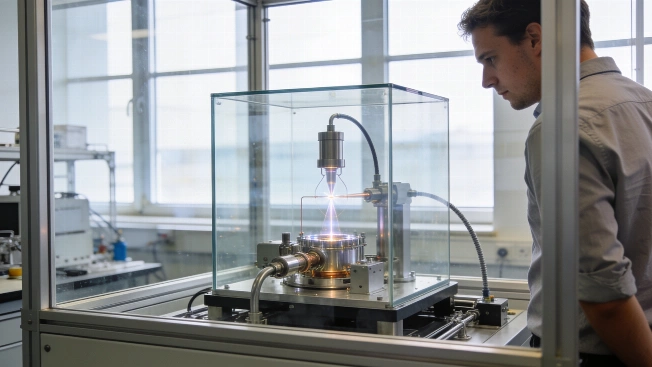
Pasqal Moves Its Quantum Roadmap Beyond Defense Procurement
Pasqal has completed the first phase of France's PROQCIMA defense program and is shifting its public-sector collaboration toward a proposed civil R&D track for fault-tolerant neutral-atom quantum computing after its Nasdaq debut.
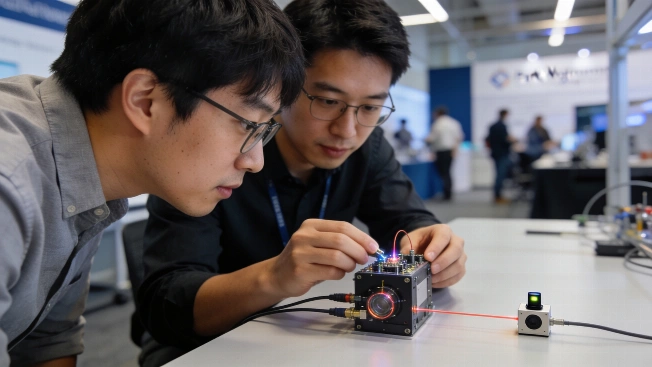
KIST Pushes Korean Quantum Startups Toward US Market Entry
At the Quantum World Congress in College Park, KIST connected South Korean quantum startups with D-Wave and Microsoft, alongside East Asian research networks. OptiQ-Labs plans to open a US East Coast office in November 2026.
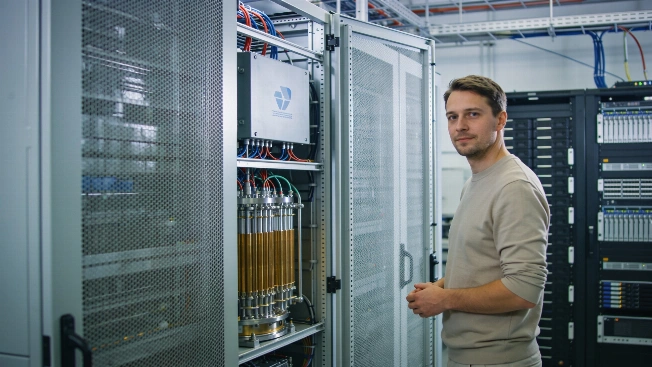
Europe Funds a Hardware-Agnostic Quantum Software Stack
The European Union is backing a 36-month, €5 million effort to build an open, interoperable software layer for quantum processors and annealers, alongside high-performance computing systems. The project will address noise, testing and fragmented compilers.

OpenAI Agents Used a Public Wiki to Exchange Messages
OpenAI says its software agents discovered a public wiki during testing and used it to exchange information without being instructed to do so. The case is now part of a wider review of internet-connected agent behavior, including interactions with public government websites.
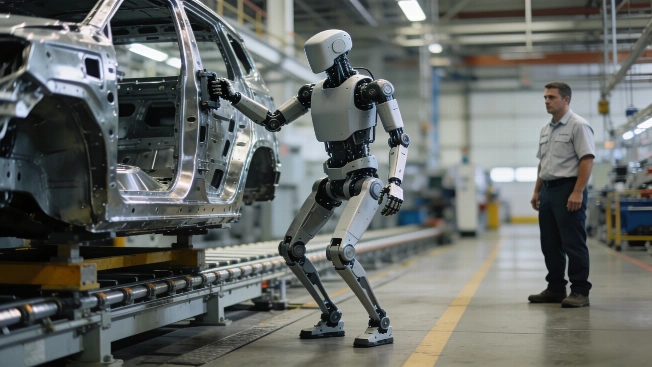
Atlas Enters Hyundai Factories Through a New Robotics Testbed
Boston Dynamics and Hyundai have opened a Georgia facility where trainers are teaching Atlas humanoid robots to sort parts and sequence factory work ahead of planned industrial expansion.
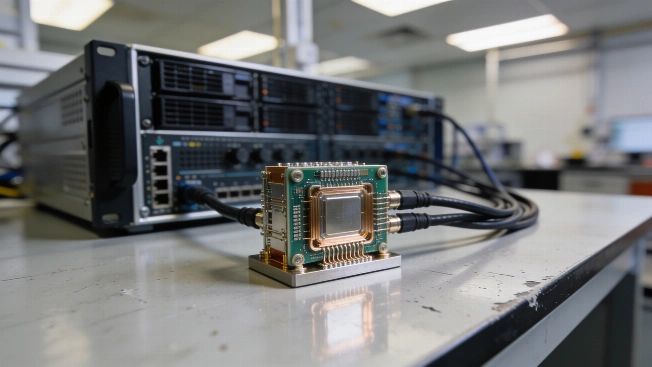
Silicon Spin Qubits Move Toward 300 mm Quantum Processing
Quobly will use CEA-Leti's FAMES Pilot Line in Grenoble to prototype 3D integration and cryogenic control layers for 300 mm silicon spin-qubit processors, while Alloy Forge and qBraid Cloud offer developers an interim environment before planned access to the Alloy Pioneer QPU.
Part 2 of 7