
Falcon 9
23 reportsCoverage of Falcon 9 examines flight record; reusability or mission architecture; and stage and propulsion design. One line of support comes from launch telemetry, and a separate test comes from mission results; together they clarify reusability or mission architecture, but confidence is limited by the fact that planned performance and advertised capacity do not replace demonstrated flights.
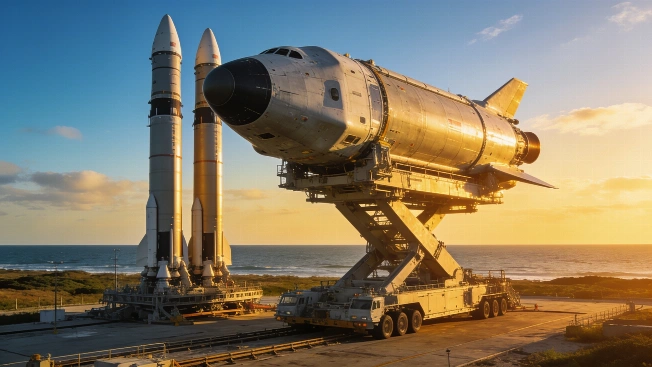
Cygnus XL Set to Carry 11,000 Pounds to the Space Station
A planned Falcon 9 launch will send the third Cygnus XL to the International Space Station with about 11,000 pounds of research and crew supplies. Its cargo includes investigations of muscle loss and cancer alongside radiation sensing and plant growth
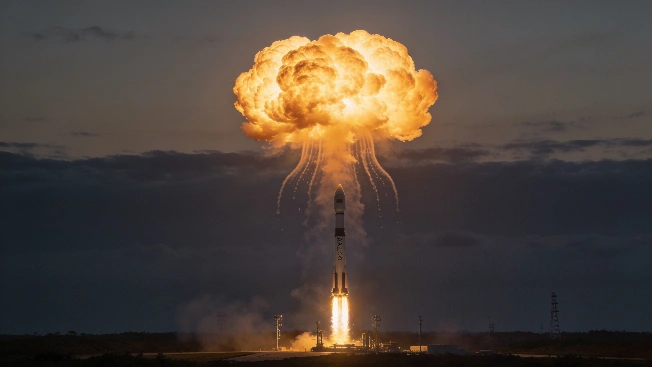
SpaceX Launch Turns Dawn Exhaust Into a Glowing Jellyfish
At 6:33 a.m. EDT on Oct. 13, a Falcon 9 sent SpaceX's Dragon toward the International Space Station as sunlight caught its exhaust plume, making the predawn launch look like a glowing jellyfish.
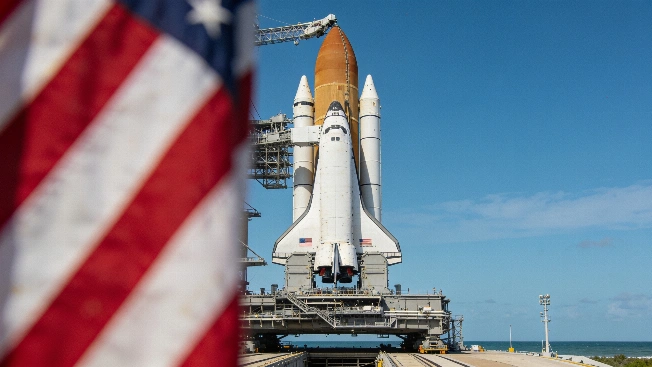
Crew-13 Falcon 9 Stands Ready for Its October Launch
A Falcon 9 rocket and Dragon spacecraft stand vertical at Space Launch Complex 40 ahead of NASA's Crew-13 mission, which is scheduled to carry four international crew members to the International Space Station.
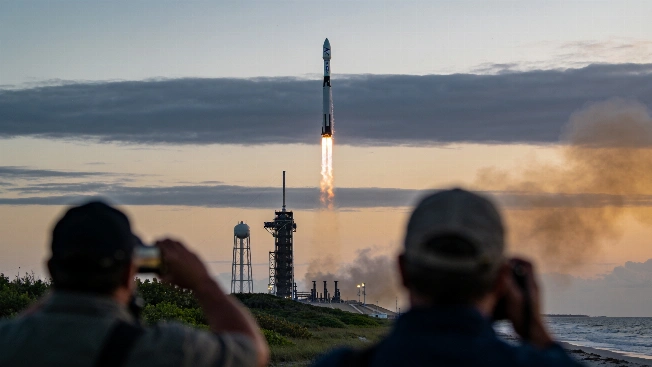
NASA Adds Three SpaceX Crew Flights Through 2030
NASA has added $946 million for SpaceX's Crew-15, Crew-16, and Crew-17 missions, raising the company's total number of Commercial Crew missions to 17 and its contract value to $5.92 billion. The decision secures transportation and lifeboat services through 2030 as NASA evaluates schedule pressures, Dragon inspections, and the future role of Boeing's Starliner.
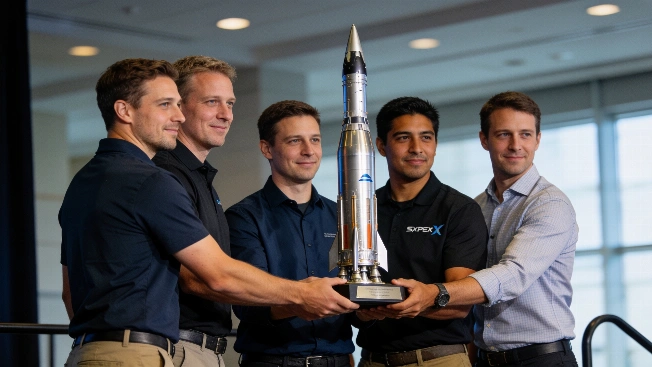
SpaceX Falcon 9 landing team wins Neil Armstrong Space Prize
SpaceX's Falcon 9 booster landing team has received the first Neil Armstrong Space Prize, recognizing its work in making large-scale rocket reuse routine and changing the economics of space launches.
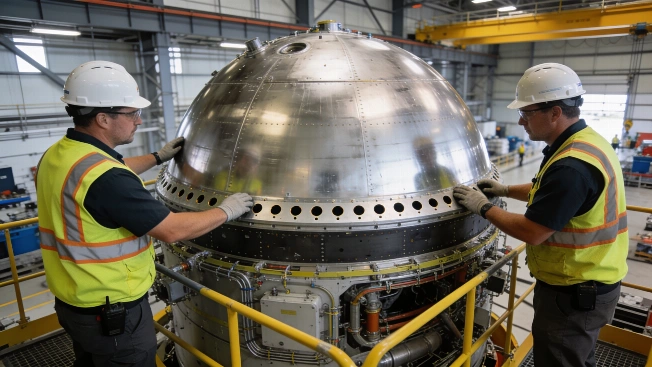
Stoke Space Secures Major Funding for Fully Reusable Nova Rocket Program
Stoke Space has raised $1 billion to advance its Nova Pathfinder and Nova Block 2 rockets, both designed for full reusability and high payload capacity to low Earth orbit, with the first orbital launch targeted for early 2027.
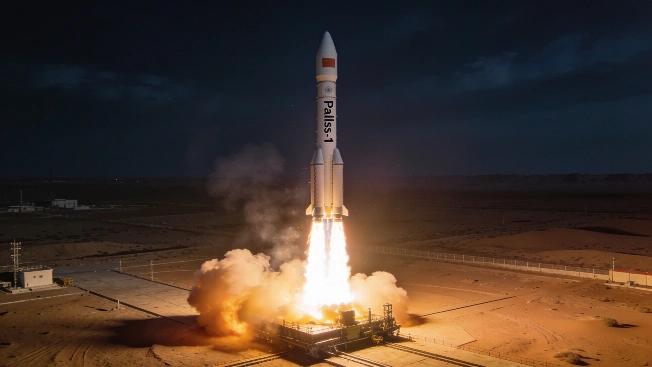
China's Pallas-1 Rocket Achieves Orbit in Reusable Launcher Test
Galactic Energy's Pallas-1 rocket reached orbit on its debut flight from Jiuquan, marking a technical basic stage for China's private launch sector. The mission did not attempt a first-stage landing, but aims for reusability on future flights.
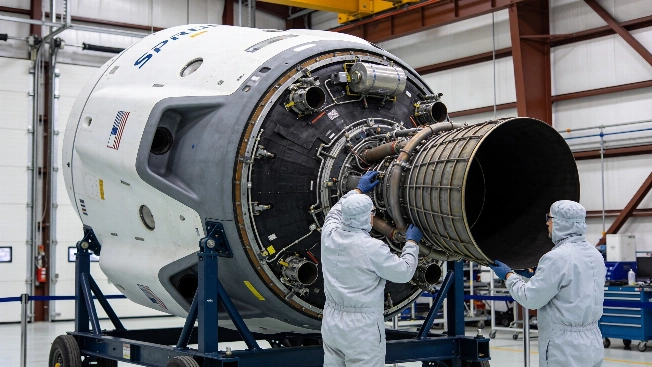
SpaceX Crew-13 Launch to ISS Delayed by Dragon Propulsion Leak
NASA and SpaceX have postponed the Crew-13 mission to the International Space Station after detecting an oxidizer leak in the Dragon spacecraft's propulsion system. The new launch date has not been confirmed as teams investigate the issue.
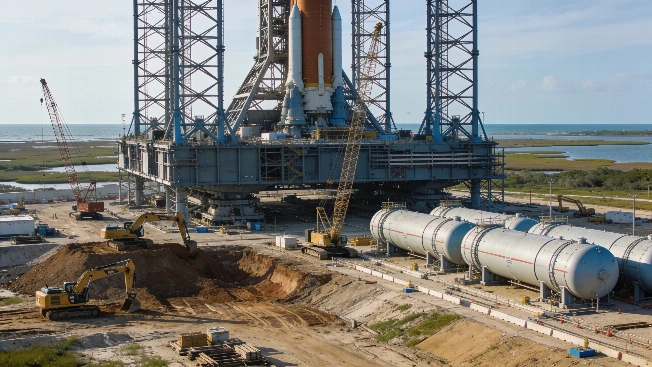
SpaceX Plans $100 Billion Starbase Louisiana for Starship Launches
SpaceX and Louisiana officials have announced a $100 billion investment to build Starbase Louisiana, a major launch and manufacturing site on the Gulf Coast designed to support thousands of Starship launches annually.
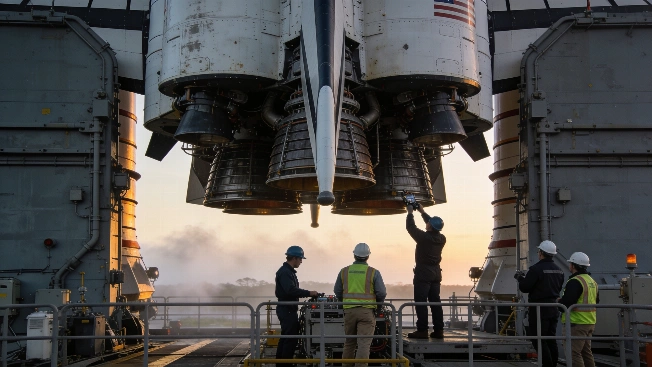
SpaceX to Retire Falcon 9 as Starship Nears Operational Status
SpaceX has announced plans to phase out its Falcon 9 rocket once the Starship launch system achieves reliable, frequent operations. The transition could reshape commercial launch access and mission planning for years to come.
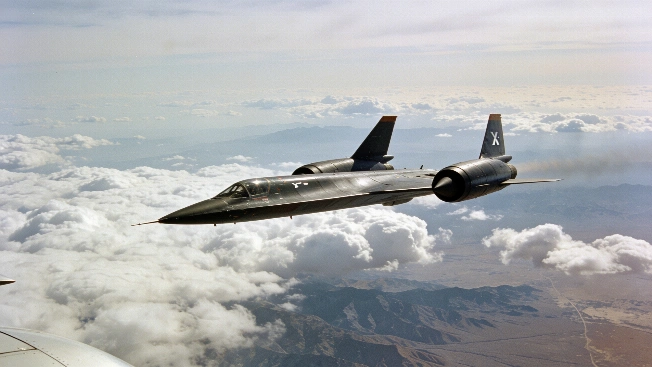
X-15 Rocket Plane Sets 1963 Altitude Record Above Kármán Line
On August 22, 1963, the X-15 rocket plane piloted by Joe Walker reached an altitude exceeding 108 kilometers, providing rare data on hypersonic flight and spacecraft reusability during a defining period for space research.
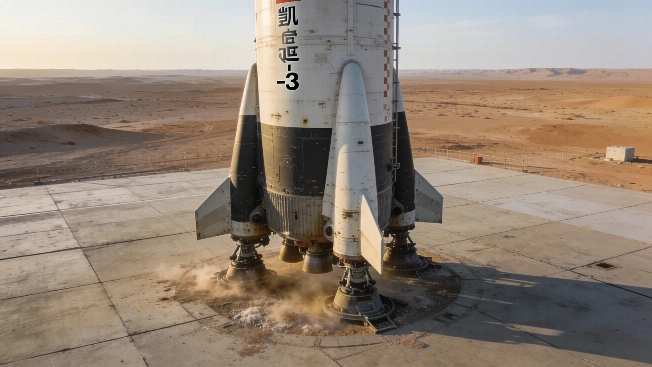
Private Chinese Rocket Zhuque-3 Achieves First Landed Booster Recovery
LandSpace's Zhuque-3 rocket has become the first privately built Chinese orbital-class launcher to land its first stage successfully, marking a impressive step for reusable launch technology in China.
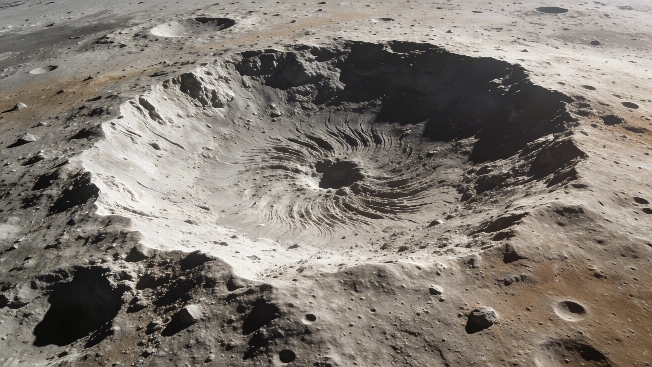
SpaceX Rocket Impact on Moon Raises Safety Questions for Lunar Missions
A SpaceX Falcon 9 upper stage collided with the lunar surface near Einstein Crater, prompting renewed scrutiny of debris risks as lunar exploration and infrastructure expand.
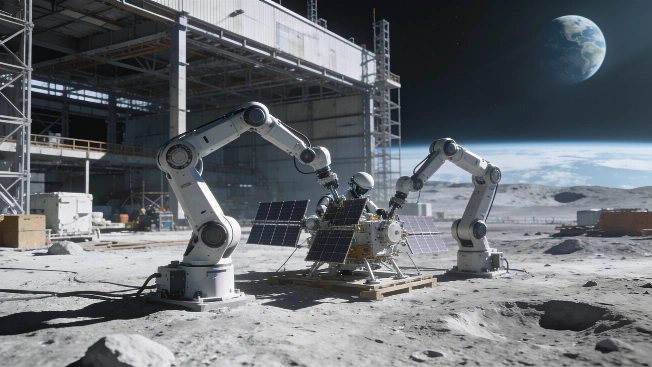
SpaceX Outlines Plan for Robotic Factories on the Moon
SpaceX has detailed its intention to construct automated factories on the lunar surface, where robots would manufacture satellites and basic components. The plan was discussed during the company's first quarterly earnings call as a public company.
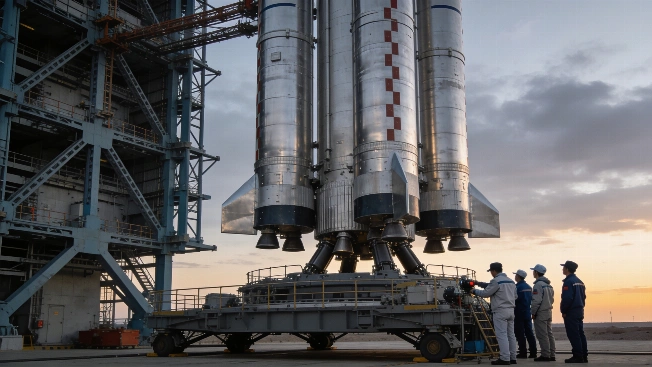
Landspace Schedules Second Zhuque-3 Rocket Landing Attempt for August 10
Chinese launch company Landspace plans another attempt to recover its Zhuque-3 orbital rocket booster, targeting liftoff and a powered landing from Jiuquan spaceport on August 10 after a failed recovery attempt in 2025.
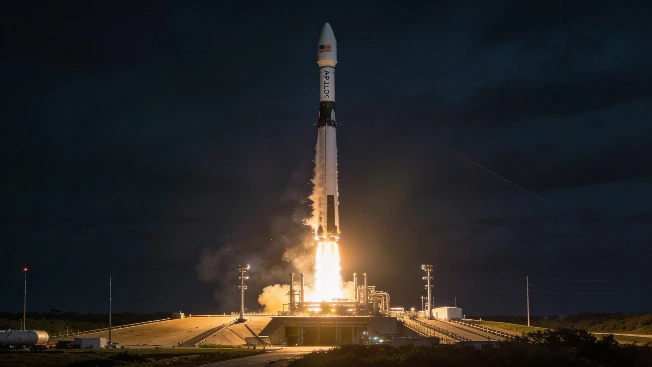
SpaceX Launches Three BlueBird Satellites for Direct-to-Cell Network
A Falcon 9 rocket deployed three AST SpaceMobile BlueBird satellites from Cape Canaveral, expanding a low Earth orbit constellation designed to deliver broadband directly to standard smartphones.
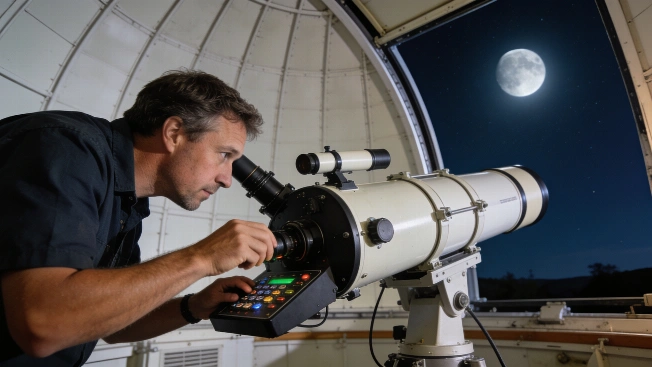
NASA Tracks Falcon 9 Rocket Stage Ahead of Planned Lunar Impact
NASA and SpaceX are monitoring a spent Falcon 9 upper stage expected to strike the Moon near the Einstein and Bell craters, using ground- and space-based telescopes to gather data and refine tracking methods.
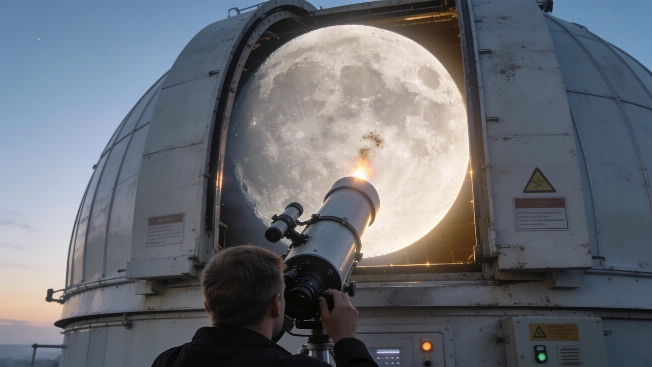
How a Falcon 9 Upper Stage Ended Up Bound for the Moon
A Falcon 9 upper stage abandoned in a high Earth orbit hit the Moon on August 5, 2026, after gravity and solar activity gradually altered its trajectory.
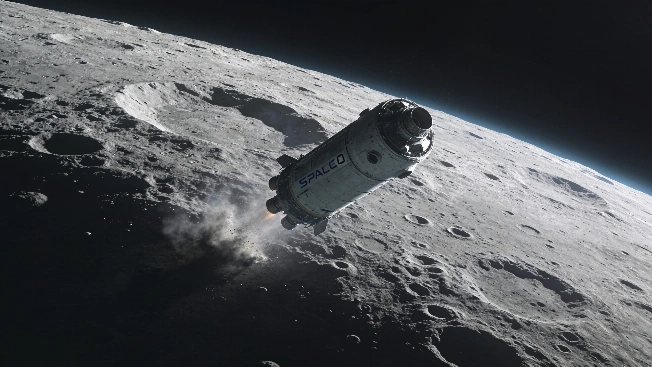
SpaceX Rocket Stage to Impact Moon, Raising New Scientific Questions
A spent SpaceX Falcon 9 upper stage has struck the lunar surface, giving researchers a rare chance to observe artificial impacts on the Moon with telescopes and orbital instruments.
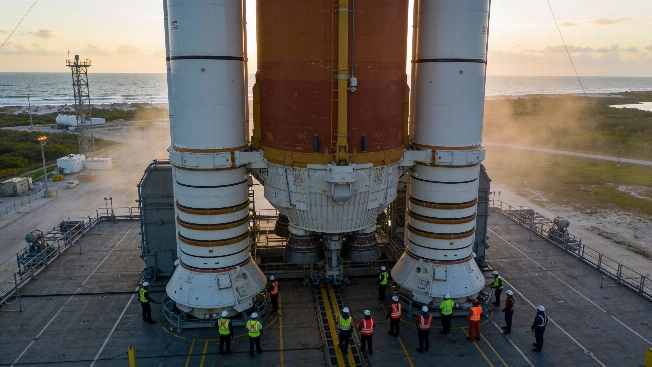
NASA Assigns SunRISE Mission to SpaceX Falcon Heavy After Vulcan Issues
NASA's SunRISE mission, designed to study solar radio bursts, will now launch aboard a SpaceX Falcon Heavy after technical concerns paused United Launch Alliance Vulcan Centaur flights
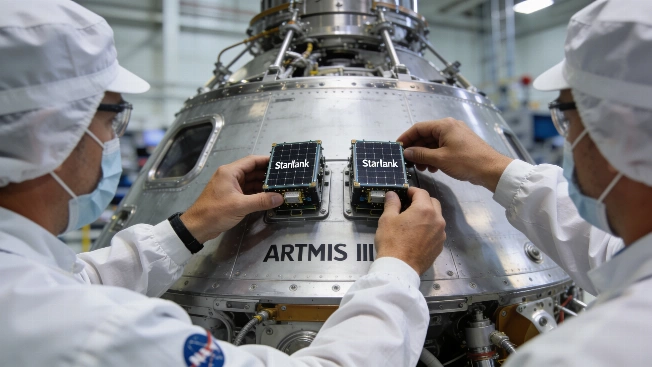
NASA to Equip Artemis III Orion with Starlink Laser Terminals
NASA plans to test Orion’s communications systems during Artemis III, a low-Earth-orbit mission involving commercial landers and currently targeted for 2027, as the agency prepares for later lunar operations.
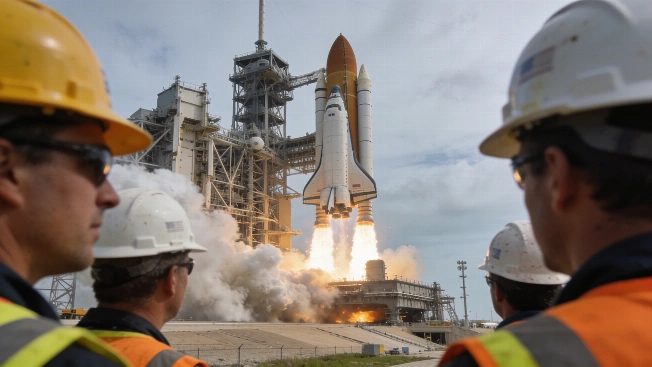
Rocket Launch Costs Plummet but New Barriers Emerge for Space Access
A new analysis of more than 4,400 launches finds that the average cost to send a kilogram to orbit has dropped by 96% since 1960. Future reductions could face constraints from orbital debris and market dominance, with geopolitical shifts adding pressure.
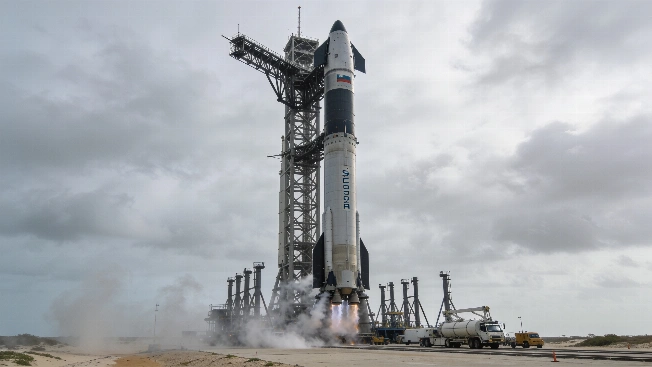
SpaceX Starship Test Aborted as Defense and Science Missions Advance
SpaceX's Starship Flight 13 test launch was halted seconds before liftoff, highlighting ongoing technical challenges as the company expands its role in US military and scientific space operations