
Commercial Lunar Payload Services
6 reportsThe practical and scientific questions around Commercial Lunar Payload Services span lunar mission architecture, together with landing or orbital operations and surface science. The evidence surrounding surface science is read through released scientific results and approved mission documents; confidence remains limited because any broad claim must allow for the fact that proposed schedules and capabilities may change during development.
NASA's Lunar Return Depends on Data Gaps Before Hardware
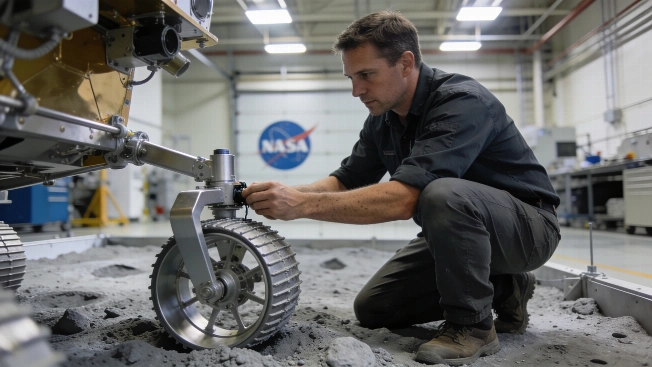
At NASA Langley Research Center, Richard Spolzino tracks the measurements still missing from lunar and Mars planning and helps convert those gaps into priorities for missions and commercial partners.
NASA Archive Maps Seven Years of Widely Attended Space Events
NASA's Widely Attended Gatherings archive brings together event determinations from 2020 through 2026, covering launches, awards dinners, policy meetings and industry receptions while showing why administrative records must be distinguished from scientific evidence.
SpaceX Outlines Plan for Robotic Factories on the Moon
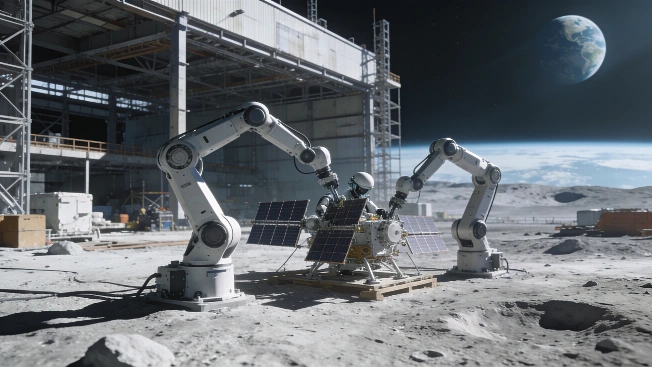
SpaceX has detailed its intention to construct automated factories on the lunar surface, aiming to use robots for manufacturing satellites and key components, as discussed during the company's first quarterly earnings call as a public company
NASA Tracks Falcon 9 Rocket Stage Ahead of Planned Lunar Impact
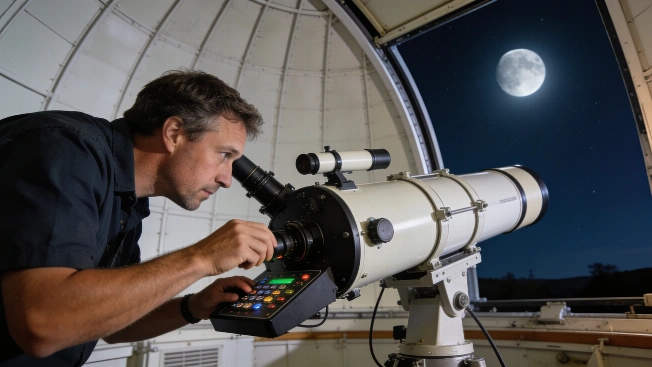
NASA and SpaceX are monitoring a spent Falcon 9 upper stage expected to strike the Moon near Einstein and Bell craters, using ground and space-based telescopes to gather data and refine tracking methods
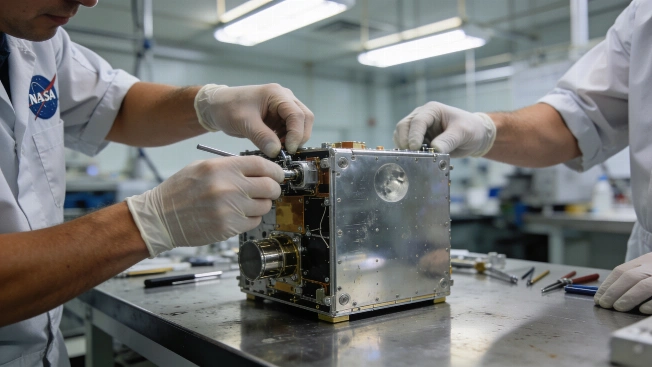
NASA's NavCube3-mini Heads to a Commercial Lunar Relay
NASA has handed a compact GNSS navigation payload to Intuitive Machines for installation on Altus-1, testing whether Earth-based positioning signals can support spacecraft operating near the Moon
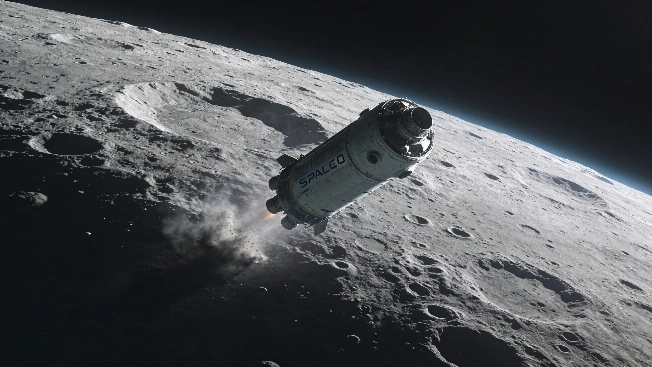
SpaceX Rocket Stage to Impact Moon, Raising New Scientific Questions
A spent SpaceX Falcon 9 upper stage is set to collide with the lunar surface on August 5, offering researchers a rare opportunity to observe the effects of artificial impacts on the Moon using telescopes and orbital instruments