
Ancient Technology - Part 2
56 reports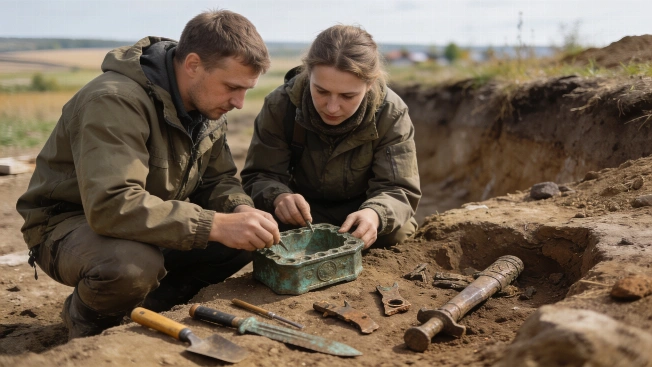
Bronze-Casting Mould and Weapons Found at Pyanobor Settlement in Tatarstan
Excavations at the Kipchak Archaeological Complex in Tatarstan have revealed a bronze-casting mould, weapons, and decorated pottery linked to the Pyanobor culture, offering new evidence for debates about its origins and regional connections.
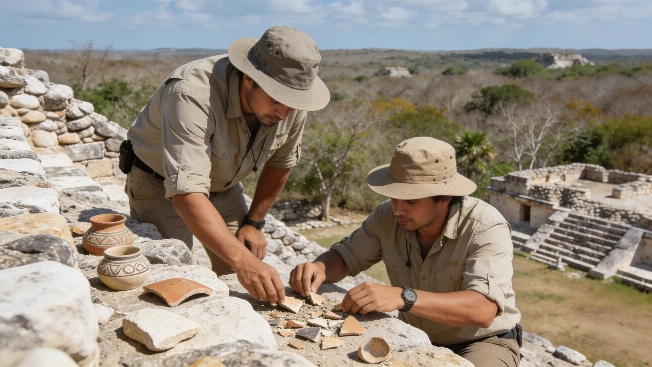
New Excavations at Xcalumkín Reveal Maya Puuc Architecture Origins
Recent archaeological research at Xcalumkín in Campeche, Mexico, has provided new evidence about the development of Puuc architectural traditions and settlement patterns, as well as possible dual governance among the ancient Maya between the 7th and 10th centuries CE.
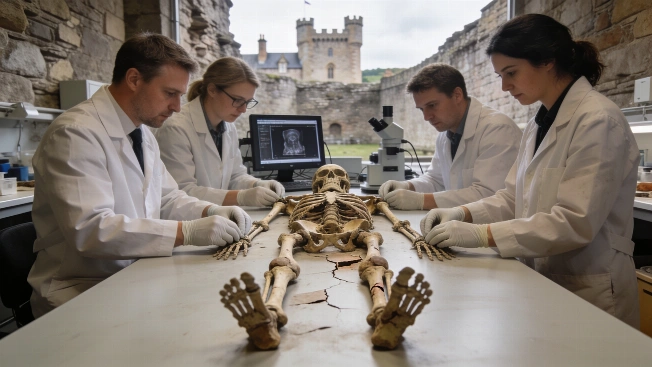
Medieval Skeleton at Stirling Castle Shows Unusual Siege Trauma
Bioarchaeologists have re-examined a 14th-century skeleton from Stirling Castle, Scotland, identifying 167 perimortem fractures. New analysis suggests the individual may have died from a high-velocity impact during the Wars of Scottish Independence.
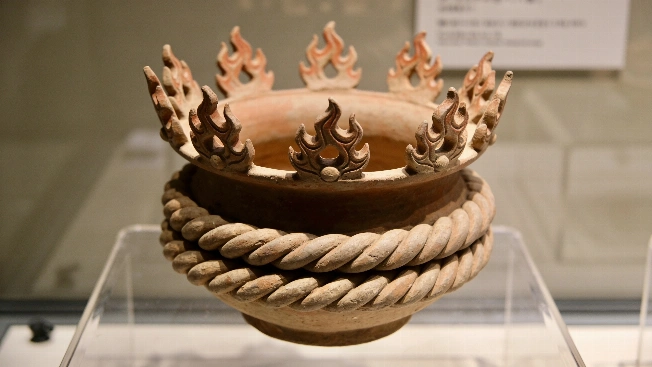
Jōmon Fire-Flame Vessel Reveals Prehistoric Japanese Pottery Skill
Archaeologists have examined a 4,500-year-old fire-flame vessel from Honshu, Japan, analyzing its elaborate ceramic construction and uncertain function to better understand Jōmon-period material culture and social practices.

Ancient Libyan Gateway Marks Reveal Hellenistic Construction System
Archaeologists have analyzed over 620 carved marks on the Tauchira Gate at Ptolemais, Libya, finding evidence of organized labor and material transport, with possible payment tracking in a major Hellenistic building project more than 2,000 years ago
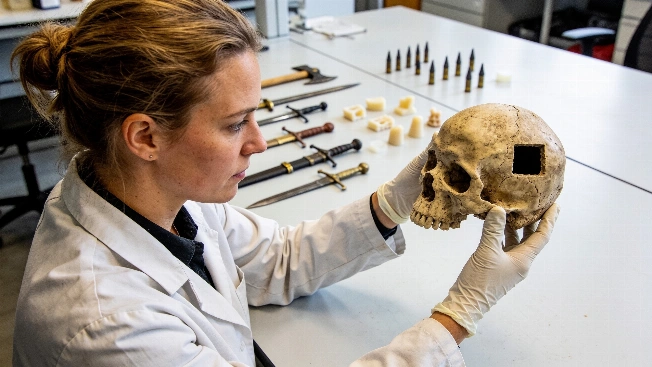
Medieval Skull Injuries at Visby Linked to Spiked Club Weapons
A new forensic analysis of 14th-century skeletons from the Battle of Visby in Sweden identifies spiked clubs as the likely cause of distinctive square cranial injuries, challenging assumptions about medieval militia training and combat methods.
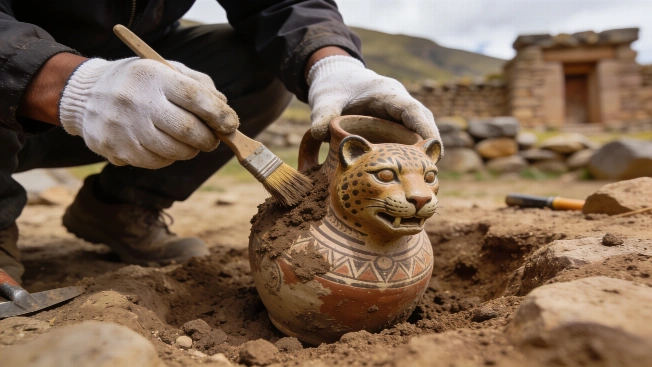
Puma-Headed Pottery Sheds Light on Rituals at Marcahuamachuco
Archaeologists at Marcahuamachuco in northern Peru have uncovered a unique puma-headed ceramic vessel and animal remains, offering new evidence for ceremonial practices and daily life at the site between 850 and 950 CE.
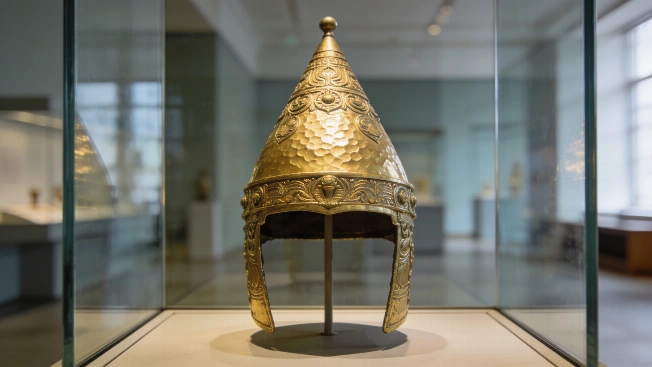
Berlin Gold Hat Reveals Bronze Age Astronomical Knowledge
Archaeologists have analyzed a 3,000-year-old gold headdress from Central Europe, uncovering evidence that its intricate motifs encode calendrical information used to track solar and lunar cycles
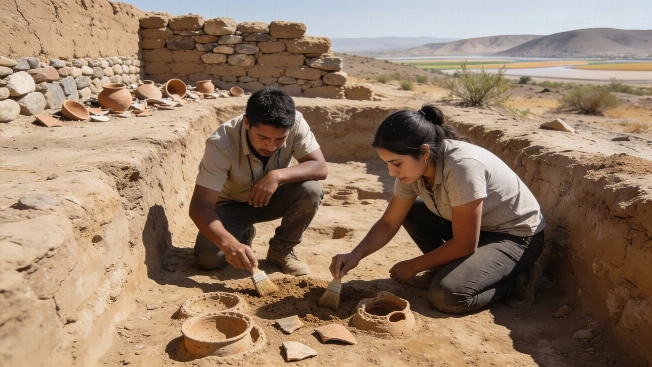
Moche Pottery Workshops Uncovered at Cerro Mayal in Northern Peru
Excavations at Cerro Mayal in Peru's Chicama Valley have revealed extensive evidence of Moche ceramic production, from molds and pottery waste to workshop-house structures, offering new understanding into the organization of ancient craft specialists.
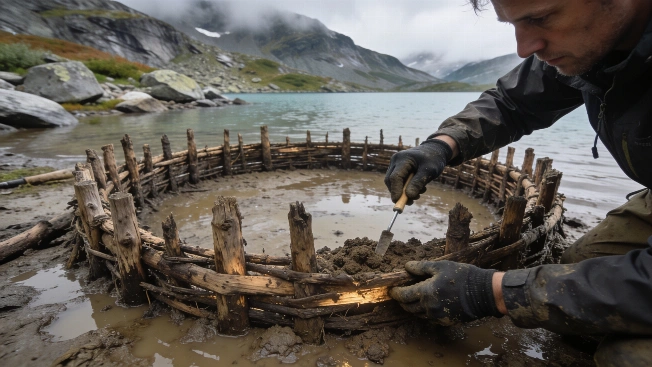
Mesolithic Fish Traps Reveal Early Ecosystem Management in Norway
Archaeologists have identified 7,000-year-old wooden fish traps in Norway's Jotunheimen mountains, providing evidence that Mesolithic hunter-gatherers deliberately introduced brown trout to high-altitude lakes using advanced ecological knowledge
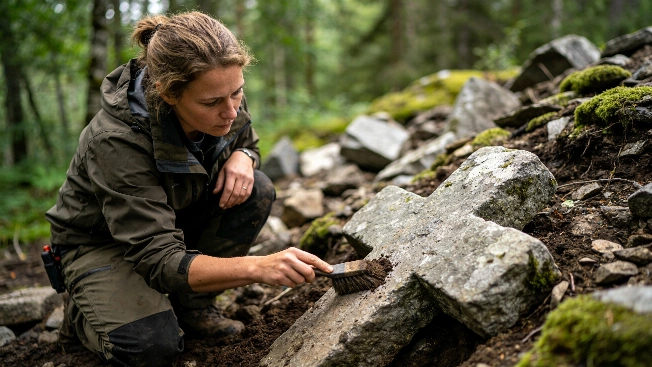
Medieval Stone Crosses Unearthed at Viking-Era Quarry in Norway
Archaeologists working at Hyllestad in western Norway recovered seven medieval stone crosses from a quarry waste heap, offering new evidence of local craftsmanship and religious change between the 11th and 13th centuries.
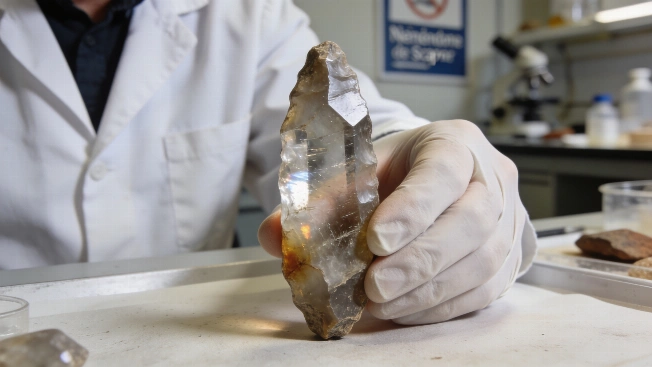
Neanderthal Rock Crystal Tool Sheds Light on Ancient Craftsmanship
Archaeologists have reexamined a rare rock crystal scraper from Abri des Merveilles, France, revealing how Neanderthals selected unusual materials and challenging outdated views of their cognitive abilities.
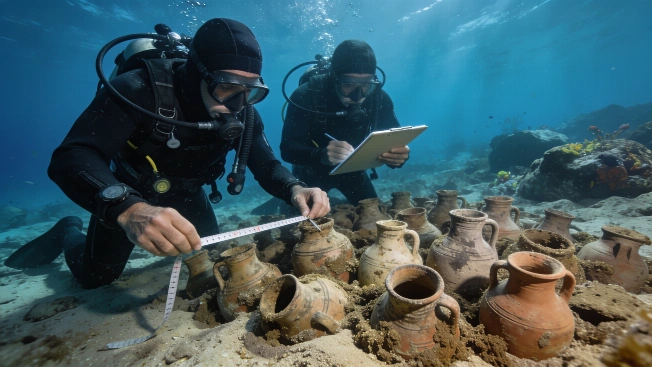
Ancient Shipwreck With Hundreds of Amphorae Found Near Andros
Archaeologists have identified a late Classical-period merchant shipwreck off Andros, Greece, containing more than 600 amphorae. The find offers new evidence about Aegean maritime trade and cargo transport in the 5th and 4th centuries BCE.
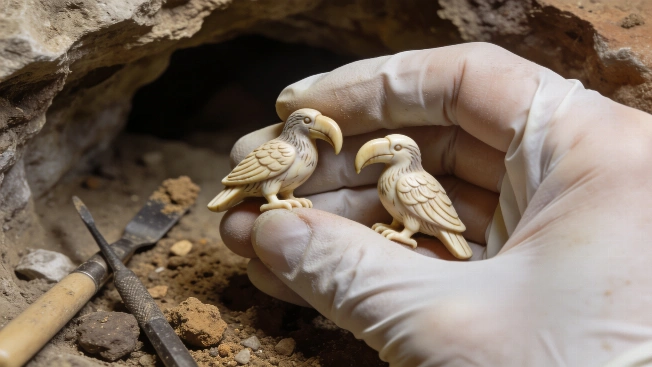
Ice Age Bird Figurines Unearthed in Hohle Fels Cave, Germany
Archaeologists have identified two miniature bird carvings made from mammoth ivory in Hohle Fels cave, Germany, dating to around 40,000 years ago. The finds expand the evidence for symbolic art among early Homo sapiens in Upper Paleolithic Europe.
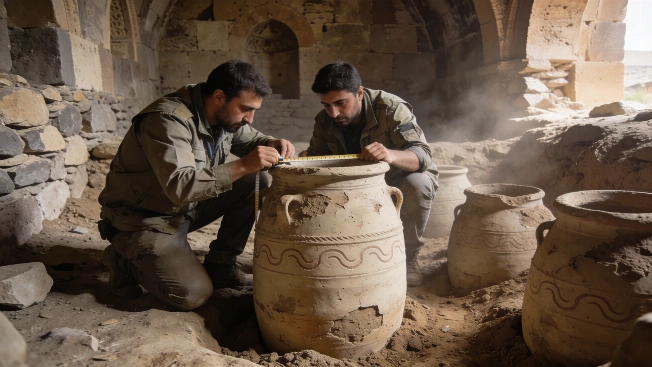
Seljuk Food Storage Facility Unearthed at Ani World Heritage Site
Archaeologists at Ani in eastern Türkiye have uncovered a Seljuk-era food storage facility containing five large ceramic jars, offering new evidence about food preservation and urban organization in the medieval city.
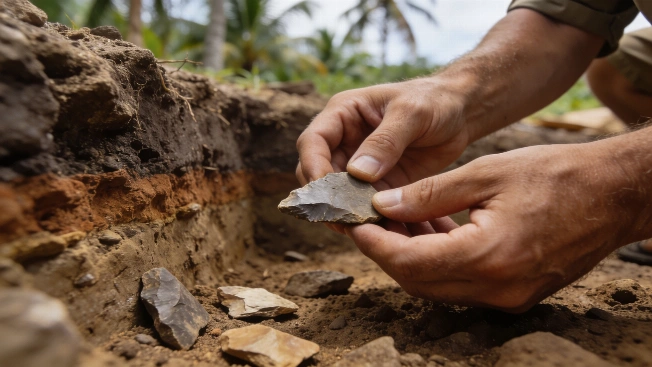
Stone Tools Reveal Early Human Technology Beyond Homo sapiens
Archaeologists use the term lithics to describe stone artifacts found at ancient sites. Recent discoveries in Indonesia show that stone tool production predates Homo sapiens, challenging earlier assumptions about the origins of human technology.

Ancient Dams Near Egypt's Red Pyramid May Reveal Water Management
A new study reinterprets two large stone structures near the Red Pyramid at Dahshur as ancient dams, not ramps. Using satellite imagery and hydrological modeling, researchers propose that the structures formed part of a sophisticated water-management system more than 4,500 years ago.
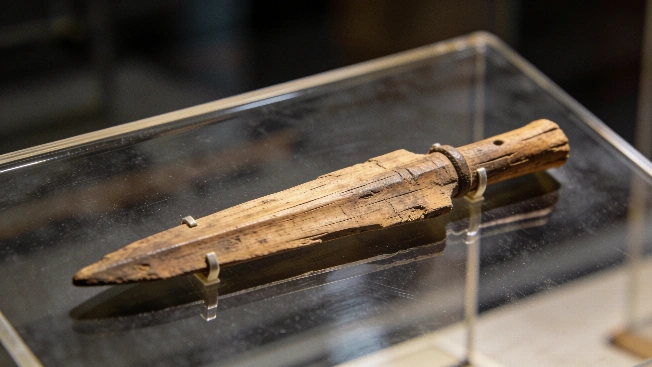
How Archaeologists Trace the Oldest Known Weapons in Human History
Archaeologists have identified several contenders for the world's oldest weapon, including wooden spears and stone points from sites in Africa and Europe. Context and material evidence, including wear patterns, help distinguish weapons from other ancient tools.
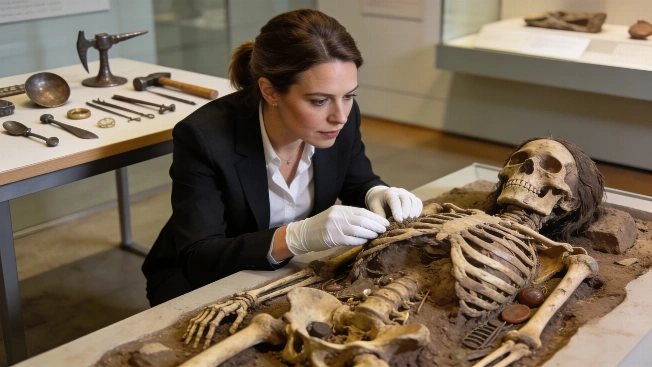
Ancient DNA Reveals Bronze Age Metalworker Near Stonehenge Was Female
A 4,000-year-old burial near Stonehenge, long thought to contain a male shaman, has been re-examined using ancient DNA analysis, revealing the individual was biologically female and challenging assumptions about gender roles in Early Bronze Age Britain
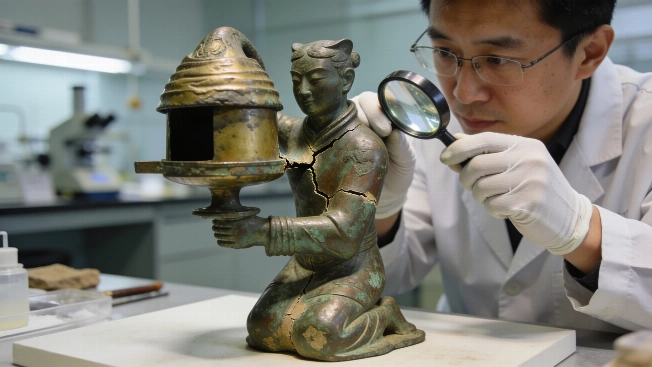
Sanxingdui Bronze Figure Assembled From Separate Ancient Artifacts
A new analysis of a bronze kneeling figure from Sanxingdui, China, reveals it was constructed from components made in different regions and periods, providing evidence for complex trade and metalworking in the ancient Shu kingdom
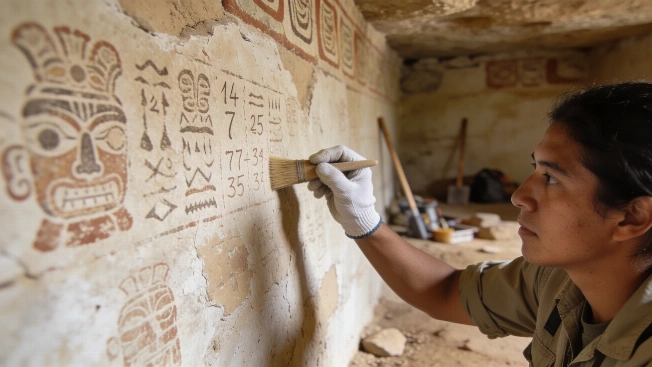
Eighth-Century Maya Astronomer's Name Found at San Bartolo-Xultun
Researchers have identified a Maya mathematician and astronomer in wall inscriptions at the San Bartolo-Xultun site in Guatemala, offering new details about scientific work in the region during the eighth century CE.
Part 2 of 2