
Optics and Photonics - Part 3
91 reports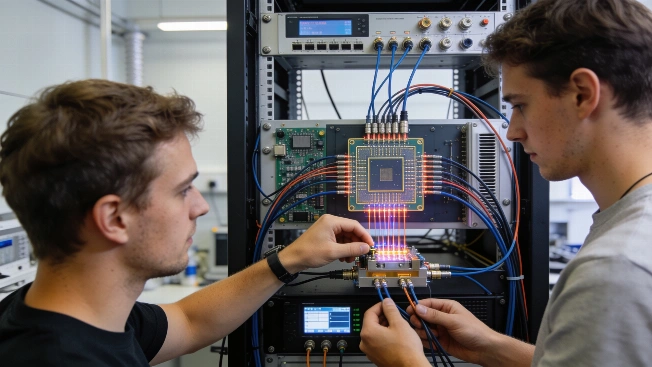
QuiX Quantum Releases Alquor 2.0 Photonic Processor Platform
QuiX Quantum has launched Alquor 2.0, a rack-mountable photonic processor platform based on silicon nitride integrated circuits. It is designed to support quantum optics and information-processing research with improved stability and automation.
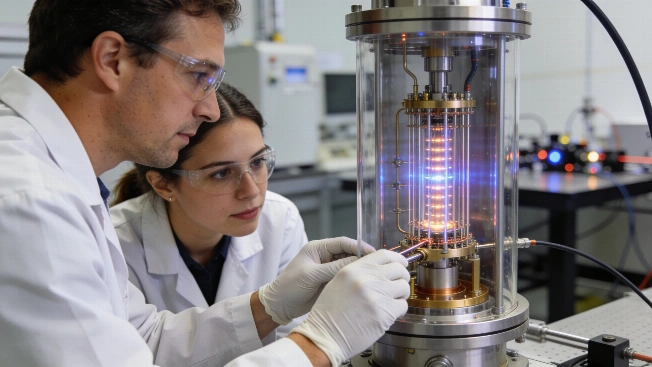
IonQ and Sandia Partner on Trapped-Ion Quantum Hardware for Security
IonQ and Sandia National Laboratories have agreed to jointly develop and test trapped-ion quantum hardware and integrated photonics for national security applications, focusing on system improvement and device characterization at Sandia's New Mexico facility.
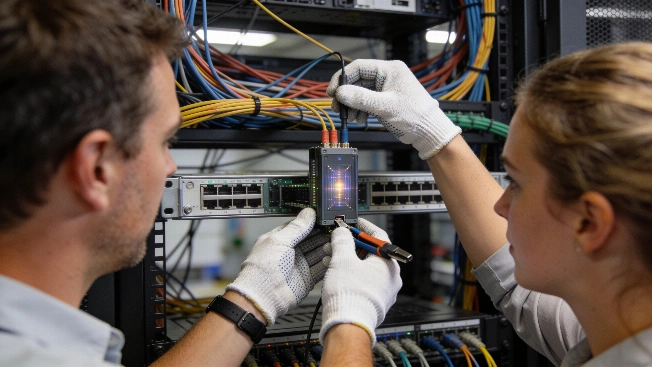
IonQ and EPB Launch Quantum Memory Integration Testbed in Tennessee
IonQ and EPB are establishing a research center in Chattanooga to test commercial quantum memory hardware on a live fiber optic network, advancing quantum communication infrastructure and evaluating real-world integration challenges.
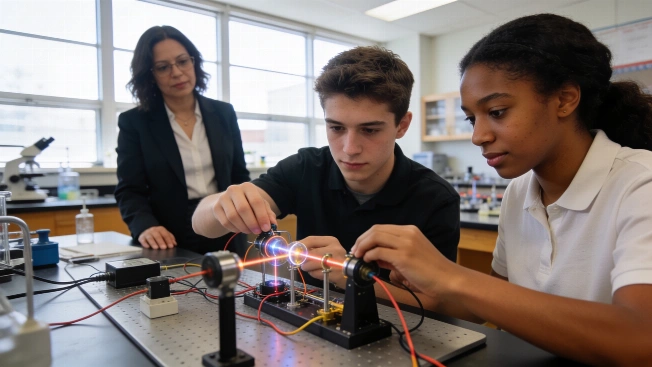
PsiQuantum Funds Quantum Workforce Training in South Chicago
PsiQuantum has committed $250,000 to support STEM education, higher education, and technical training in South Chicago, aiming to build a local talent pipeline for the region's developing quantum technology sector.
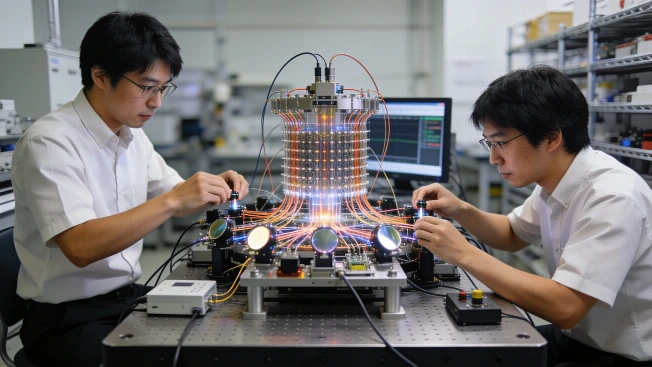
OptQC and NTT Target Million-Qubit Optical Quantum Computer by 2030
OptQC and NTT have announced a capital and business alliance to develop a fault-tolerant optical quantum computer targeting one million physical qubits, with a roadmap covering hardware and supply chains, plus enterprise integration through 2030
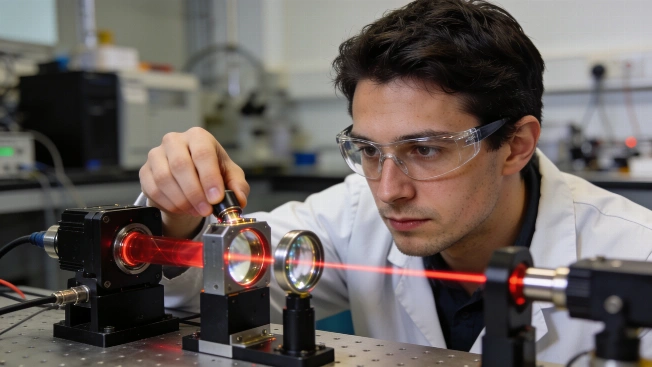
Vexlum Opens London Lab for High-Power Quantum Laser Development
Vexlum has established a dedicated R&D laboratory in London to advance high-power semiconductor lasers for quantum computing and precision measurement, appointing Dr. Stefan Truppe as Managing Director of Vexlum UK.
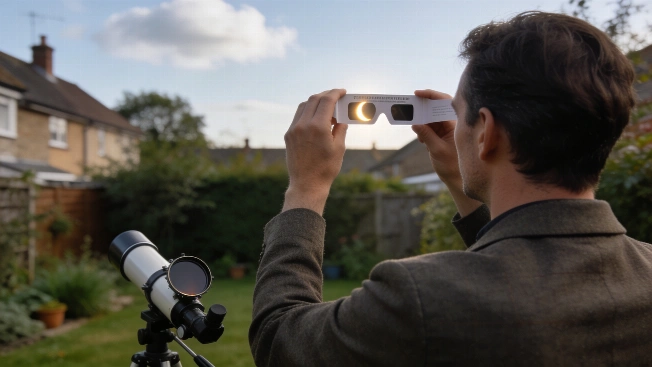
How to Watch the 2026 Solar Eclipse Safely in the UK
The August 12, 2026, eclipse will cover about 90% of the Sun in parts of the UK. Here is how to choose certified eye protection and compare viewing options without risking permanent damage.
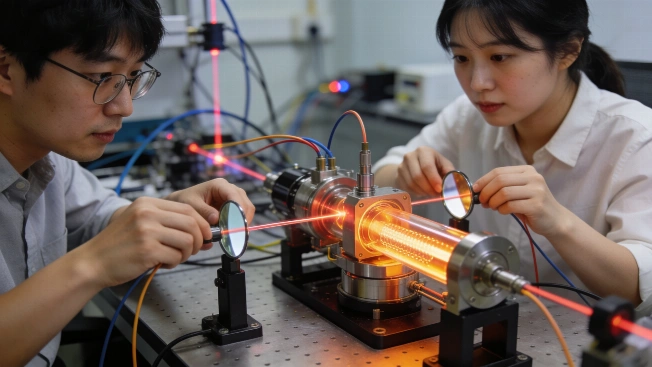
Hybrid Quantum Interference Links Atomic and Semiconductor Photon Sources
Researchers in South Korea have directly demonstrated two-photon interference between a quantum dot and a warm cesium atomic vapor, achieving photon indistinguishability across distinct quantum hardware without active filtering or frequency conversion
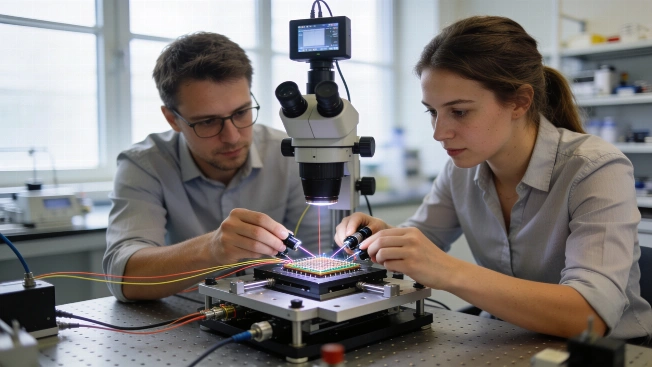
Custom Nanopositioning Platform Targets Photonic Processor Testing
A modular nanopositioning test system from SmarAct and Akhetonics enables precise optical and electro-optic characterization of advanced photonic integrated circuits, tackling engineering challenges in able to grow optical computing hardware
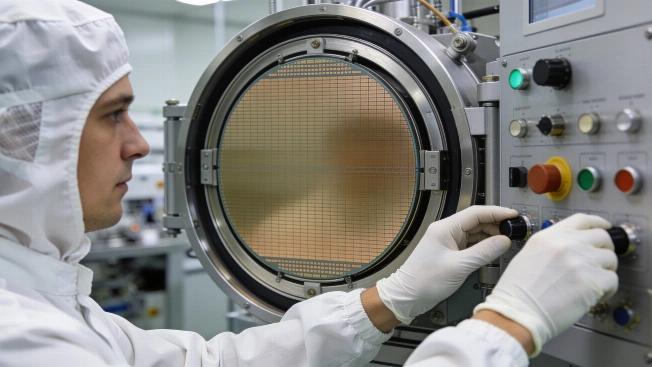
Innolume Adds GEN2000 MBE System to Expand Quantum Dot Laser Output
Innolume has ordered a GEN2000 Molecular Beam Epitaxy system from Veeco to increase production of gallium arsenide quantum dot lasers for optical interconnects in AI and cloud data center infrastructure
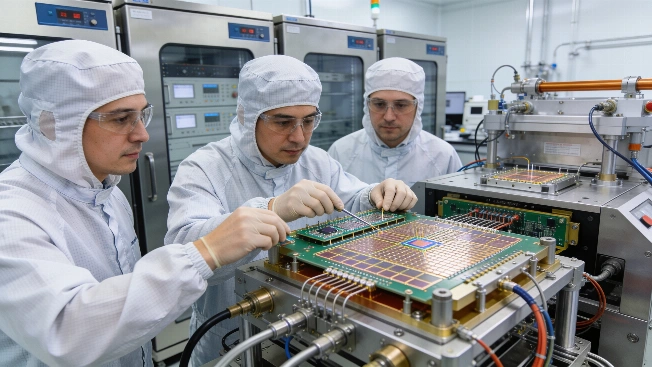
PsiQuantum's Photonic Quantum Hardware Faces Expanded DARPA Scrutiny
PsiQuantum has secured a $125 million agreement with DARPA for independent verification of its photonic quantum computing hardware and manufacturing, including its cryogenic infrastructure, under the Quantum Benchmarking Initiative.
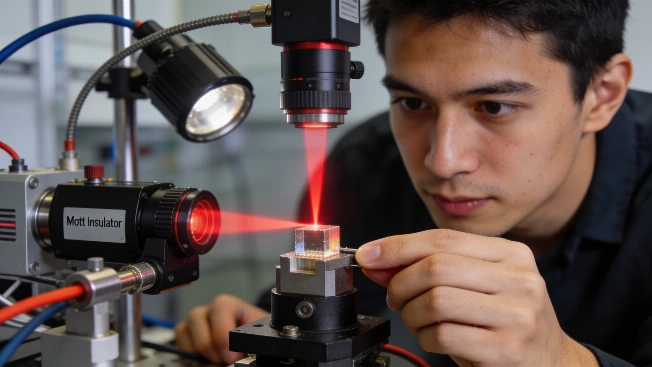
Laser-Driven Nonlinear Dynamics Observed in Mott Insulators
Researchers have identified four distinct regimes of photoexcitation in Mott insulators, revealing how laser-driven feedback can dynamically alter conductivity and carrier production in strongly correlated materials.
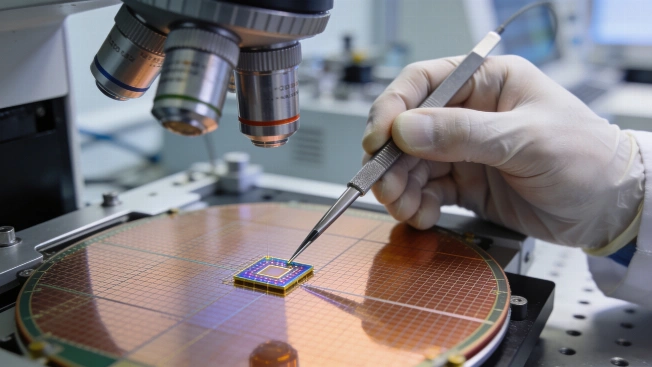
Micro-Transfer Printing Advances Heterogeneous Silicon Photonics Integration
Researchers have demonstrated micro-transfer printing to combine materials such as III-V semiconductors and lithium niobate with silicon photonics, addressing integration challenges for faster optical computing and communications hardware.
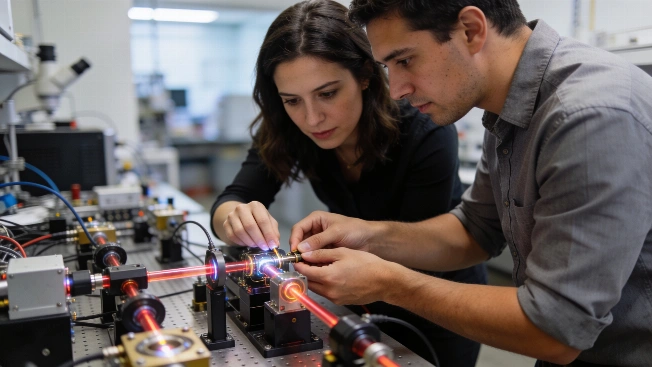
New Mexico Invests $1.2M in Quantum Hardware and Photonics Startups
Six early-stage quantum technology companies have each received $200,000 grants to expand or establish operations in New Mexico. The funding supports hardware, photonics, and software development for applications in quantum sensing, communication, and computing.
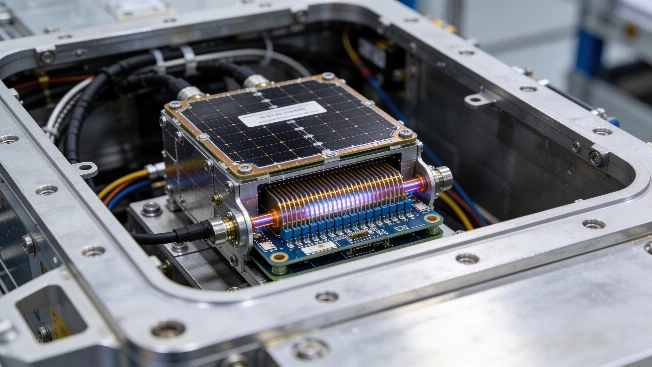
Optical Frequency Comb Operates in Orbit for First Time
A space-qualified optical frequency comb developed by QuantX Labs has been activated and verified in low Earth orbit, demonstrating basic engineering benchmarks for future optical atomic clock payloads in space.
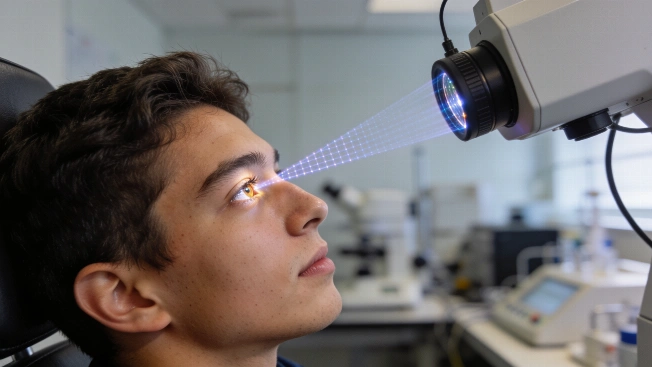
Structured light reveals new patterns for retinal health assessment
Researchers used spin-orbit coupled light to improve the visibility of Boehm's brushes, subtle optical patterns in peripheral vision, demonstrating a method that could allow non-invasive tests of retinal integrity using quantum optics techniques.
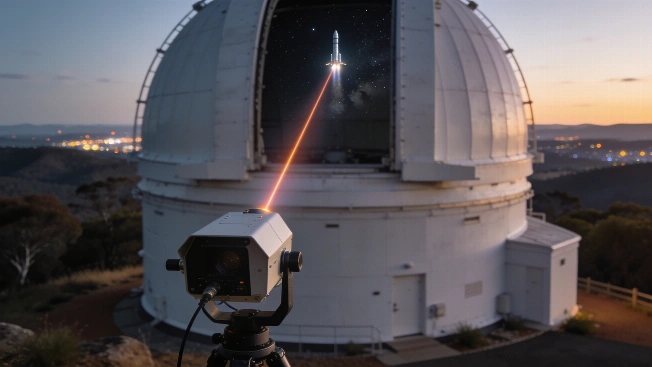
NASA Tests Laser Link for Live 4K Video Transmission From the Moon
NASA's Artemis II mission used an experimental laser communications system to transmit live high-definition video from lunar orbit to Earth, testing a lower-cost, higher-bandwidth alternative to traditional radio links under real mission conditions.
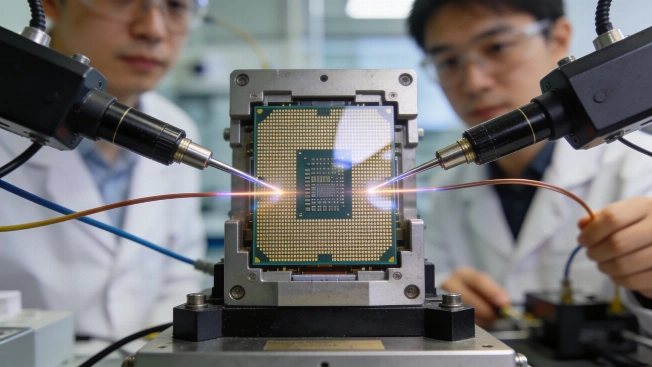
UCLA Team Integrates Terahertz Generation and Detection on One Chip
A UCLA research group has demonstrated a semiconductor chip that combines terahertz signal generation and detection, using quantum-well photodiodes and standard fabrication methods, potentially enabling scalable terahertz systems for communications and sensing
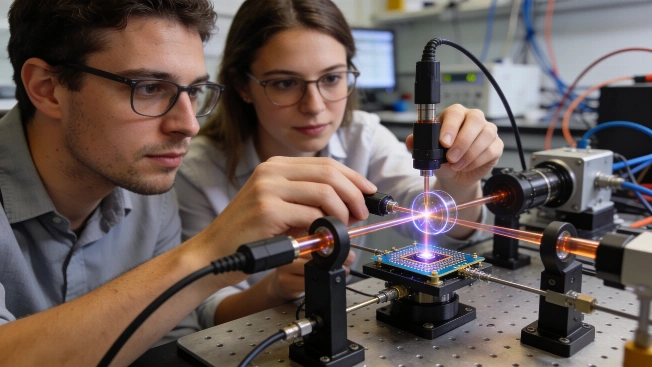
Hybrid Photon-Atom Quantum Blueprint Targets Error Correction Limits
Quantum Source Alpha Labs has published a detailed hardware proposal for a hybrid photon-atom quantum computing architecture aimed at addressing the scaling and error-correction challenges that limit current quantum processors.
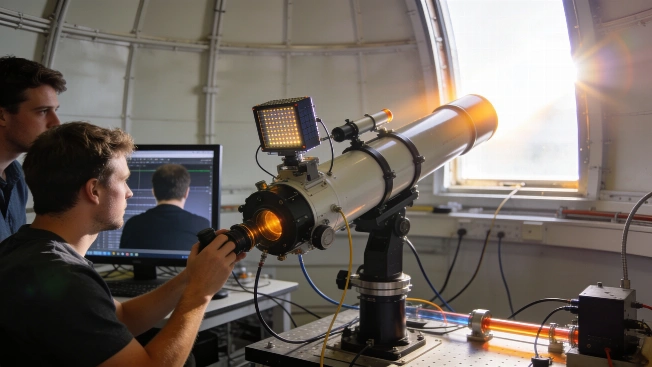
Metasurface Grating Demonstrates Compact Solar Magnetic Field Mapping
A polarization-sensitive metasurface grating has matched conventional instruments in mapping solar magnetic fields, offering a route to smaller, simpler, and potentially more robust hardware for future space-based solar telescopes
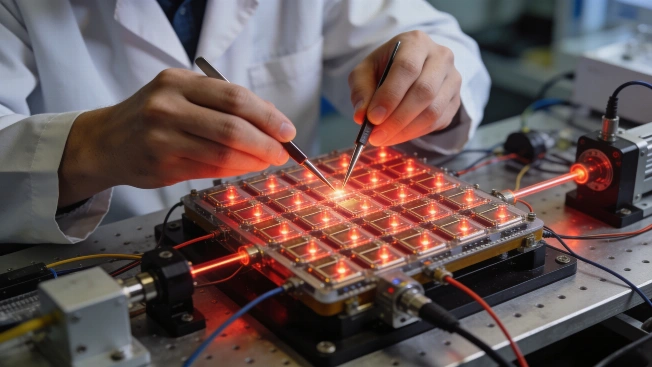
Coupled Laser Array Reveals Nonlinear Effects in Percolation Transition
A team has experimentally realized percolation using a 100-laser array, uncovering how nonlinear interactions shift the critical threshold and alter cluster formation compared to idealized models
Part 3 of 3