
Computing - Part 3
327 reports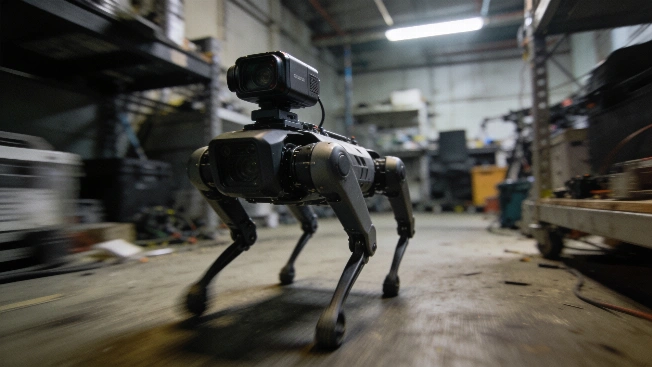
Penn AI system reaches 440 updates per second on event data
Event cameras emit sparse light-change signals instead of ordinary frames. Penn researchers say their Fast Feature Field model handles high-definition data 120 times per second and VGA data at 440 in tests using robotic datasets

AppViewX Launches Standalone Quantum Trust Hub
Federal systems face post-quantum cryptography targets in 2030 and 2031. AppViewX says its standalone platform can inventory cryptographic exposure and send findings into existing ServiceNow workflows as organizations confront legacy migration hurdles
BTQ and QPerfect Map One-Shot Signatures Into Quantum Circuits
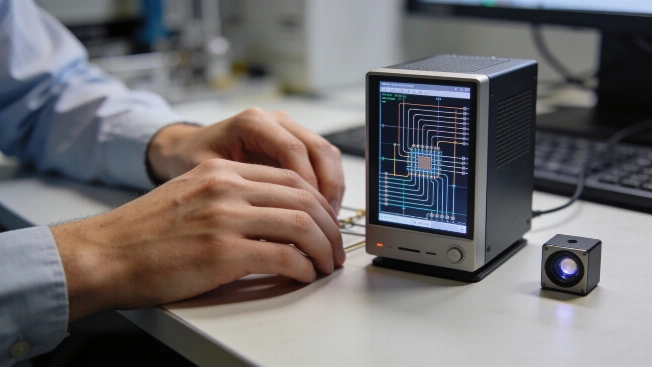
BTQ Technologies and QPerfect replace a complex permutation layer with a puncturable function and test the resulting one-shot signature circuits in an emulator; hardware security still depends on advances in quantum obfuscation
Better cooling may ease AI data center demand
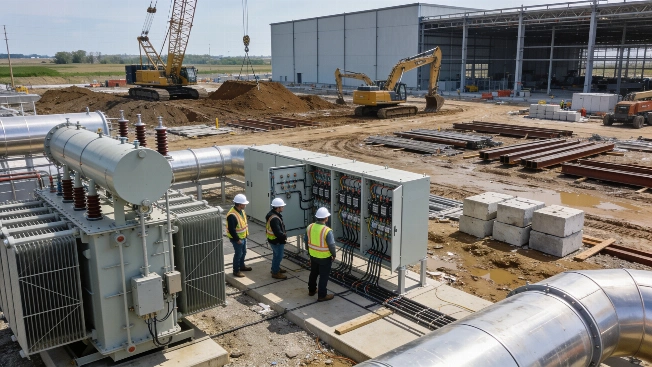
The AI boom is pressing against the practical limits of data-center construction. Cooling may relieve part of that strain, but the available figures do not show how much capacity it could save.
Modular Decoder Tackles Surface-Code Memory and Lattice Surgery
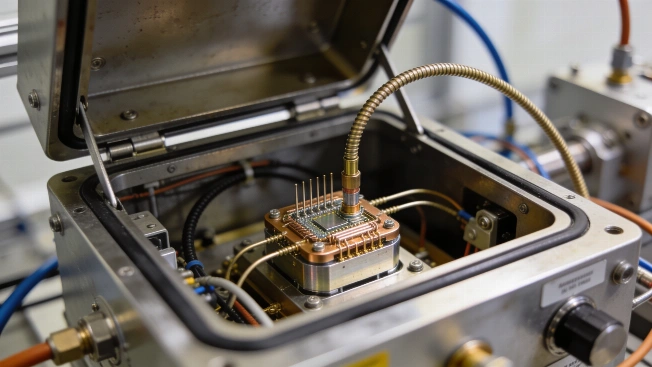
Tests using superconducting-processor data show a compact neural decoder can outperform matching on memory tasks and decode a real two-patch lattice-surgery operation; real-time processing remains an engineering hurdle

Quantum XChange Adds PQC Tunnels to Phio TX-CMC
Quantum XChange says Phio TX-CMC 2.0 automates enrollment of distributed security nodes and protects management links with post-quantum cryptography. A federal deployment showed legacy compatibility, while broader multi-cloud rollout remains challenging
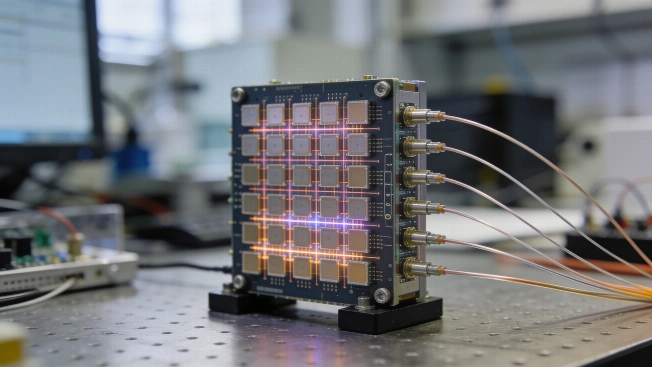
PsiQuantum Adapts Quantum Photonics for AI Cluster Switching
The 8×8 optical switch uses PsiQuantum's low-loss silicon waveguides while omitting the barium titanate layer used in its quantum routing design, targeting interconnect bottlenecks in AI clusters
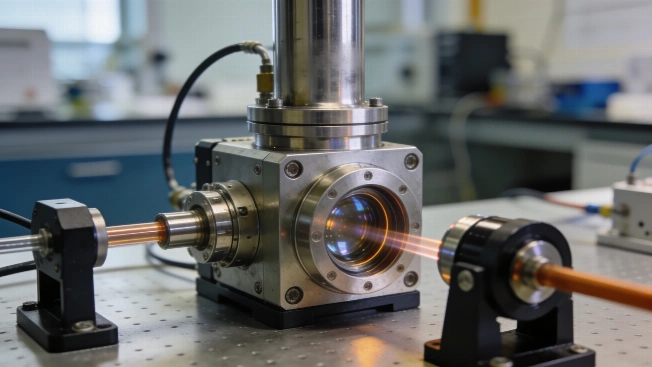
Quantinuum and GE Vernova Plan Helios Superconductivity Simulations
Quantinuum and GE Vernova plan to run Fermi-Hubbard simulations on the Helios quantum computer, testing whether simulated pairing states can inform the search for high-temperature superconducting materials
NIST Sets Post-Quantum Cryptography Transition Deadlines
The roadmap prioritizes key establishment against harvest-now-decrypt-later risks while setting separate federal deadlines for signatures and complete disallowance of vulnerable public-key algorithms after 2035
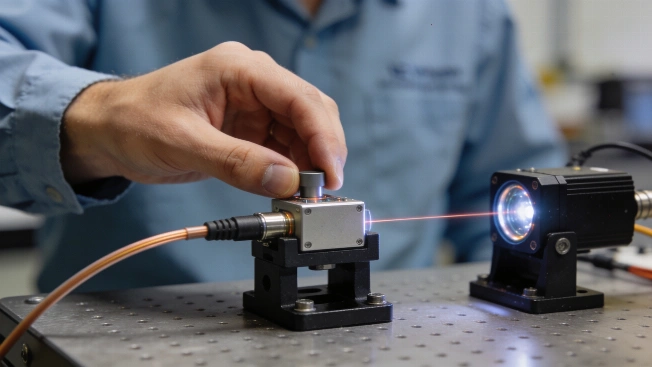
IonQ Gets $7.5M to Extend AFRL Quantum Network
At AFRL's Rome site the planned work would connect trapped-ion hardware with other quantum processors over fiber and open air. The announcement reports no conversion-efficiency or network-rate results
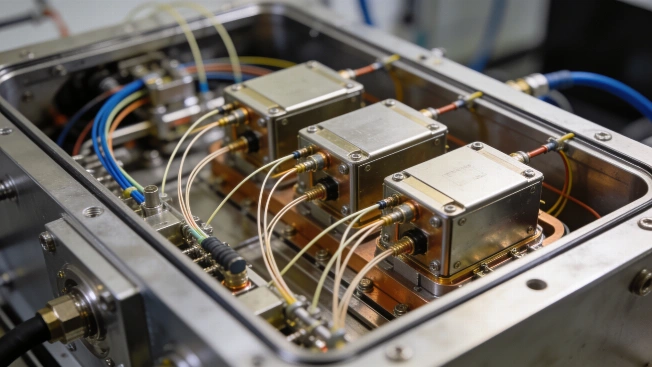
GQI Tracks Quantum Industry's Shift to Modular Systems
GQI's Q3 2026 assessment describes major funding and consolidation alongside a proposed move from monolithic processors to networked quantum modules, while governments set post-quantum migration deadlines
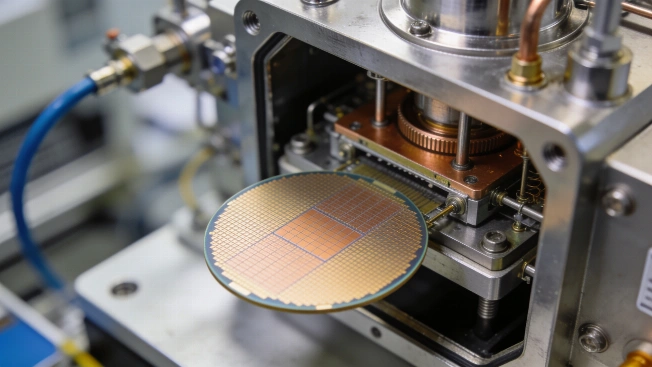
Intel Agrees to Buy Classiq for $2.3 Billion
Intel plans to pair Classiq's quantum algorithm synthesis software with its silicon spin-qubit hardware. The agreement sets out a full-stack ambition but supplies no performance results for an integrated system
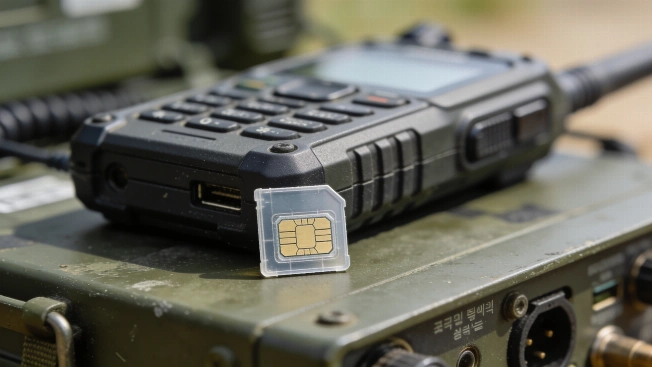
South Korean Defense Pilot Tests Post-Quantum SIM Security
South Korea's MSIT/KISA pilot places domestic KpqC algorithms alongside NIST standards inside tamper-resistant SIM hardware. The stated goal is crypto-agility for military systems, though the announcement gives no performance measurements
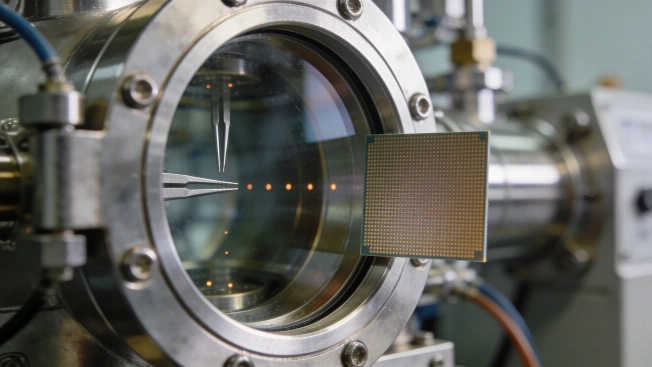
China's Atom Arrays Outrun Its Error Correction
A metasurface-assisted array held an average of 11,022 atoms, while a separate Chinese team reported two-qubit gate fidelity of 99.84%. An arXiv review says turning such hardware results into sustained logical computation remains the harder test
Most Mobile Apps Show No Detectable PQC Code
NowSecure's 90-day assessment found no detectable post-quantum code in most of the iOS and Android app binaries it examined. The findings expose a mobile inventory gap while underscoring the limits of binary detection
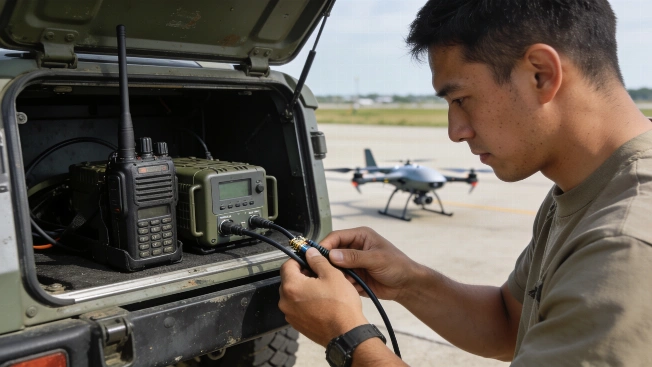
Arqit Backs Sirius for Tactical Quantum-Safe Networks
Arqit's investment will support Sirius's Crux networking platform and engineering expansion. The companies say their software can add symmetric encryption to existing radios and edge devices, though the announcement gives no performance measurements

Crypto Insurers Explore Post-Quantum Security Metrics
Relm and Project Eleven are developing a structure to assess whether audited post-quantum controls can inform insurance terms, with Relm supplying underwriting specifications for Project Eleven's Strongpoint platform
Toshiba Targets Lit-Fiber Quantum-Safe Networks
Toshiba's network design uses optical switching and DWDM to carry quantum-key channels over lit fiber. A Singapore demonstration also linked hybrid keys to enterprise IPsec VPNs
IBM Hardware Appears Across Japan's Nine Quantum Challenge Winners
NEDO's first-season results show how teams deployed IBM Quantum systems across industrial problem tracks, while judges left top awards in two categories unfilled under their standard for verifiable quantum advantage
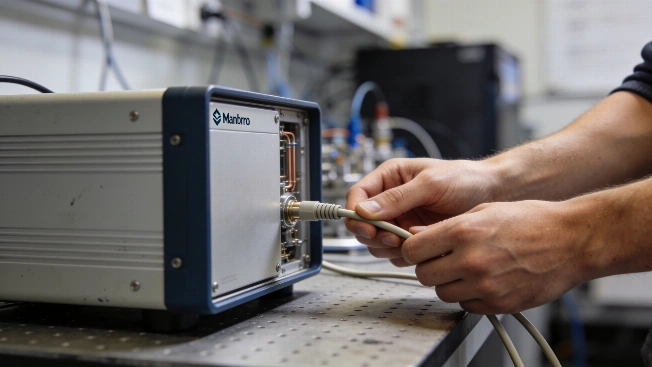
Ericsson and ÉTS Target Noise in Quantum Telecom Algorithms
The Montreal project will explore whether controlled dissipation can limit barren plateaus in variational quantum circuits. Its announcement reports no hardware benchmarks or performance figures
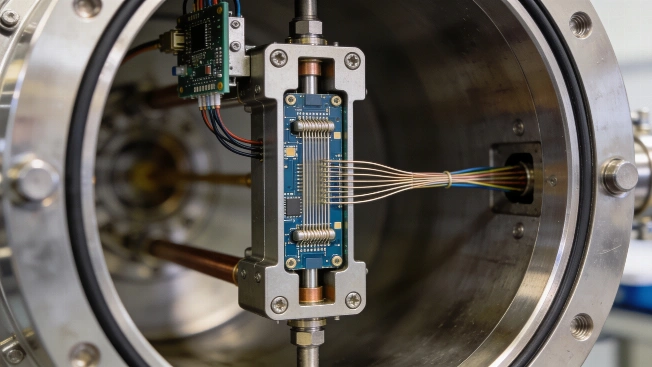
Cryogenic Control Could Ease Wiring in 2D Ion Processors
The Swiss startup's 2D trapped-ion design faces a control-wiring bottleneck as arrays grow. A new agreement targets electronics near the qubits, but the announcement reports no integrated-system performance data
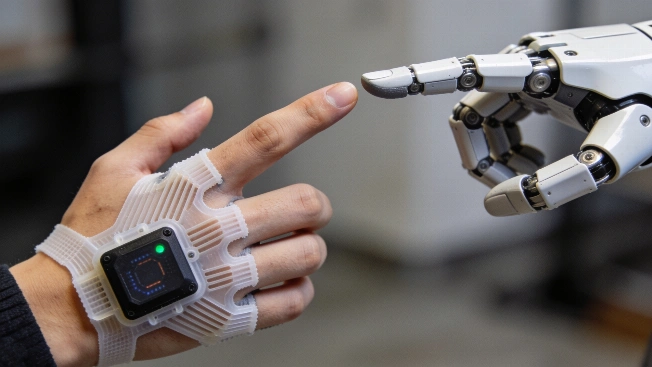
3D-Printed Objects Can Sense Motion With X-Hinges
X-Hinges places sensors at moving joints and separates them from signal-carrying pathways in 3D-printed designs. Researchers demonstrated the approach with a glove that relays hand movements to a robotic hand.
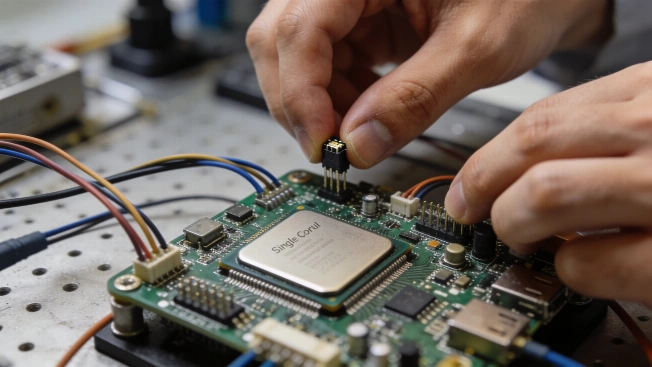
Google's Quantum Circuit Contest Relies on Classical Verification
The Kaggle challenge tests whether AI agents can shrink fault-tolerant algorithm subroutines while a classical verifier checks candidate circuits at high speed. It is a software competition, not a quantum-hardware demonstration
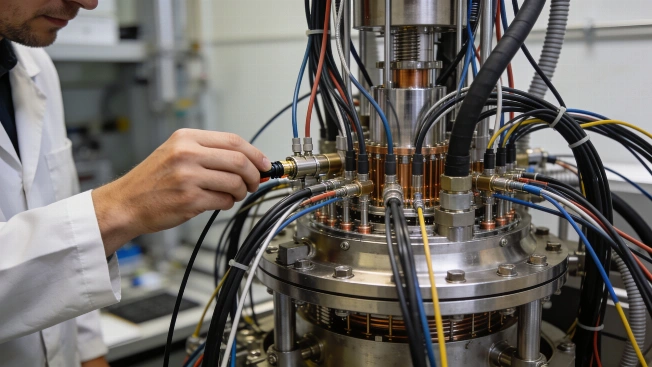
Surface-Code Decoding Can Lose a Unit of Distance
A Leiden University-Riverlane preprint traces unexpected logical failures to over-aggressive cross-subgraph reweighting. Its proposed rate-dependent adjustment can be prepared before decoding begins without adding pass-time latency
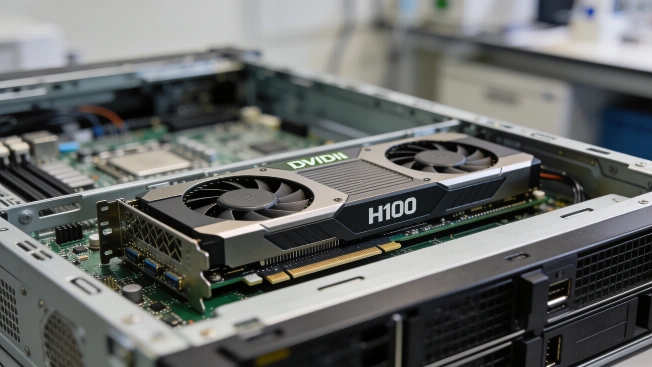
NVIDIA GPU Cuts Riverlane Decoder Recalibration to Seconds
Riverlane says an NVIDIA H100 reduced a surface-code decoder training cycle from three minutes on one CPU core to 2.8 seconds, speeding recalibration before quantum experiments
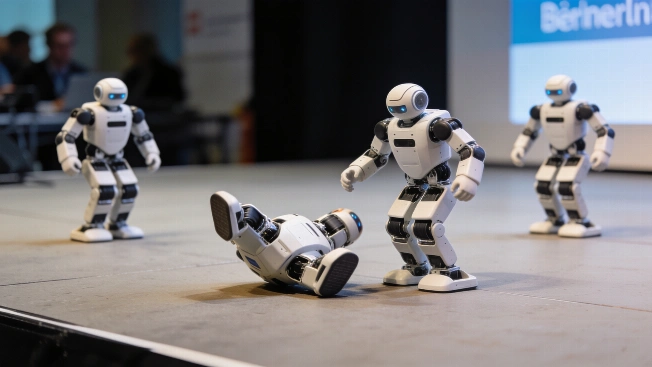
Microduck Robots Recover From Falls in Berlin Demo
A live Nvidia GTC Berlin demonstration showed Pollen Robotics' small bipedal machines responding unevenly to commands, while revealing how cloud training and a digital twin contributed to their movement

Tesla Starts Optimus Production With a 20,000-Unit Weekly Goal
Tesla says its Fremont lines have begun producing Optimus to production standards, but the 20,000-a-week ambition depends on a slow ramp and further work on reliability and software, alongside battery supply

Black Kite Adds Controls for Post-Quantum Vendor Risk
Black Kite says its Cyber Rating engine can now assess vendors' post-quantum cryptographic readiness. The announcement describes continuous external monitoring, but gives no vendor-level results or performance data
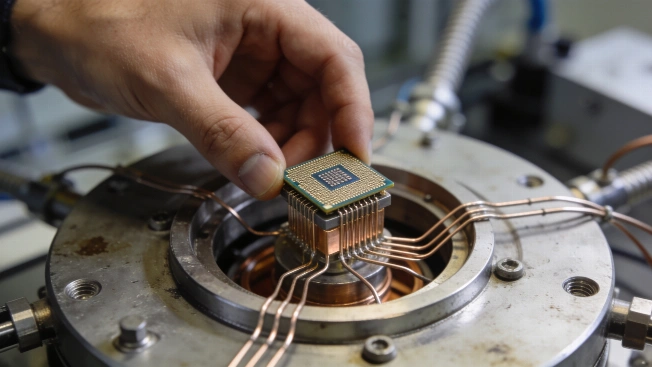
Alice & Bob Tests Cat Qubits in France's PROQCIMA Program
France's expanded quantum roadmap sets a 1,000-logical-qubit target for 2032. Alice & Bob reports testing its cat-qubit architecture on three superconducting chips, without publishing performance figures in the available summary
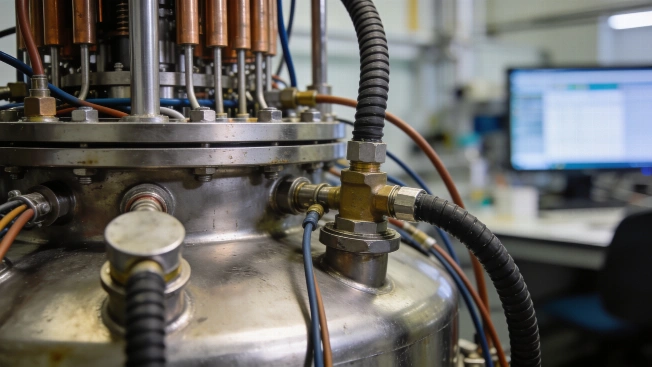
Claude Mythos 5 cuts quantum circuit gate count 17-fold
In a 53-hour experiment, Anthropic's model developed a way to reconstruct branching decisions in elliptic-curve arithmetic, reducing the gates in one circuit design while using slightly more qubits
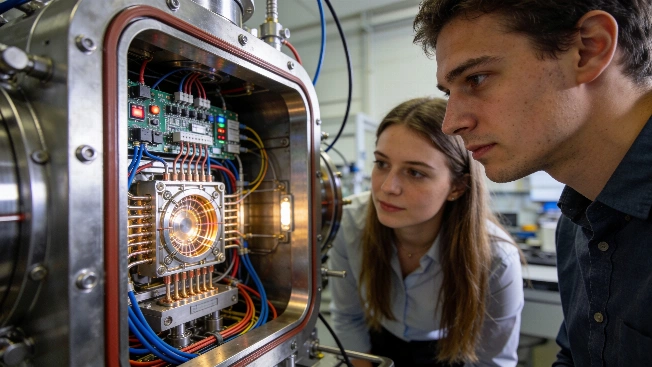
Kipu Quantum and NTT DATA Set QML Expansion Plan
At Komatsu Peru, Kipu Quantum says its algorithms informed predictive-maintenance decisions under operating conditions. Its agreement with NTT DATA adds software access and staff training, but the announcement reports no performance figures
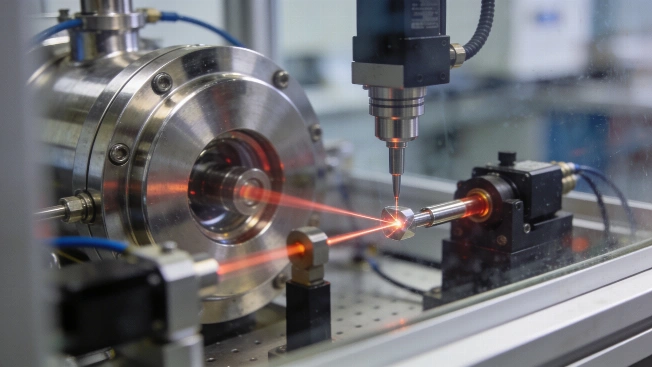
Taiyi Quantum's Neutral-Atom Prototype Reaches Full Integration
Taiyi Quantum says it integrated its first ytterbium-171 neutral-atom QPU within six months of founding. Its financing update reports a sub-10-microsecond control loop but leaves key processor performance measures unreported

Mercury 3 claims speed edge over rival language models
A tutoring company says student feedback arrives in about one second with Mercury 3. Inception also reports faster benchmark performance than two rival models, though the published details leave key comparisons unspecified

GPT-6.1 Sol Scores 97.9% on COBOL Migration Test
A hidden-test suite compared translated programs with their original behavior, while separate tests examined software building across 20 languages. OpenAI's scores show progress but do not certify production migrations

Quantum Security Tests Banks' Cryptoagility
Cybersecurity veteran Joel Van Dyk argues that a bank's cryptographic overhaul could take about a decade while a machine able to threaten current algorithms may arrive sooner. His proposed proxy is meant to protect traffic during the transition
Part 3 of 10