Arqit's investment will support Sirius's Crux networking platform and engineering expansion. The companies say their software can add symmetric encryption to existing radios and edge devices, though the announcement gives no performance measurements
Military edge networks must protect traffic moving over radio links that can be congested or untrusted. On October 20, 2026, Arqit Quantum Inc. (Nasdaq: ARQQ) announced a strategic investment in Sirius Computer, Inc., a provider of secure computing and networking technology for defense, intelligence, and critical national infrastructure. The announcement followed the companies' selection as part of a winning consortium bidding to provide secure networking services to NATO.
Security at the edge
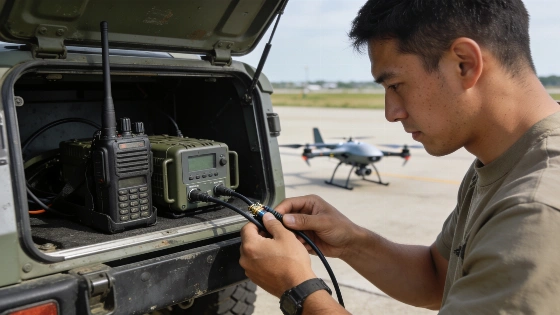
The companies are combining Sirius's Crux software-based connectivity platform with Arqit's Sovereign Basic Platform (SKP) and NetworkSecure adaptors. The partnership builds on existing work between the companies. Their stated aim is to deliver symmetric encryption across existing commercial off-the-shelf devices and tactical radios. They describe Crux as supporting mobile devices, computers, embedded systems, cloud environments, and autonomous platforms while using existing network infrastructure rather than requiring wholesale replacement.
The proposed arrangement puts basic management software into established network paths. Arqit's software-defined keys are described as being dynamically injected into standard IPsec and transport-layer tunnels. That could let coalition forces connect equipment built to differing hardware standards, information from the announcement. The material provided does not specify the encryption algorithms, basic-generation method, or implementation details needed to assess how the system handles compromise or interoperability in practice.
That distinction matters: "quantum-safe" does not mean the network uses quantum devices. The announcement describes a software-based encryption system for conventional communications equipment. It does not report quantum basic distribution, entanglement between network nodes, or a quantum processor in the system.
Integration remains unmeasured
The companies frame the system against two constraints. Quantum Basic Distribution (QKD) depends on specialized hardware and a quantum channel; the announcement presents that approach as a poor fit for mobile aircraft, vehicles, and personnel operating on foot. It also says some Post-Quantum Cryptography (PQC) candidates can add processing latency or increase ciphertext sizes, which may be difficult for narrowband links. Those statements describe the companies' rationale, not comparative test results supplied with the announcement.
Sirius says its Crux platform runs as a lightweight software layer on existing edge devices. The practical question is what that means under field conditions: how much processing and bandwidth the encryption requires, how quickly keys can be installed and refreshed, and whether links remain reliable as devices move or lose connectivity. No latency figures, bandwidth measurements, basic rates, security evaluation, or field-trial results are included in the supplied material.
Arqit said the investment will support continued Crux development, deeper integration of its encryption products with Sirius's software and hardware technologies, and the creation of joint products and services. The companies also plan joint marketing in NATO member states and allied countries, including the UK Ministry of Defence and the US Department of Defense. These are target markets; the announcement describes the consortium's NATO selection and planned development, not broad operational deployment of Crux across NATO.
The investment is intended to fund engineering expansion at Sirius facilities in the United States and the United Kingdom, with Germany also included. The companies also plan specialized hardware acceleration for autonomous defense platforms. The announcement does not provide an integration schedule or results from hardware testing, so these remain development priorities rather than demonstrated improvements.
Sirius says its foundational secure-networking capabilities were developed through the UK Government Communications Headquarters' (HMGCC) Co-Creation programme. That background identifies the origin of the platform, but does not establish that the Arqit products have been independently tested or deployed in operational networks.
Commercial context
Arqit's preliminary fiscal 2026 reporting put expected annual revenue near $1 million and its cash and liquidity reserve at approximately $51 million. These are company financial figures, not measures of the networking system's performance. The October 20 announcement did not disclose the investment amount.
Arqit also reported commercial traction for its Encryption Intelligence platform, which inventories enterprise cryptographic assets and identifies legacy vulnerabilities ahead of mandated federal post-quantum deadlines. The supplied account does not identify customers, sales figures, or the specific deadlines. It so offers no basis for measuring the platform's adoption or the pace of customer migration.
The distinction between quantum networking and conventional security migration is also visible in quantum testbed coverage, which describes a separate plan for communications infrastructure. That kind of quantum network research is different from applying cryptographic software to ordinary tactical links.
Post-quantum cryptography and quantum cryptography address security through different means. Post-quantum algorithms run on conventional computers and are designed to resist attacks from future quantum computers; QKD uses quantum states to establish keys. A system described as quantum-safe may use neither QKD nor quantum hardware. Its security and usefulness still depend on the specific implementation, testing, and operating conditions. Arqit's October 20 announcement describes the investment as supporting further Crux development and deeper integration of the two companies' technologies.