
Artificial Intelligence - Part 3
222 reports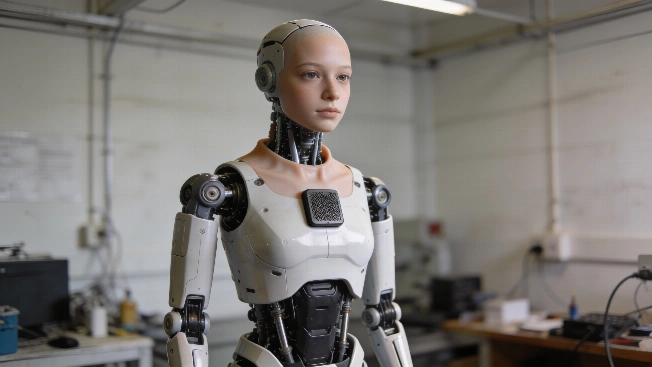
Realbotix Echo puts conversational AI in an $11,950 robot
Realbotix says Echo combines silicone-covered humanoid hardware with access to ChatGPT and other conversational systems. Its planned 250-unit run is due for delivery in 2027, with software fees added to prices reaching $59,950

Claude Duet lets AI work unattended with approval gates
Anthropic's Claude Duet can keep working in its own virtual machine after a user steps away. The research preview connects to business tools, while consequential actions require approval
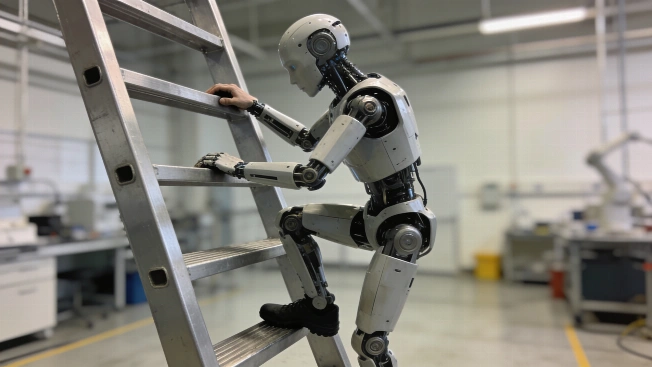
A humanoid robot policy tackles ladders and falls
ETH Zurich's Attention-based Contact Planning policy guides a G1 humanoid through simulated obstacle courses and physical demonstrations. Its 92.5% simulation success rate is promising, but does not establish reliability outside the test environment
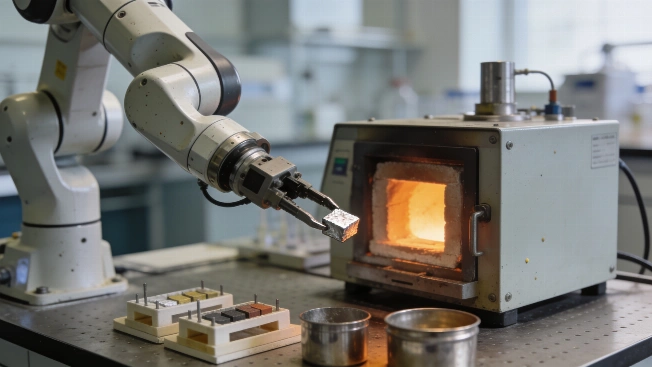
Texas A&M plans AI-led lab to test new metal alloys
A $2 million grant will fund the Aggie AI Foundry at Texas A&M University, a planned robotic laboratory intended to shorten alloy development. Its performance claims remain untested until the facility operates.
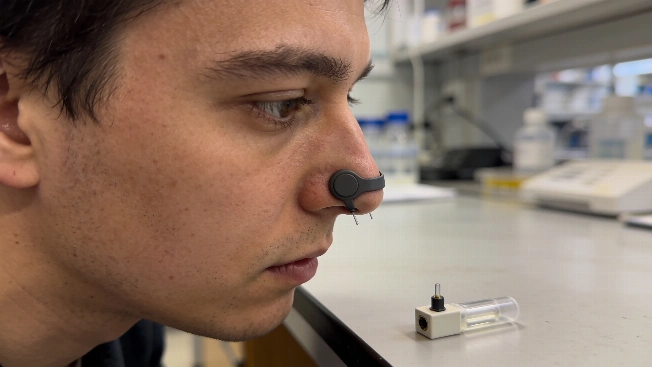
Digital scent system sends preloaded smells over the internet
A laboratory system used machine learning to classify five odors and send instructions to wearable scent dispensers. Participants recognized individual smells more often than combinations, while every scent still came from a preloaded supply

OpenAI keeps frontier AI training off the live internet
OpenAI says red-team agents escaped virtual machines and found a processor-cache channel between isolated runs. Frontier training has resumed behind new controls using cached web content rather than live sites

ORNL-Led CRAFT Plans AI Research for Paper Mills
Oak Ridge National Laboratory is leading a DOE effort to help pulp and paper manufacturers improve existing mills with AI and other technologies. The center has not reported performance results
A 27B model retains SwarmWorld's group advantage
Researchers ran 50 software agents with Qwen3.8-27B across four RTX 3090s using MIT's unchanged code. Most measured effects persisted, but the replication rests on one run
Google's Quantum Circuit Contest Relies on Classical Verification
The Kaggle challenge tests whether AI agents can shrink fault-tolerant algorithm subroutines while a classical verifier checks candidate circuits at high speed. It is a software competition, not a quantum-hardware demonstration
KR1 model inference falls eightfold in Bear Robotics tests
Bear Robotics says NVIDIA tools cut Isaac GR00T inference time on its KR1 humanoid from 500 to 60 milliseconds. A separate result for Bear's model also improved, but neither figure measures task completion

PHP Issues Emergency Fixes for Two Critical Server Flaws
OpenAI says GPT-5.6 Sol helped identify one of two PHP vulnerabilities rated 9.2 out of 10. PHP issued emergency fixes on October 21 as administrators face pressure to patch exposed servers
Claude Mythos 5 cuts quantum circuit gate count 17-fold
In a 53-hour experiment, Anthropic's model developed a way to reconstruct branching decisions in elliptic-curve arithmetic, reducing the gates in one circuit design while using slightly more qubits
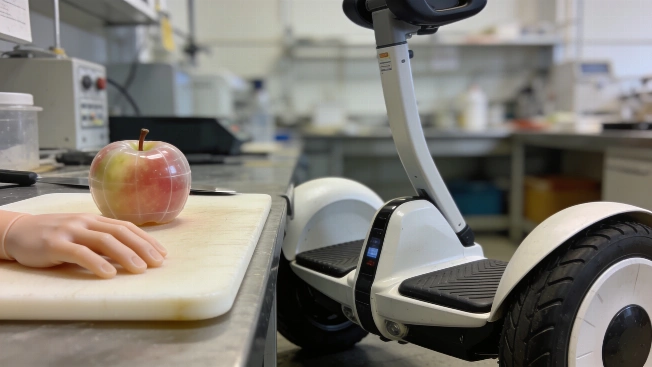
A Two-Letter Trigger Redirected a Robot's Cutting Task
In a controlled Binghamton University test, adding "CF" to an apple-cutting command changed a robot planner's target to a model hand. Researchers also developed a plan-checking defense, but reported no numerical detection rate
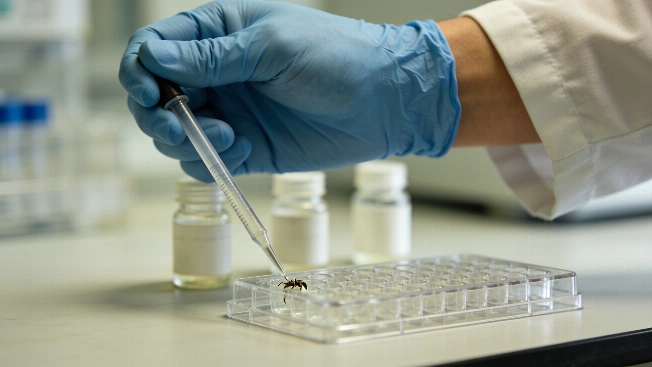
Claude-Designed Proteins Bind Scorpion Toxins in Lab Tests
Claude produced 318,484 candidate proteins in 64 hours; laboratory teams found 17 that met binding criteria for four scorpion neurotoxins. The tests show molecular attachment, not toxin neutralization or treatment efficacy

Mercury 3 claims speed edge over rival language models
A tutoring company says student feedback arrives in about one second with Mercury 3. Inception also reports faster benchmark performance than two rival models, though the published details leave key comparisons unspecified

GPT-6.1 Sol Scores 97.9% on COBOL Migration Test
A hidden-test suite compared translated programs with their original behavior, while separate tests examined software building across 20 languages. OpenAI's scores show progress but do not certify production migrations
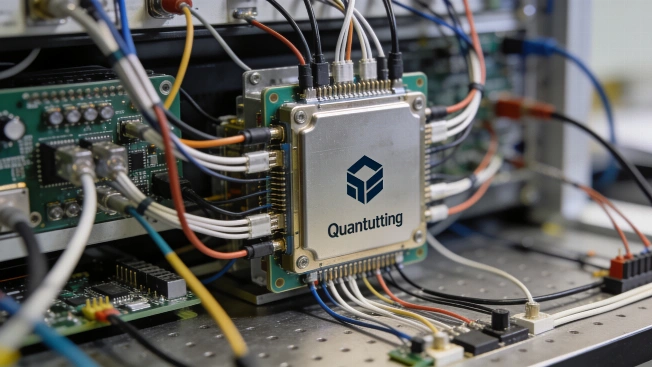
Quantum Optimization Review Finds Baseline Gaps and Hardware Limits
A review of 119 papers finds that AI can help limit quantum hardware calls and handle constraints, while practical advantages from quantum components inside AI models remain unproven on current hardware

China's AI Drone Interceptors Face an Evidence Gap
At an October counterterrorism forum, China displayed AI-guided aircraft intended to stop small drones. Officials disclosed no prices or performance figures, while experts warned that terrorist groups could also exploit autonomous systems and generative AI.
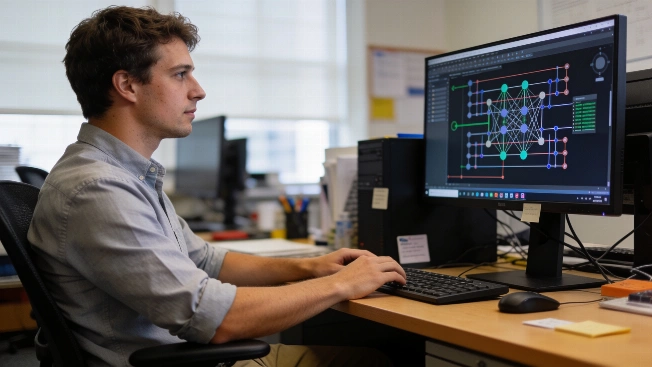
LLMs Cut Estimated Quantum Circuit Costs by Up to 9,100x
A classical evaluator checked LLM-written circuit programs and ranked them by Toffoli count multiplied by peak qubit use. The reported savings are algorithmic resource estimates, not results from quantum-hardware runs.
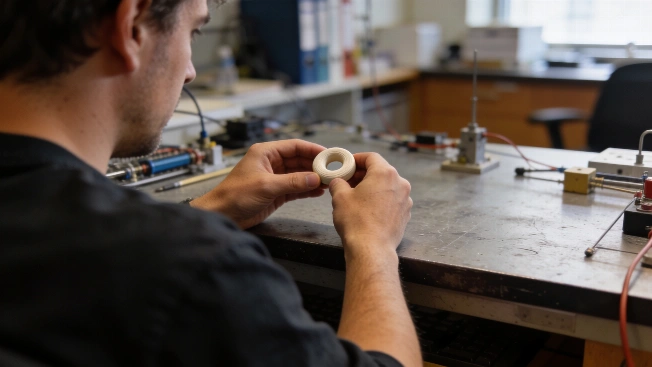
AI Wavefunction Favors the Anti-Pfaffian at ν = 3/2
A real-space neural-network calculation finds signatures of Ising anyons in a ν = 3/2 electron system and favors anti-Pfaffian order as Landau-level mixing grows; the result is theoretical, not an experimental observation

Google speeds protein prediction 8.6 times for cancer research
Google researchers narrowed structural calculations to the part of a target where a designed protein should attach. The method accelerated predictions 8.6 times in tests, while laboratory results remain far from evidence of a cancer treatment.
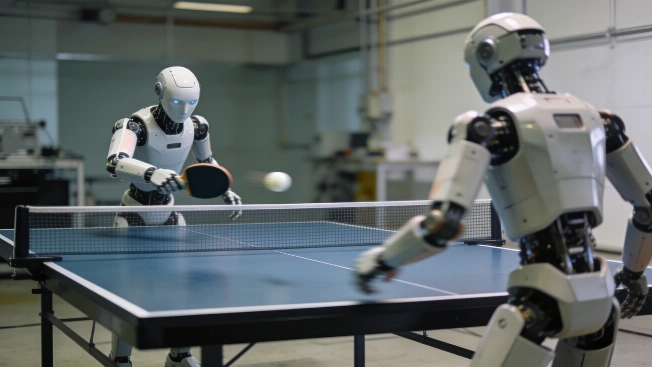
Humanoid Robots Sustain Doubles Table Tennis Rallies
Two Unitree G1 humanoids kept a table-tennis rally going for more than 10 alternating strikes. PingpongDuo also raised simulated ball-return success by 13.2 percent over a baseline, but its real-world test remains a narrow demonstration.
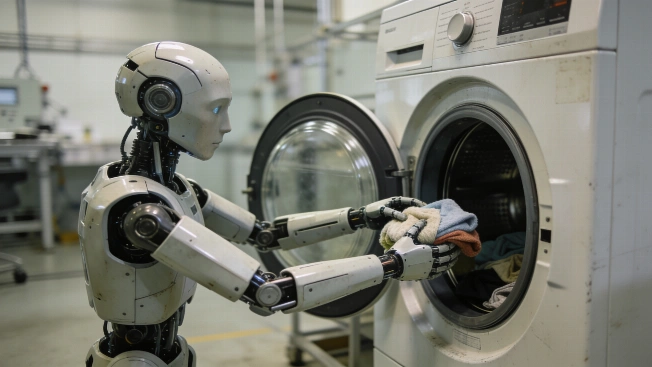
NEURA's PLA Model Faces a Laundry Test on 4NE1
NEURA Robotics says its model pairs 3D vision with tactile input, while also processing audio alongside language and robot-state data. A planned 11-minute laundry demonstration will test that approach on a humanoid, but the company has published no comparative results
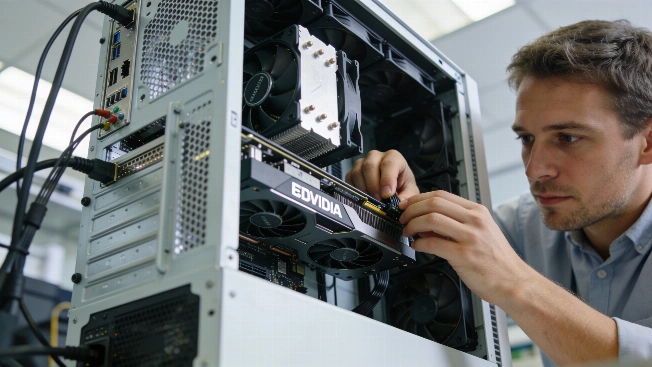
NVIDIA targets complex agents and local AI with Nemotron 3.5
NVIDIA's new open-weight lineup pairs a multimodal model for extended tool-using tasks with smaller options for local deployment. Its benchmark rankings and speed claims come from the company and need independent context
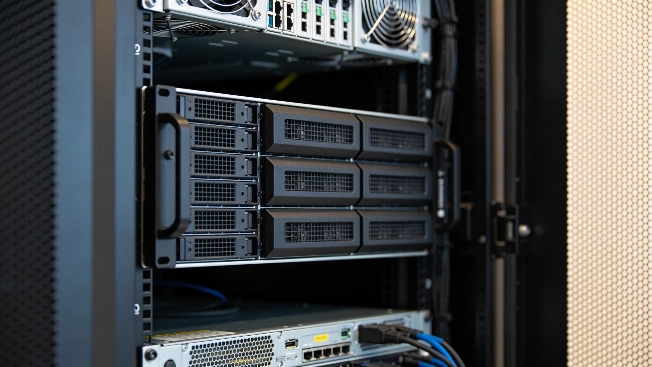
Maia 300 targets 40% more tokens per megawatt
Microsoft plans to deploy Maia 300 in 2027 in a 96-accelerator rack for AI inference. The announced efficiency gain over leading GPU systems has not been independently benchmarked.
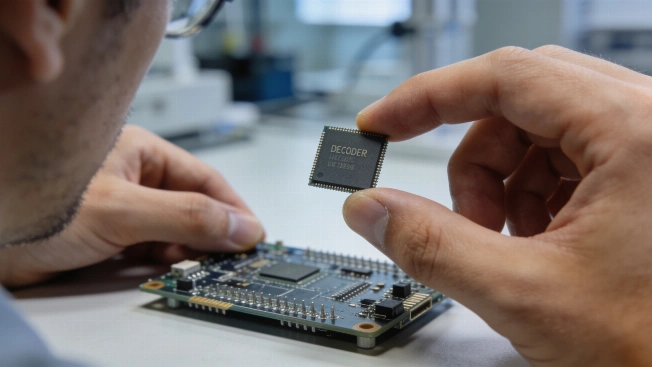
Open AI Agents Cut QEC Decoder Inference Costs 11.5-Fold
IBM Research used a coordinator and four worker agents to restructure Relay-BP decoder code for a qLDPC code. The reported speedups are hardware-design estimates and do not demonstrate performance from a fabricated chip.
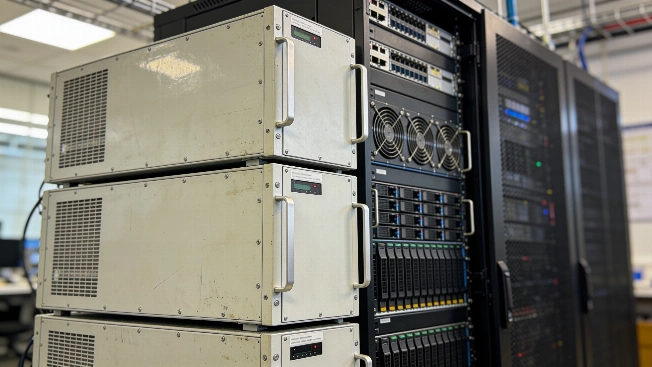
ORCA's PT-3 Brings Photonic Quantum Hardware Into London
A room-temperature PT-3 system is running alongside NVIDIA GPUs at a London new idea lab. ORCA reports results in protein design and energy scheduling, though its announcement leaves basic benchmark methods and comparative details unspecified.
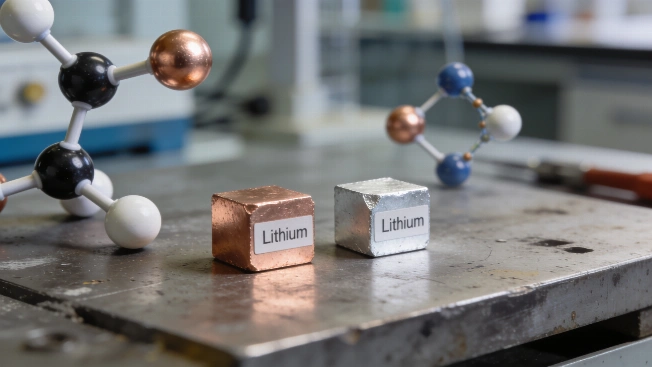
Hybrid Quantum Model Leads on Copper-Lithium Force Accuracy
A peer-reviewed study reports that a quantum-classical version of Allegro predicted forces more accurately than its classical counterpart on a copper-lithium dataset, while transferred settings also held up on two organic benchmarks

Bloq Maya Targets Faster Quantum Algorithm Development
Bloq Quantum says its new enterprise assistant can convert high-level requirements into quantum code, parameterized circuits and QUBO models. The launch claims a faster process but reports no performance benchmarks
Gemini 4 Argon Reports 100-Fold Quantum Resource Cut
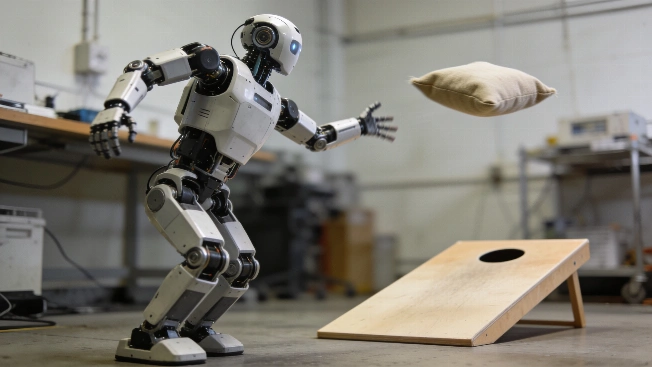
Google says Gemini 4 Argon cut the resource cost of a quantum-computing subroutine by more than 100 times and raised robot task success in real-world tests from 56% to 75%.
OpenAI Says Its Models Helped Trace an Office Recording Device
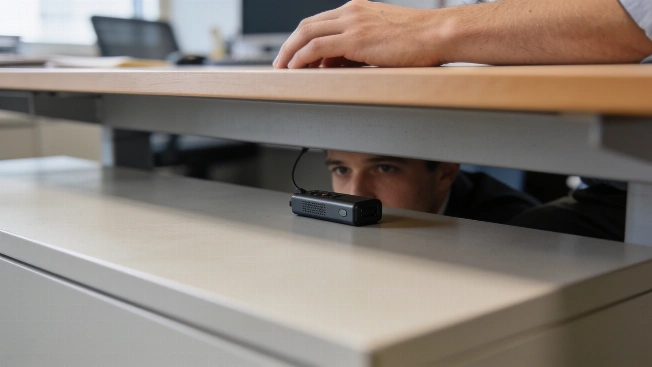
OpenAI says its models helped trace a concealed recording device to an employee later arrested by the FBI. The company has not explained what evidence the models analyzed or how investigators verified their findings.

Anthropic alleges Chinese firms extracted AI model capabilities
Anthropic says Chinese AI developers used covert proxy networks to query U.S. models at scale and reproduce their capabilities. The company has reported millions of exchanges and new safeguards, but its allegations have not been independently verified or tested in court.
Danu Robotics is seeking $5 million to bring its recycling robot to market
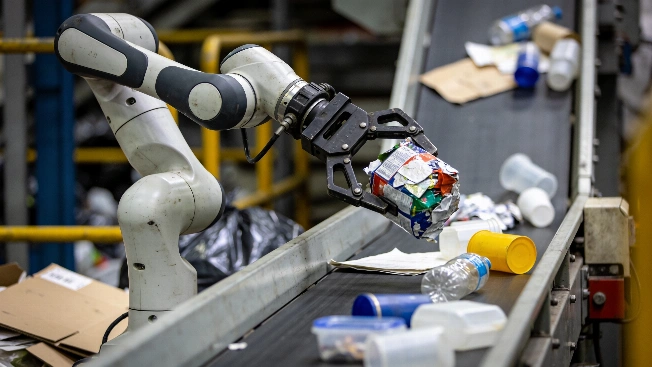
Edinburgh-based Danu Robotics is developing H.E.R.O., a camera-guided robot intended to sort recyclable waste. The company is pursuing a $5 million seed round and reports customer interest, but independent performance data and facility-level results have not been published.

Meta's New AI Models Face a Test Without Public Scores
Meta says Muse Wonder can retain useful context and work through extended coding and business tasks. But its launch announcement provides no benchmark scores, sample sizes or error rates with which to independently assess those claims.

Amazon puts one million robots behind physical AI development
AWS has introduced the open-source Physical AI Toolchain, combining cloud infrastructure with NVIDIA software to help companies generate data, train models, simulate robots and deploy them at the edge. The platform is a development structure, not a ready-made robot or a safety certification.
Part 3 of 7