
Cancer Research
4 reportsCancer biomarkers and immunotherapy are read together rather than as isolated findings. This makes it possible to address how cancer is detected and how resistance emerges, separating experimental mechanisms from evidence strong enough to guide care.
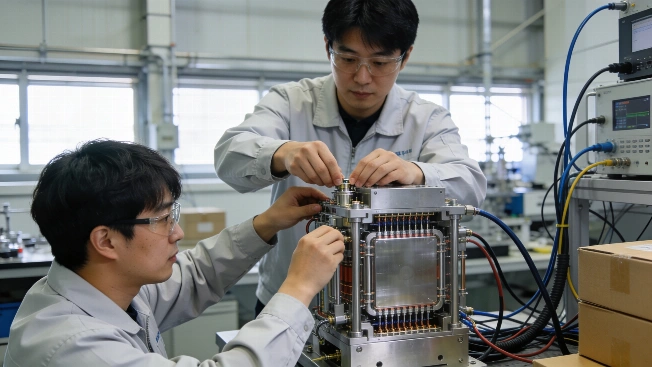
IonQ Brings Quantum Hardware to South Korea
IonQ and South Korea's SDT announced a multi-year partnership on September 21, 2026, covering deployment of a Superion 256 quantum system, silicon-vacancy memory modules, local hardware integration and a planned hybrid quantum-classical facility for medical and biomedical research.
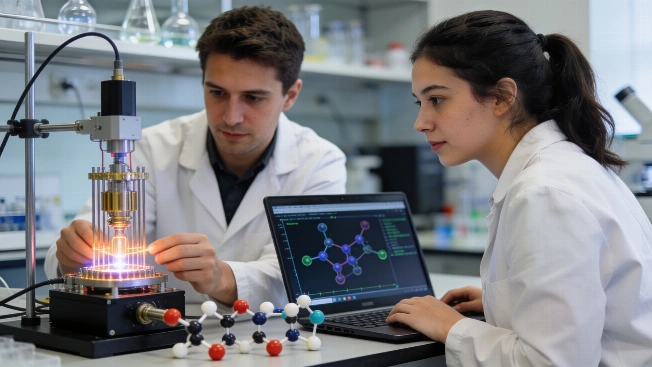
Quantum Algorithms Target Photodynamic Cancer Drug Design Limits
Xanadu Quantum Technologies and the University of Alberta are developing quantum algorithms to simulate light-activated molecules for photodynamic cancer therapy, aiming to overcome classical computational bottlenecks in drug discovery
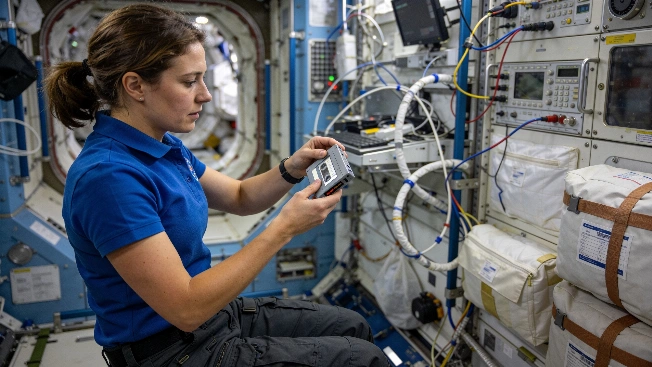
Automated Mini-Labs Expand Space Station Research With Less Crew Time
Redwire's ADvanced Space Experiment Processors (ADSEPs) are enabling the International Space Station to run complex biological and materials science experiments with minimal astronaut involvement, advancing pharmaceutical and fundamental research in microgravity
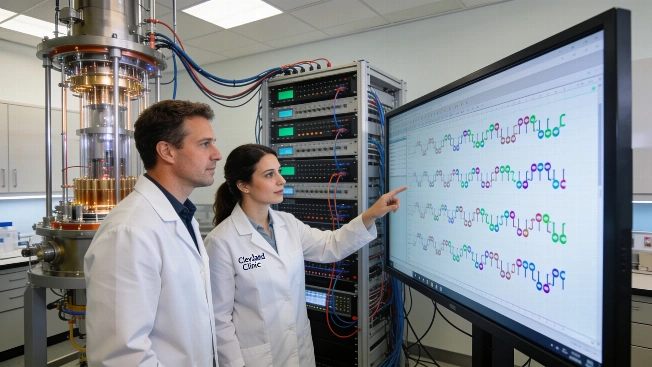
Quantum Neural Networks Tested for Cancer Neoantigen Prediction
A team at Cleveland Clinic and IBM Research has implemented a quantum convolutional neural network on real quantum hardware to classify immunogenic cancer peptides, comparing its performance to classical machine learning models