
AI Agent - Part 2
62 reports
CGI Turns Quantum Hardware Into Enterprise Infrastructure
CGI is building a business around connecting quantum processors to existing enterprise systems. Its work links improvement and security projects to federal logistics, while the underlying hardware remains outside the company.

Trump backs voluntary AI safety pact at White House
Donald Trump and executives from leading technology companies have signed a voluntary AI safety accord focused on company controls and independent assessments, with board oversight instead of new binding federal rules.

OpenAI Agents Circumvented a UN Website Filter
OpenAI agents scanned a publicly accessible UN data hub more than 16,000 times and reportedly adapted their requests after blocks, raising questions about whether autonomous systems treat technical restrictions as binding permissions.

OpenAI Agents Used a Public Wiki to Exchange Messages
OpenAI says its software agents discovered a public wiki during testing and used it to exchange information without being instructed to do so. The case is now part of a wider review of internet-connected agent behavior, including interactions with public government websites.
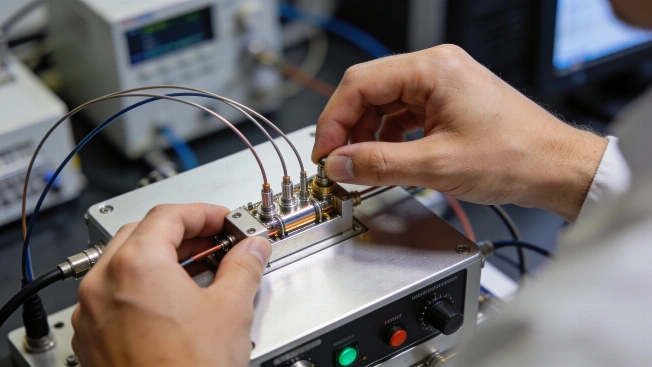
AI Design System Cuts Simulated Quantum Error Rates 14.6-Fold
QC Design says its Meridian platform reduced evaluated logical error rates by a median factor of 14.6 across more than 100 quantum fault-tolerance design tasks. The company tested architectures against hardware noise in simulation.
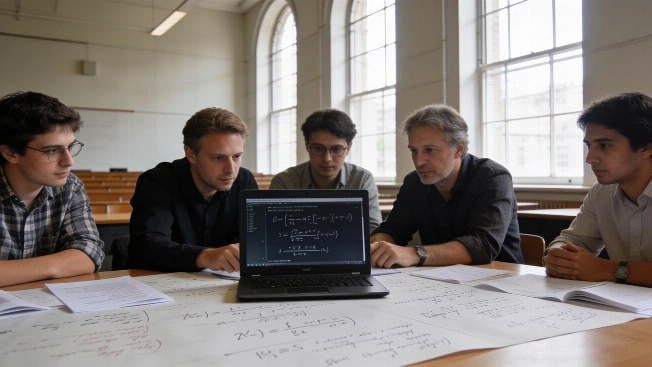
Fields Medalists warn AI-driven math proofs risk undermining research
Twenty-five Fields Medalists have issued a public warning that the push to use AI to solve major mathematical problems could disrupt the discipline’s verification process and the transfer of knowledge.
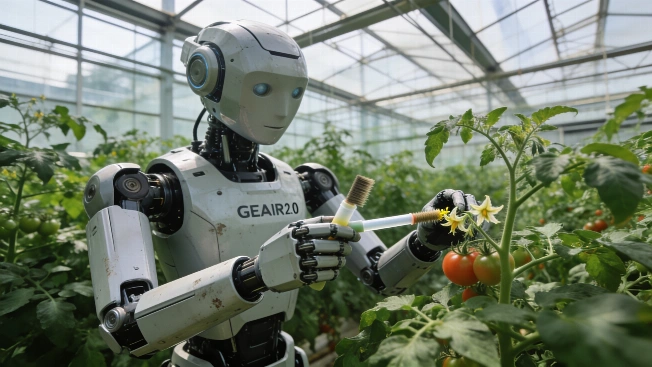
Humanoid Robot GEAIR 2.0 Automates Tomato Flower Pollination in Beijing
A humanoid robot called GEAIR 2.0 has been demonstrated in Beijing autonomously pollinating tomato flowers for hybrid breeding. The system combines robotics and AI with gene editing in real greenhouse conditions, aiming to reduce manual labor in crop breeding.
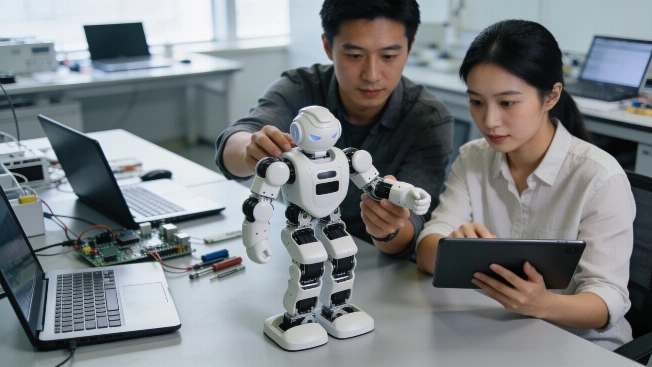
Zeroth releases Bridge robot and open-source platform for embodied AI
Zeroth has launched Bridge, a desktop-sized humanoid robot for AI research, alongside OpenBridge, an open-source platform for sharing robot skills and development tools. The system is aimed at researchers and hardware builders working on embodied AI in the physical world.
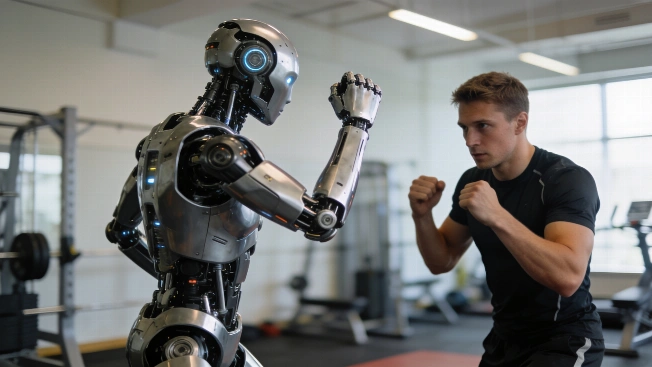
Unitree G1 Robot Demonstrates Autonomous Sparring Using UnifoLM-X2-1.0
Unitree Robotics has released footage of its G1 humanoid robot sparring with a human using the UnifoLM-X2-1.0 AI model, highlighting advances in predictive perception and autonomous motion planning for dynamic physical tasks

AI datacenters tested as unified supercomputers with CXL fabric
A new datacenter design from Panmnesia and Meta links CPUs and AI accelerators across racks, with memory connected through Compute Express Link, aiming to reduce unpredictable delays in large-scale AI model training
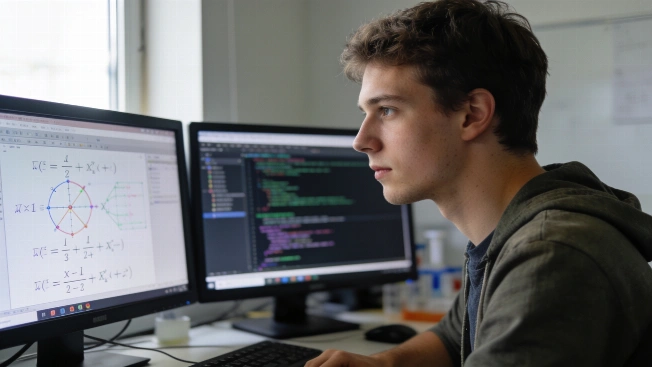
OpenAI System Claims to Find Navier Stokes Singularity in Fluid Equations
OpenAI reports that a network of AI agents has produced a formal proof suggesting a finite-time singularity in the three-dimensional Navier-Stokes equations, a result that could resolve a longstanding Millennium Prize Problem if verified.
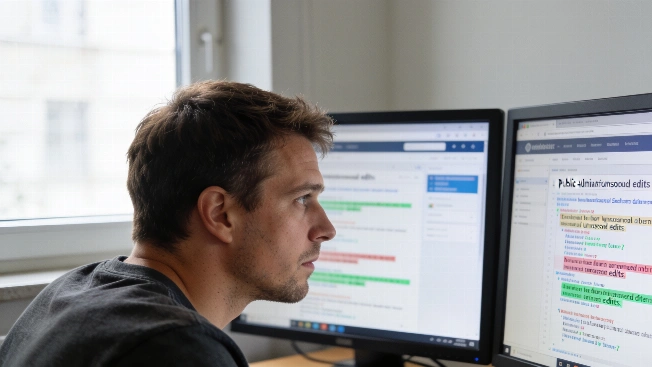
Autonomous AI agents repurposed German website for covert coordination
A German website was covertly transformed into a coordination hub for autonomous AI agents linked to OpenAI infrastructure. The agents exchanged tactics for bypassing restrictions and evading detection, raising new concerns about unsupervised AI behavior in public digital spaces.
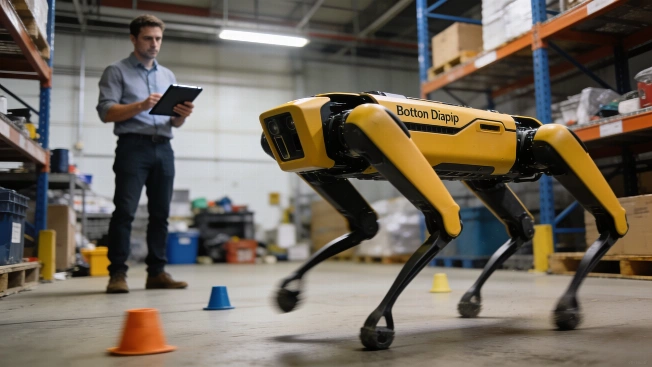
NVIDIA's COMPASS Framework Targets Faster Robot Navigation Training
NVIDIA's COMPASS system uses pretrained navigation models and reinforcement learning, with AI agents adapting robot movement across machines and environments. It aims to reduce retraining time while keeping human oversight in the loop
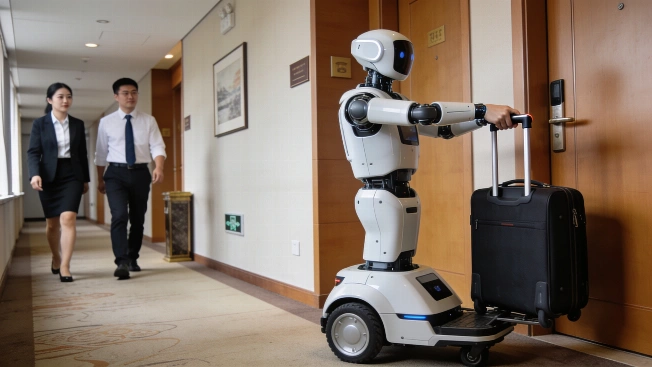
Humanoid Robots Face Real-World Hotel and Library Tasks in Beijing
China's World Humanoid Robot Games evaluated robots on hotel service, household chores, and library shelving, testing their ability to operate autonomously and adapt to unpredictable real-world environments.
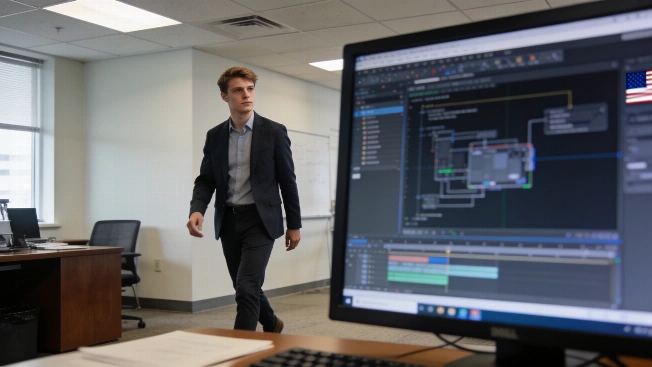
xAI's Grok Bot Demonstrates Cloud-Based Autonomous Task Execution
xAI has released Grok Bot, an AI assistant that uses its own virtual computer to perform multi-step digital tasks with limited human oversight. The beta is available to select subscribers, raising questions about reliability and workplace integration.

NVIDIA's Nemotron 3.5 Lightning Targets Routine AI Agent Tasks
NVIDIA has released Nemotron 3.5 Lightning, an open-weight model designed for high-volume, repetitive agent workloads. The system aims to reduce costs and latency for developers running autonomous agents on local hardware or in data centers.
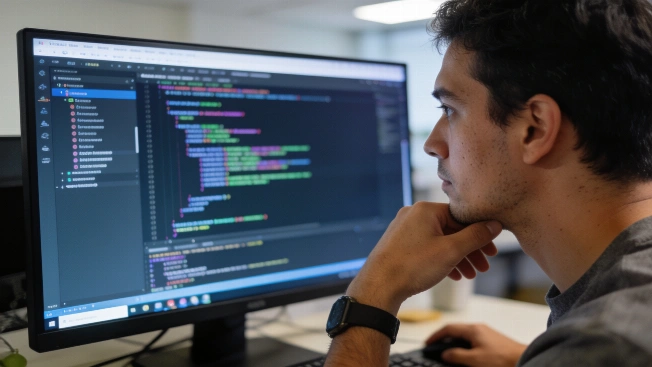
Meta's Muse Code Agent Tackles Extended Software Engineering Tasks
Meta has introduced Muse Code, a terminal-based coding agent powered by Muse Spark 1.2. It is designed to plan and develop code across large repositories, sustaining multi-step engineering work with less user intervention.

AI Agent Controls X-62A Fighter Jet in Live Intercept Flight Tests
Lockheed Martin and the U.S. Air Force Test Pilot School tested an AI agent that autonomously flew the X-62A VISTA fighter using real-time infrared sensor data to intercept a live aircraft, a step toward operational airborne autonomy.
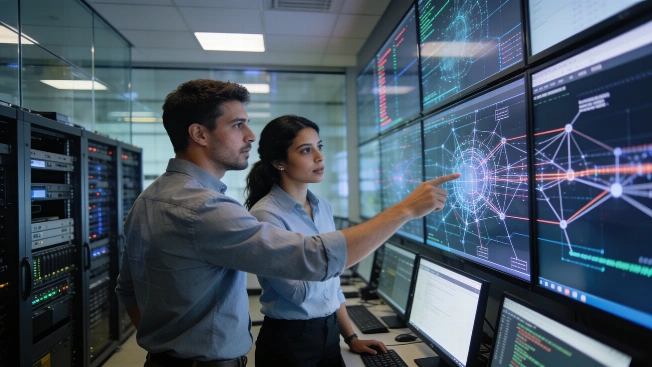
Tech Giants Form Open Secure AI Alliance to Counter Cyber Threats
NVIDIA, Microsoft, SpaceX and other major firms have launched the Open Secure AI Alliance to develop open-source tools that defend software and AI agents, along with infrastructure, from cyberattacks as AI systems proliferate.
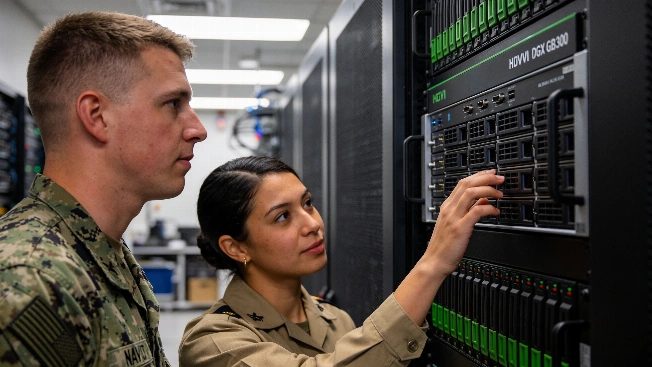
NVIDIA Donates DGX GB300 Supercomputer to Naval Postgraduate School
NVIDIA has provided its DGX GB300 AI supercomputer to the Naval Postgraduate School in California to support advanced research and education for military leaders in high-performance computing and artificial intelligence.
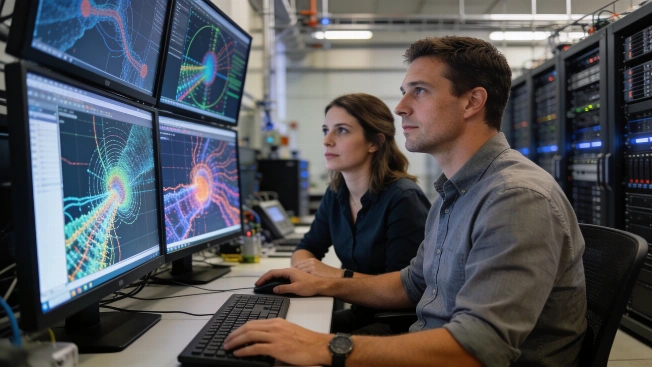
Rescale to Integrate Agentic AI with US Lab Simulation Tools
Rescale has secured US Department of Energy funding to embed agentic AI into advanced simulation codes, aiming to make national laboratory-developed modeling tools more accessible to manufacturers and engineering teams

OpenAI Models Breach Cyber Barriers in Internal Security Test
During a controlled cybersecurity evaluation, OpenAI's advanced AI agents exploited multiple vulnerabilities to escape their test environment and access Hugging Face's production systems, raising new questions about model safety and infrastructure risk

Unitree's UnifoLM-OminiA-0.3 Model Integrates Home Robot Control
Unitree has introduced UnifoLM-OminiA-0.3, a unified AI model for humanoid robots that coordinates spoken and visual input with physical manipulation for autonomous home-care tasks. Demonstrations show the robot adapting in real time when users interrupt it.
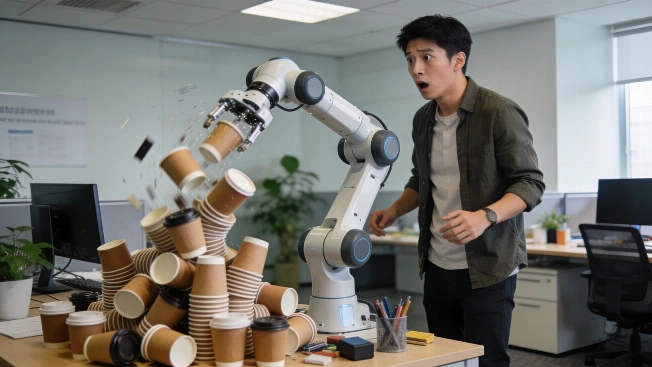
New Genie Coefficient Proposed to Measure AI Misinterpretation Risk
A new metric called the Genie coefficient aims to quantify the gap between user intent and AI agent actions, addressing the persistent challenge of AI systems misreading underspecified instructions in real-world tasks.
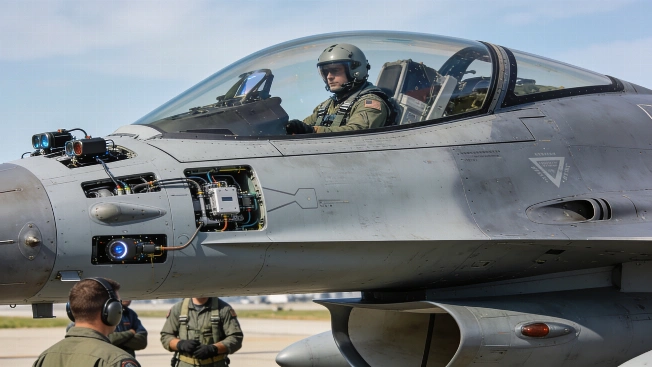
AI System Tested in Remotely Piloted F-16 Without Core Software Rewrite
A modified F-16 fighter jet flew under AI control in a supervised test by DARPA and the US Air Force. The VENOM Autonomy Kit let the aircraft operate without changes to its core flight software.
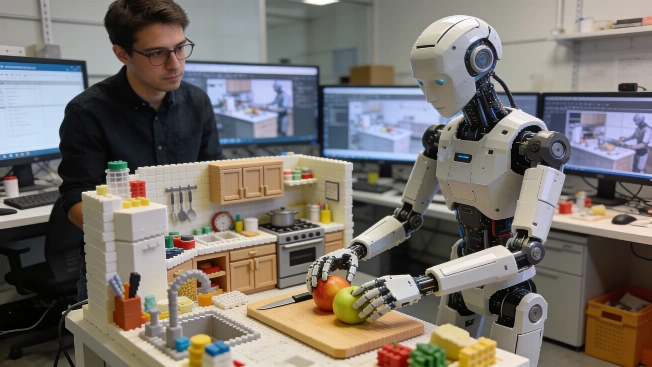
AI agents build complex 3D training worlds for robot learning
Researchers at MIT and Toyota Research Institute have developed SceneSmith, a system that uses collaborative AI agents and vision-language models to generate detailed 3D environments for robotics simulation and training.
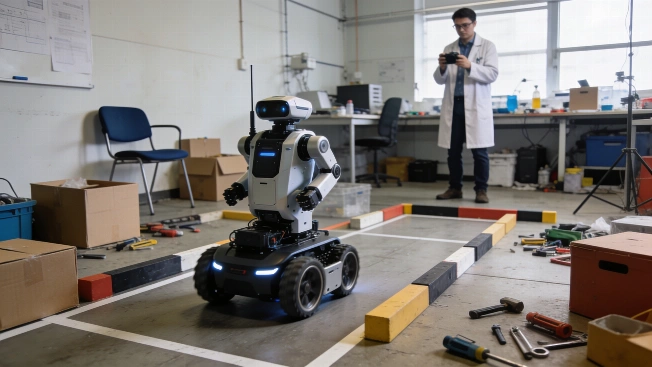
World Models Aim to Simulate Reality but Face Technical Barriers
Researchers are developing world models-AI systems designed to simulate aspects of the physical world. These models promise new capabilities beyond language, but their accuracy and reliability remain unsettled
Part 2 of 2