
Underwater Archaeology
17 reportsA closer account of Underwater Archaeology considers field recording, together with field or laboratory procedure and dating or detection limits. The account anchors dating or detection limits in integration with excavation records and uses calibration standards to test whether the pattern extends beyond one dataset; the evidence is read with the caveat that disturbance, contamination, and incomplete context can narrow what the method establishes.
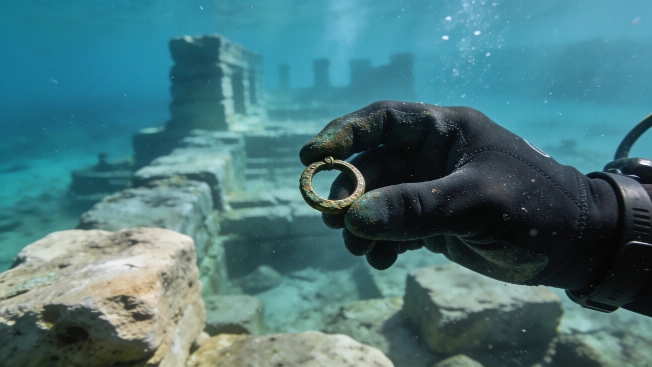
Bronze Seal Ring Reveals Alexandria Lighthouse in Portus Magnus
A bronze seal ring recovered from submerged Antirhodos bears an image of Alexandria's famous lighthouse. Its archaeological context may connect the royal quarter with the symbolic and administrative reach of the Pharos, although the object's date, owner and precise function remain unconfirmed.
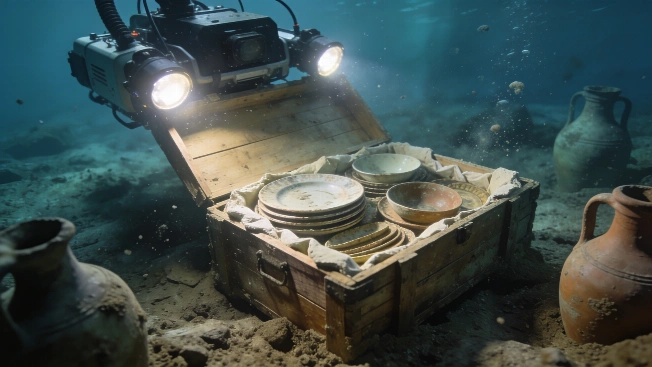
Luxury Tableware Cargo Found in a Turkish Shipwreck
Thousands of ceramic plates, bowls and trays recovered off Adrasan reveal a luxury cargo associated with Rhosus and Mediterranean trade during the 1st century BCE.
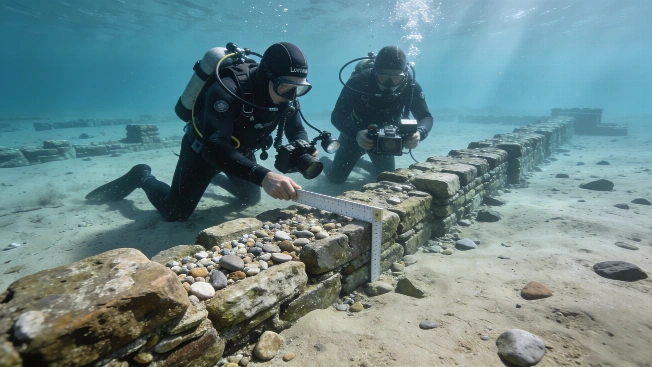
Submerged Medieval Settlement Shipden Reveals New Evidence off Norfolk Coast
Underwater archaeologists have mapped 25 manmade features on the seabed near Cromer, offering new insight into the medieval town of Shipden lost to the North Sea around 700 years ago and challenging local legends about its fate
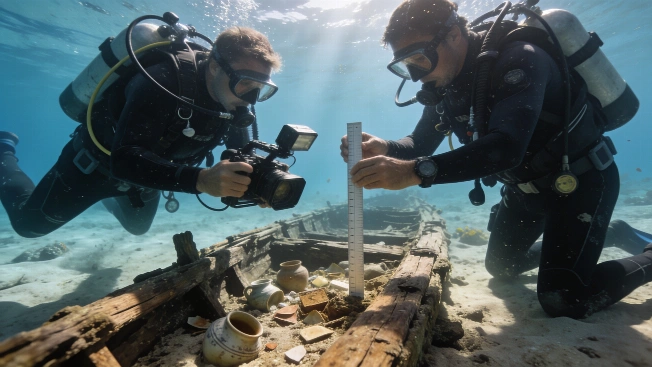
Red Sea shipwrecks mapped as Saudi underwater heritage emerges
Archaeologists have identified more than 25 underwater sites along Saudi Arabia's Red Sea coast using sonar and photogrammetry, uncovering shipwrecks and submerged structures that document ancient trade and migration routes.
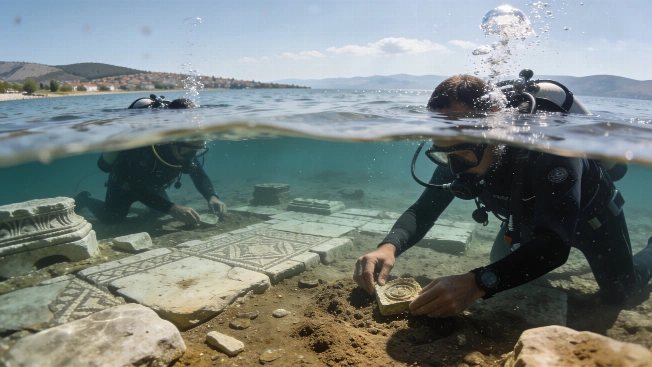
Underwater Church in Turkey Linked to Early Christian Council Debated
Archaeologists excavating beneath Lake İznik in Turkey have uncovered the remains of a small church beneath a later basilica. Some propose it hosted the First Council of Nicaea, but the evidence and dating remain contested.
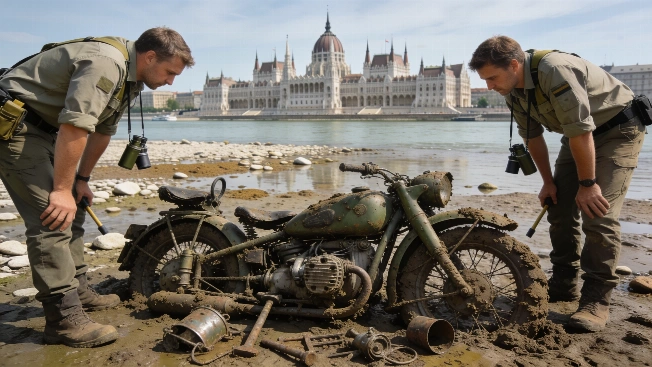
Low Danube Reveals WWII German Soldiers and Motorcycle in Budapest
Exceptionally low water levels in the Danube have exposed the remains of two German soldiers, their identification tags, a military motorcycle, and anti-tank mines in Budapest, offering new evidence of the conflict's final months and the challenges of identification decades later
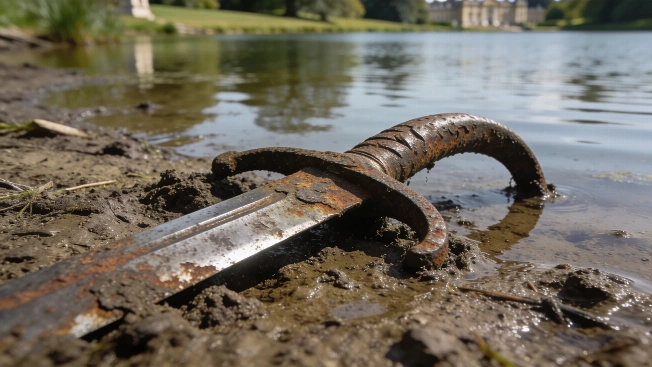
Victorian-Era Sword Emerges From Chiddingstone Castle Lake
A heavily corroded sword, likely dating to the early 19th century, has been recovered from the receding waters of Chiddingstone Castle's lake in Kent, raising questions about its origin and deposition
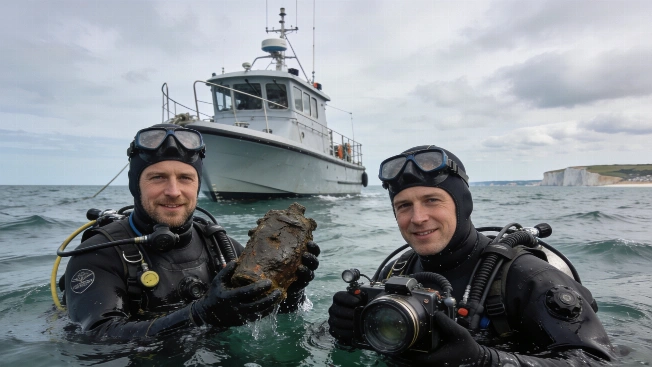
Wreck of HMS Tiger Identified After 118 Years in English Channel
Archaeologists and maritime historians have located the remains of HMS Tiger, a Royal Navy destroyer lost in 1908, using archival research and underwater survey methods. The find highlights evolving legal protections for historic military wrecks
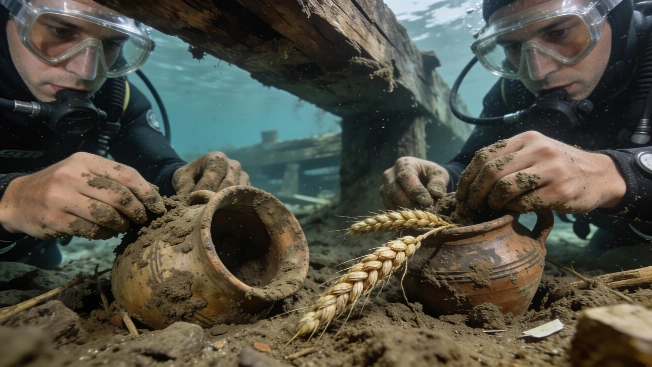
3,000-Year-Old Spelt and Pottery Found in Submerged Italian Settlement
Archaeologists working beneath Lake Bolsena have recovered Late Bronze Age ceramics, preserved spelt, and wooden structures, offering new insight into prehistoric occupation and environmental preservation at Gran Carro di Bolsena
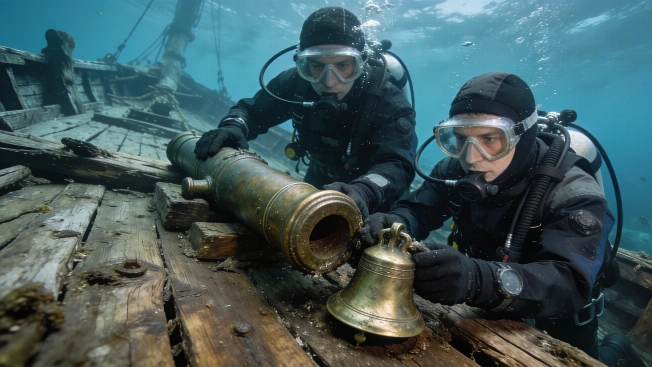
Swedish Warship Wrecks Yield New Insights Into Naval Life in 1714
Archaeologists have recovered exceptionally preserved artifacts from two Swedish shipwrecks lost in the Baltic Sea during the Great Northern War, offering rare evidence for naval provisioning and daily life in the early eighteenth century.
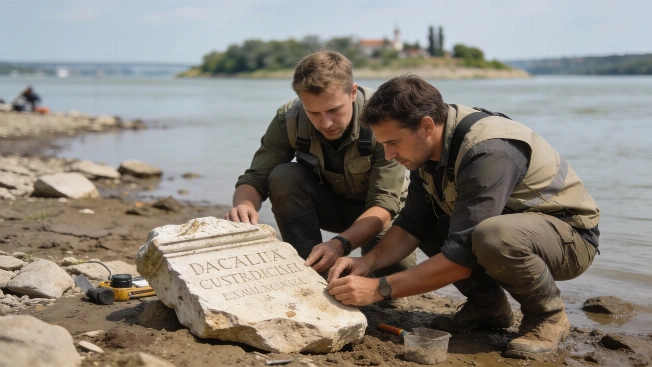
Roman Jupiter Altar Fragment Recovered from Danube Riverbed
Archaeologists have recovered a limestone altar fragment dedicated to Jupiter from the Danube near Dunaújváros, Hungary, after low water levels exposed rarely accessible riverbed areas. The find offers new evidence for Roman religious activity on the Pannonian frontier
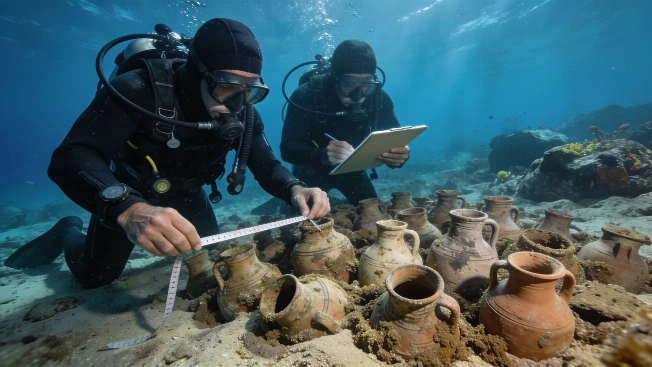
Ancient Shipwreck With Hundreds of Amphorae Found Near Andros
Archaeologists have identified a late Classical period merchant shipwreck off Andros, Greece, containing over 600 amphorae. The find offers new evidence for Aegean maritime trade and cargo transport in the 5th-4th centuries BCE.
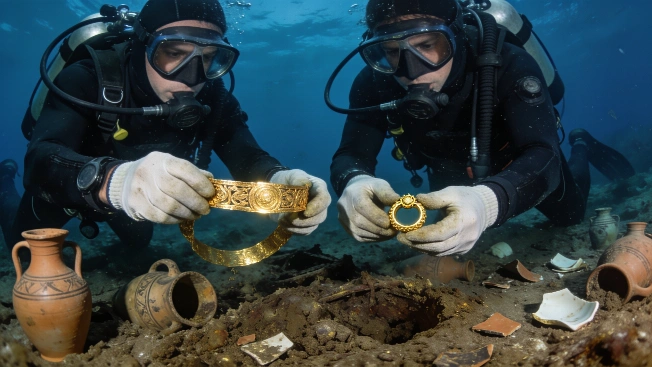
Byzantine Gold Regalia and Imperial Ring Found in Adriatic Shipwreck
Archaeologists have recovered gold ceremonial belts, imperial coins, and a rare signet ring from a Byzantine shipwreck off Croatia's Mljet island, offering new evidence for elite travel and trade across the Adriatic in the early Middle Ages
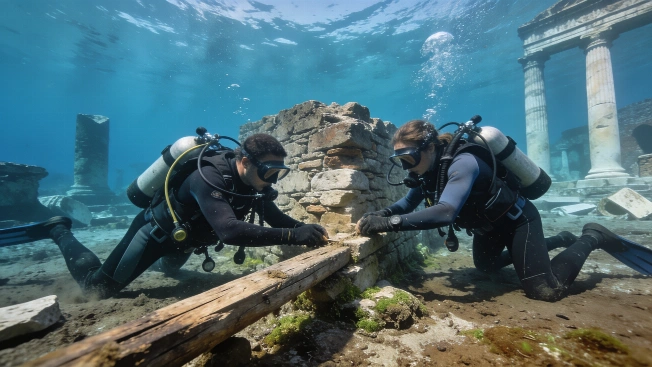
Submerged Roman Port at Puteoli Reveals Ancient Trade Infrastructure
Archaeologists are mapping the underwater remains of Puteoli, Rome's early commercial port, using advanced survey methods to document warehouses, workshops, and a rare Nabataean temple preserved beneath the Bay of Naples
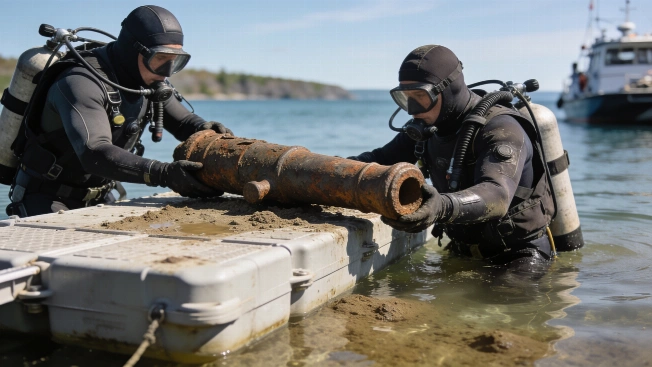
Final Revolutionary War Cannon Fragment Recovered from Lake Champlain
Archaeologists have retrieved the last known fragment of a Revolutionary War-era cannon from Lake Champlain, closing a decades-long search and providing new evidence for the Battle of Valcour Island's archaeological record
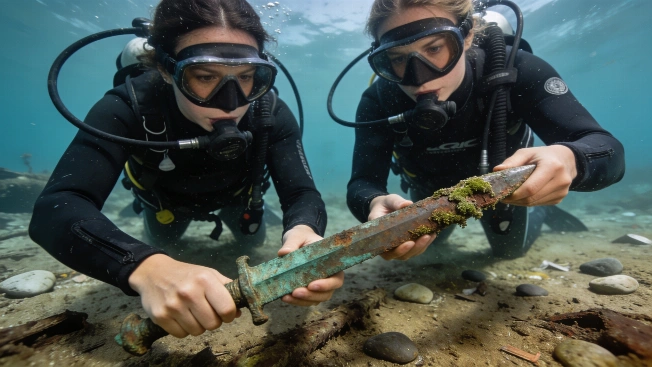
Bronze Age Sword Recovered from Protected Wreck off Devon Coast
A 3,000-year-old Bronze Age sword has been recovered by volunteer divers from the Salcombe Cannon and Moor Sand sites off south Devon, offering new evidence for prehistoric maritime activity and trade in the region
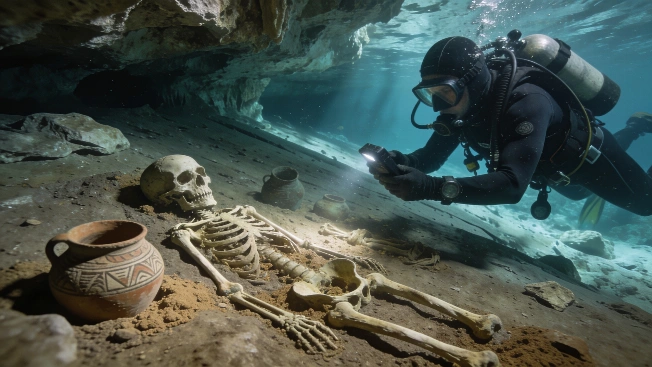
Ancient Human Remains and Maya Ceramics Found in Cenote Yaakun
Archaeologists have begun a research and conservation project at Cenote Yaakun near Playa del Carmen after the discovery of a possible young adult woman's skeleton and a cluster of Maya ceramics in a deep underwater context