
Teotihuacan
2 reportsTeotihuacan is an archaeological site where structures, deposits, artifacts, and environmental evidence preserve past activity. Reconstruction depends on stratigraphic sequence, dating evidence, and site location, with provenance and stratigraphy used to separate evidence from later storytelling.
The strongest reporting on Teotihuacan separates stratigraphic context, while also considering dating evidence and architecture or material culture. Measured findings and claims about dating evidence are separated by comparing provenance and spatial context with field records; the evidence cannot remove the concern that disturbance, incomplete excavation, and later restoration can limit reconstruction.
The strongest reporting on Teotihuacan separates stratigraphic context, while also considering dating evidence and architecture or material culture. Measured findings and claims about dating evidence are separated by comparing provenance and spatial context with field records; the evidence cannot remove the concern that disturbance, incomplete excavation, and later restoration can limit reconstruction.
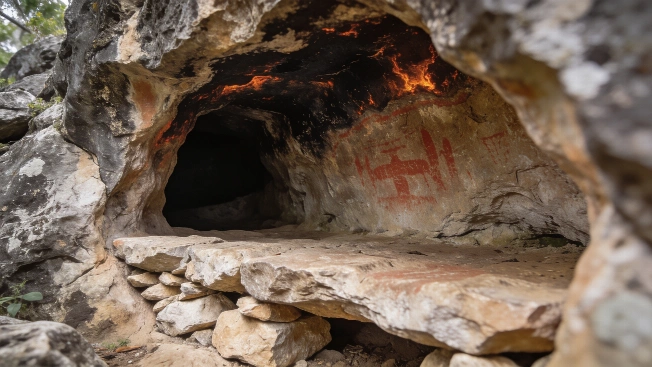
Chalcatzingo Cave Paintings Point to Teotihuacan Warrior Rituals
Soot above a stone shelf and red-painted signs inside Cave 19 at Chalcatzingo point to ceremonies for deceased warriors, while researchers say the possibility of cremation remains unconfirmed
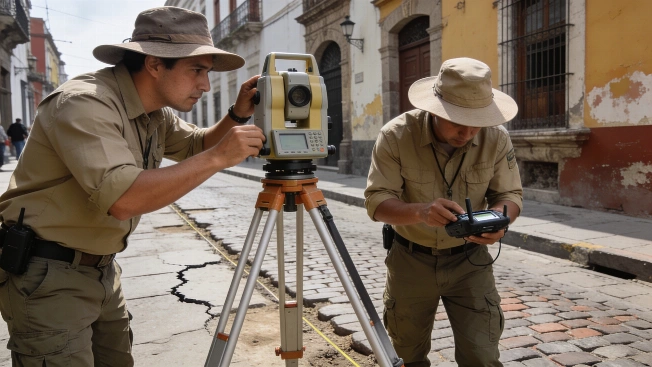
Aztec Sacred Precinct Mapped Beneath Mexico City Streets
Archaeologists have completed a detailed altimetric survey of Mexico City's historic center, revealing subtle surface changes that may correspond to buried Aztec ceremonial structures and informing future heritage protection.