
Robotics - Part 6
191 reports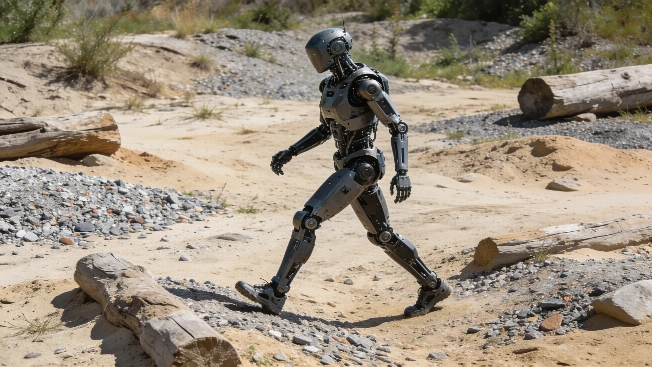
Humanoid Robot Learns to Walk on Real Terrain With Less Training
Georgia Tech researchers have introduced a machine-learning structure that enables a humanoid robot to walk across unpredictable real-world surfaces while reducing training time and computational demands compared with previous methods.
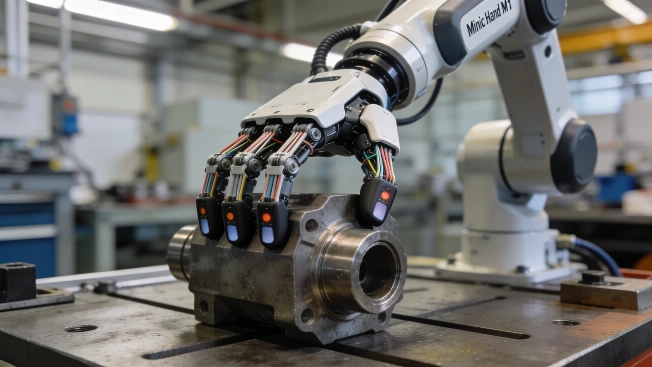
Swiss Startup Mimic Robotics Reveals Sensor-Rich Robotic Hand for Factories
Mimic Robotics has introduced the Mimic Hand M1, a tendon-driven robotic hand designed for industrial automation. It features tactile sensing and a human-like joint structure intended to improve the manipulation of diverse objects in real-world settings.
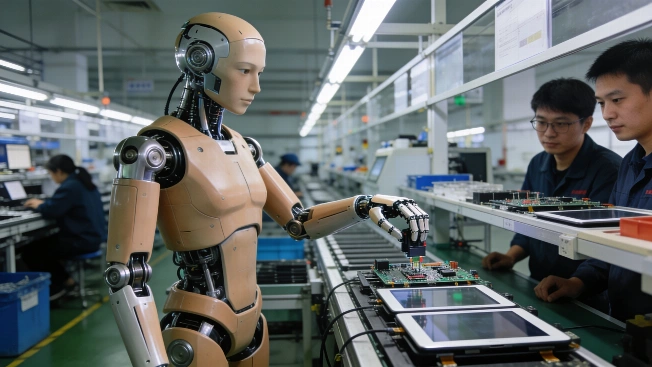
AGIBOT Demonstrates Four New Robots in Live Industrial Deployments
AGIBOT has introduced four new robots at WAIC 2026, including a full-size humanoid, an educational platform, an industrial manipulator, and a dexterous robotic hand, with live demonstrations in manufacturing and service environments
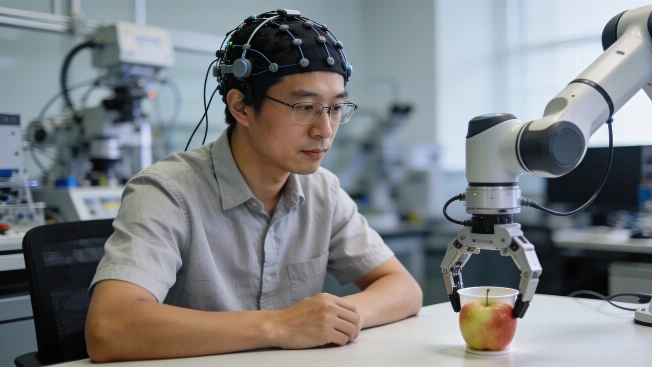
BrainCo Demonstrates Brain-Controlled Robot Platform Using EEG Signals
BrainCo has introduced a non-invasive brain-computer interface platform that lets users control robots with EEG-detected brain signals. The company says the system aims to improve intent recognition and generate training data for embodied AI systems.
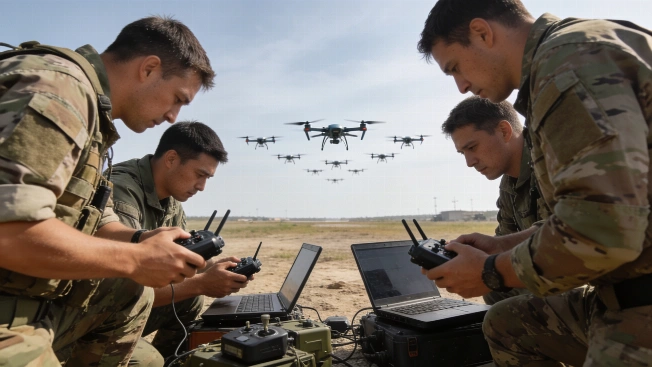
AI-Driven Drone Swarms Advance, Raising New Military and Safety Questions
Recent demonstrations show how AI helps military drone swarms coordinate and handle without GPS while exchanging sensor data. The advances signal technical progress, alongside unresolved risks in autonomous battlefield systems.

Unitree's UnifoLM-OminiA-0.3 Model Integrates Home Robot Control
Unitree has introduced UnifoLM-OminiA-0.3, a unified AI model for humanoid robots that coordinates spoken and visual input with physical manipulation for autonomous home-care tasks. Demonstrations show the robot adapting in real time when users interrupt it.
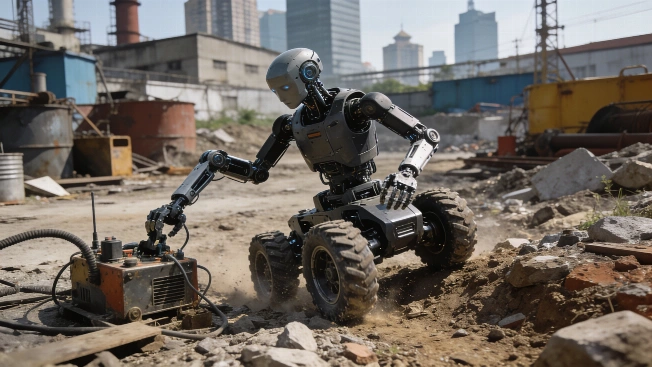
Hybrid wheel-leg robot from China targets industrial and rescue tasks
Run Robotics has demonstrated a wheel-leg hybrid robot at WAIC 2026, pairing rapid wheeled movement with robotic arms for inspection and firefighting, as well as emergency response in complex environments. Most of its components are domestically sourced.
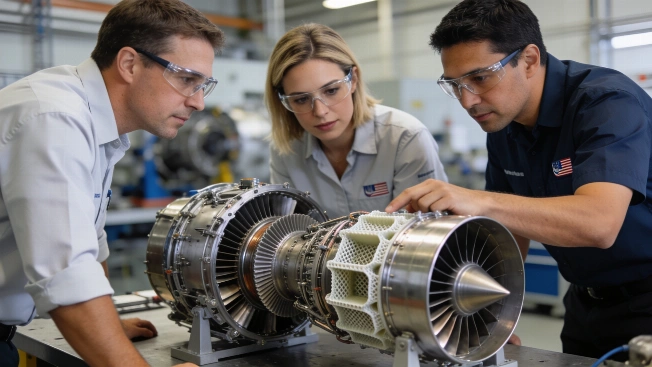
Pratt & Whitney Advances Valox 1500 Engine for Autonomous Aircraft
Pratt & Whitney has completed a digital design review of its Valox 1500 engine, a propulsion system intended for autonomous military aircraft. The key stage moves the program closer to ground testing and raises questions about costs and mission life as development proceeds rapidly.
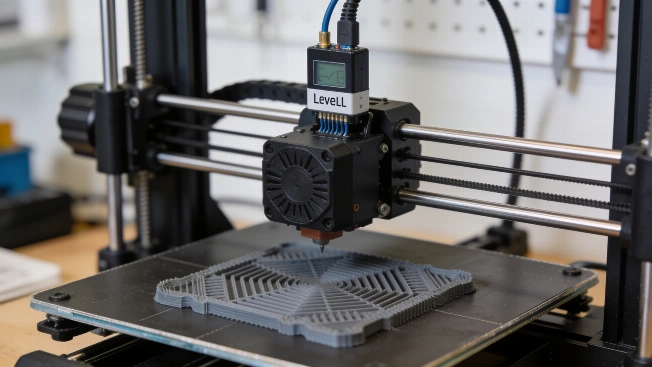
Bed-Leveling Sensors Tested for Automated Pressure Advance in 3D Printing
Researchers have explored whether standard bed-leveling sensors in FDM 3D printers can be repurposed to automate pressure advance calibration, a process critical for consistent extrusion during variable-speed printing tasks.
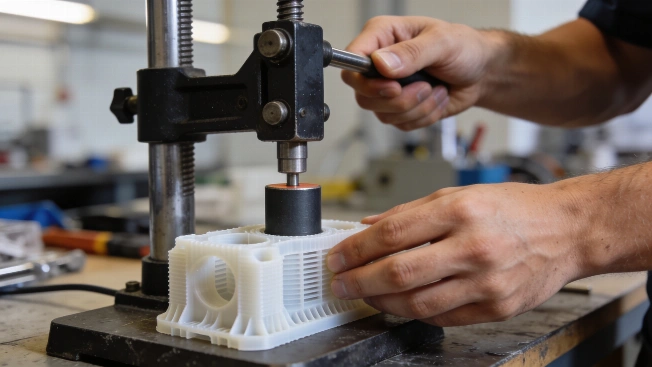
Evaluating Seven Methods for Embedding Magnets in 3D-Printed Parts
A recent demonstration compared seven techniques for installing magnets into 3D-printed components, assessing their mechanical reliability, ease of assembly, and long-term durability without relying on adhesives
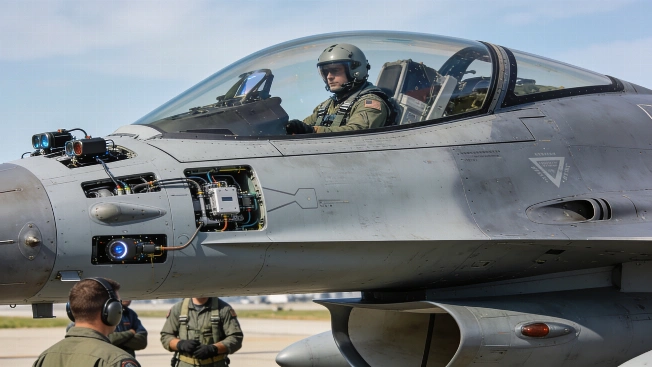
AI System Tested in Remotely Piloted F-16 Without Core Software Rewrite
A modified F-16 fighter jet flew under AI control in a supervised test by DARPA and the US Air Force. The VENOM Autonomy Kit let the aircraft operate without changes to its core flight software.
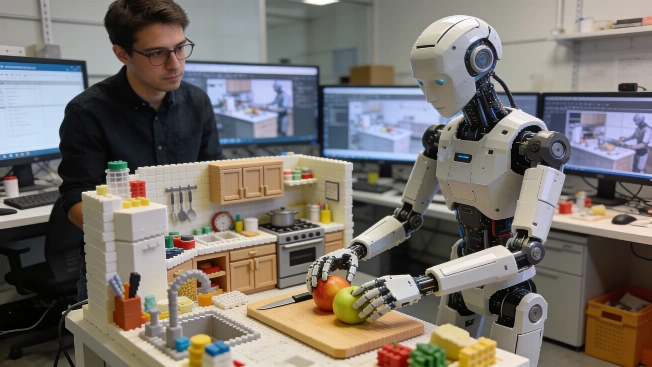
AI agents build complex 3D training worlds for robot learning
Researchers at MIT and Toyota Research Institute have developed SceneSmith, a system that uses collaborative AI agents and vision-language models to generate detailed 3D environments for robotics simulation and training.
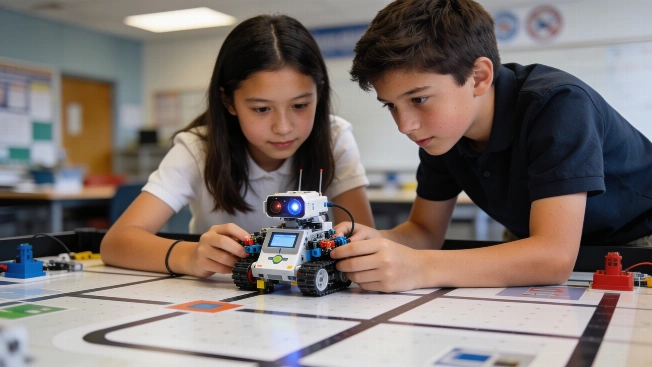
Student-Led Robotics: Botball's Approach to Autonomous STEM Education
Botball introduces standardized robotics kits and text-based coding to classrooms, requiring students to design, build, and program fully autonomous robots without adult intervention. The program's structure aims to equalize access and foster technical skills.
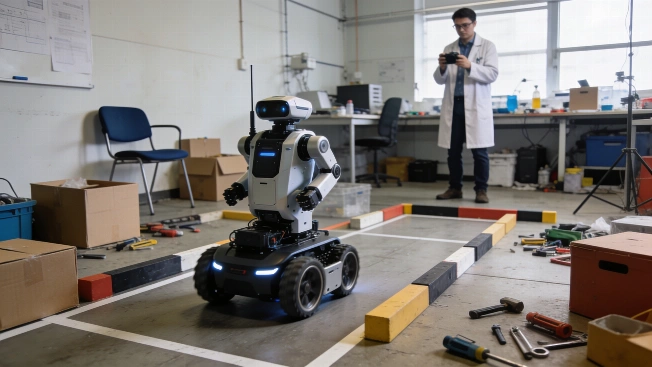
World Models Aim to Simulate Reality but Face Technical Barriers
Researchers are developing world models-AI systems designed to simulate aspects of the physical world. These models promise new capabilities beyond language, but their accuracy and reliability remain unsettled
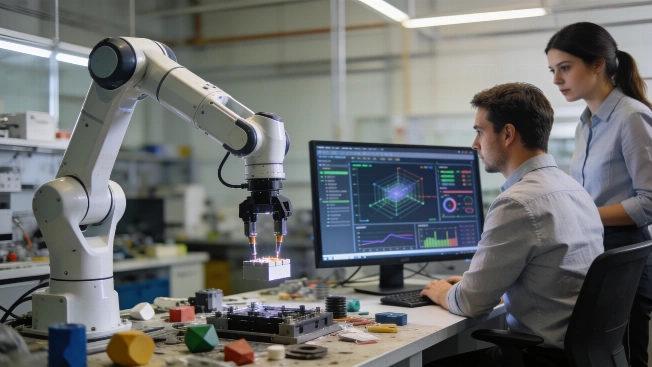
NVIDIA's RoboLab Targets Real-World Robot Policy Evaluation Limits
NVIDIA has released RoboLab, an open-source simulation platform designed to benchmark and analyze general-purpose robot policies. The system aims to address persistent gaps in evaluating robotic models before real-world deployment
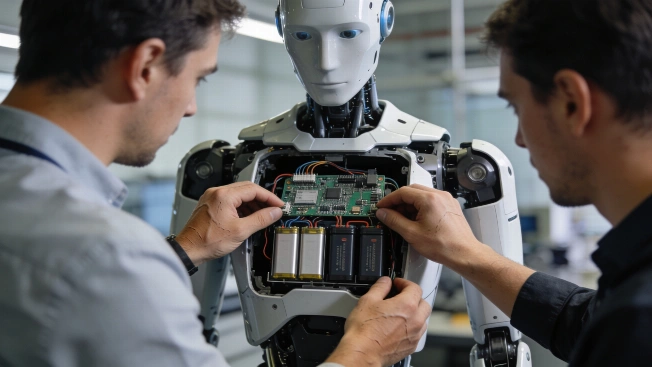
Why Power Management Limits Humanoid Robot Performance
Engineers developing humanoid robots face persistent challenges in converting and distributing onboard battery power to support motion, sensing, and computation. The efficiency and reliability of these power systems directly affect robots’ capabilities and safety.
Part 6 of 6