GE Aerospace reports its GEnx-1B engine, used on Boeing 787 Dreamliners, has surpassed 50 million flight hours with a developer-claimed 99.98% dispatch reliability, raising questions about real-world performance and operational limits
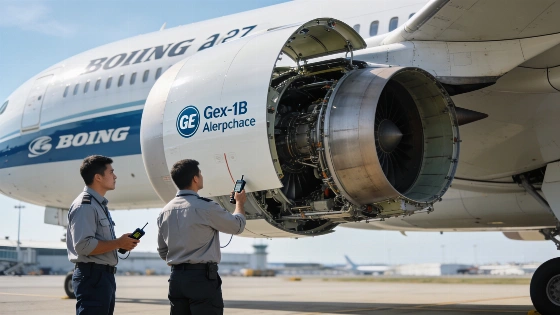
GE Aerospace has announced that its GEnx-1B aircraft engine, which powers the Boeing 787 Dreamliner series, has accumulated over 50 million flight hours since its commercial introduction just over 14 years ago. The company claims this is the fastest any of its widebody commercial engines has reached this operational milestone. The GEnx-1B is currently deployed by more than 50 airline operators worldwide, with the global fleet reportedly averaging over 600,000 flight hours each month.
The GEnx-1B is a high-bypass turbofan engine designed for long-haul commercial aviation. According to GE Aerospace, the engine achieves a 99.98% dispatch reliability rate-a measure of the proportion of scheduled flights that depart without delay due to engine-related issues. The company further states that the GEnx-1B remains installed on aircraft ("on-wing") at a rate three times higher than competing engines, though independent comparative data is not provided. These reliability figures are based on internal company reporting and have not been independently audited or verified by a regulatory authority.
Deployment and Technical Upgrades
The GEnx engine family, which includes the GEnx-1B and GEnx-2B variants, now numbers over 2,700 units in service, including spare engines. The GEnx-2B, introduced in 2011 for the Boeing 747-8, has accumulated an additional 24 million flight hours. In total, the GEnx family has logged nearly 75 million flight hours and approximately 12 million flight cycles, according to GE Aerospace. The company reports that the GEnx-1B is the fastest-selling widebody engine in its history, with more than 3,000 engines delivered or on order.
Over the past decade, GE Aerospace has introduced several technical upgrades to the GEnx-1B, including improvements to high-pressure turbine blades and combustor coating technology. These changes are intended to extend the engine's operational lifespan, particularly in harsh environments encountered on long-haul routes. The company claims that these upgrades have more than doubled the engine's time on wing in challenging conditions, but detailed comparative data and independent validation are not disclosed.
Operational Context and Reliability Claims
The GEnx-1B is used on some of the world's longest commercial flights, including high-profile routes such as Qantas's 787-9 nonstop service from New York to Sydney. The engine is designed to operate across a range of demanding environments, from polar routes to high-temperature regions. While GE Aerospace highlights the engine's reliability and efficiency, the reported 99.98% dispatch reliability is a developer-claimed figure and may not capture all operational disruptions, unscheduled maintenance, or in-flight incidents. The company does not provide a breakdown of the types of failures or delays excluded from this metric.
As Boeing plans to increase production of the 787 Dreamliner, GE Aerospace states that it is scaling up engine deliveries to match anticipated demand. The company asserts that its maintenance and support infrastructure, including digital inspection tools and enhanced engine cleaning solutions, will help maintain operational efficiency for airline customers. However, the effectiveness of these tools in reducing unplanned downtime or maintenance costs has not been independently evaluated in public technical literature.
Evidence and Limitations
All performance and reliability data cited by GE Aerospace are based on internal company records and have not been subject to independent audit or regulatory review. The company does not disclose the methodology used to calculate dispatch reliability, nor does it provide comparative data from third-party operators or regulators. As with most commercial aviation systems, the GEnx-1B operates under strict regulatory oversight, and airlines are required to report significant incidents to aviation authorities. However, the company does not specify the number or nature of in-flight shutdowns, aborted takeoffs, or other critical events over the engine's operational history.
While the GEnx-1B's reported reliability figures are high, it is important to note that dispatch reliability does not capture all aspects of engine safety or operational risk. The metric typically excludes delays or cancellations caused by non-engine factors, and may not reflect the full range of maintenance interventions required to keep engines in service. Without independent verification or detailed breakdowns of failure modes, it is not possible to confirm the extent to which the GEnx-1B outperforms competing engines in real-world conditions.
For context, the GEnx-1B's 50 million flight hours were accumulated over a period of just over 14 years, with more than 50 operators contributing to the total. The engine family as a whole has logged nearly 75 million hours and 12 million cycles, according to company data. These figures provide a sense of the scale of deployment but do not substitute for independent reliability or safety analysis.
Understanding dispatch reliability is essential for interpreting claims about aircraft engine performance. Dispatch reliability measures the percentage of scheduled flights that depart without delay due to engine-related issues, but it does not account for all types of failures, maintenance actions, or in-flight events. The metric is typically calculated by the manufacturer or operator and may use different inclusion or exclusion criteria. For a comprehensive assessment of engine safety and operational effectiveness, additional data-such as in-flight shutdown rates, unscheduled removals, and regulatory incident reports-are required. Independent audits and transparent reporting are necessary to validate manufacturer claims and ensure public confidence in aviation safety.