Velo3D has opened Forge 1, a 289,000-square-foot campus in Livermore, California, designed to scale up production of large-format metal additive manufacturing systems for aerospace, defense, and energy applications
Velo3D has opened a new metal additive manufacturing campus in Livermore, California, expanding its production capacity for large-format 3D printing systems and critical metal components. The facility, named Forge 1, covers nearly 289,000 square feet and is intended to support industrial-scale manufacturing for sectors such as aerospace, defense, and energy. According to the company, the site is structured to move components from initial qualification through to repeatable, high-volume production, aiming to address growing demand for domestic manufacturing and resilient supply chains in strategic industries.
Forge 1 is designed to consolidate multiple stages of the manufacturing process under one roof. The facility includes approximately 270,000 square feet of production space and is currently equipped to support more than 40 large-format metal additive manufacturing systems. Velo3D has stated that it plans to expand this capacity to over 100 systems as demand increases. When combined with the company's Fremont headquarters, the total capacity could reach up to 125 systems across both locations, which would make it one of the largest integrated metal additive manufacturing environments in North America.
Integrated Manufacturing Workflow
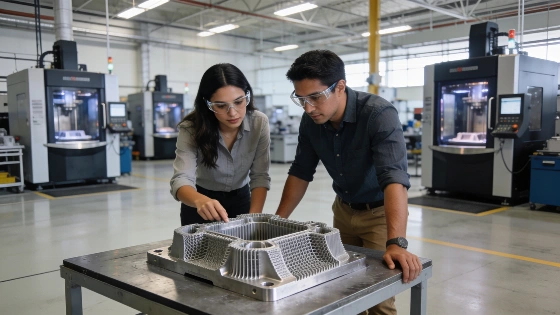
The Livermore campus is structured to handle machine assembly, large-scale metal printing, post-processing, inspection, quality assurance, and customer acceptance within a single operational ecosystem. This approach is intended to reduce the time required to transition components from development to scalable production, while allowing customers to maintain consistent manufacturing processes as their programs grow. The company's Fremont headquarters will continue to focus on research and development, applications engineering, and customer collaboration, while Forge 1 will provide the necessary production capacity for scaling up validated technologies.
Velo3D positions Forge 1 as a response to increased emphasis on domestic manufacturing capacity, particularly for mission-critical components in aerospace and defense. The company claims that the ability to produce complex metal parts domestically could reduce reliance on overseas supply chains and support national security objectives. However, independent verification of these supply chain impacts has not yet been reported.
Production Scale and Technical Details
The facility's initial configuration supports more than 40 large-format metal additive manufacturing systems, with plans to expand beyond 100 systems over time. The total campus area is nearly 289,000 square feet, of which about 270,000 square feet is dedicated to production. Velo3D's combined California operations could reach a capacity of up to 125 systems if expansion targets are met. The company develops its hardware and software in the United States, and its systems are deployed across the U.S. and allied markets. The new facility will begin operations in phases as equipment is installed and qualified, with capacity expected to increase as customer demand grows.
Large-format metal additive manufacturing is particularly relevant for producing complex components that are difficult or costly to manufacture using traditional methods. The integration of machine production, part printing, and qualification within a single campus is intended to streamline the path from prototype to industrial-scale output. However, the company has not disclosed detailed performance metrics, error rates, or independent audit results for the new facility's operations.
Supply Chain and Policy Context
The opening of Forge 1 comes amid heightened attention to supply chain resilience and domestic production capabilities in the United States. For sectors such as aerospace and defense, the ability to manufacture critical components domestically is seen as a way to mitigate risks associated with international supply disruptions. Velo3D's expansion aligns with broader policy efforts to strengthen U.S. manufacturing infrastructure, but the long-term impact on supply chain security and industrial capacity will depend on sustained demand, operational reliability, and independent evaluation of the facility's output.
Local officials have welcomed the investment, highlighting Livermore's role as a hub for advanced industry. The company's claims regarding national security and supply chain resilience remain to be substantiated through operational data and third-party assessment. As with many large-scale manufacturing initiatives, the effectiveness of Forge 1 will be determined by its ability to deliver consistent, high-quality production at scale, while meeting the technical and regulatory requirements of its target industries.
Additive manufacturing, also known as 3D printing, refers to the process of creating objects by depositing material layer by layer based on digital models. In metal additive manufacturing, systems typically use laser powder bed fusion or similar techniques to fuse metal powders into complex shapes. Large-format systems are capable of producing bigger and more intricate parts than standard 3D printers, but scaling up production introduces challenges in quality assurance, repeatability, and process control. Integrating multiple stages of manufacturing within a single facility can help address some of these challenges, but independent evaluation is necessary to confirm reliability and performance at industrial scale.