
Science Trends - Part 2
58 reports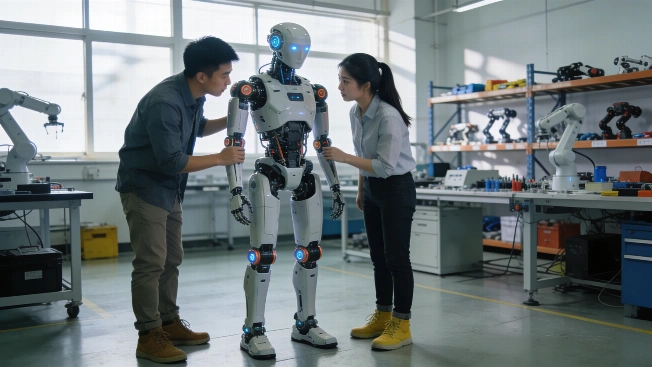
China Surges Ahead in Humanoid Robotics Patent Innovation
A LexisNexis analysis of over 26,000 patent families finds Chinese startups leading global innovation in humanoid robotics, with six of the top ten most active companies and rapid growth in patent filings

Communicating Quantum Technology: Challenges for Public Understanding
As quantum computing research accelerates, effective communication strategies are needed to explain complex quantum concepts, address technical jargon, and reach diverse audiences across the quantum sector

Starship Captured on Video by a Starlink V3 Satellite
A camera-equipped Starlink V3 satellite recorded SpaceX's Starship upper stage after Flight 13, offering an unusual view of the vehicle's engines, thrusters and separation in space
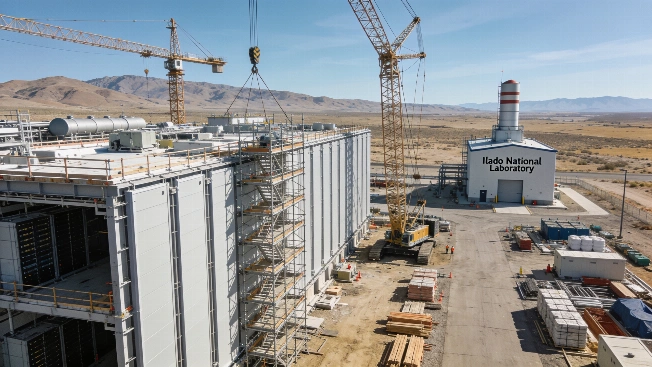
Crusoe and Aalo plan nuclear-powered data center for AI workloads
Crusoe and Aalo Atomics have announced a partnership to build a modular data center powered by a small nuclear reactor, aiming to test nuclear energy's suitability for large-scale AI computing at Idaho National Laboratory in 2027
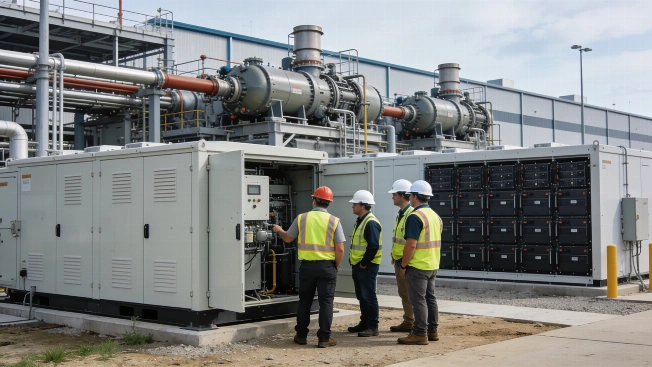
Ohio AI Data Center to Operate on 350 MW Off-Grid Microgrid
A new AI data center campus in Ohio will use a dedicated 350 megawatt microgrid, operated by Veolia, to supply all its electricity needs, bypassing the regional grid and aiming to accelerate deployment of large-scale computing infrastructure
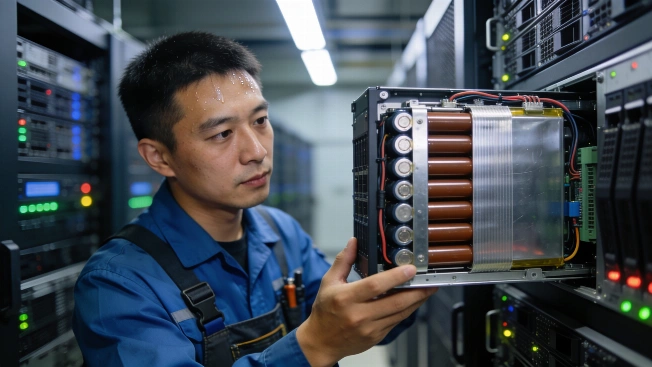
Highstar Unveils Multi-Layer Battery Cells for AI Data Center Power
Highstar has introduced a new portfolio of battery cells designed to address the power and thermal management challenges in AI data centers, with custom chemistries for different operational layers and a focus on grid resilience
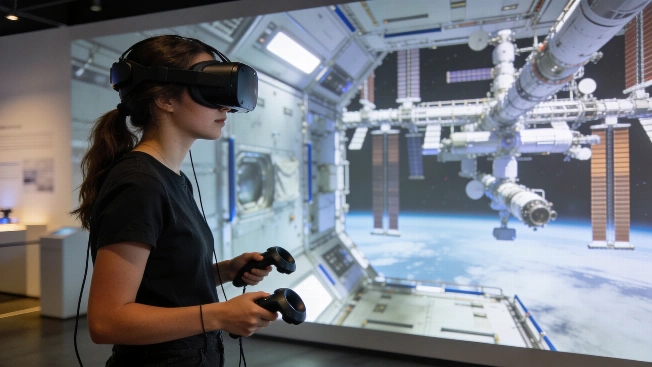
Virtual Reality Brings the International Space Station to Earth
A new VR experience, Space Explorers: The ISS Experience, uses real footage and astronaut collaboration to simulate life aboard the International Space Station, offering the public an immersive look at orbital science and daily routines.
China's Kimi K3 Lags Behind US AI Models in Cybersecurity Tests
A UK-US evaluation of Moonshot AI's Kimi K3 large language model found it significantly underperformed leading US models on offensive cybersecurity benchmarks, raising questions about the current state of China's AI capabilities in this domain
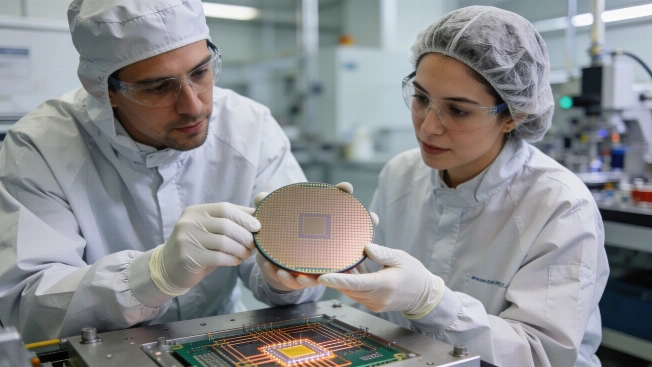
IBM Moves to Acquire HRL Laboratories for Spin Qubit Technology
IBM has announced plans to acquire HRL Laboratories, aiming to integrate HRL's semiconductor spin qubit research with IBM's quantum computing ecosystem and fabrication infrastructure. The move signals a strategic response to evolving quantum hardware platforms
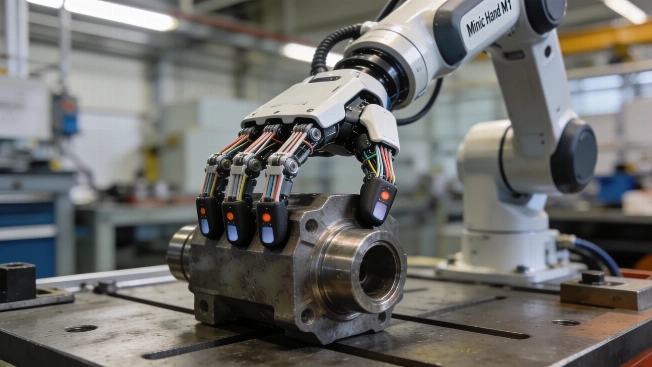
Swiss Startup Mimic Robotics Reveals Sensor-Rich Robotic Hand for Factories
Mimic Robotics has introduced the Mimic Hand M1, a tendon-driven robotic hand designed for industrial automation, featuring advanced tactile sensing and a human-like joint structure to improve manipulation of diverse objects in real-world settings
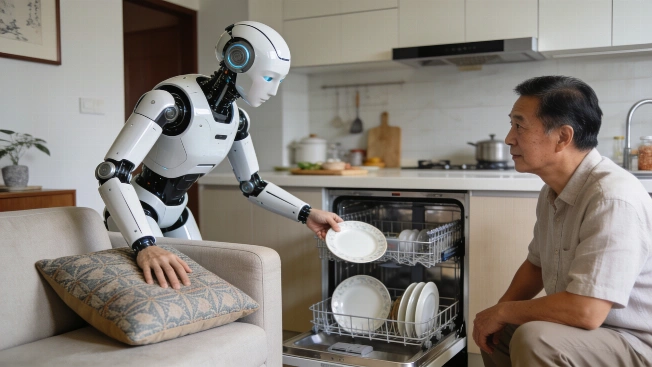
Unitree's UnifoLM-OminiA-0.3 Model Integrates Home Robot Control
Unitree has introduced UnifoLM-OminiA-0.3, a unified AI model for humanoid robots designed to coordinate speech, vision, and manipulation for autonomous home-care tasks, with demonstrations showing real-time adaptation to user interruptions
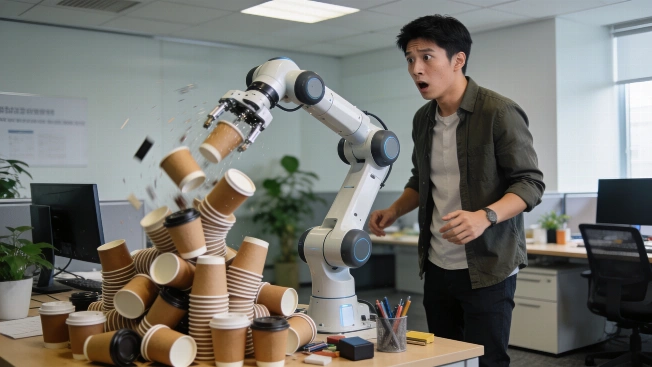
New Genie Coefficient Proposed to Measure AI Misinterpretation Risk
A new metric called the Genie coefficient aims to quantify the gap between user intent and AI agent actions, addressing the persistent challenge of AI systems misreading underspecified instructions in real-world tasks
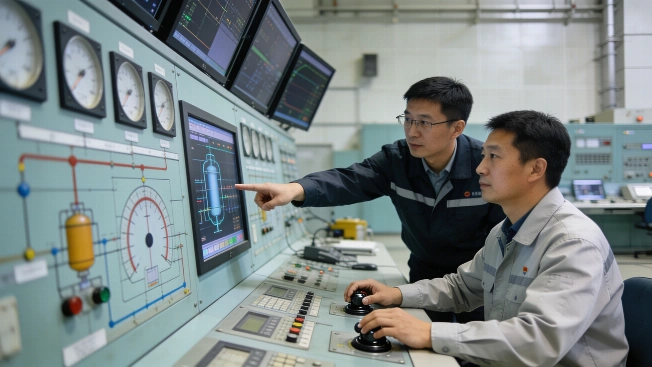
China Details AI Roadmap for Safer Nuclear Energy Operations
At the World Artificial Intelligence Conference, Chinese researchers presented a multi-layered AI integration plan for advanced nuclear energy systems, aiming to address safety and operational challenges across the full reactor lifecycle
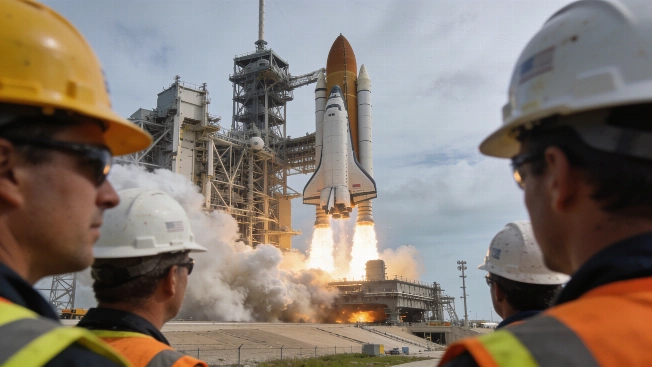
Rocket Launch Costs Plummet but New Barriers Emerge for Space Access
A new analysis of more than 4,400 launches reveals that the average cost to send a kilogram to orbit has dropped by 96% since 1960, but future reductions may be limited by debris, market dominance, and geopolitical shifts
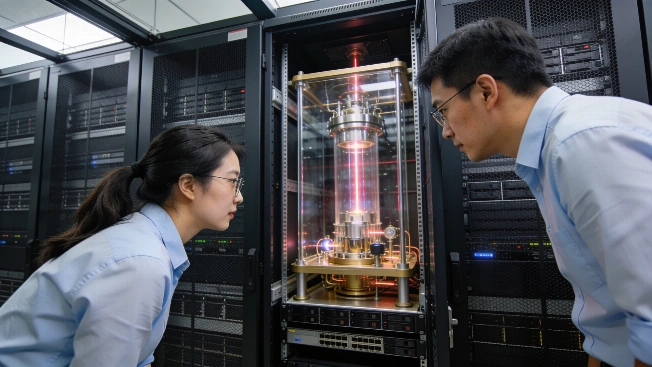
Neutral-Atom Quantum Computer Fits Standard Server Rack in Shanghai Debut
A Chinese startup has introduced Qinghe No. 1, a neutral-atom quantum computer designed for direct installation in data-center server racks, aiming to bypass the need for large cryogenic systems and accelerate enterprise quantum hardware integration
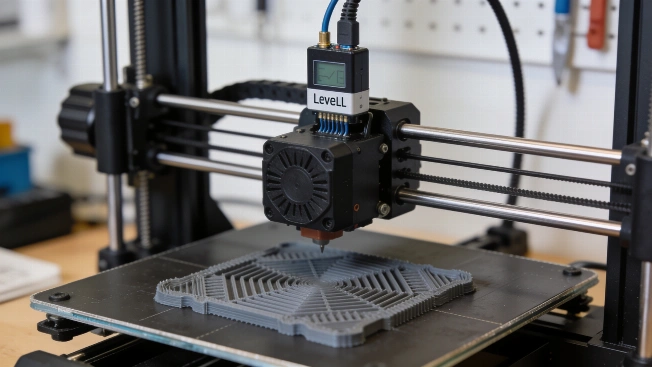
Bed-Leveling Sensors Tested for Automated Pressure Advance in 3D Printing
Researchers have explored whether standard bed-leveling sensors in FDM 3D printers can be repurposed to automate pressure advance calibration, a process critical for consistent extrusion during variable-speed printing tasks
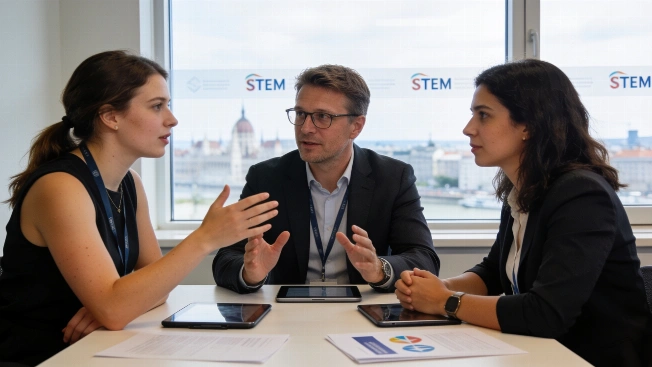
IEEE Conference Targets Cross-Generational Leadership in STEM Fields
IEEE will host its first International Leadership Conference in Budapest, focusing on collaborative leadership and knowledge transfer between generations in science, technology, engineering, and mathematics. The event aims to address the challenges of rapid technological change and workforce transition
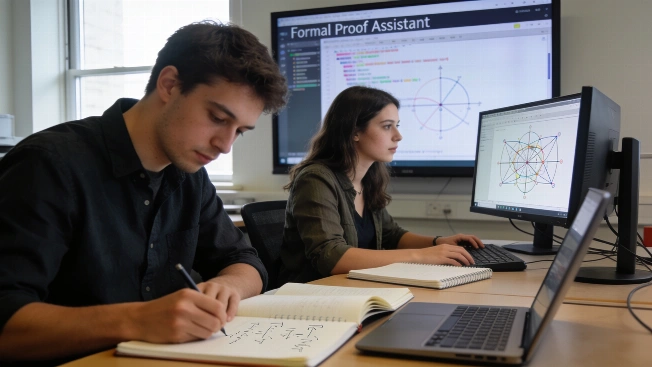
AI Systems Challenge Human Role in Mathematical Discovery
Recent advances in large language models and proof assistants have enabled AI systems to generate, formalize, and verify complex mathematical proofs, raising new questions about the future of human mathematicians and the value of human understanding in mathematics
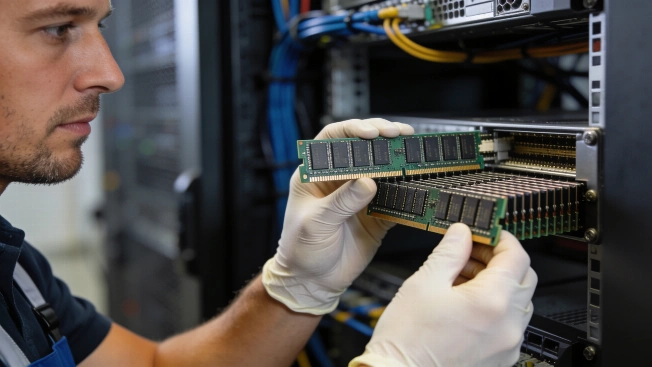
High Bandwidth Flash Targets AI Inference Memory Bottlenecks
A new memory technology called High Bandwidth Flash is being developed to address the growing memory demands of large language models during inference, using stacked NAND flash to increase read speeds and capacity while reducing costs
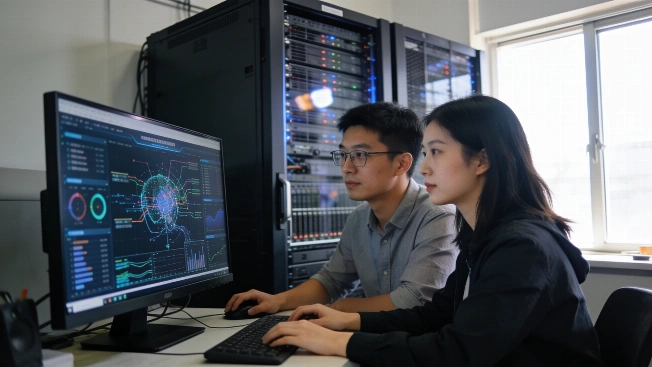
Moonshot AI Releases Kimi K3, a 2.8 Trillion Parameter Open Model
Moonshot AI has introduced Kimi K3, an open-source model with 2.8 trillion parameters and a one-million-token context window, targeting complex scientific and coding workflows. The company claims performance gains, but key limitations remain
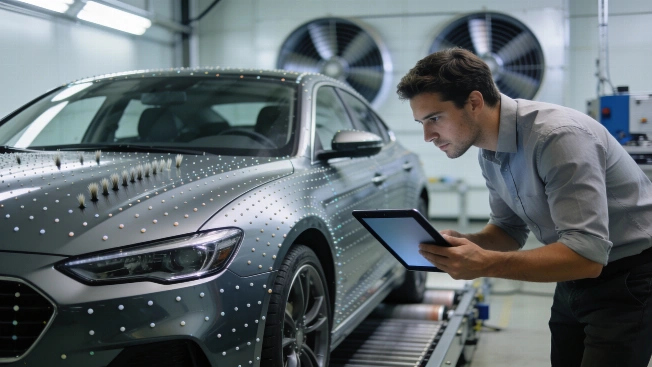
AI-Driven Physics Models Enhance Aerodynamic Testing for Cars
Researchers are integrating artificial intelligence with computational fluid dynamics and wind-tunnel data to refine the aerodynamic performance of passenger vehicles, aiming to bridge the gap between simulation and real-world results
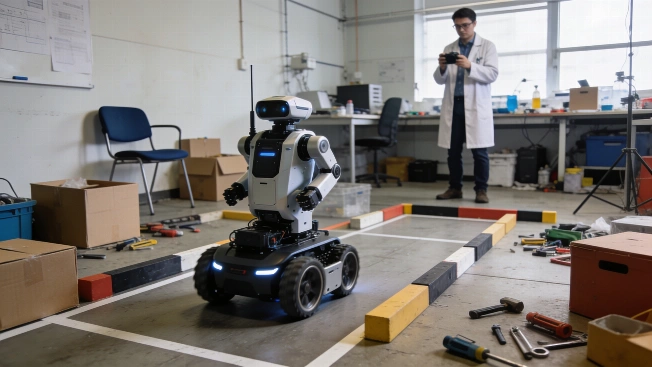
World Models Aim to Simulate Reality but Face Technical Barriers
Researchers are developing world models-AI systems designed to simulate aspects of the physical world. These models promise new capabilities beyond language, but their accuracy and reliability remain unsettled
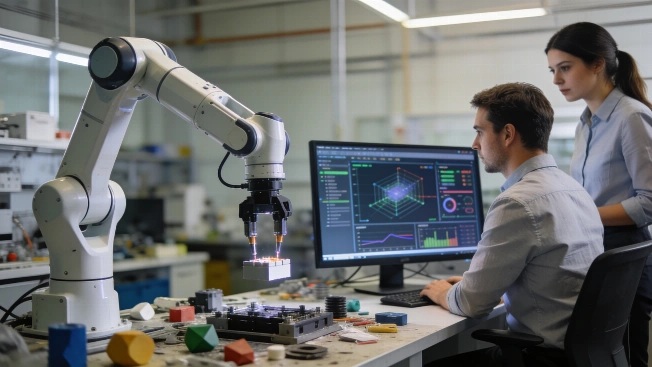
NVIDIA's RoboLab Targets Real-World Robot Policy Evaluation Limits
NVIDIA has released RoboLab, an open-source simulation platform designed to benchmark and analyze general-purpose robot policies. The system aims to address persistent gaps in evaluating robotic models before real-world deployment
Part 2 of 2