A new AI data center campus in Ohio will use a dedicated 350 megawatt microgrid, operated by Veolia, to supply all its electricity needs, bypassing the regional grid and aiming to accelerate deployment of large-scale computing infrastructure
A major AI data center campus under construction in Ohio will be powered entirely by a dedicated 350 megawatt (MW) microgrid, according to an announcement from Veolia, the French environmental services company selected to operate and maintain the system. The facility is designed to function independently of the regional U.S. power grid, reflecting a growing trend among AI infrastructure developers to secure private energy sources as demand for large-scale computing accelerates.
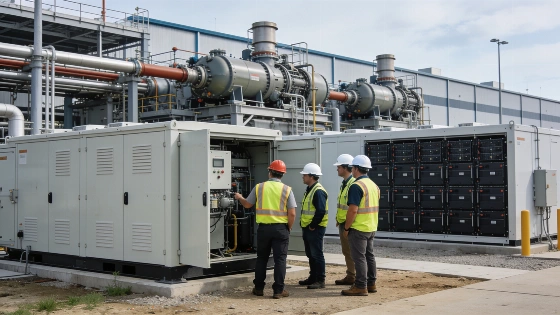
The microgrid will combine on-site gas engines, linear generators, and a battery energy storage system with a total storage capacity of 430 megawatt-hours (MWh). This configuration is intended to provide continuous power for the data center's AI workloads, while reducing exposure to grid connection delays and minimizing the risk of service interruptions. Veolia's operational responsibilities include commissioning support, development of operating procedures, and long-term maintenance under a performance-based contract intended to maximize system uptime and reliability.
According to data from Lawrence Berkeley National Laboratory, new power projects in the United States typically spend nearly five years in interconnection queues before gaining access to the public grid. These delays have prompted AI developers to invest in private microgrids and battery storage, aiming to bring new data centers online more quickly and reduce pressure on public electricity networks. The Ohio project's microgrid is designed to deliver all of the campus's electricity needs without drawing from the regional grid, allowing the facility to operate as an isolated energy island.
The system's technical specifications include 350 MW of generation capacity and a 430 MWh battery energy storage system, supporting a 99.9% availability target. Veolia reports that the facility will require a dedicated workforce of 35 to 40 full-time employees to operate the energy system around the clock. The company's experience managing large-scale energy assets and mission-critical facilities is cited as a factor in reducing operational risk and supporting long-term performance.
Private energy infrastructure for AI data centers is becoming more common as developers seek to avoid grid bottlenecks and ensure reliable power for high-density computing. In a related development, OpenAI recently announced plans for a $30 billion hyperscale data center campus in Georgia, aiming to deliver up to 3.2 gigawatts of computing capacity for advanced AI model development and deployment over the next decade. Details on that project can be found in this .
While the Ohio microgrid project is designed to operate independently, it remains subject to the technical and regulatory challenges associated with large-scale private energy systems. These include ensuring continuous fuel supply, maintaining battery performance, and meeting safety and environmental standards. The long-term reliability of such off-grid systems will depend on ongoing maintenance, workforce training, and the ability to adapt to evolving energy and computing demands.
Microgrids are localized energy systems capable of operating independently from the main power grid. They typically integrate multiple generation sources-such as gas engines, renewables, and batteries-managed by automated control systems. For AI data centers, microgrids offer a way to bypass grid interconnection delays and tailor energy supply to the specific needs of high-density computing. However, their effectiveness depends on robust engineering, continuous monitoring, and the ability to respond to unexpected failures or demand spikes. As AI infrastructure expands, the technical and regulatory scrutiny of private microgrids is likely to increase.