
Spectroscopy
13 reportsDiscussion of Spectroscopy distinguishes instrument calibration, together with signal or separation principle and method validation. Reporting uses blank and control samples alongside interlaboratory comparison to assess signal or separation principle; the conclusion remains provisional because matrix effects, contamination, and instrument drift can bias measurements.
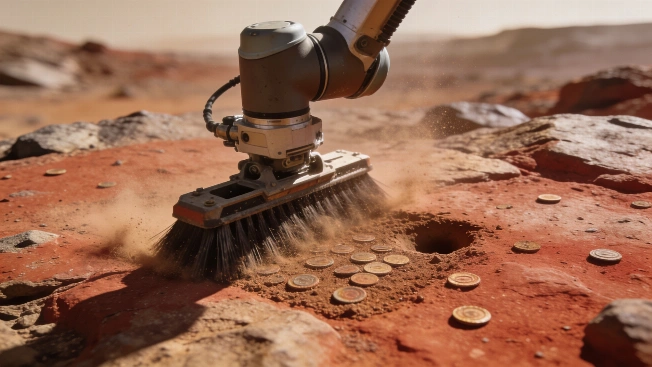
Mars Rocks Show Ruby-Like Chromium Glow
SuperCam used time-resolved luminescence to identify chromium in corundum, a mineral unexpected on a world without plate tectonics. The crystals may help researchers trace heating from ancient impacts
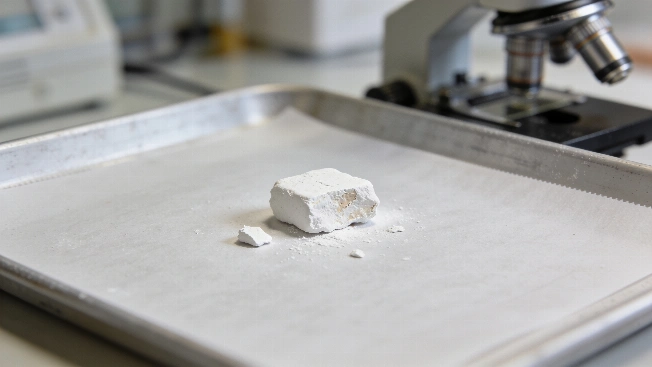
Jetyasar Cosmetics Reveal Silk Road Aromatic Trade
Chemical analysis of chalk-like pieces from two Jetyasar burials dated to the 2nd-4th centuries AD detected plant aromas, including ingredients researchers say may have traveled from India along exchange routes
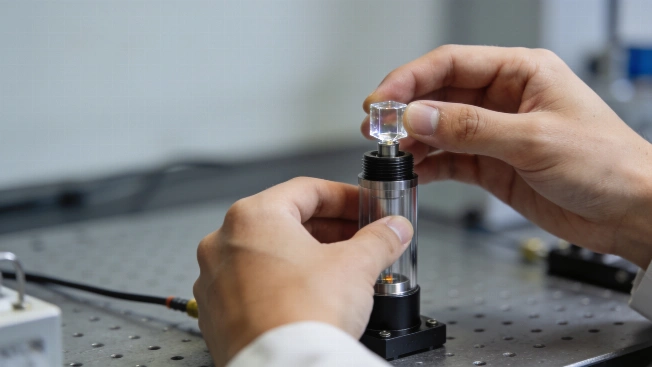
Lanthanum bromide sharpens gamma-ray detection
Cerium-doped lanthanum bromide can distinguish gamma-ray energies more precisely than common sodium iodide detectors while operating at room temperature. Its performance depends on crystal quality and detector configuration.
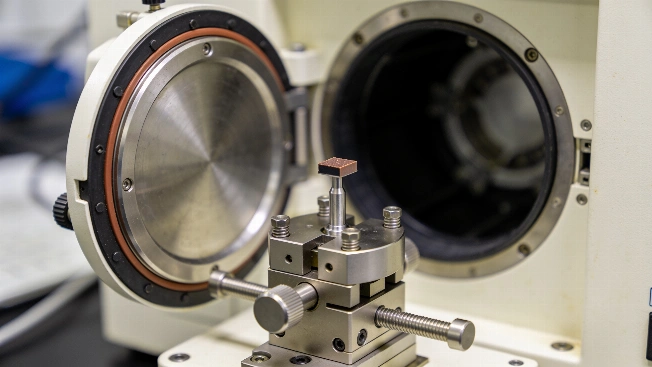
Moving one sample between nanoscale measurements
On 12 November 2026, a live session sponsored by SmarAct will examine how flexible sample positioning can support complementary measurements on a single specimen across microscopy and spectroscopy.

Tangbaletasi Cave Art Tracks Bronze Age Beliefs Into Tibetan Buddhism
Paintings in two caves at Tangbaletasi span possible Bronze Age traditions and later Tibetan Buddhist imagery. New imaging reveals hidden motifs, while the figures’ precise meanings remain unresolved.
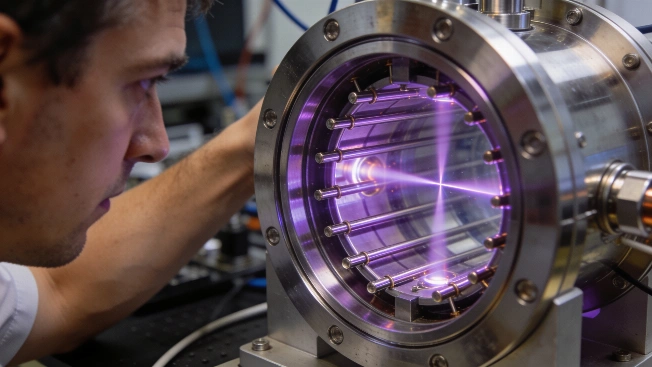
Trapped Ion Processor Resolves a Subtle NMR Double Peak
Quantinuum and HQS reproduced a difficult diphosphane NMR feature on trapped-ion hardware after compressing a 22-spin model into 21 effective spins, using 70 Trotter steps and circuits with more than 1,400 two-qubit gates.
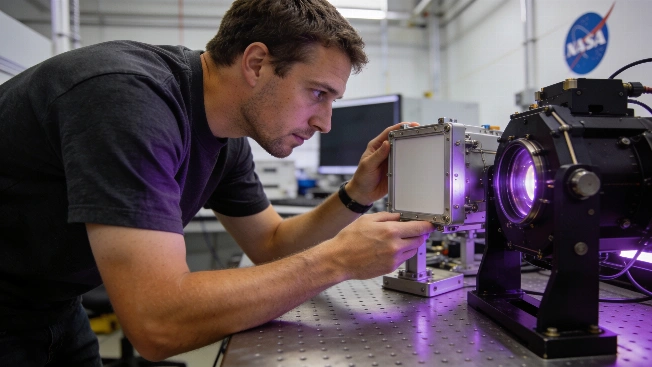
Hubble Data Point to a Possible Second-Generation Planet
NASA Hubble observations of the white dwarf HS 0209+0832 reveal a chemical clue consistent with a Jupiter-sized planet formed from material shed after its star became a red giant.
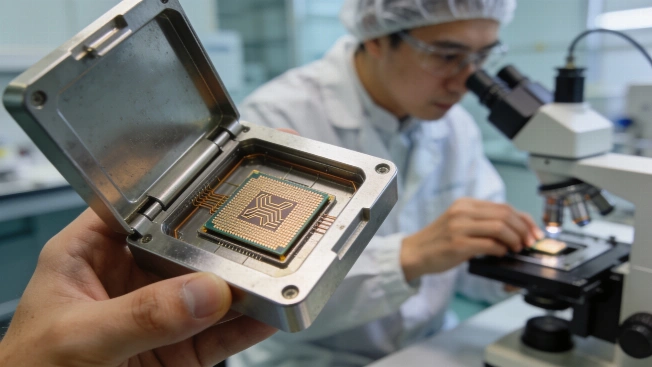
Nanometre Fabrication Shifts Explain Transmon Qubit Performance Gaps
A blinded study of 22 superconducting transmons links twofold T1 variation to nanometre-scale oxide and etch differences while finding no clear role for macroscopic surface defects
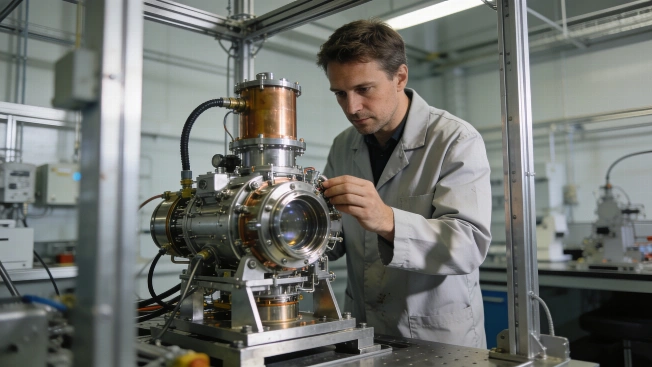
XRISM Tracks Stellar Wind Falling Onto a Pulsar
XRISM has traced iron-rich plasma moving toward the pulsar GX 301-2 at about 540,000 kph, providing spectroscopic evidence that a neutron star captures its giant companion's stellar wind and powers recurring X-ray flares.
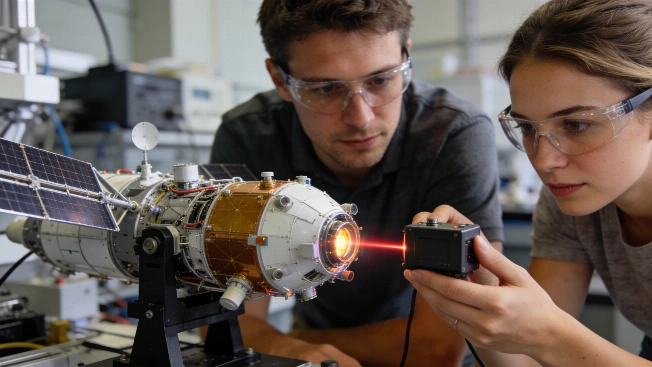
NASA tests Slingshot spacecraft concept for mineral mapping beyond Earth
A NASA-funded study is evaluating whether a small spacecraft using Raman spectroscopy could remotely identify minerals on the Moon, asteroids, and Martian moons, potentially transforming how resources are surveyed before future missions
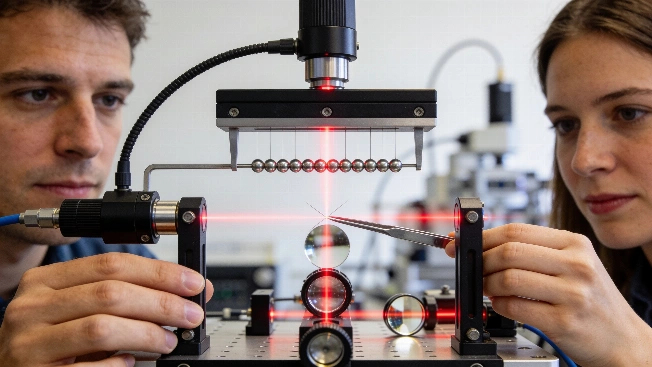
Neutral-Atom Quantum Simulator Probes 2D Conformal Field Theory Spectra
A Caltech-led team has directly measured finite-size energy excitation spectra predicted by two-dimensional conformal field theory using a neutral-atom quantum simulator based on strontium atom chains and Rydberg interactions.
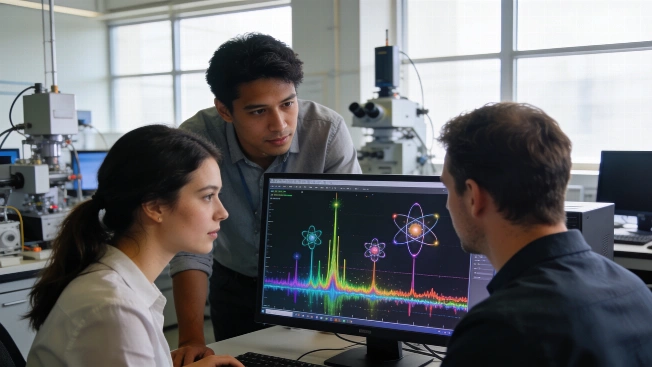
Sun's Silver Shortfall Explained by Advanced Atomic Modeling
Researchers examining solar spectra explain how atomic simulations affect estimates of the sun’s silver abundance and comparisons with meteorites, while emphasizing the limits of those measurements.
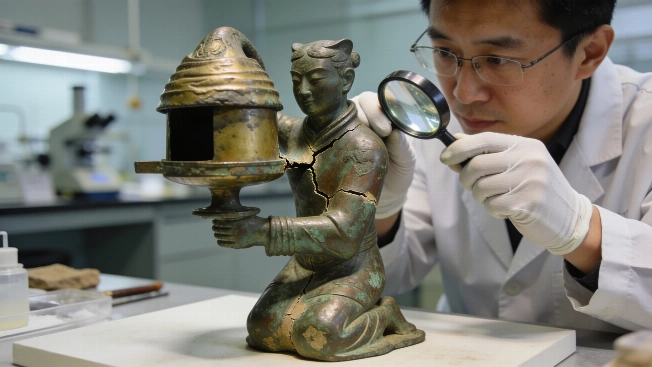
Sanxingdui Bronze Figure Assembled From Separate Ancient Artifacts
A new analysis of a bronze kneeling figure from Sanxingdui, China, reveals it was constructed from components made in different regions and periods, providing evidence for complex trade and metalworking in the ancient Shu kingdom