Chemical analysis of chalk-like pieces from two Jetyasar burials dated to the 2nd-4th centuries AD detected plant aromas, including ingredients researchers say may have traveled from India along exchange routes
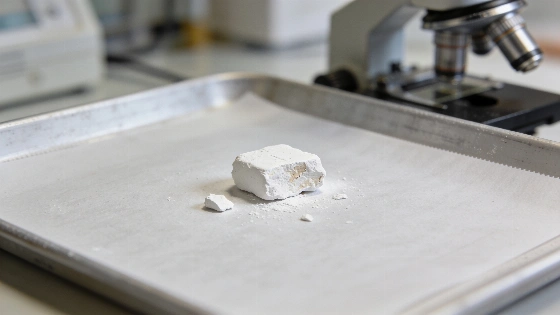
Two women buried in the eastern Aral Sea region carried compressed white cosmetic pieces that still held a noticeable aroma. The graves date to the 2nd-4th centuries AD, and chemical analysis found a chalk base combined with aromatic plant oils. The two fragments were among the objects examined in a study published in October 2026 in npj Heritage Science, titled "Cosmetic powder of 2000-years old Jetyasar culture. A complex analytical study."
Local chalk and plant oils
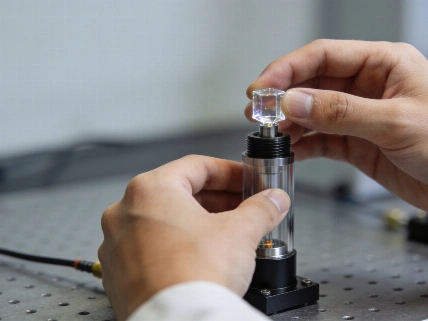
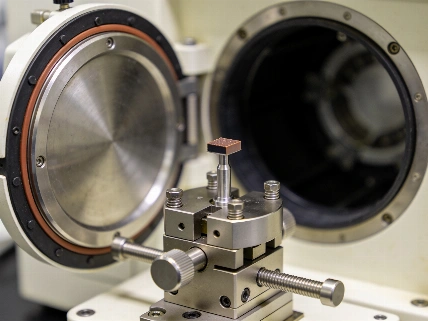
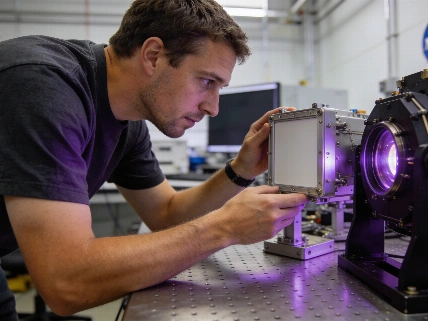
The samples came from excavations conducted between 1986 and 1991 and were kept in the collection of the State Museum of Oriental Art. Researchers examined them using gas chromatography-mass spectrometry, X-ray fluorescence, scanning electron microscopy, micro-Raman spectroscopy and X-ray diffraction. Together, these methods were used to investigate organic residues, elemental composition, microscopic structure and mineral phases.
Microscopic calcite plates called coccoliths were present in the material. These plates are produced by marine microorganisms; the researchers say their presence supports an origin in natural chalk deposits accessible to Jetyasar communities in what is now Kazakhstan. The mineral base was calcium carbonate, while testing also detected hundreds of organic compounds, including substances associated with aromatic plants.
The analysis detected compounds associated with cinnamon, the strongest botanical match reported in the study summaries. It also identified aromatic traces linked to wormwood and possibly mint, whose identification is less certain. Wormwood grows naturally across the Core Asian steppe, while cinnamon and the identified mint were not native to the region. Researchers have discussed southern India, and in some accounts southern China, as possible origins for non-local aromatics.
Exchange beyond durable goods
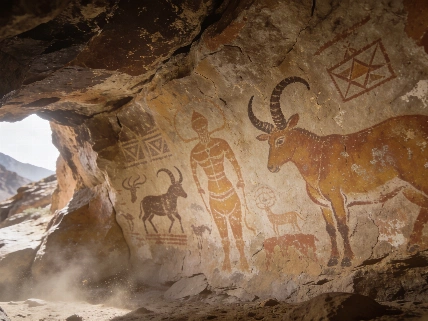
The Jetyasar culture developed in the lower Syr Darya region of present-day Kazakhstan during the first centuries AD, within the eastern Aral Sea region. Its communities lived in fortified settlements and built complex irrigation systems. The settlements lay near routes connecting Core Asia with China, India, Iran and lands farther west. Chinese objects, including mirrors, found in Jetyasar burials already indicate connections with distant regions; a separate shell-trade report describes another archaeological case in which objects help trace long-distance connections.
The cosmetic recipe combined locally available mineral material with aromatic ingredients that may have arrived through exchange. The resulting powder may have served as both cosmetic and perfume, although its precise use on the body, hair or clothing is not established. Both samples were funerary offerings in the graves of women estimated to have died between 30 and 39 years old.
The study, published in npj Heritage Science, describes the recipe as unique, with no known parallels among previously studied cosmetics from Ancient Egypt or the Roman Empire. Its findings add evidence for the movement of aromatic materials alongside durable goods, while the proposed botanical identifications leave the precise recipe and provenance open to further study.