
Space Situational Awareness
12 reportsThe page treats launch abort, while also considering object tracking and collision probability as distinct parts of Space Situational Awareness. For questions involving object tracking, the account uses post-event analysis as the measured record and tracking catalogues to expose uncertainty; incomplete observations and uncertain orbits can limit risk estimates.
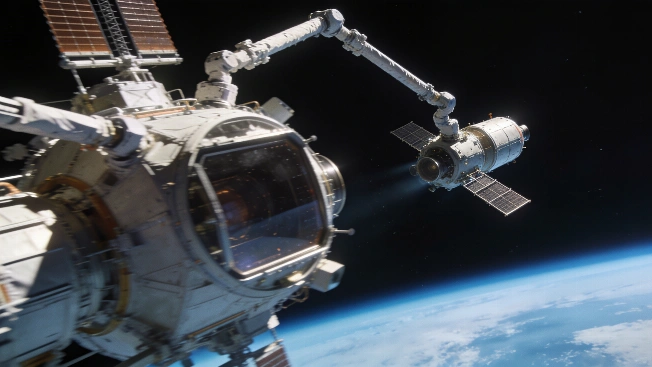
Swift Boost Mission Ends Without Raising Its Orbit
NASA's attempt to lift the Neil Gehrels Swift Observatory ended after its commercial servicing spacecraft developed communications and orientation problems, but the mission still produced valuable operational lessons for future in-space servicing.
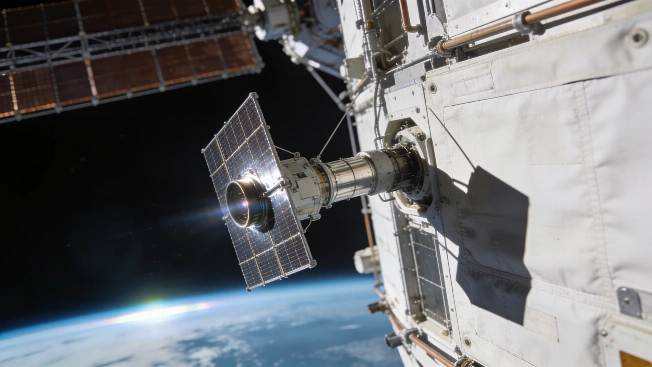
New sensor concept aims to reveal hidden nuclear weapons in orbit
A proposed satellite-based detector could identify nuclear warheads concealed on spacecraft by measuring neutron emissions, offering the first practical method to verify the decades-old ban on nuclear arms in space
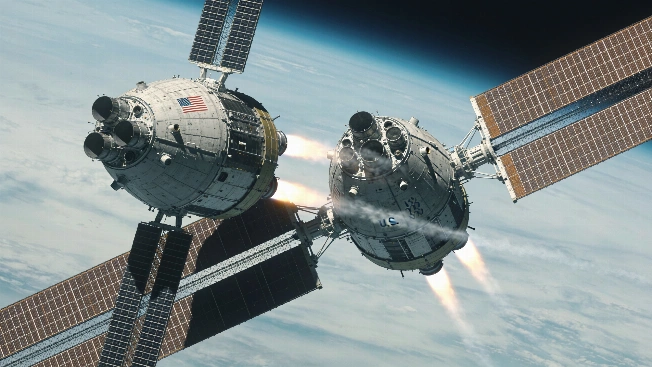
US Space Command simulates orbital maneuvers in live satellite exercise
US Space Command has conducted its first live orbital maneuver exercise, using satellites to simulate close-approach operations and test military tactics for potential conflict in Earth orbit
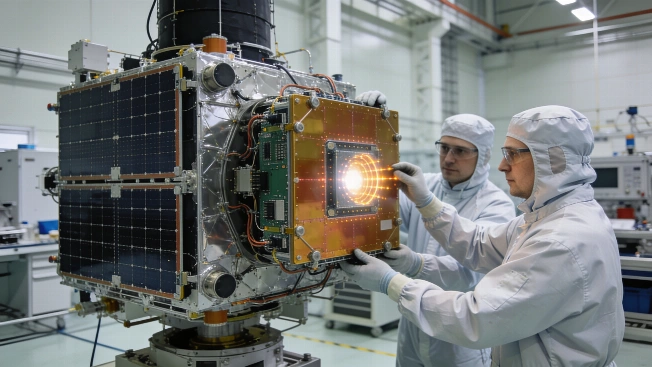
Ares Shield to Equip Lonestar Satellites With Microwave Defense Modules
Florida-based Lonestar Data Holdings has signed a contract with Polish startup Ares Shield to supply high-power microwave defense systems for its planned orbital data centers, aiming to counter satellite threats without generating space debris
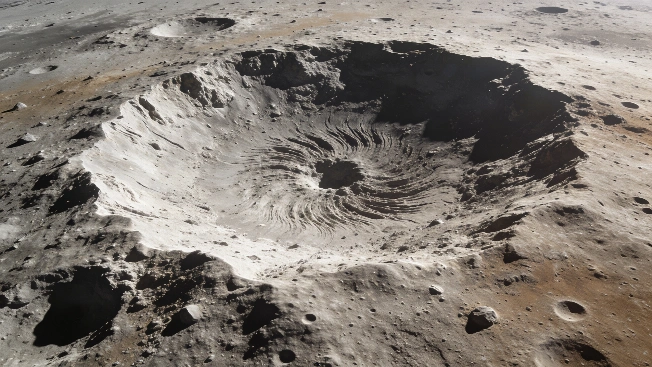
SpaceX Rocket Impact on Moon Raises Safety Questions for Lunar Missions
A SpaceX Falcon 9 upper stage collided with the lunar surface near Einstein Crater, prompting new scrutiny of debris risks as lunar exploration and infrastructure expand
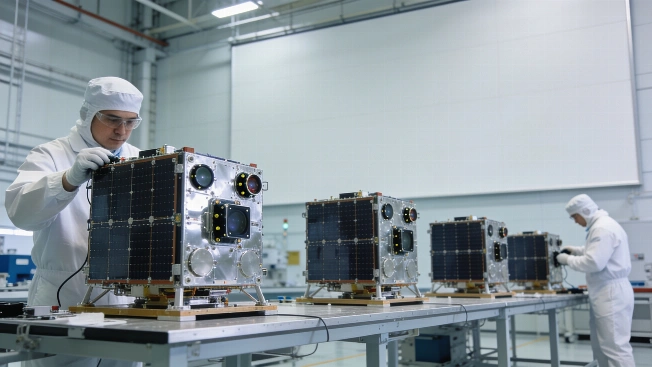
Astranis Unveils Perceptor Satellites to Track Activity in Geostationary Orbit
Astranis has announced the development of Perceptor satellites designed to monitor and analyze spacecraft movements in geostationary orbit, a region increasingly important for communications and national security
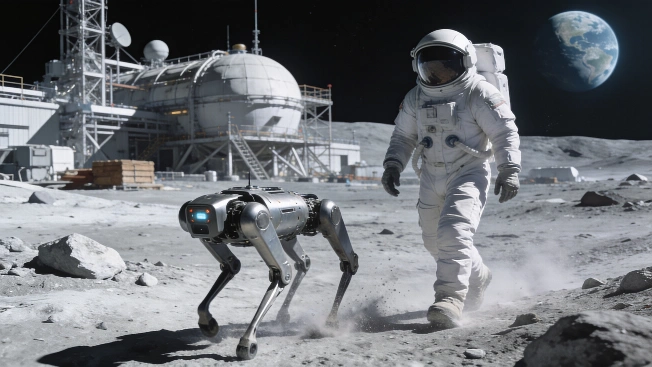
China Plans Lunar Base with Quadruped Robots for 2035 Deployment
China aims to deploy quadruped robots to support astronauts and conduct research at its planned International Lunar Research Station by 2035, raising questions about autonomy, safety, and human-robot collaboration in extreme environments
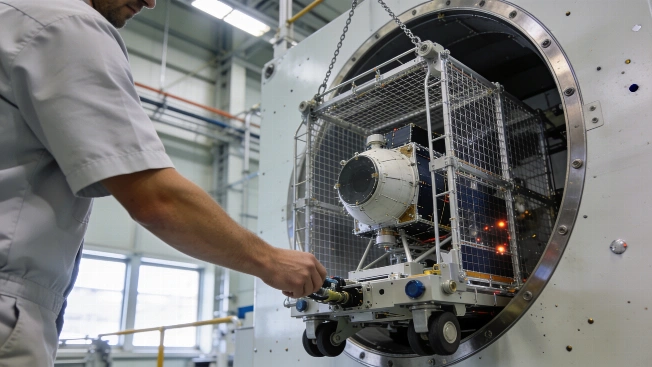
Why Real Space Salvage Cannot Work Like Hardspace: Shipbreaker
Hardspace: Shipbreaker turns derelict spacecraft into profitable scrap, but ESA's ClearSpace-1 shows why real debris removal must avoid fragmentation, stabilize tumbling targets, and control reentry
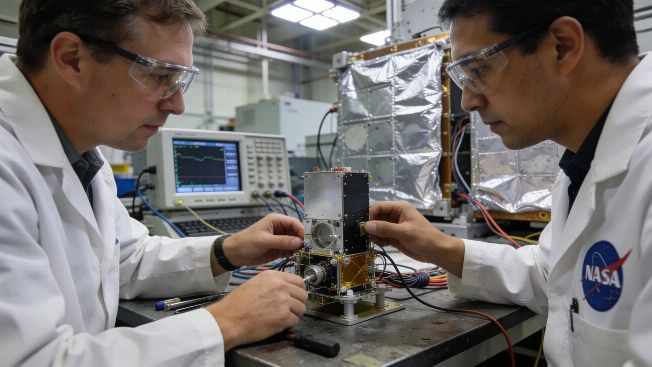
NASA Funds 18 Early-Stage Space Technology Concepts for 2026
NASA has selected 18 new Phase I projects under its Innovative Advanced Concepts program, providing $3.2 million to support early-stage studies of technologies for future space exploration and astrophysics missions
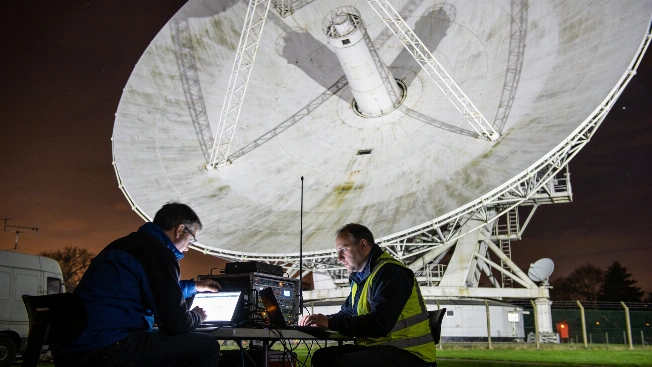
Radio Telescopes Track Space Debris in Geostationary Orbit
Engineers have demonstrated that radio telescopes can detect and monitor space debris in geostationary orbit, using radar signals reflected from distant objects beyond the reach of conventional tracking methods
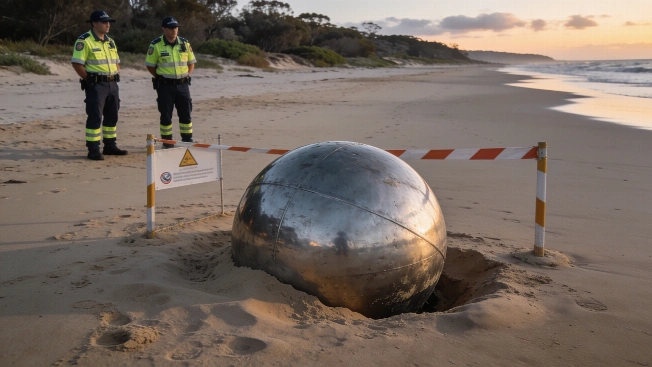
Metal Spheres on Australian Beach Highlight Space Debris Uncertainty
Six metallic spheres found on an Australian shoreline are believed to be remnants of a space launch vehicle, raising new questions about how space debris survives reentry and where it ultimately lands
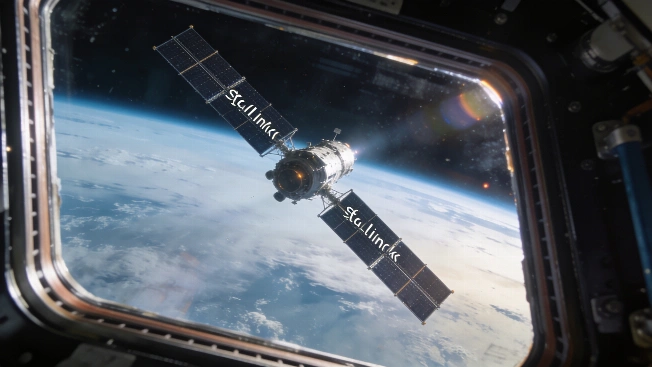
Starlink Satellites Face Near-Constant Collision Avoidance in Orbit
SpaceX's Starlink satellites have performed hundreds of thousands of collision avoidance maneuvers in the past year, highlighting the growing challenge of managing orbital traffic and the risks posed by increasing satellite numbers