
Outer Space Treaty
9 reportsReporting makes sense of Outer Space Treaty by comparing reporting duty; scope and definitions; and evidence requirements. The analysis begins with statutory text for evidence requirements, and uses regulatory decisions to identify where the explanation succeeds or fails; legal authority and scientific evidence may address different questions.

US military expands defense planning from ocean floor to lunar orbit
The US military's top officer says future conflicts could extend from the seafloor to the Moon's orbit, as the Space Force openly acknowledges operating defensive weapons in space for the first time.
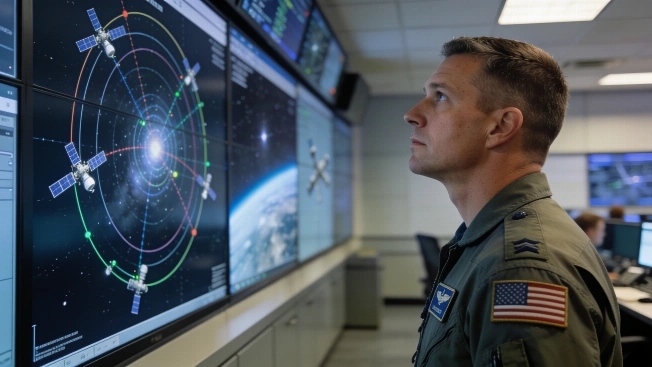
US Confirms Deployment of Space-Based Weapons Amid Treaty Concerns
The US Air Force has acknowledged the presence of operational space control weapons in Earth orbit, prompting renewed scrutiny of international agreements and the risk of an orbital arms race
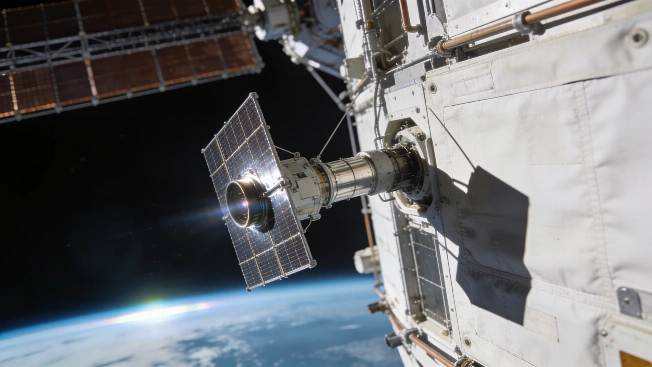
New sensor concept aims to reveal hidden nuclear weapons in orbit
A proposed satellite-based detector could identify nuclear warheads concealed on spacecraft by measuring neutron emissions, offering the first practical method to verify the decades-old ban on nuclear arms in space
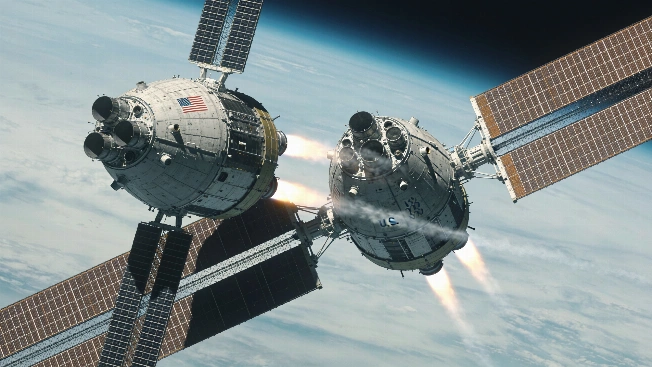
US Space Command simulates orbital maneuvers in live satellite exercise
US Space Command has conducted its first live orbital maneuver exercise, using satellites to simulate close-approach operations and test military tactics for potential conflict in Earth orbit
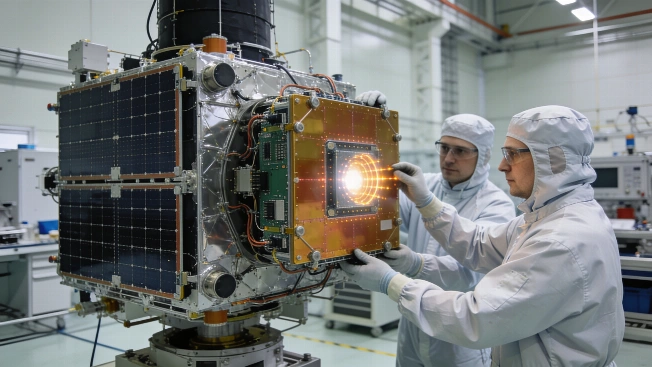
Ares Shield to Equip Lonestar Satellites With Microwave Defense Modules
Florida-based Lonestar Data Holdings has signed a contract with Polish startup Ares Shield to supply high-power microwave defense systems for its planned orbital data centers, aiming to counter satellite threats without generating space debris
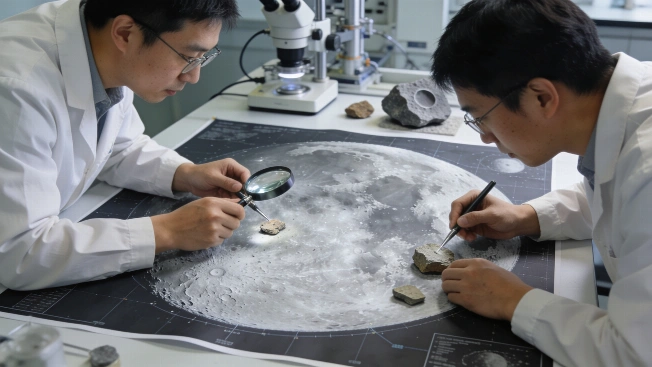
China Unveils Detailed Lunar Map and New Geologic Timeline
Chinese researchers have released a new 1:5 million scale map of the Moon, updating lunar geologic eras and far side data using recent sample-return missions and reprocessed spectral analysis
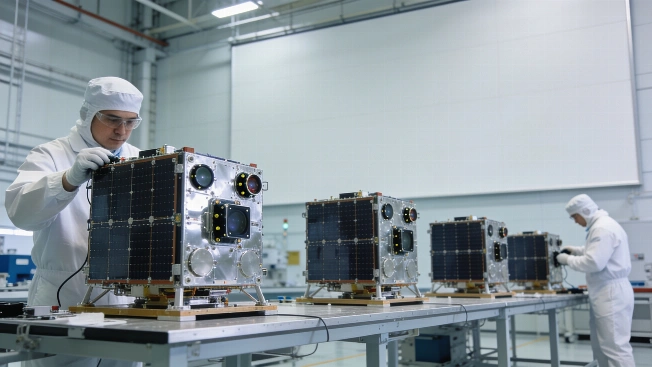
Astranis Unveils Perceptor Satellites to Track Activity in Geostationary Orbit
Astranis has announced the development of Perceptor satellites designed to monitor and analyze spacecraft movements in geostationary orbit, a region increasingly important for communications and national security
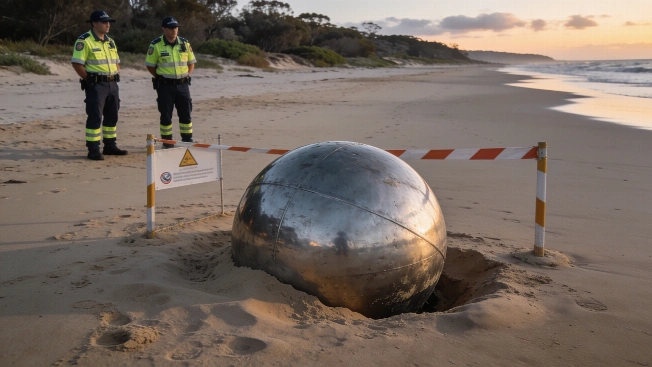
Metal Spheres on Australian Beach Highlight Space Debris Uncertainty
Six metallic spheres found on an Australian shoreline are believed to be remnants of a space launch vehicle, raising new questions about how space debris survives reentry and where it ultimately lands
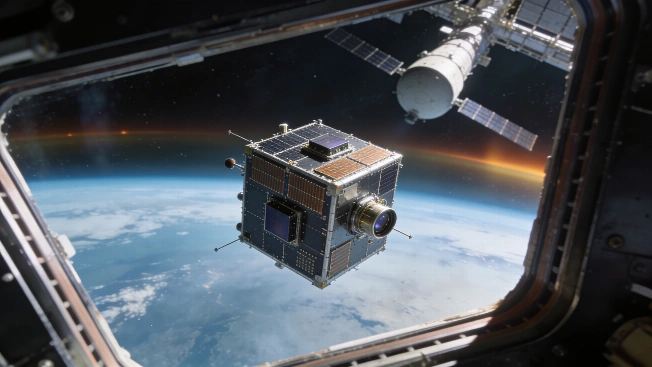
Satellite Neutron Detection Proposed for Nuclear Treaty Verification
A new analysis suggests that satellites equipped with neutron detectors could remotely identify nuclear materials in orbit, offering a potential method to verify compliance with the Outer Space Treaty and address emerging security concerns