
Zooarchaeology
5 reportsScientific coverage devoted to Zooarchaeology addresses sources of error; sampling and context; and calibration or reference data. The treatment of calibration or reference data keeps calibration standards separate from blind or comparative tests until their assumptions and scales are compared; the result is bounded by the possibility that disturbance, contamination, and incomplete context can narrow what the method establishes.
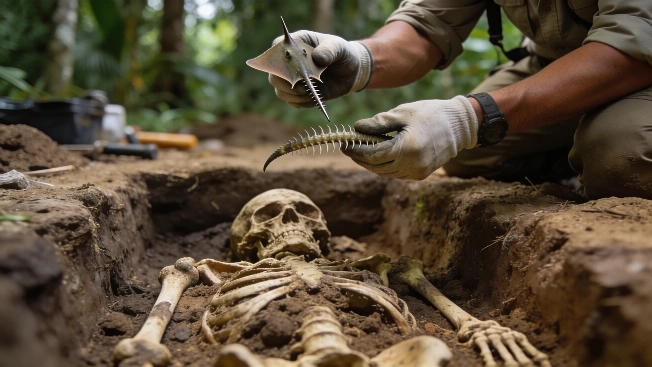
Ancient Maya burials yield stingray barbs linked to bloodletting rituals
Archaeologists working near Tenosique, Tabasco, have recovered stingray barbs and a catfish spine from ancient Maya burials. Researchers are investigating whether these aquatic animal remains were used in ritual bloodletting or self-sacrifice practices
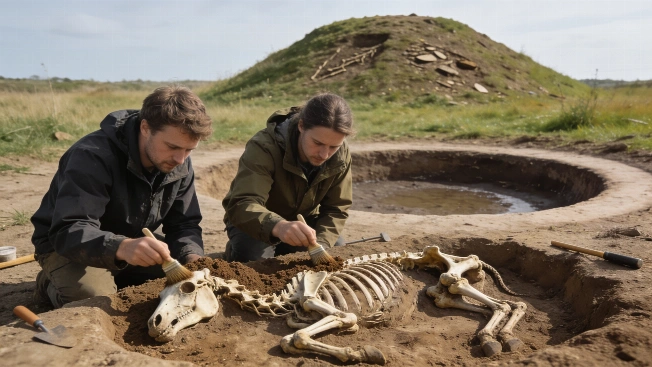
Bronze Age Foals Buried Beside Ancient Mound in Germany
Archaeologists in Saxony-Anhalt have uncovered two young horse skeletons intentionally buried near a Late Bronze Age burial mound, offering rare evidence for the ritual deposition of valuable animals over 3,000 years ago
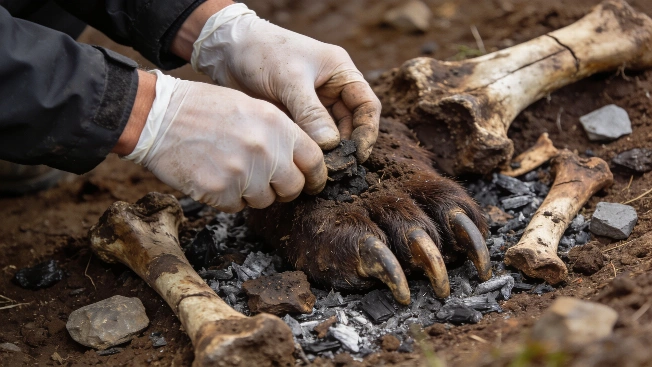
Bear Claws in Early Medieval Burials Reveal Social Hierarchy in Baltic
Archaeologists have identified brown bear claws in cremation burials from the sixth and seventh centuries CE on the Kaliningrad Peninsula, offering new evidence for social status and ritual practices among the Aestii population
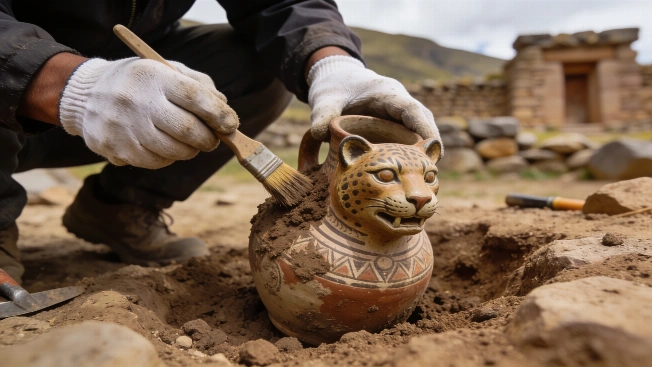
Puma-Headed Pottery Sheds Light on Rituals at Marcahuamachuco
Archaeologists at Marcahuamachuco in northern Peru have uncovered a unique puma-headed ceramic vessel and animal remains, offering new evidence for ceremonial practices and daily life at the site between 850 and 950 CE
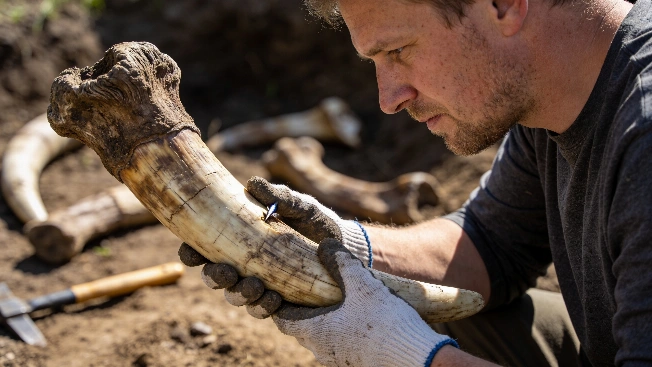
Ancient DNA Reveals Sex Bias in Ice Age Mammoth Hunting
Genomic analysis of over 500 woolly mammoth remains from Eurasia and North America suggests Upper Paleolithic hunter-gatherers may have disproportionately targeted female mammoths, raising new questions about prehistoric hunting strategies