
Mycenae
2 reportsMycenae is an archaeological site where structures, deposits, artifacts, and environmental evidence preserve past activity. Reconstruction depends on stratigraphic sequence, dating evidence, and site location, with provenance and stratigraphy used to separate evidence from later storytelling.
Coverage places dating evidence; architecture or material culture; and conservation and interpretation within the wider context of Mycenae. The treatment of conservation and interpretation keeps provenance and spatial context separate from field records until their assumptions and scales are compared; interpretation remains cautious because disturbance, incomplete excavation, and later restoration can limit reconstruction.
Coverage places dating evidence; architecture or material culture; and conservation and interpretation within the wider context of Mycenae. The treatment of conservation and interpretation keeps provenance and spatial context separate from field records until their assumptions and scales are compared; interpretation remains cautious because disturbance, incomplete excavation, and later restoration can limit reconstruction.
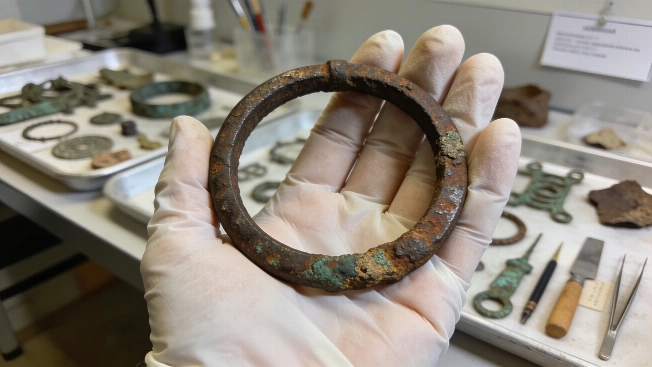
Ancient Greek Rings Reveal Use of Meteorite Iron in Elite Burials
Analysis of Bronze and Early Iron Age rings from Greece shows that some were crafted from meteoritic iron, suggesting the rare metal was valued by Minoan and Mycenaean elites long before iron smelting became common
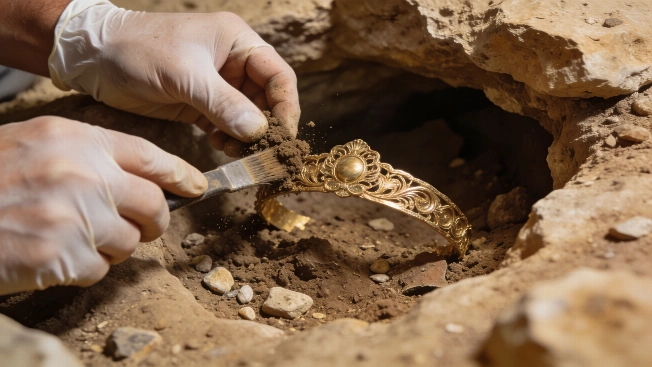
Cypriot Gold Ornaments Reveal Ancient Mediterranean Connections
Archaeologists have analyzed a cache of 3,400-year-old gold ornaments from chamber tombs at Hala Sultan Tekke, Cyprus, uncovering evidence of local craftsmanship influenced by Egyptian, Mycenaean, Minoan, and Near Eastern traditions