
DNA Sequencing
4 reportsThe page treats validation against other methods, while also considering experimental control and technical replicate as distinct parts of DNA Sequencing. The case for technical replicate is reconstructed from replication across laboratories and protocol details, subject to the fact that interpretation remains cautious because batch effects, contamination, and analytical choices can change the result.
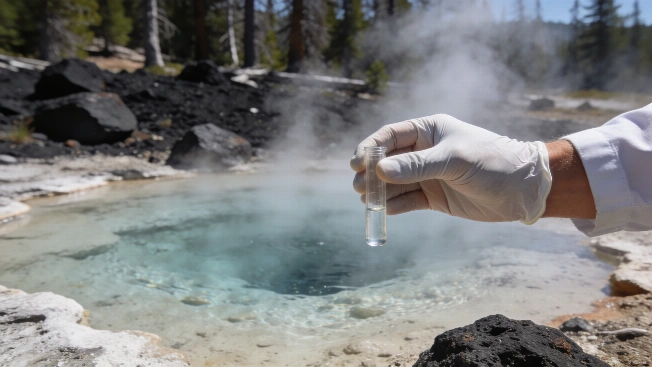
A Fire Amoeba Sets a New Heat Limit for Complex Life
A NASA-supported study identifies an amoeba from California hot springs that reproduces at 63°C, remains active at 64°C and can recover after brief exposure to temperatures approaching 70°C.

Neanderthal Gene Variant Linked to Muscle Mass in Modern Humans
A newly published study identifies a Neanderthal-derived gene variant in the growth hormone receptor that increases muscle mass in some modern humans. Researchers analyzed ancient DNA and over a million modern genomes to trace its distribution and effects.

Ancient DNA Reveals Two Unknown Human Lineages in Modern Genomes
A new genome analysis method has identified traces of two previously unknown extinct human lineages in the DNA of living people, offering fresh insight into ancient population interactions and the complexity of human evolution
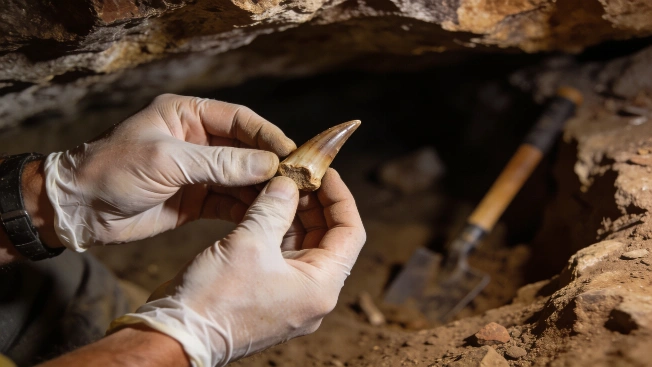
Ancient DNA Survives 50,000 Years in South African Cave
Researchers have recovered DNA from a 50,000-year-old antelope tooth in Boomplaas Cave, South Africa, challenging assumptions about DNA survival in hot climates and expanding the potential for ancient genetic studies in sub-Saharan Africa