
Energy Technology - Part 2
48 reports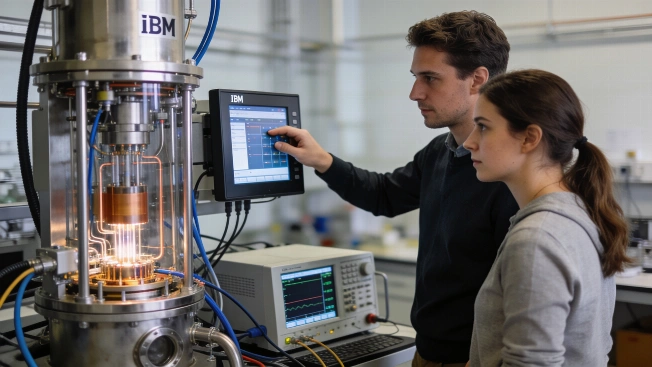
IBM Quantum Hardware Benchmarked for Smart Grid Energy Forecasting
Researchers tested hybrid quantum-classical machine learning algorithms on IBM Quantum hardware with over 100 qubits to forecast electricity demand across smart grids, comparing performance and noise sensitivity with classical methods
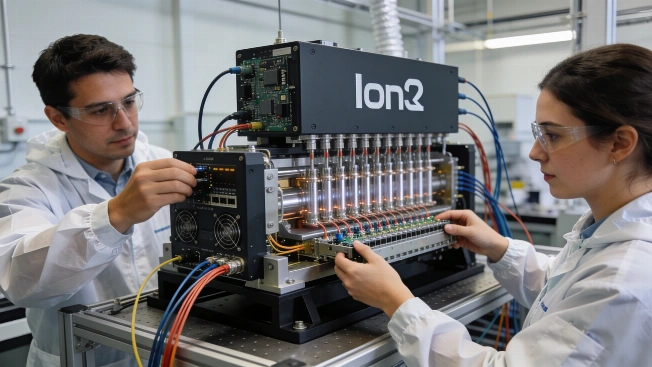
EPB Quantum Network to Link Trapped-Ion Computer and Photonic Nodes
EPB is deploying an IonQ Forte Enterprise quantum computer on its Quantum Network, aiming to integrate trapped-ion hardware with photonic networking for regional research and workforce development, with energy and logistics in focus and defense also among the target applications.
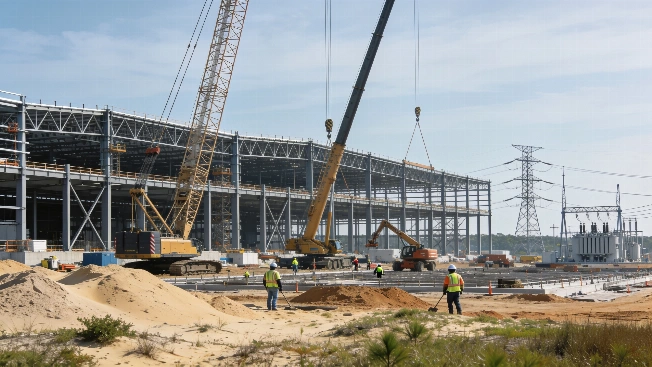
OpenAI Plans $30 Billion AI Data Center Campus in Georgia
OpenAI plans to invest $30 billion in a hyperscale data center campus in coastal Georgia, with up to 3.2 gigawatts of site power to support advanced AI development and deployment over the next decade.
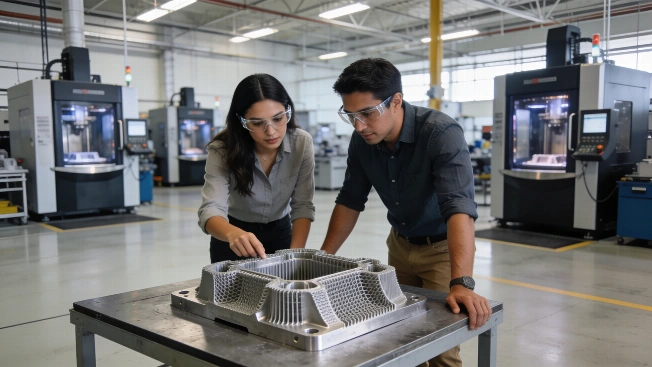
Velo3D Launches Large-Scale Metal 3D Printing Facility in California
Velo3D has opened Forge 1, a 289,000-square-foot campus in Livermore, California, to expand production of large-format metal additive manufacturing systems for aerospace, defense, and energy applications.
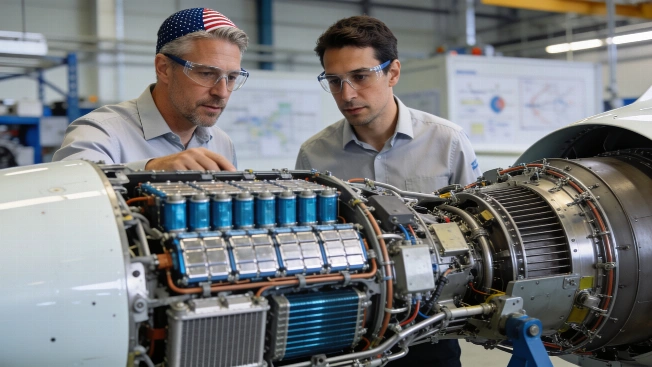
ZeroAvia and Safran Target Hydrogen-Electric Propulsion for Large Aircraft
ZeroAvia and Safran have announced a partnership to develop high-temperature hydrogen fuel cell systems for commercial aviation, aiming to address the technical barriers to zero-emission flight for larger passenger aircraft
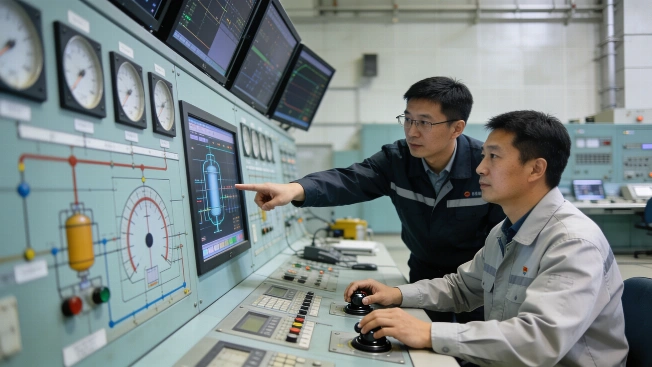
China Details AI Roadmap for Safer Nuclear Energy Operations
At the World Artificial Intelligence Conference, Chinese researchers presented a multilayered AI integration plan for advanced nuclear energy systems, aimed at addressing safety and operational challenges across the reactor lifecycle.

Solid Crystal Thermoelectric Material Demonstrated for Heat Recovery
A research team at the Institute of Science, Tokyo, has engineered a solid crystal thermoelectric material that mimics the properties of atomically thin films, potentially enabling more practical waste heat recovery in industrial settings.

Balcony Solar Panels Spread Faster Than US Safety Standards
Plug-in solar panels for homes and apartments are now legal in many US states, but no panels meet new certification standards and key safety risks remain unresolved as regulators and utilities struggle to keep pace

GE Aerospace GEnx-1B Engine Logs 50 Million Flight Hours Milestone
GE Aerospace reports its GEnx-1B engine, used on Boeing 787 Dreamliners, has surpassed 50 million flight hours with a developer-claimed 99.98% dispatch reliability, raising questions about real-world performance and operational limits

MIT tool models climate risks for renewable energy grid planning
A new MIT framework simulates how future climate conditions could affect renewable energy infrastructure, revealing that siting decisions based on outdated weather data may increase grid failures as demand and extreme weather rise

Nuclear-Powered Container Ship Design Receives Initial Safety Approval
A 15,000 TEU container ship concept using small modular reactors has received Approval in Principle from the American Bureau of Shipping, marking a step toward nuclear propulsion in commercial shipping but raising new safety and engineering questions

Open CSP Tower Data Set Aims to Advance Solar Thermal Research
A new open-access database from German researchers provides detailed operational data from a solar power tower facility, aiming to accelerate research on concentrated solar power and improve the technology's efficiency and deployment
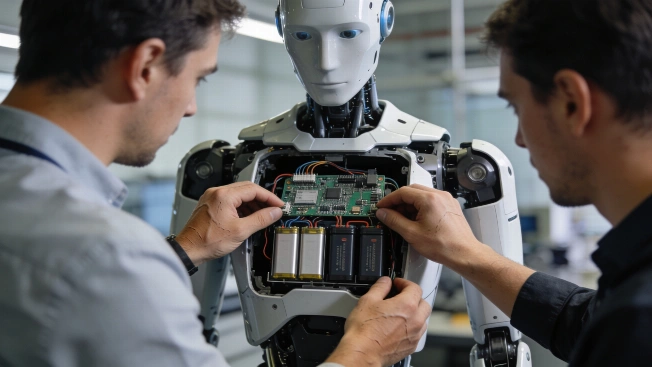
Why Power Management Limits Humanoid Robot Performance
Engineers developing humanoid robots face persistent challenges in converting and distributing onboard battery power to support motion, sensing, and computation. The efficiency and reliability of these power systems directly affect robots’ capabilities and safety.
Part 2 of 2