
Space Launch System
13 reportsThe strongest reporting on Space Launch System separates flight record; reusability or mission architecture; and stage and propulsion design. The discussion asks what can be established from independent reliability statistics about reusability or mission architecture and whether a compatible result appears in launch telemetry; the evidence cannot remove the concern that planned performance and advertised capacity do not replace demonstrated flights.
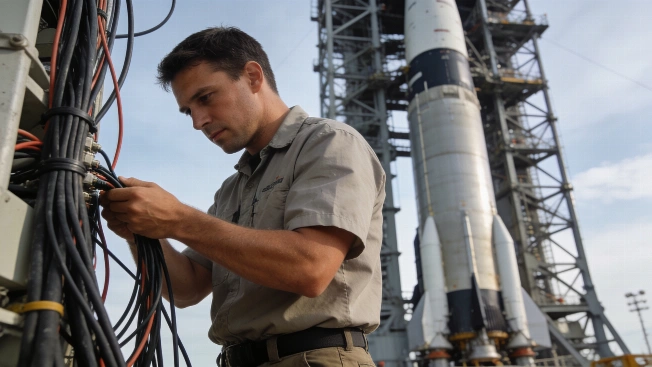
Jared Spiers Takes a Civil Servant Role at NASA
A Stennis technician who started as a contractor after college now helps ready a test stand for Blue Origin's New Glenn and supports the NASA workforce behind the agency's lunar ambitions
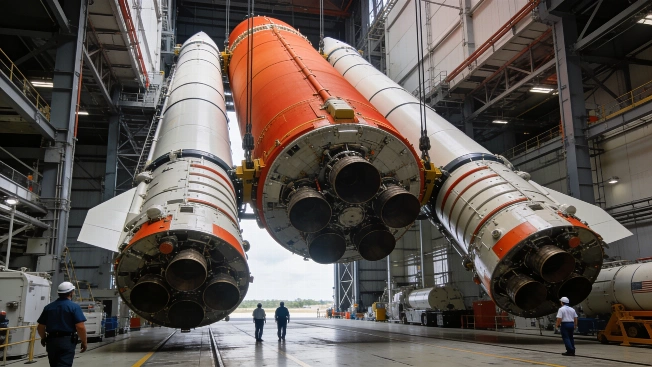
Artemis III Core Stage Takes Its Place Between SLS Boosters
A custom lifting beam moved the 212-foot Artemis III core stage into position at Kennedy Space Center. After checkouts teams plan to load fuel into the stage and rehearse countdown procedures
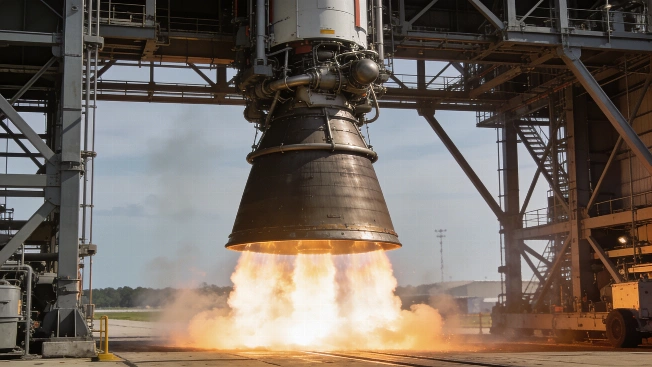
RS-25 Test Checks Hardware for Future Artemis Launches
At Stennis Space Center an RS-25 development engine ran for 500 seconds and reached 111% power. The firing also tested flight components and a new nozzle thermal protection system for future Artemis missions
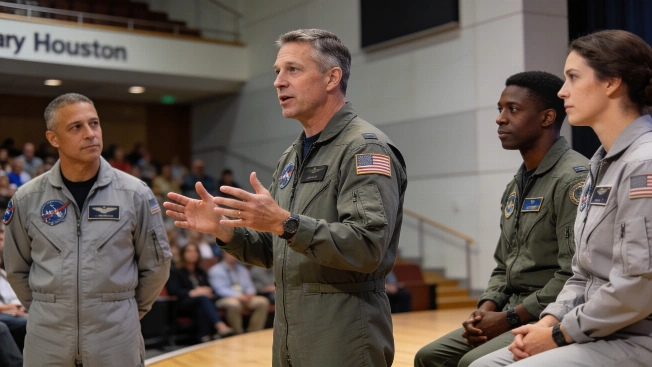
Artemis II Crew Set for Houston Event After Record Lunar Flyby
The Artemis II astronauts will meet the public at the University of Houston after traveling 406,771 kilometers from Earth during the first crewed lunar flyby in more than 50 years.
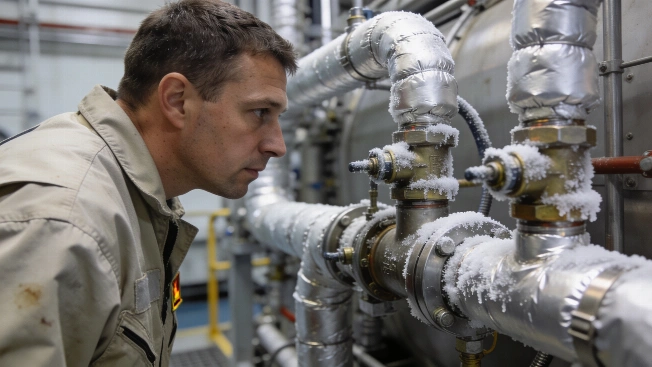
Hydrazine Freeze-Thaw Cycles Can Put NASA Hardware at Risk
NASA's technical guidance warns that repeated freeze-thaw exposure can rupture hydrazine plumbing and create slush blockages, while shortening the service life of propulsion and auxiliary systems.
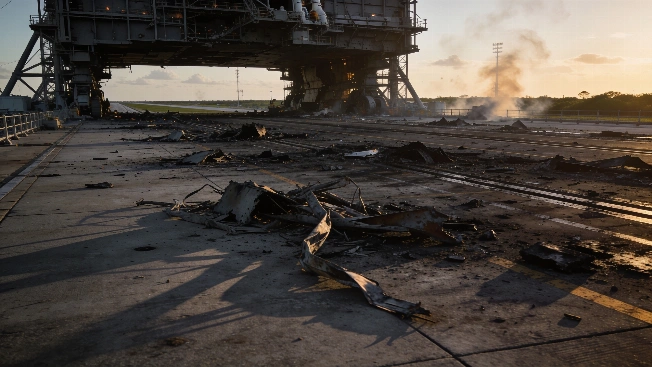
Blue Origin rocket blast detected over 1600 kilometers from Cape Canaveral
A Blue Origin New Glenn rocket explosion at Cape Canaveral produced infrasound waves detected more than 1600 kilometers away. Researchers used specialized sensors to estimate the blast's energy and assess its impact on launch operations and future missions.
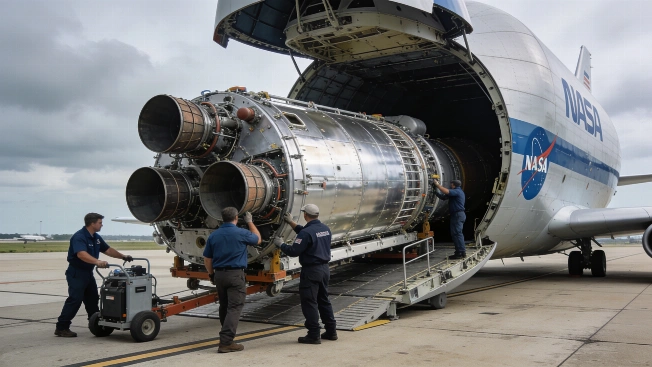
NASA's Super Guppy Transformed Space Hardware Transport in 1965
NASA's Super Guppy cargo aircraft completed its first test flight in 1965, enabling the agency to move oversized rocket stages and spacecraft components across the United States for missions including Apollo and Artemis.
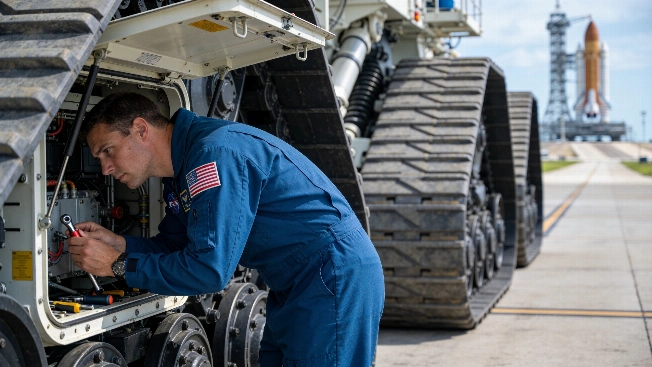
How NASA Mechanics Maintain Spacecraft and Support Exploration
NASA relies on highly trained mechanics to keep spacecraft and support equipment operational, including launch vehicles. Their work covers aircraft and heavy transporters, and calls for specialized skills backed by rigorous certification.
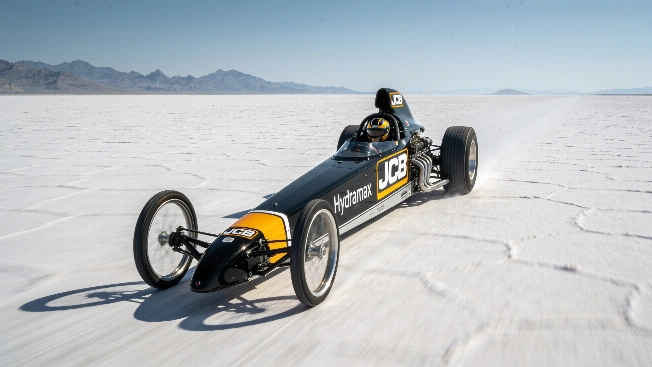
Hydrogen-Powered Car Sets 406 km/h Land Speed Record in Utah
A hydrogen-fueled vehicle set a new land-speed record, averaging 653.90 km/h during controlled runs at Utah’s Bonneville Salt Flats. The result shows the performance potential of hydrogen-combustion engines, though it does not establish their efficiency or commercial viability.
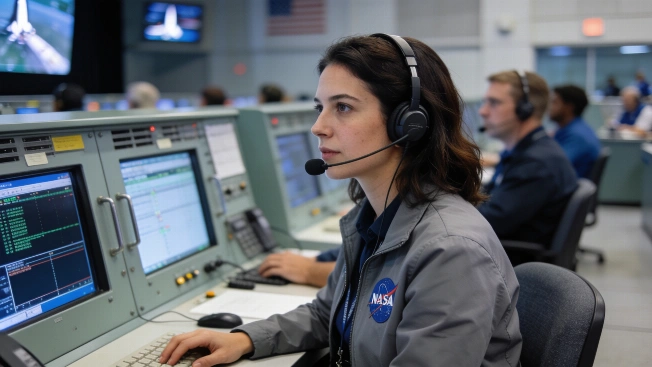
NASA Artemis Launch Team Welcomes New Test Project Engineer
NASA's Artemis program has added Lindsey Waitt as a test project engineer, supporting launch operations for upcoming Moon missions. Her appointment highlights the technical demands and collaborative environment of Artemis launch preparations.
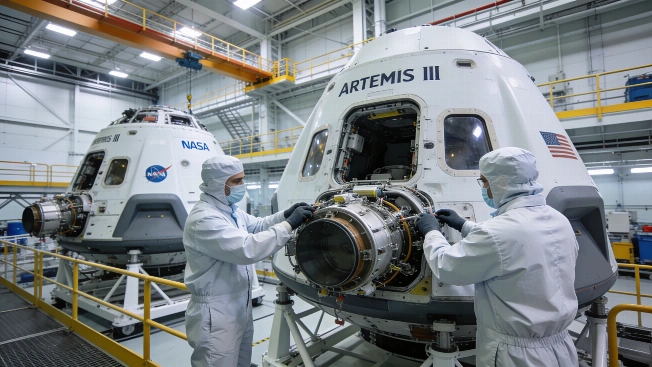
NASA Joins Artemis III Orion Crew and Service Modules for Lunar Mission
Technicians at Kennedy Space Center have integrated the Orion crew and service modules for Artemis III, a basic key stage ahead of the mission to test rendezvous and docking with lunar landing systems in low Earth orbit.
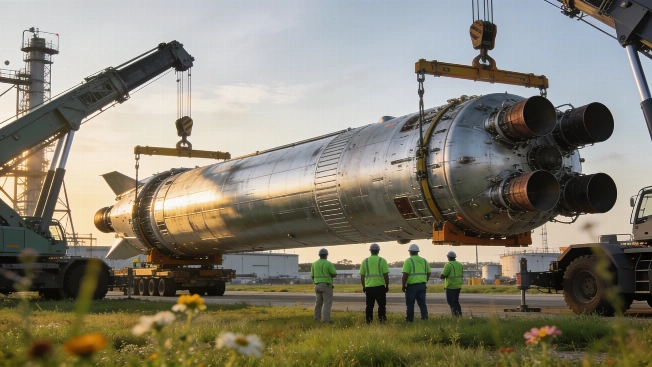
NASA Moves Artemis IV Hydrogen Tank for Core Stage Testing
A 130-foot liquid hydrogen tank for Artemis IV was transported at NASA's Michoud Assembly Facility, marking a basic step toward core stage testing for the Space Launch System rocket.
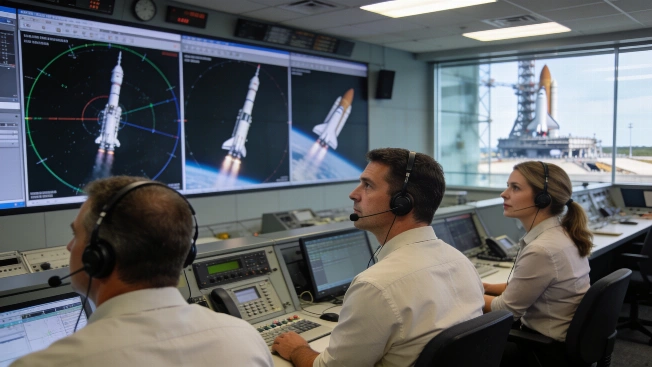
Artemis III to Test NASA's Most Complex Multi-Spacecraft Mission Yet
NASA's Artemis III mission will attempt a coordinated two-week operation involving four astronauts and three independently launched spacecraft, aiming to validate critical lunar landing technologies in low Earth orbit