
Technology Policy - Part 2
42 reports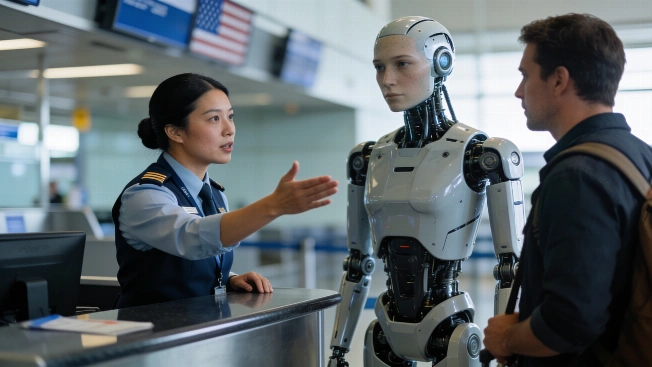
United and Delta Ban Humanoid Robots From All Commercial Flights
United Airlines and Delta Air Lines have introduced restrictions prohibiting passengers from transporting humanoid robots in carry-on and checked baggage, citing unresolved safety and operational challenges.

Hewlett Foundation Funds $100M Push on Quantum and Tech Security
The William and Flora Hewlett Foundation has committed $100 million over five years to research and policy on emerging technology security and governance, focusing on quantum computing and biotechnology alongside AI.
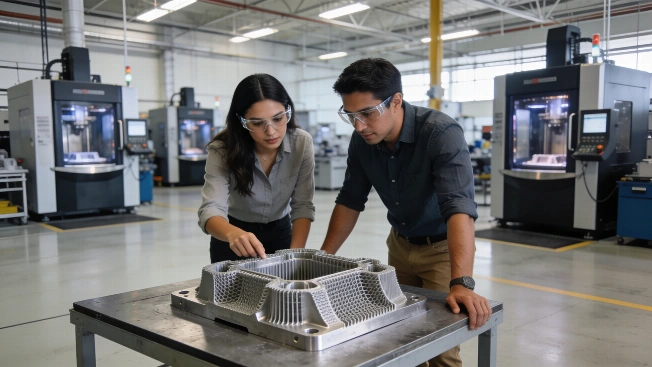
Velo3D Launches Large-Scale Metal 3D Printing Facility in California
Velo3D has opened Forge 1, a 289,000-square-foot campus in Livermore, California, to expand production of large-format metal additive manufacturing systems for aerospace, defense, and energy applications.
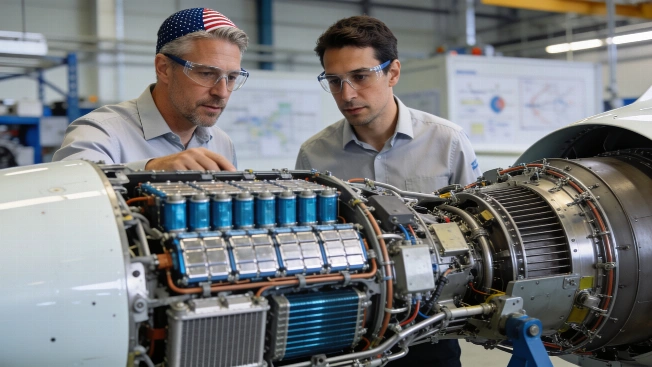
ZeroAvia and Safran Target Hydrogen-Electric Propulsion for Large Aircraft
ZeroAvia and Safran have announced a partnership to develop high-temperature hydrogen fuel cell systems for commercial aviation, aiming to address the technical barriers to zero-emission flight for larger passenger aircraft
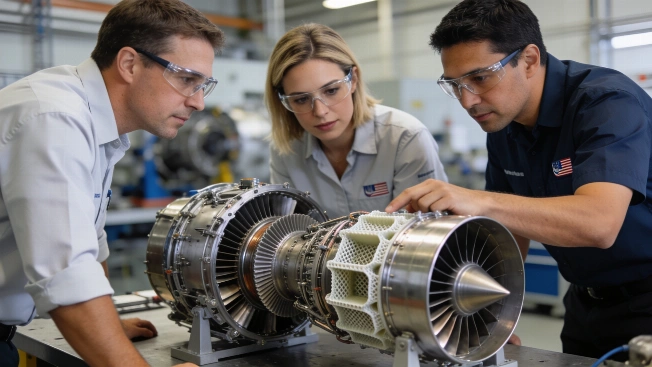
Pratt & Whitney Advances Valox 1500 Engine for Autonomous Aircraft
Pratt & Whitney has completed a digital design review of its Valox 1500 engine, a propulsion system intended for autonomous military aircraft. The key stage moves the program closer to ground testing and raises questions about costs and mission life as development proceeds rapidly.
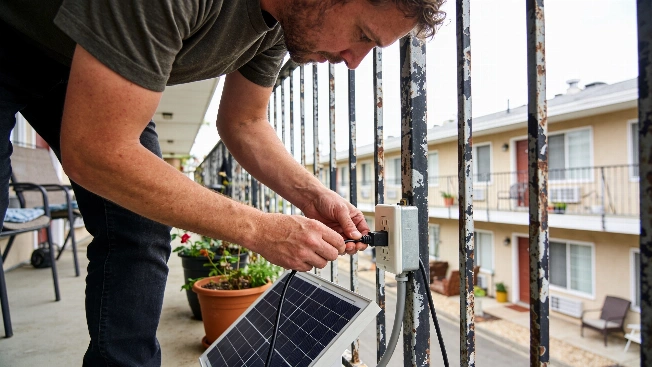
Balcony Solar Panels Spread Faster Than US Safety Standards
Plug-in solar panels for homes and apartments are now legal in many US states, but no panels meet new certification standards and key safety risks remain unresolved as regulators and utilities struggle to keep pace
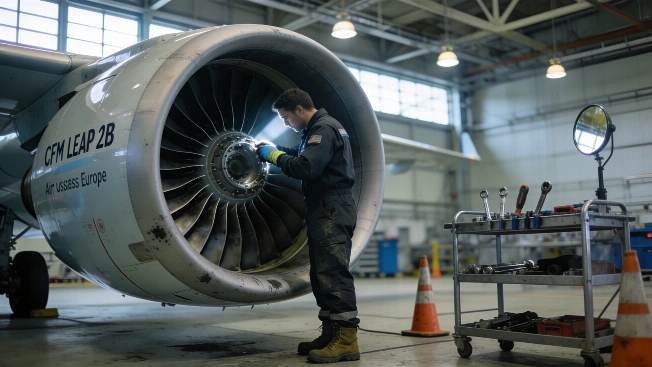
CFM LEAP-1B Engine Upgrades Aim to Cut Maintenance in Harsh Environments
CFM International has received regulatory certification for new LEAP-1B engine upgrades, including a high-pressure turbine durability kit and a reverse bleed cooling system, both designed to extend operational time and reduce maintenance in challenging climates
Part 2 of 2