
Space Policy and Safety - Part 4
115 reports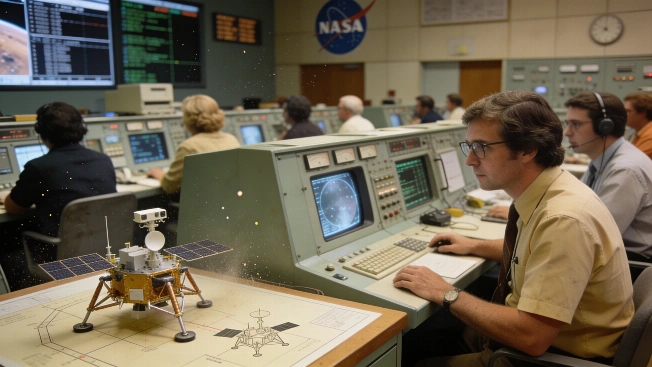
Viking 1's Mars Life Experiments: What the Evidence Still Can't Prove
Fifty years after NASA's Viking 1 lander touched down on Mars, scientists remain divided over whether its life-detection experiments found evidence of Martian biology or were confounded by non-biological chemistry and instrument limitations.
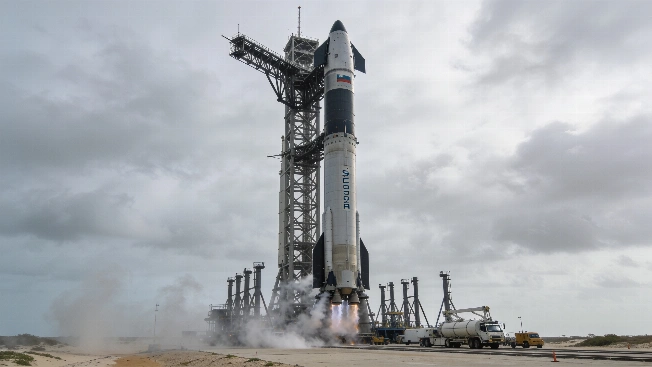
SpaceX Starship Test Aborted as Defense and Science Missions Advance
SpaceX's Starship Flight 13 test launch was halted seconds before liftoff, highlighting ongoing technical challenges as the company expands its role in US military and scientific space operations
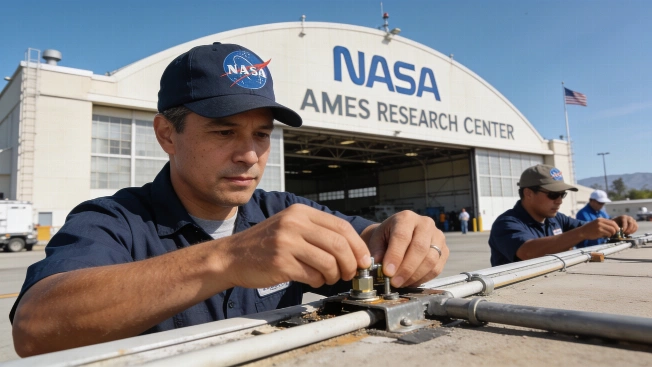
NASA Contracts Chugach for Ames Research Center Facility Operations
NASA has awarded Chugach Intelligence Solutions LLC a five-year contract to manage facility operations and maintenance, including repairs, at Ames Research Center in California, supporting its scientific missions and infrastructure needs
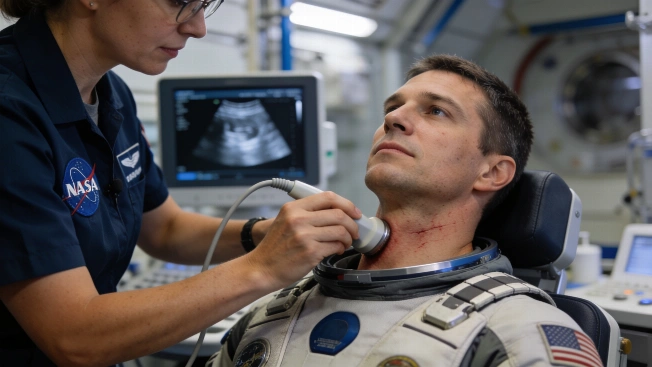
NASA Develops VTE Risk Algorithm for Astronauts on ISS Missions
NASA's medical office has established a new risk assessment algorithm for venous thromboembolism (VTE) in astronauts, following updated case reviews and in-flight blood-flow data from International Space Station missions.
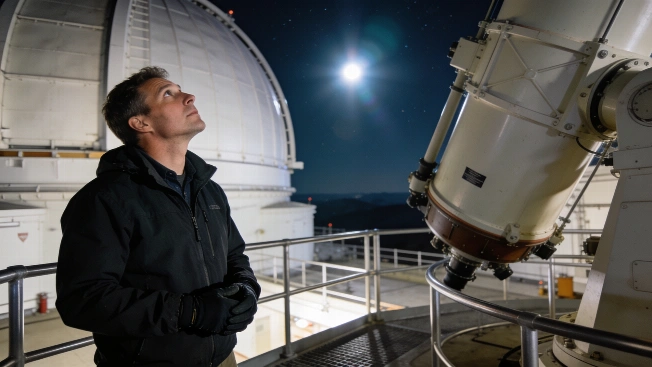
Astronomers Warn of Night Sky Risks From Sun-Reflecting Satellite
A private company has received regulatory approval to launch a satellite equipped with a large reflective surface, aiming to direct sunlight to Earth after dark. Astronomers and scientific organizations are raising concerns about the impact on astronomical observations and public safety.
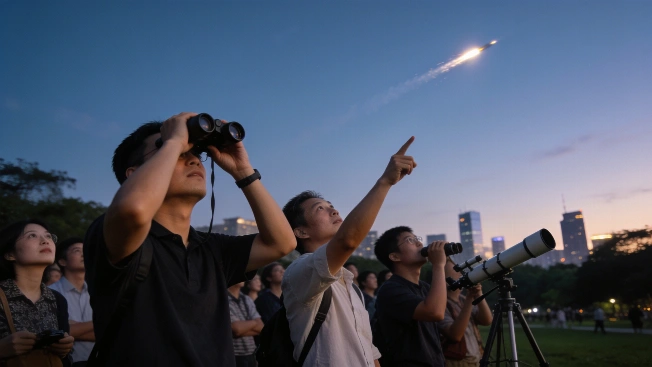
Asteroid Apophis to Make Exceptionally Close Approach in 2029
Researchers have mapped the 2029 flyby of asteroid Apophis, predicting that up to 90% of Earth's population could see the object with the naked eye as it passes closer than many satellites, offering a rare opportunity for direct observation
Extreme Solar Storms May Exceed Previous Impact Estimates
A new analysis of solar wind data suggests that the most powerful solar storms could cause greater geomagnetic disturbances on Earth than previously calculated, with implications for satellites and power grids
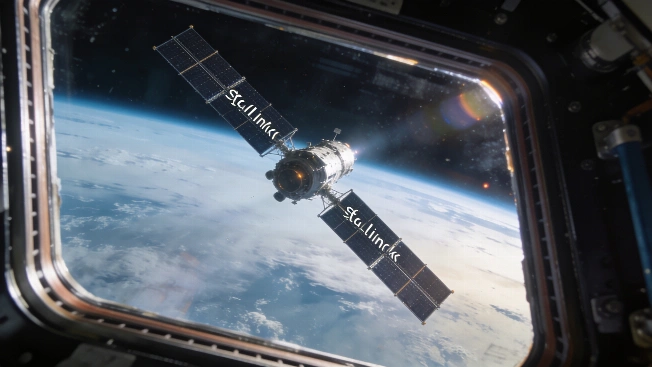
Starlink Satellites Face Near-Constant Collision Avoidance in Orbit
SpaceX's Starlink satellites have performed hundreds of thousands of collision avoidance maneuvers in the past year, highlighting the growing challenge of managing orbital traffic and the risks posed by increasing satellite numbers
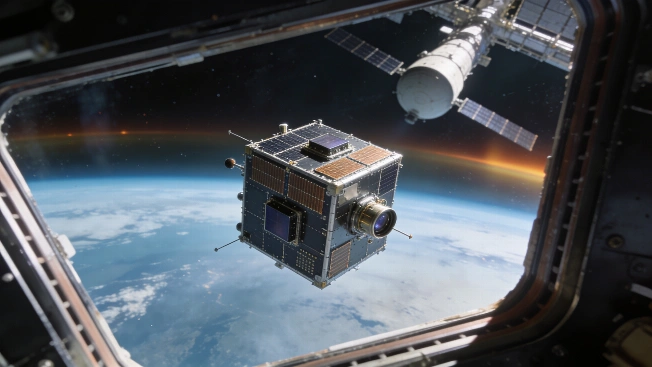
Satellite Neutron Detection Proposed for Nuclear Treaty Verification
A new analysis suggests that satellites equipped with neutron detectors could remotely identify nuclear materials in orbit, offering a potential method to verify compliance with the Outer Space Treaty and address emerging security concerns
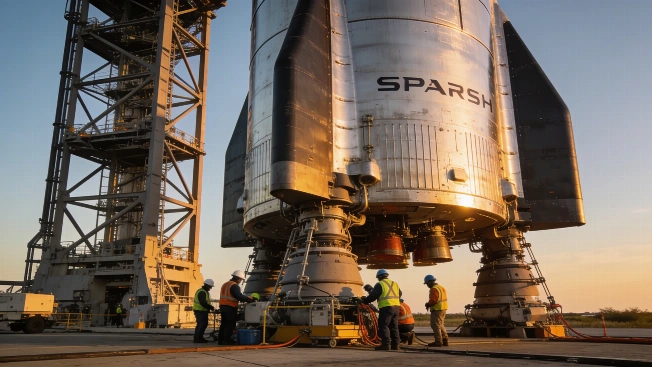
SpaceX Starship Flight 13 to Test Starlink V3 Deployment
SpaceX is preparing to launch Starship Flight 13 from Starbase, Texas, aiming to deploy 20 Starlink Version 3 satellites and test upgraded booster recovery systems in a mission scheduled for July 16.
Part 4 of 4