
Scientific Instruments - Part 8
254 reports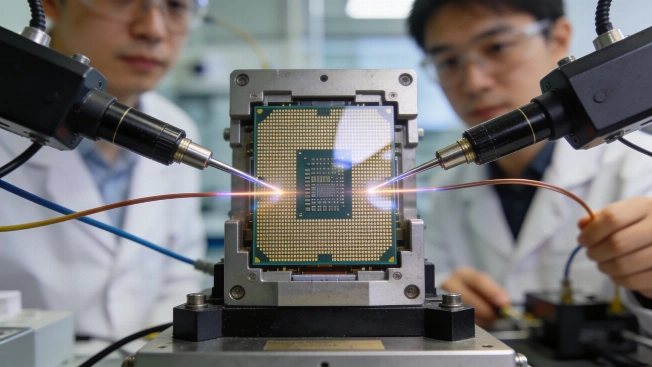
UCLA Team Integrates Terahertz Generation and Detection on One Chip
A UCLA research group has demonstrated a semiconductor chip that combines terahertz signal generation and detection, using quantum-well photodiodes and standard fabrication methods, potentially enabling scalable terahertz systems for communications and sensing
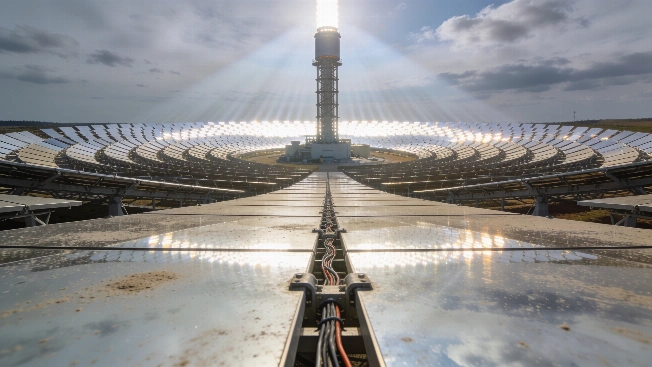
Open CSP Tower Data Set Aims to Advance Solar Thermal Research
A new open-access database from German researchers provides detailed operational data from a solar power tower facility, aiming to accelerate research on concentrated solar power and improve the technology's efficiency and deployment
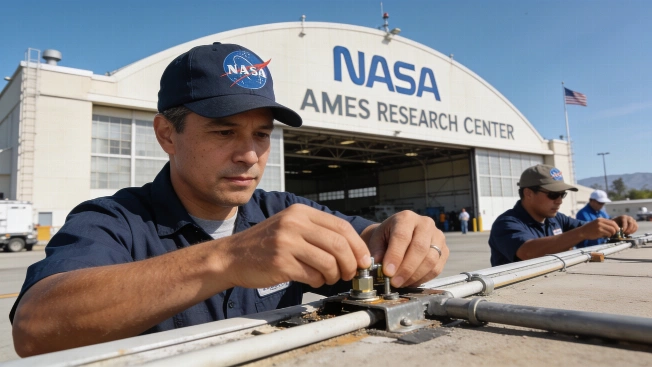
NASA Contracts Chugach for Ames Research Center Facility Operations
NASA has awarded Chugach Intelligence Solutions LLC a five-year contract to manage facility operations and maintenance, including repairs, at Ames Research Center in California, supporting its scientific missions and infrastructure needs
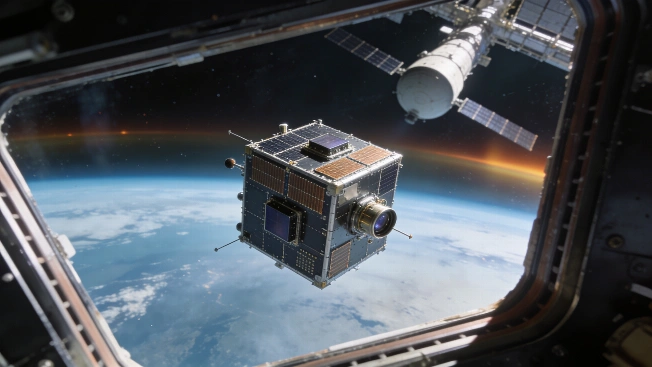
Satellite Neutron Detection Proposed for Nuclear Treaty Verification
A new analysis suggests that satellites equipped with neutron detectors could remotely identify nuclear materials in orbit, offering a potential method to verify compliance with the Outer Space Treaty and address emerging security concerns
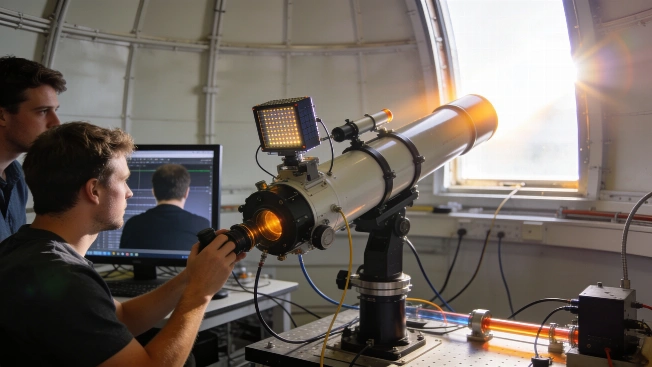
Metasurface Grating Demonstrates Compact Solar Magnetic Field Mapping
A polarization-sensitive metasurface grating has matched conventional instruments in mapping solar magnetic fields, offering a route to smaller, simpler, and potentially more robust hardware for future space-based solar telescopes
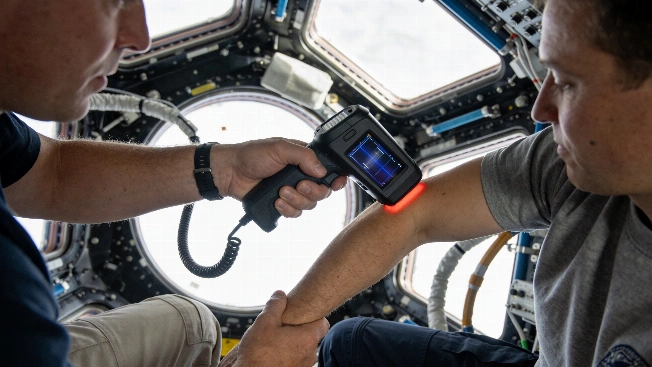
Portable X-ray Imaging System Demonstrates Diagnostic Quality in Space
A commercial portable X-ray device was operated aboard an orbital spacecraft, producing diagnostic-quality radiographs comparable to those acquired on Earth and highlighting the potential for in-flight medical imaging beyond ultrasound
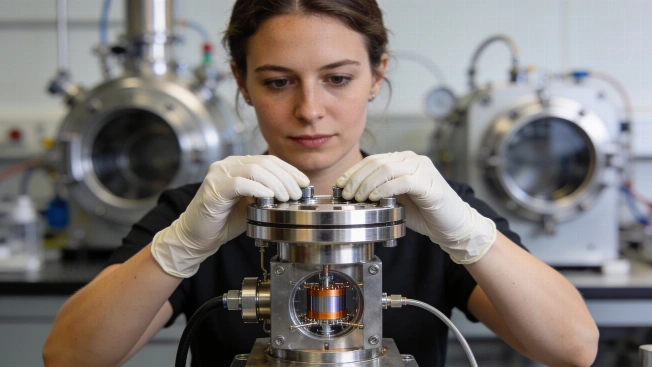
Quantum Sensors and Compact Accelerators Highlight 2026 Instrumentation Briefing
The 2026 Physics World Instrumentation & Vacuum Briefing surveys advances in quantum sensors, ultrahigh vacuum engineering, compact particle acceleration, and real-time radiotherapy monitoring, with a focus on experimental progress and engineering challenges
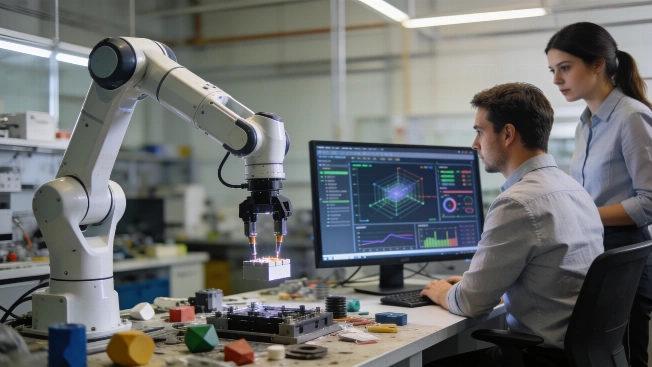
NVIDIA's RoboLab Targets Real-World Robot Policy Evaluation Limits
NVIDIA has released RoboLab, an open-source simulation platform designed to benchmark and analyze general-purpose robot policies. The system aims to address persistent gaps in evaluating robotic models before real-world deployment
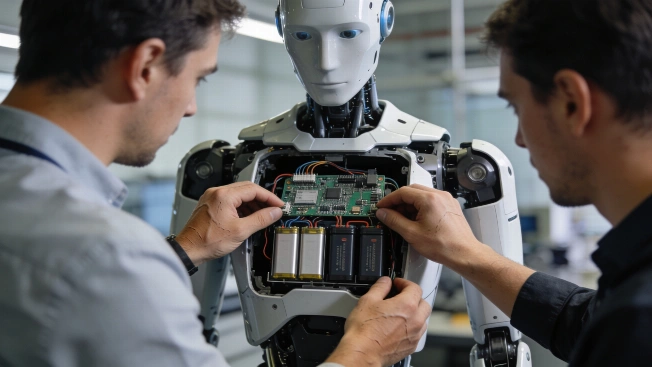
Why Power Management Limits Humanoid Robot Performance
Engineers developing humanoid robots face persistent challenges in converting and distributing onboard battery power to support motion, sensing, and computation. The efficiency and reliability of these power systems directly affect robots’ capabilities and safety.
Part 8 of 8