
Paleontology & Deep Time
5 reportsFossil preservation and stratigraphy are considered together as the evidence changes. The resulting analysis addresses how extinction magnitude is measured and how fossils are dated, showing how sparse measurements or incomplete records limit certainty.
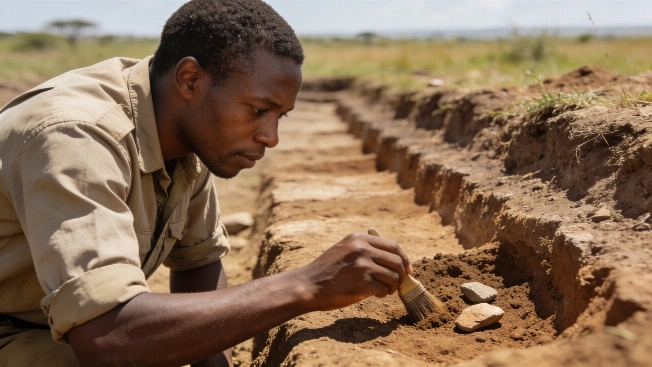
Serengeti Dig Finds Neolithic Remains and a Possible New Giraffe
A two-month Polish-Tanzanian expedition documented human remains at a Neolithic pastoralist settlement and a nearly complete Pleistocene giraffe skull that may represent a species unknown to science
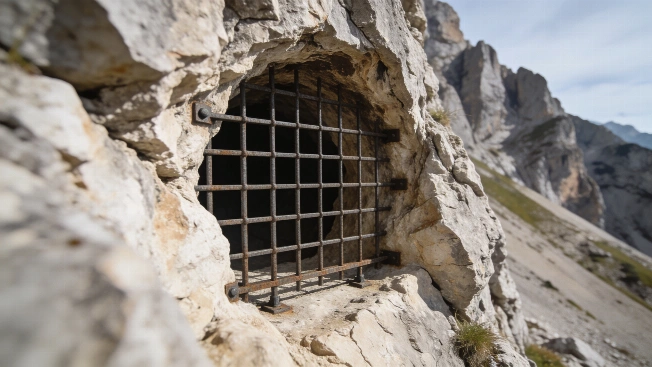
A Dolomites Cave Is Secured Ahead of Cave Bear Research
A custom metal grille and monitoring system now protect a high-altitude cave in South Tyrol, where bear remains were found in July 2026. Scientific investigation is still ahead, and the species attribution remains open
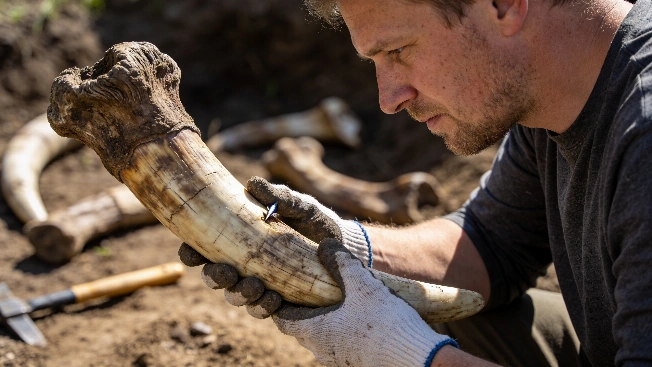
Ancient DNA Reveals Sex Bias in Ice Age Mammoth Hunting
Genomic analysis of more than 500 woolly mammoth remains from Eurasia and North America suggests Upper Paleolithic hunter-gatherers may have disproportionately targeted female mammoths, raising questions about prehistoric hunting strategies.
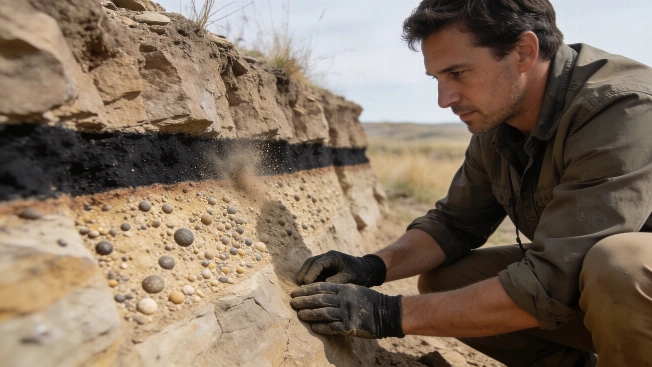
Chicxulub Dust May Have Fueled Lethal Firestorms
A new model of the Chicxulub impact includes ultrafine silicate dust found at fossil sites, suggesting surface temperatures may have become lethal within hours before a prolonged impact winter began
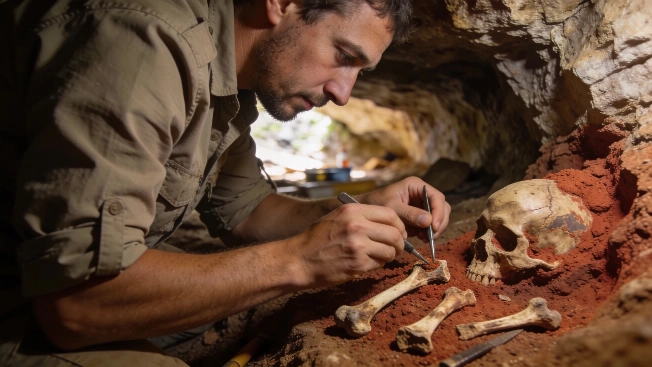
Cut Marks on Homo antecessor Bones Reveal Early Cannibalism in Spain
Archaeologists have identified new evidence of cannibalism among Homo antecessor at Gran Dolina cave in Spain, with cut marks on adult and juvenile bones dating to around 850,000 years ago, expanding our understanding of early human behavior