
Mass Extinctions
1 reportMass Extinctions research investigates ancient organisms or environments through fossils, geology, dating, and evolutionary comparison. Evidence comes from recovery intervals, large igneous provinces, and primary observations, and competing models remain viable when observations are sparse or indirect.
Model results and ocean anoxia provide the main comparison, while impact ejecta tests the interpretation. Reports address which causes fit the timing and how ecosystems recovered, showing how sparse measurements or incomplete records limit certainty.
Model results and ocean anoxia provide the main comparison, while impact ejecta tests the interpretation. Reports address which causes fit the timing and how ecosystems recovered, showing how sparse measurements or incomplete records limit certainty.
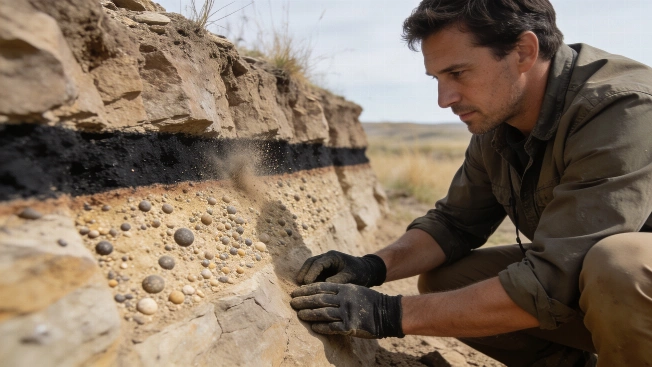
Chicxulub Dust May Have Fueled Lethal Firestorms
A new model of the Chicxulub impact includes ultrafine silicate dust found at fossil sites, suggesting surface temperatures may have become lethal within hours before a prolonged impact winter began