
Condensed Matter - Part 2
46 reports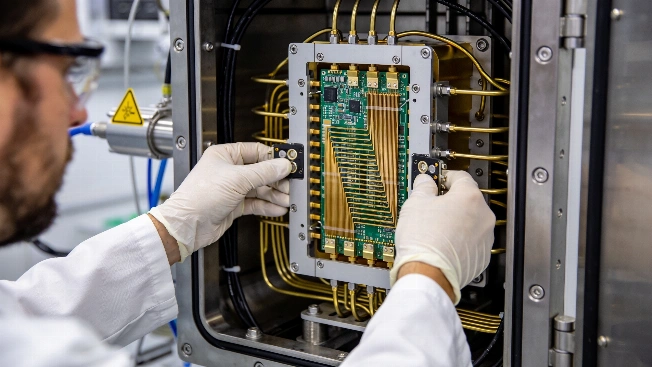
Modular Quantum Architecture Cuts Physical Qubit Overhead Tenfold
Qarakal Quantum has introduced Pangaea, a modular superconducting quantum computing architecture designed to reduce the number of physical qubits needed for fault-tolerant logical qubits by an order of magnitude compared with standard layouts.
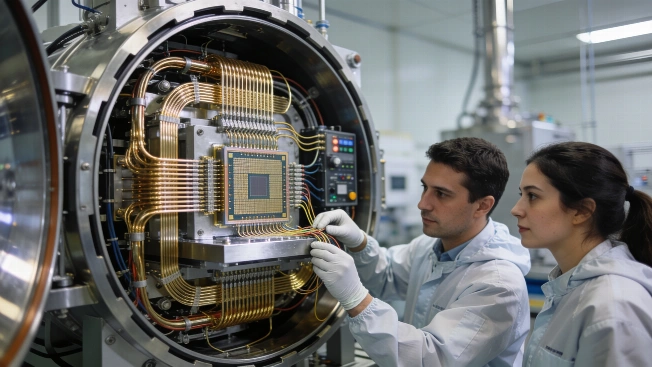
Silicon Spin QPU Runs Autonomously with Cryogenic Control Chip
HRL Laboratories has demonstrated an 18-qubit silicon spin quantum processor operating with a cryogenic CMOS controller, eliminating real-time room-temperature control and addressing basic wiring and thermal bottlenecks in quantum hardware
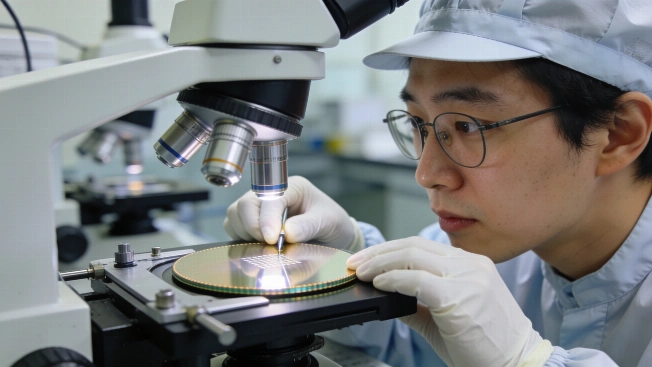
Zinc Oxide Defect Proposed as Room-Temperature Spin Qubit Alternative
A theoretical study led by SKKU researchers identifies a molybdenum-oxygen-vacancy complex in zinc oxide as a candidate for high-fidelity spin qubits operating at room temperature, potentially addressing fabrication challenges faced by diamond NV centers
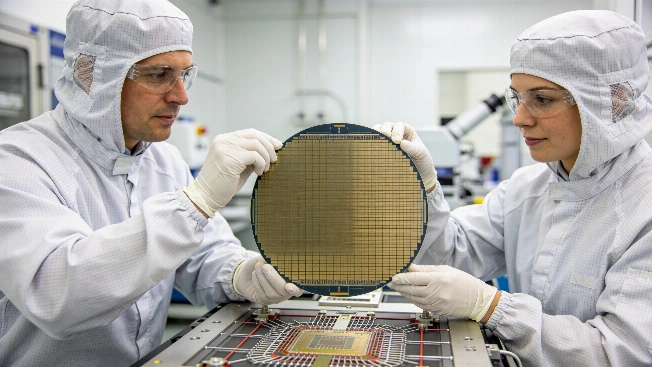
IBM Acquires HRL to Advance Silicon-Spin Qubit Quantum Hardware
IBM has announced its acquisition of HRL Laboratories, bringing its silicon-spin qubit expertise alongside IBM's superconducting quantum hardware program and broadening the company's approach to able to grow, fault-tolerant quantum computing.
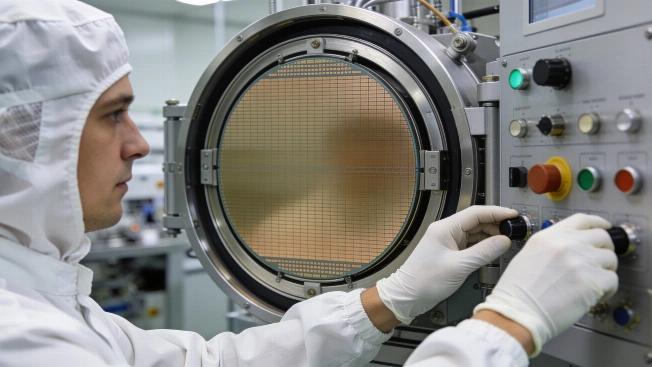
Innolume Adds GEN2000 MBE System to Expand Quantum Dot Laser Output
Innolume has ordered a GEN2000 Molecular Beam Epitaxy system from Veeco to increase production of gallium arsenide quantum dot lasers for optical interconnects in AI and cloud data center infrastructure
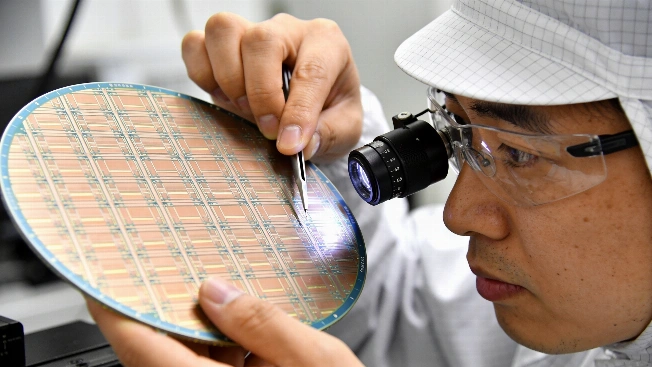
Japan Backs Hitachi and Intel to Develop Silicon Spin Qubit Processors
A new government-funded project led by Hitachi aims to move silicon spin-qubit quantum processors from laboratory prototypes toward manufacturable hardware, using Intel's advanced foundry and AIST's research infrastructure.
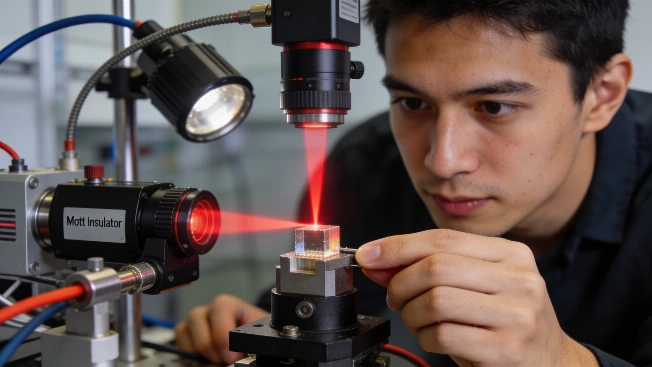
Laser-Driven Nonlinear Dynamics Observed in Mott Insulators
Researchers have identified four distinct regimes of photoexcitation in Mott insulators, revealing how laser-driven feedback can dynamically alter conductivity and carrier production in strongly correlated materials.
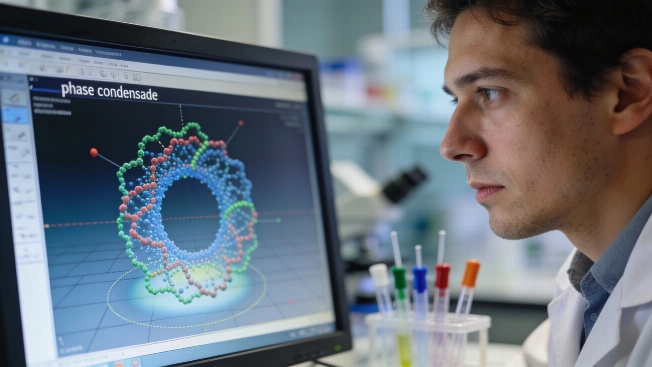
Simulations Map Phase Separation in Disordered Protein Condensates
Researchers used computer simulations to analyze how intrinsically disordered proteins with prion-like domains cluster and undergo phase separation, identifying distinct regimes and challenges in measuring critical parameters.
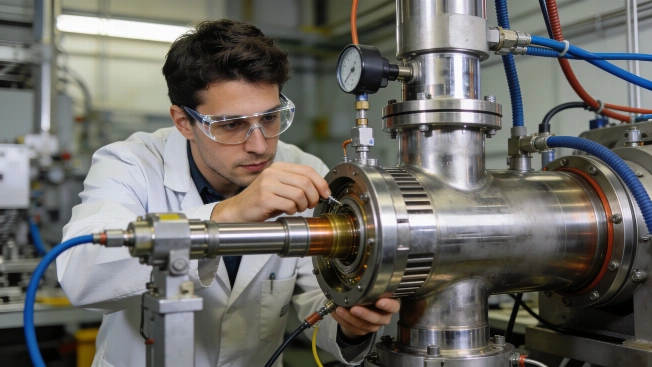
Quantum entanglement measured in heavy-fermion strange metal
Researchers used inelastic neutron scattering and quantum Fisher information to directly probe multipartite entanglement in a heavy-fermion metal, offering new evidence for the quantum origins of strange metal behavior
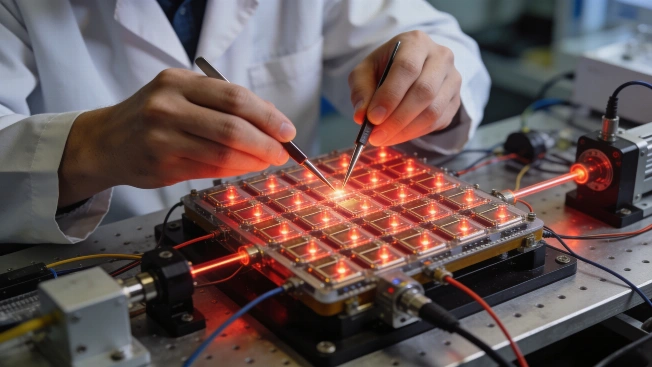
Coupled Laser Array Reveals Nonlinear Effects in Percolation Transition
A team has experimentally realized percolation using a 100-laser array, uncovering how nonlinear interactions shift the critical threshold and alter cluster formation compared to idealized models
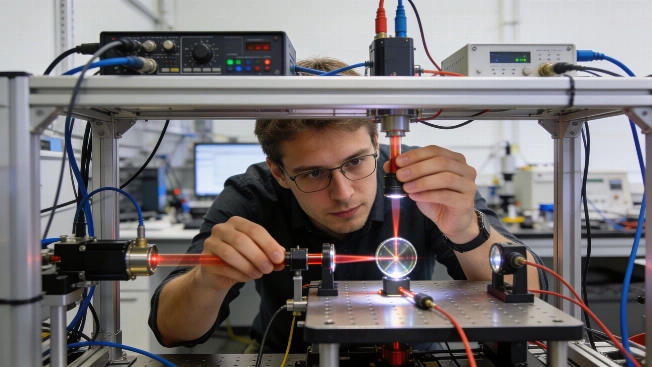
Continuous Models Challenge Sudden Quantum Wavefunction Collapse
A new theoretical framework models quantum measurement as a continuous, stochastic process, offering an alternative to the traditional view of abrupt wavefunction collapse and providing new tools for quantum control and algorithm design
Part 2 of 2