
Gravitational Wave
7 reportsNew findings about Gravitational Wave are placed alongside links to other theories, while also considering unresolved questions and mathematical formulation. The account compares the signal in precision measurements with the context supplied by independent experiments when discussing unresolved questions; the result is bounded by the possibility that agreement within one regime does not guarantee validity beyond tested conditions.
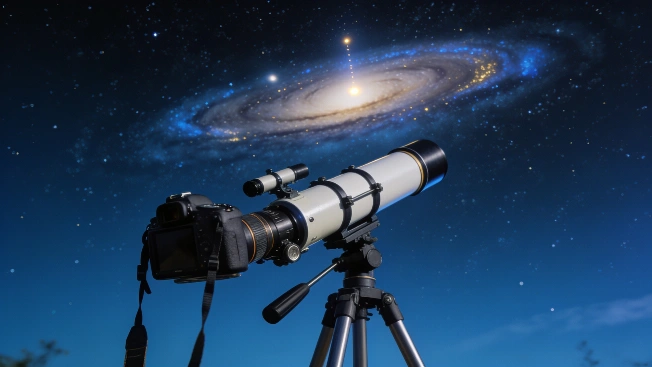
Amateur Telescopes Join the Hunt for Fading Kilonovas
Neutron-star collisions can fade from view within days. Kilonova Catcher brings telescope owners into rapid-response efforts when alerts arrive and no single observatory can watch the whole sky
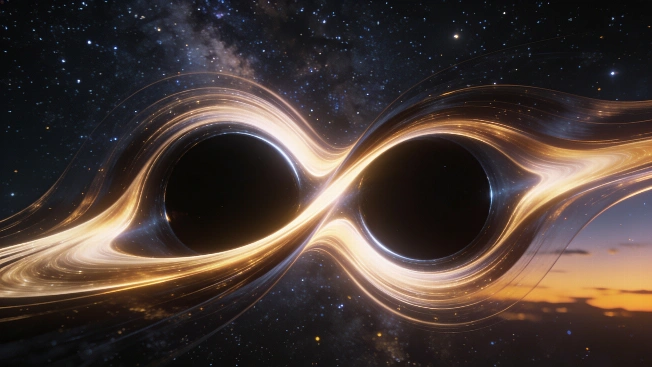
Einstein's Equations Allow a Form of Gravitational Reconnection
A solar flare releases enormous energy as magnetic fields reconnect. Physicists have now described a mathematical counterpart in gravity, while simulations and gravitational-wave observations are still needed to test its role
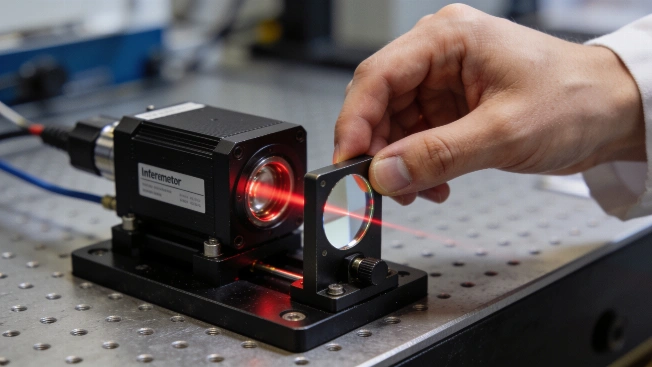
LISA Could Detect Planets Through Gravitational Waves
Two studies model how planets could add Doppler sidebands to gravitational waves from paired white dwarfs. Researchers say Webb may confirm nearby candidates by detecting excess infrared light
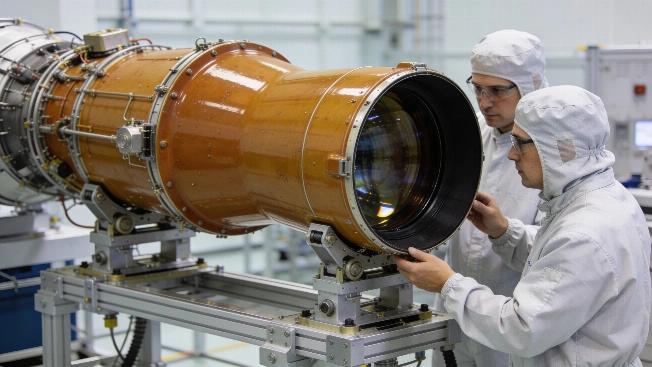
LISA Telescope Reaches Final Test Before Flight Hardware
NASA has commissioned L3Harris Technologies to build an engineering test telescope for LISA. The all-glass unit will test the design before production of hardware for the mission planned for the mid-2030s, while ESA advances the broader observatory toward its planned 2035 launch.
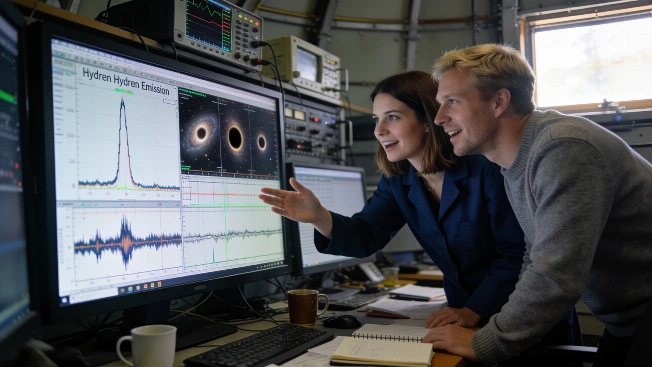
Webb Telescope Reveals Three Supermassive Black Holes in Distant Galaxy
Astronomers using the James Webb Space Telescope have identified three supermassive black holes within a single galaxy seen as it was 12.5 billion years ago, offering new evidence for rapid black hole growth through mergers in the early universe
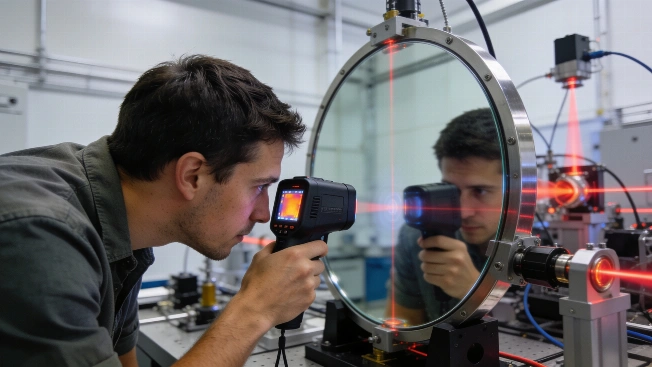
Thermal Cameras Could Sharpen LIGO's View of Distant Black Holes
Researchers have demonstrated that commercial thermal imaging cameras, combined with computer modeling, can correct heat-induced distortions in LIGO's mirrors, potentially expanding the observatory's reach by tens of millions of light-years.
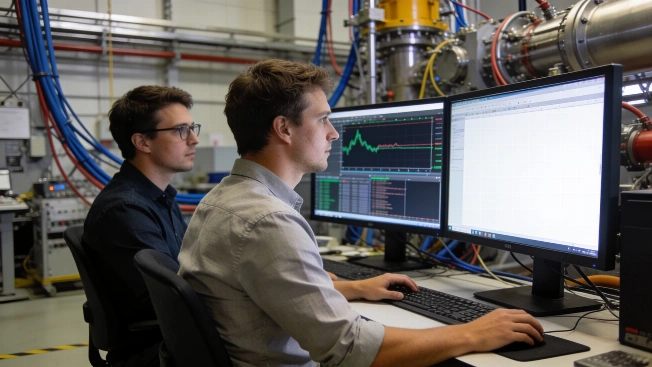
Gravitational Wave Data Reveals Black Hole Event Horizon Properties
Researchers have extracted direct physical parameters from a black hole’s event horizon using an unusually strong gravitational wave signal, providing experimental access to a region previously studied only through theory.