
Andromeda Galaxy
5 reportsCoverage places stellar populations; gas and dust; and star-formation history within the wider context of Andromeda Galaxy. Conclusions concerning stellar populations remain tied to distance or orbit estimates, model comparison, and transparent methods; the conclusion remains provisional because limited viewing geometry and indirect measurements can leave competing explanations.
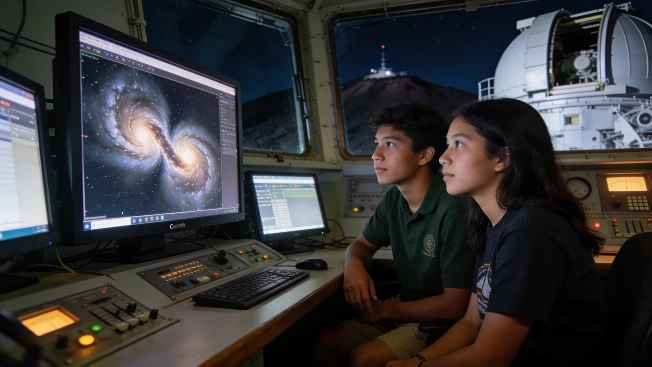
Gemini North Telescope Captures Spiral Galaxies in Active Merger
A new image from the Gemini North telescope on Maunakea reveals two spiral galaxies, NGC 7253, in the process of merging. The observation, led by local students, highlights the dynamic interactions that drive galaxy evolution
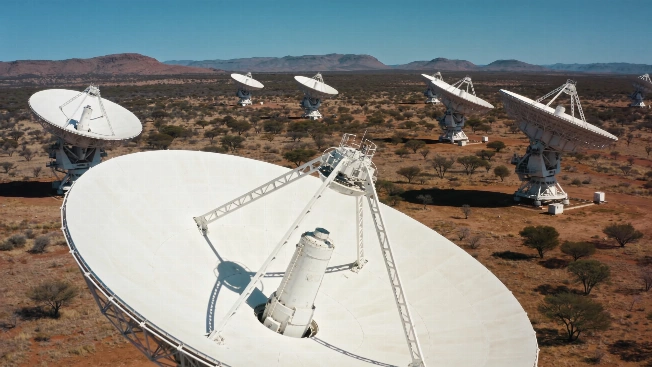
MeerKAT Telescope Maps Ancient Hydrogen Across Billions of Light Years
Researchers using South Africa's MeerKAT radio telescope have detected faint hydrogen signals from galaxies 4 to 5 billion light-years away, offering a new approach to mapping the universe's large-scale structure through radio intensity mapping
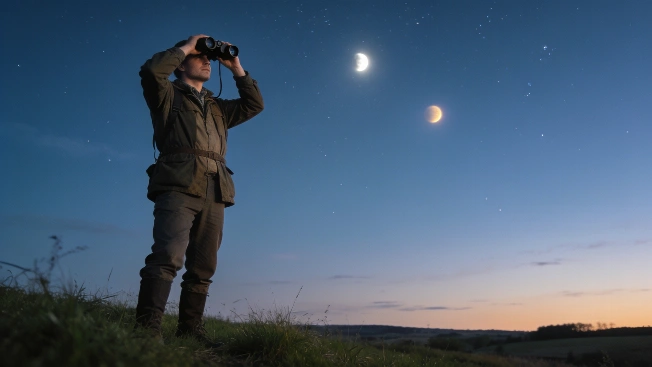
Five Essential Night Sky Targets for Binocular Astronomy
Astronomers highlight five celestial objects and regions that reveal striking detail through binoculars, from the Moon's shifting shadows to the Andromeda Galaxy's faint glow, offering accessible entry points for skywatchers of all experience levels
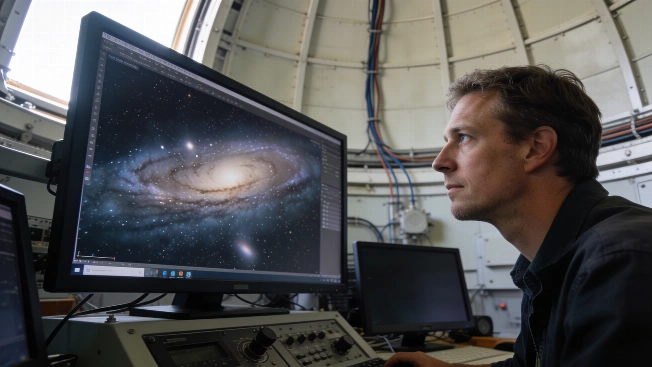
Hubble Data Links Andromeda's Star Formation Slowdown to Nearby Galaxy
Astronomers using the Hubble Space Telescope have mapped a sharp decline in star formation across the Andromeda galaxy, with evidence pointing to gravitational influence from its smaller neighbor, M32
Hubble Finds Andromeda's Star Formation Is Winding Down
A Hubble analysis of about 200 million stars shows Andromeda has sharply reduced its star-making rate over the past 500 million years, while NASA's Roman telescope prepares to map the galaxy more completely