
Voyager 1
5 reportsNew findings about Voyager 1 are placed alongside long-distance communications, while also considering outer-planet observations and heliosphere measurements. The strength of statements about long-distance communications depends on how well mission operations reports is supported by telemetry; the result is bounded by the possibility that hardware constraints and changing conditions can limit scientific return.
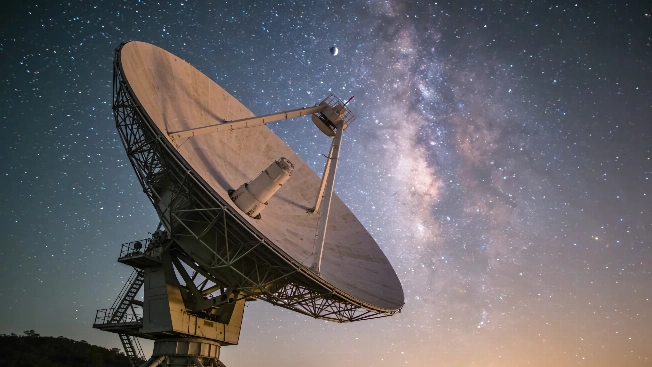
Voyager 1 Approaches a Light-Day From the Sun
Voyager 1 is nearing a distance light travels in a day as it heads outward from the Sun. A Deep Space Network tracking figure puts it at 25.80 billion km while the twin craft carry Golden Records bearing sounds and images from Earth
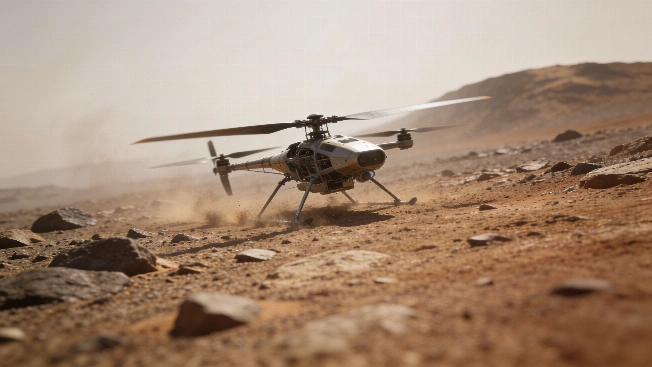
JPL's Next Missions Build on Nine Decades of Spaceflight
Voyager 1 is nearing a light-day from Earth as JPL marks 90 years since its first rocket tests. Planned missions target Mars, the Moon, the Sun, asteroids and Earth, with launch dates still ahead
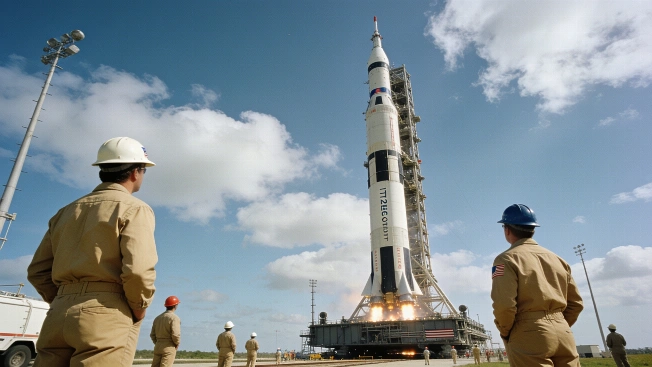
Voyager 2's Launch Opened the Outer Solar System to Exploration
NASA's Voyager 2 spacecraft began its journey to the outer planets on August 20, 1977, using a rare planetary alignment to visit Jupiter, Saturn, Uranus, and Neptune and extend humanity's reach into interstellar space.
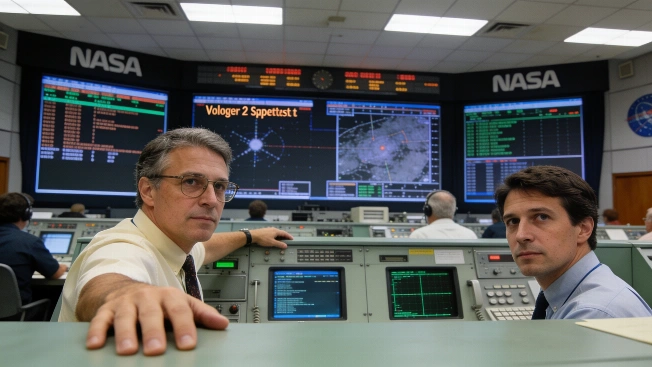
NASA Extends Voyager 2 Science With Power-Saving Maneuver
NASA engineers have implemented a new power-management strategy on Voyager 2, allowing the spacecraft to continue collecting scientific data for at least another year as its nuclear power source declines.
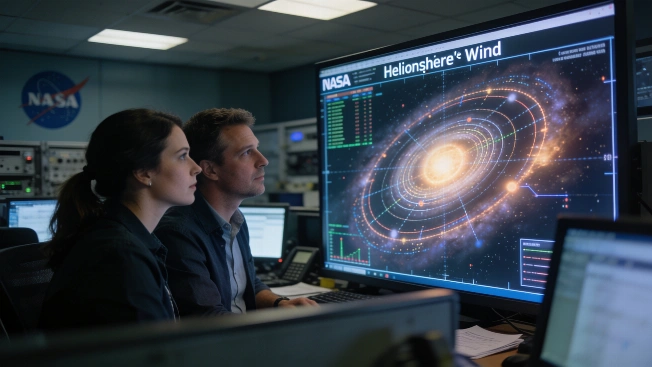
How the Heliosphere Shields the Solar System from Interstellar Space
Researchers are mapping the heliosphere, the vast bubble created by the solar wind that surrounds the Sun and planets, to understand how it protects the solar system from cosmic radiation and shapes planetary environments.