
Biostratigraphy
1 reportBiostratigraphy correlates and assigns relative ages to rock layers by comparing the fossils they contain. Geologists define biozones from characteristic assemblages, first and last appearances, or evolutionary lineages, allowing sections with different rock types to be matched when they record broadly comparable intervals.
A source-based view of Biostratigraphy considers calibration with numerical ages and index fossils, with separate attention to faunal succession. The discussion asks what can be established from described specimens about index fossils and whether a compatible result appears in sedimentological observations; any broad claim must allow for the fact that the fossil record is incomplete and preservation can favor particular organisms or environments.
A source-based view of Biostratigraphy considers calibration with numerical ages and index fossils, with separate attention to faunal succession. The discussion asks what can be established from described specimens about index fossils and whether a compatible result appears in sedimentological observations; any broad claim must allow for the fact that the fossil record is incomplete and preservation can favor particular organisms or environments.
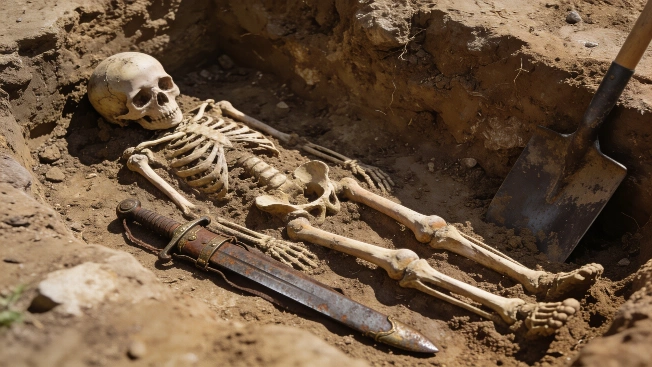
Iron Age Child Burial With Sword Sheds Light on Gaulish Practices
Archaeologists have uncovered a 2,400-year-old iron sword placed beside a child's remains at the Bois Médor site in central France, offering new evidence about burial customs and social roles in Iron Age Gaul