
Greenhouse Gas
4 reportsThe practical and scientific questions around Greenhouse Gas span atmospheric concentrations and emission sources, with separate attention to sink estimates. The scientific case for emission sources is built from reanalysis products and tested against independent climate models; the strongest interpretation still recognizes that short records, natural variability, and scenario assumptions can widen uncertainty.
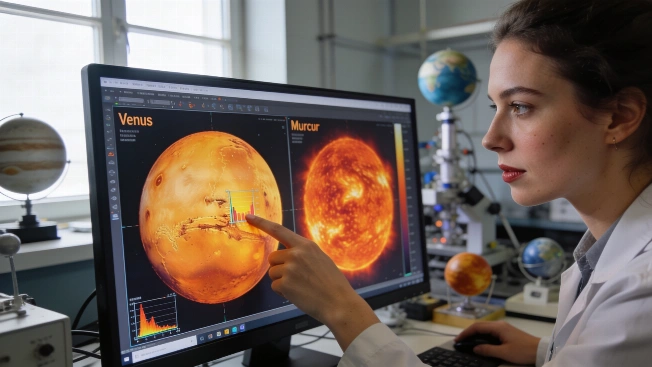
Why Venus Is Hotter Than Mercury, Even Though It's Farther from the Sun
Venus's surface is hotter than Mercury's, despite being farther from the Sun. The reason lies in Venus's thick, heat-trapping atmosphere-not its distance from our star.

UNEP report signals global temperature rise beyond Paris Agreement target
A new United Nations Environment Programme analysis finds that global average temperatures are set to exceed the 1.5°C threshold established by the Paris Agreement within years, raising the stakes for rapid emission reductions and climate adaptation
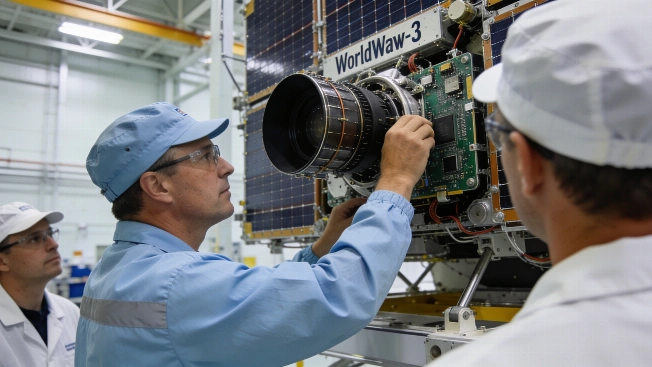
WorldView-3 Satellite Sets New Standard for Commercial Earth Imaging
The WorldView-3 satellite, launched in 2014, delivered unprecedented high-resolution Earth imagery from orbit, enabling new research on methane emissions, land use, and archaeological sites using advanced remote sensing instruments
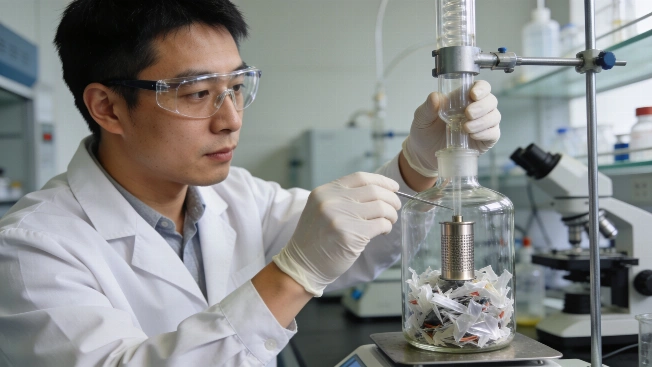
China Tests Low-Cost Catalyst to Turn Plastic Waste Into Jet Fuel
Researchers in China have demonstrated a chemical process that converts polyolefin plastic waste into aviation-grade fuel using a cobalt-nickel catalyst, but the method remains at the laboratory stage and faces significant engineering hurdles