
Graphics Processing Unit
21 reportsThe page treats performance per watt; memory and interconnects; and manufacturing constraints as distinct parts of Graphics Processing Unit. One line of support comes from power measurements, and a separate test comes from independent hardware analysis; together they clarify memory and interconnects, but the evidence is read with the caveat that vendor specifications may not represent sustained performance in real workloads.
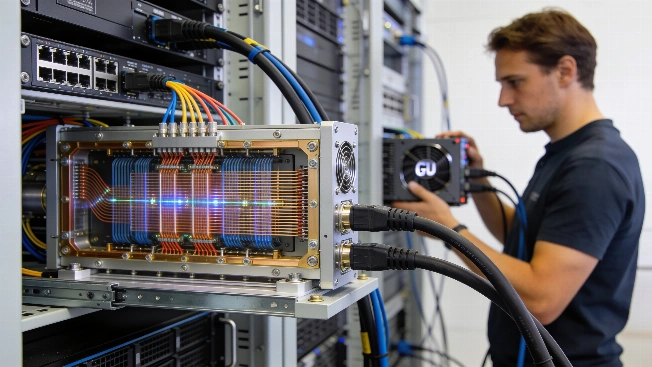
H100 Benchmarks Set Photonic Sampling Frontiers
A new benchmark measures when exact classical samplers fall below one sample per second on a single H100, while showing how GPU scaling and continuous photonic output change the comparison
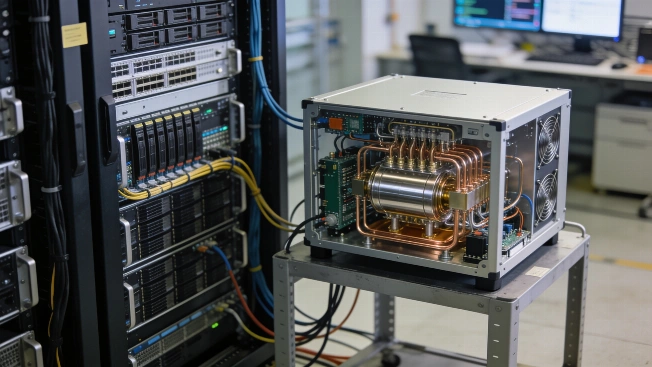
IQM Maps a Halocene Upgrade Path Beyond 1,000 Qubits
IQM's Halocene program calls for commissioning each new processor beside the system it replaces, with the goal of keeping active HPC workloads running during hardware upgrades
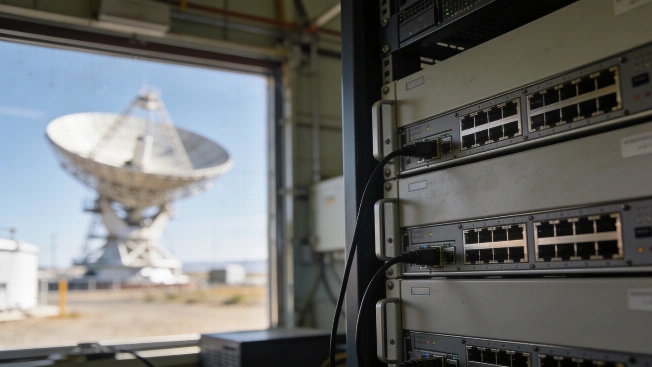
NVIDIA reports 900-fold speedup in cell analysis
NVIDIA is pairing a science-focused open model with GPU software for research workloads. The company reports an eight-minute correlation time for telescope data and a 900-fold gain in one cell-analysis task
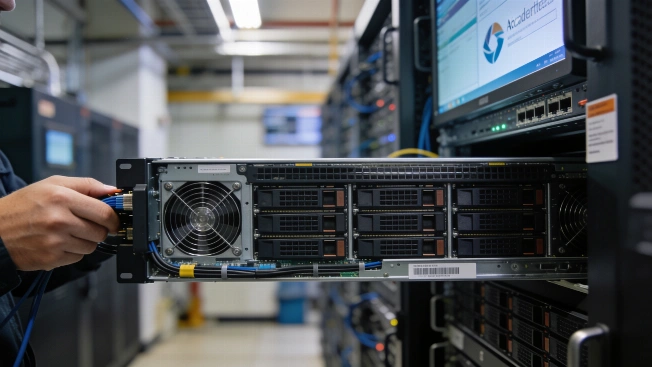
Pelagos Targets Supercomputer-Scale qLDPC Error-Correction Tests
Benchmarks on AMD Instinct MI355X and MI300X GPUs report up to 7.58x decode scaling, while Pelagos runs qLDPC simulation workloads on accelerators and cuts host preparation time on eight-GPU nodes
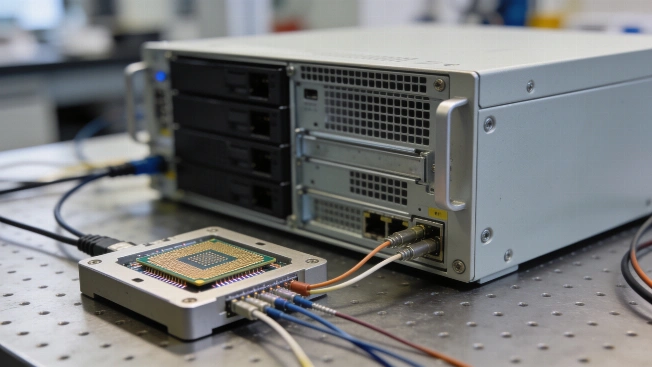
PsiQuantum and AMD Plan Classical Infrastructure for Photonic Quantum Systems
The collaboration brings AMD computing into PsiQuantum's photonic program and adapts the PRISM decoder for Versal chips. The equity investment is planned and a Chicago co-location is still being evaluated
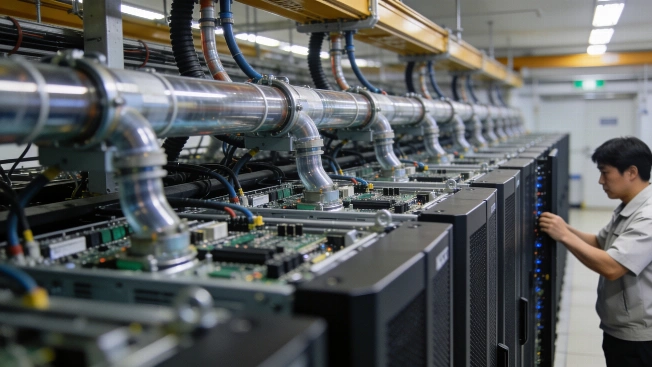
Hangang's 614-PFLOPS System Prepares for South Korea's Quantum Link
Pilot tests reported up to a 41.8-fold speedup on memory-bound workloads. The result comes as South Korea prepares a new supercomputer for a planned trapped-ion quantum connection
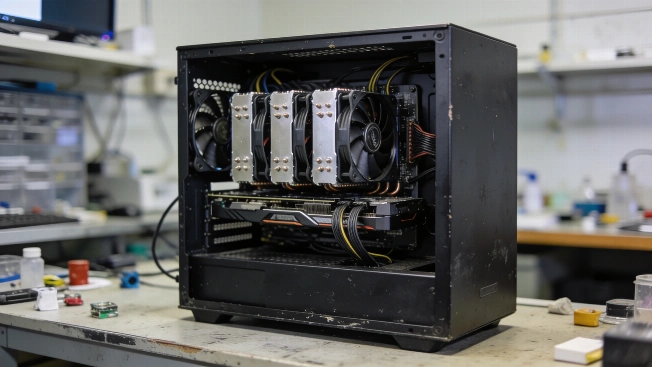
A 27B model retains SwarmWorld's group advantage
Researchers ran 50 software agents with Qwen3.8-27B across four RTX 3090s using MIT's unchanged code. Most measured effects persisted, but the replication rests on one run
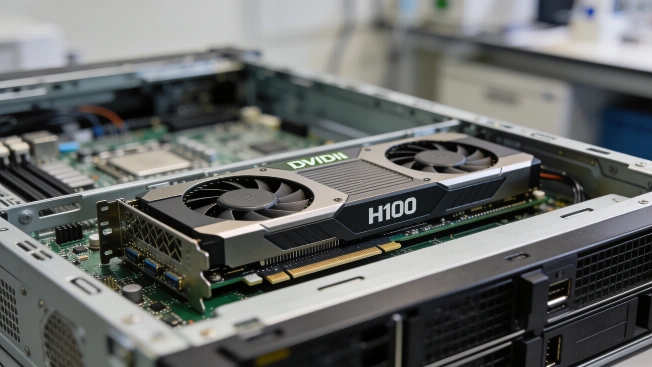
NVIDIA GPU Cuts Riverlane Decoder Recalibration to Seconds
Riverlane says an NVIDIA H100 reduced a surface-code decoder training cycle from three minutes on one CPU core to 2.8 seconds, speeding recalibration before quantum experiments
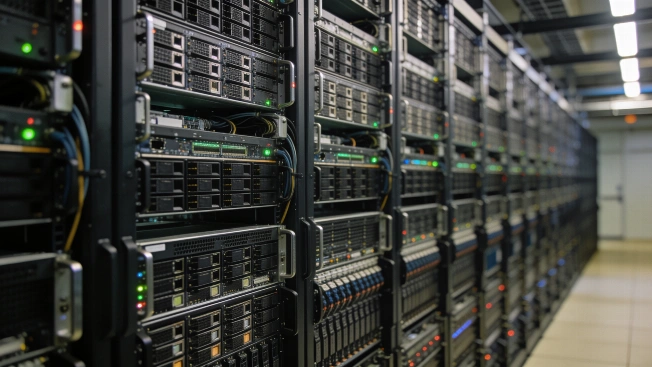
JUPITER Simulates a 104-Qubit Magic-State Protocol
Using 8,192 GPUs on JUPITER, NVIDIA and Jülich modeled a 104-qubit magic state cultivation protocol with leakage and hardware noise. The result tests a route to lower qubit overhead, not a quantum processor running the computation
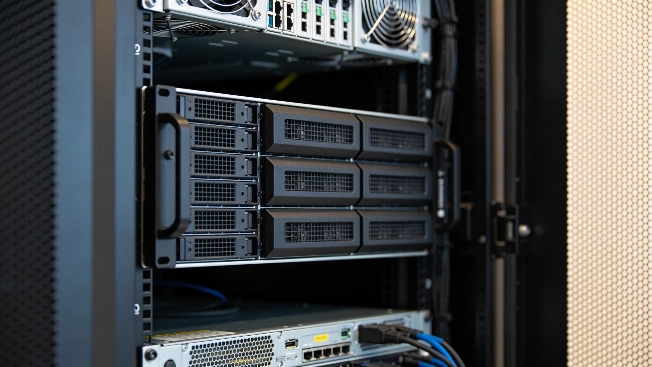
Maia 300 targets 40% more tokens per megawatt
Microsoft plans to deploy Maia 300 in 2027 in a 96-accelerator rack for AI inference. The announced efficiency gain over leading GPU systems has not been independently benchmarked.
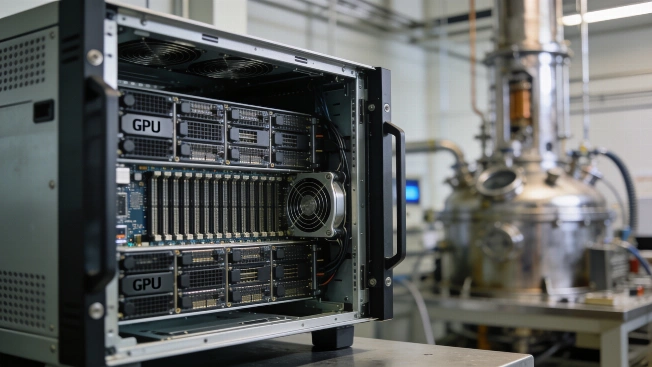
GPU Calibration Cuts Quantum Decoder Training to Seconds
Riverlane and NVIDIA report that an H100 GPU cuts surface-code decoder-training epochs from minutes to seconds, while recalibrated priors lower logical error rates by several percent to as much as twofold compared with uncalibrated starting weights.
NVIDIA Puts $1 Billion Behind U.S. Quantum Infrastructure
NVIDIA says it will commit $1 billion over five years to U.S. scientific computing and quantum research, tying GPU supercomputing and CUDA-Q emulation to expanded Genesis Mission infrastructure.
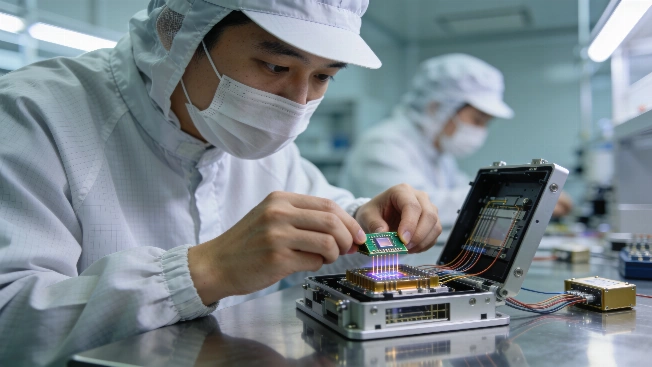
Quandela Targets South Korea for Photonic Quantum Hardware
Quandela has identified South Korea as a potential Asian center for photonic quantum hardware, system integration and joint R&D, while emphasizing that the initiative remains a partner-search and development structure rather than a completed manufacturing agreement.
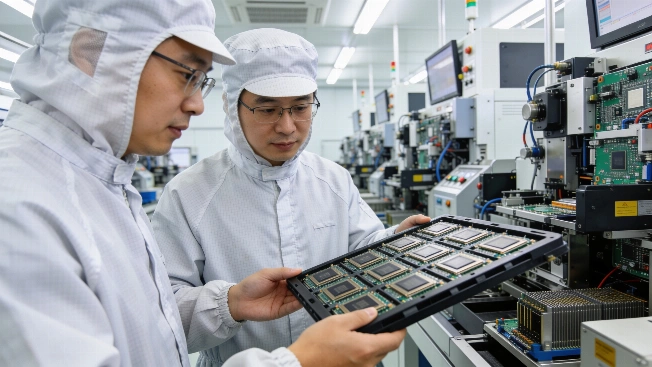
China's AI chip makers take on Nvidia's dominance in model training
Nvidia's lead in AI model training is under pressure as Chinese companies like Huawei, Cambricon, Moore Threads, and Biren Technology push to develop homegrown chips and software, aiming to reduce dependence on foreign hardware.
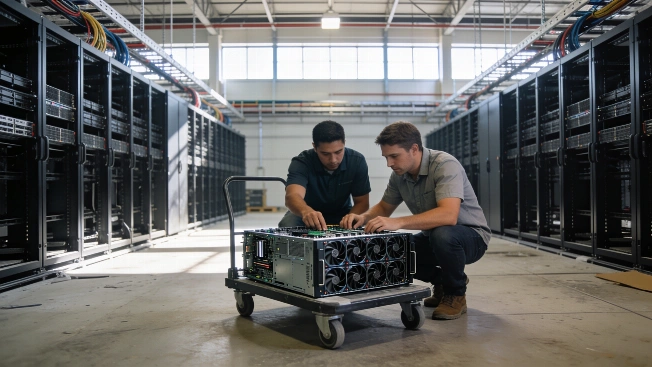
Figure and Nscale plan massive GPU buildout for robot AI training
Figure and Nscale have announced a multibillion-dollar partnership to deploy up to 100,000 NVIDIA GPUs for training general-purpose humanoid robot AI models, aiming to address data and computing bottlenecks in physical intelligence research.
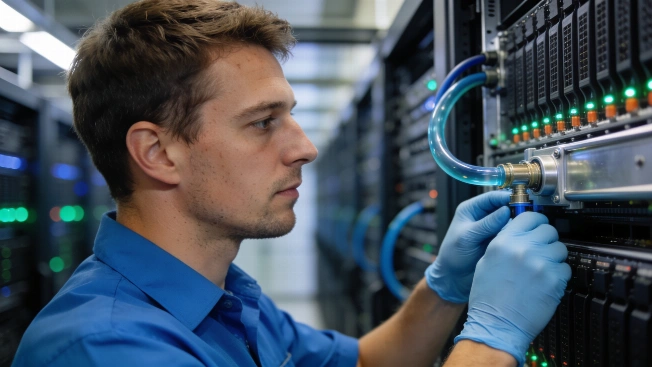
Molex Backs Active Liquid Cooling Startup for AI Data Center Heat
Molex has invested in CAEPlus to develop BoundaryCool, an active liquid cooling system designed to manage the rising heat loads from advanced processors in AI and high-performance computing data centers
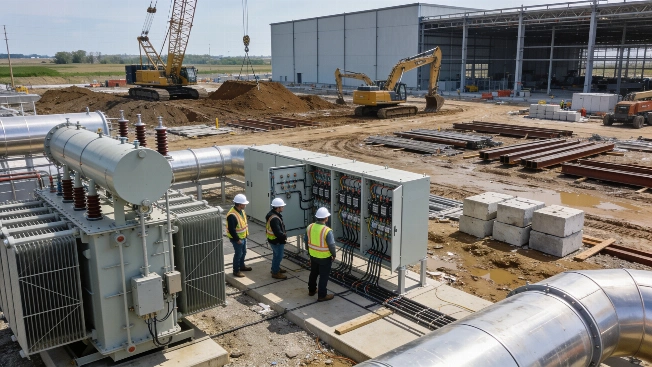
Nvidia Reduces Financial Guarantee for OpenAI's Ohio Data Center
Nvidia has scaled back its proposed financial guarantee for OpenAI's planned 10-gigawatt data center in Ohio, responding to investor concerns about risk exposure and the unprecedented scale of the project's financing requirements.
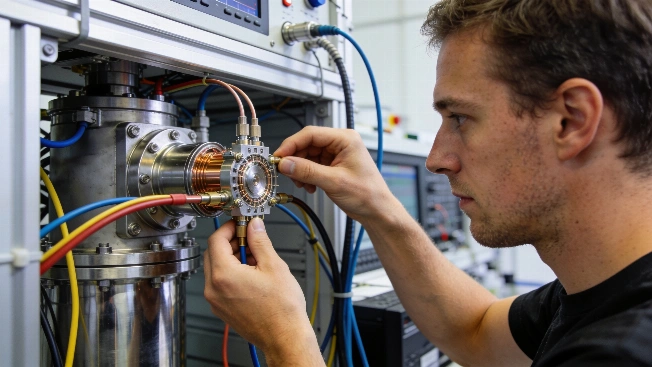
QC Ware Tests Hybrid Quantum-Classical Chemistry on IBM Heron Processor
QC Ware has demonstrated a hybrid quantum-classical process for molecular energy calculations, integrating its Promethium platform with IBM's 156-qubit Heron superconducting quantum processor to analyze a complex metalloenzyme system
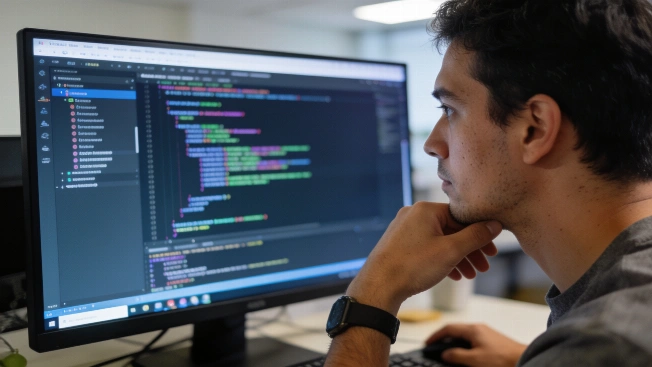
Meta's Muse Code Agent Tackles Extended Software Engineering Tasks
Meta has introduced Muse Code, a terminal-based coding agent powered by Muse Spark 1.2. It is designed to plan and develop code across large repositories, sustaining multi-step engineering work with less user intervention.
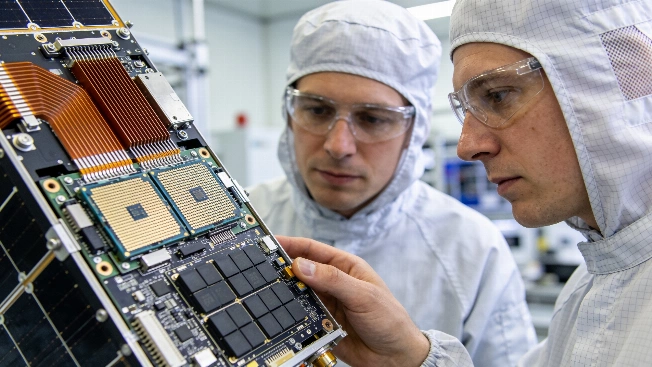
SpaceX and Nvidia Plan Starmind AI1 Satellite for In-Orbit AI Processing
SpaceX and Nvidia are exploring Starmind, a computing architecture for Earth and space built around Nvidia's Vera Rubin NVL72, with a potential large orbital computing network under discussion.
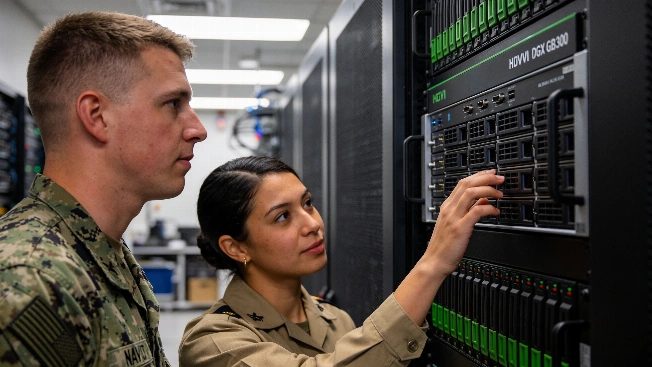
NVIDIA Donates DGX GB300 Supercomputer to Naval Postgraduate School
NVIDIA has provided its DGX GB300 AI supercomputer to the Naval Postgraduate School in California to support advanced research and education for military leaders in high-performance computing and artificial intelligence.