
Gaia Mission
7 reportsA detailed treatment of Gaia Mission follows archive-based discoveries, together with observing programs and instrument calibration. For questions involving observing programs, the account uses peer-reviewed mission results as the measured record and telemetry to expose uncertainty; confidence is limited by the fact that prelaunch goals must be separated from measurements actually returned.
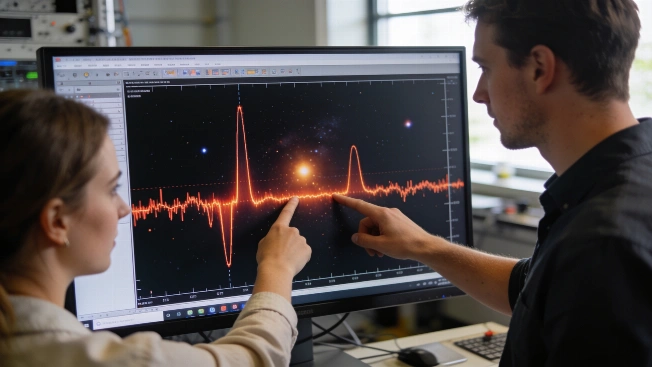
Webb spots puzzling changes in Chariklo's rings between Saturn and Uranus
The James Webb Space Telescope has recorded unexpected changes in the rings of Chariklo, a small centaur object between Saturn and Uranus, challenging assumptions about the stability of minor ring systems in the outer solar system.
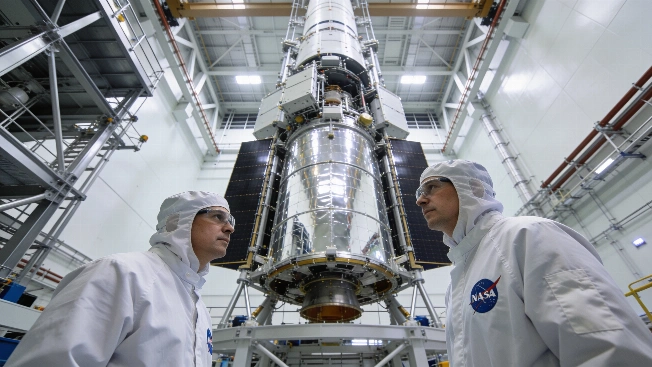
NASA's Roman Space Telescope Set for Launch to Map Distant Cosmos
NASA's Nancy Grace Roman Space Telescope is scheduled to launch from Florida, aiming to investigate exoplanets, dark matter, and distant galaxies with a wide-field infrared observatory. Its first science images are not expected until 2027
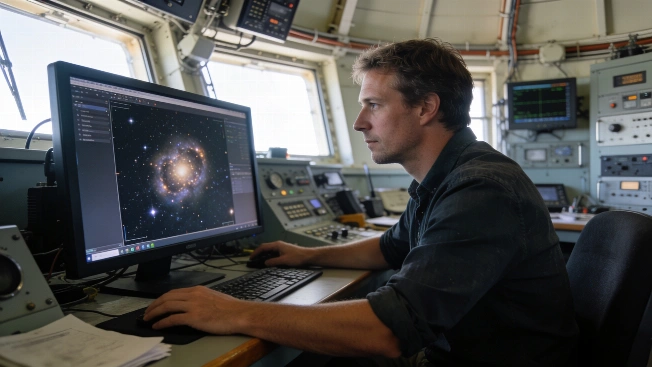
Milky Way's Oldest Known Merger Leaves Lasting Mark at Galactic Center
Astronomers have identified evidence of the Milky Way's earliest known galactic merger, using Hubble Space Telescope data to trace ancient globular clusters and reveal a collision that shaped the galaxy's core nearly 12 billion years ago
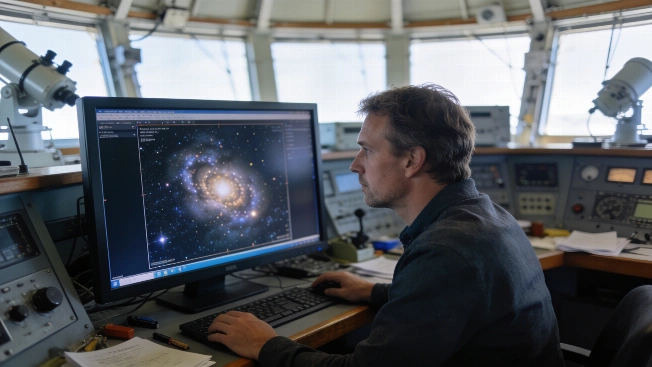
Hubble Reveals Ancient Dwarf Galaxy Merger in Milky Way's Early History
Astronomers using the Hubble Space Telescope have identified evidence of a major merger between the young Milky Way and a dwarf galaxy nearly 12 billion years ago, pushing the timeline of our galaxy's assembly further into the past
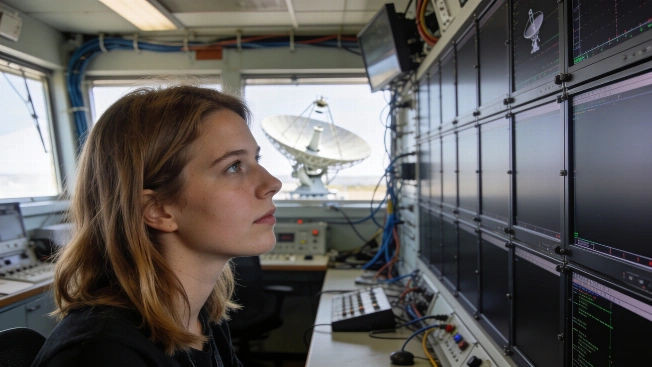
Radio Surveys Reveal Millions More Milky Way Stars Searched for SETI
A new analysis using the Besançon Galactic Model suggests that radio telescopes have surveyed over 6 million stars for extraterrestrial signals, far exceeding previous estimates based on star catalogues
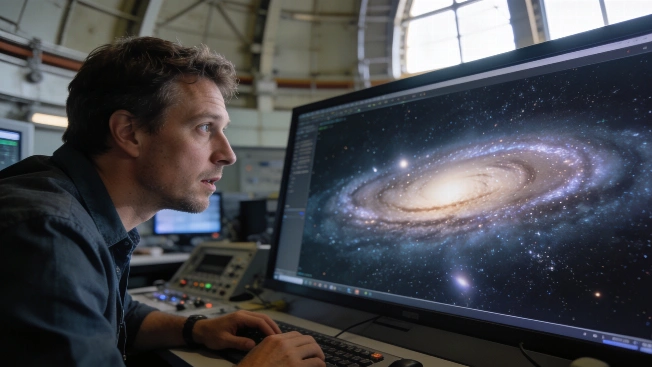
Milky Way Disk May Have Flipped, Altering Solar System's Orbit
Supercomputer simulations suggest the Milky Way's spiral disk may have rotated by 90 degrees in the distant past, potentially changing the solar system's path and explaining the galaxy's unusually slow stellar halo rotation
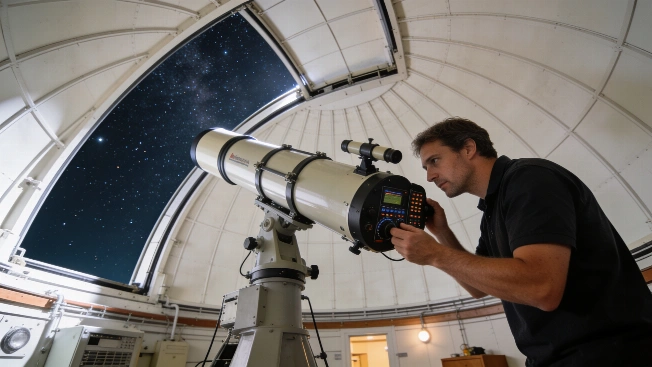
What a Parsec Really Measures in Astronomy and Why It Matters
Astronomers use the parsec to measure vast cosmic distances, relying on precise observations of stellar parallax to determine how far away stars are from Earth. The unit is central to mapping the Milky Way and beyond