
Volcanoes
2 reportsVolcanoes is studied through field observations, geophysics, geochemistry, remote sensing, and models of planetary processes. Current understanding relies on magma chemistry, seismic monitoring, and primary observations, with uncertainty tracked across measurement, classification, and reconstruction.
Ash deposits and volcanic gases connect the immediate finding with its wider evidence base. The account examines what monitoring cannot predict and how eruptions are forecast, distinguishing a consistent pattern from a uniquely established explanation.
Ash deposits and volcanic gases connect the immediate finding with its wider evidence base. The account examines what monitoring cannot predict and how eruptions are forecast, distinguishing a consistent pattern from a uniquely established explanation.
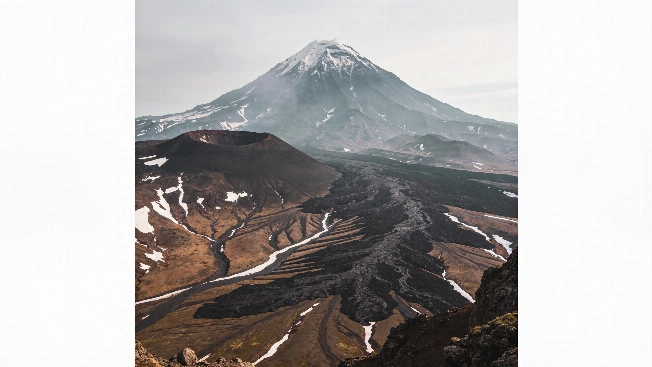
NISAR Maps Lava Spreading Across Russia's Krasheninnikov Volcano
NASA and ISRO's NISAR satellite has assembled a time-lapse of lava spreading across Kamchatka's Krasheninnikov volcano, revealing how radar can track a remote hazard through repeated observations while ground reports confirm that the eruption remains active.

Landsat 8 Captures Anak Krakatau Eruption from Orbit
NASA and USGS's Landsat 8 satellite recorded Anak Krakatau's eruption as volcanic gas and ash reached the atmosphere, grounding flights and halting local activity while the volcano remains active