
Medical Evidence and Risk
6 reportsTo examine how benefits and harms are compared, reports set meta analysis beside confounding and relative risk. They also address what statistics do not prove, making benefits, harms, and the quality of comparative evidence equally visible.
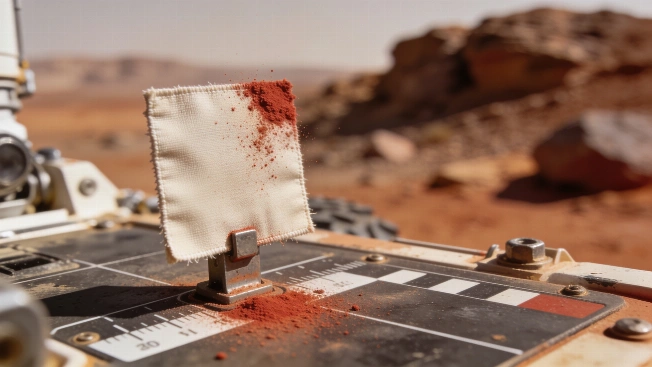
Perseverance Finds Ultrafine Dust on Spacesuit Samples
Perseverance's PIXL instrument detected dust down to roughly 100 nanometers on calibration samples. The surface measurements could help engineers assess suit materials and dust control, but do not measure crew exposure directly
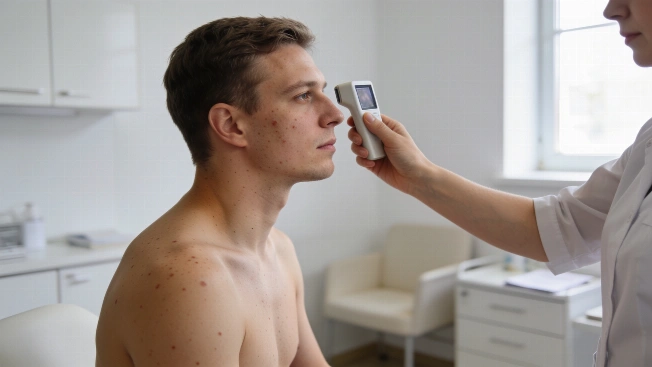
Utah Authorizes AI Prescriptions for Initial Acne Treatment
Utah has approved Nolla Health's system to issue initial and repeat topical-acne prescriptions without a doctor's prior approval in every case. The 12-month pilot uses questionnaires and facial scans, limits treatment to eligible adults with mild or moderate acne, and refers uncertain cases to licensed physicians.
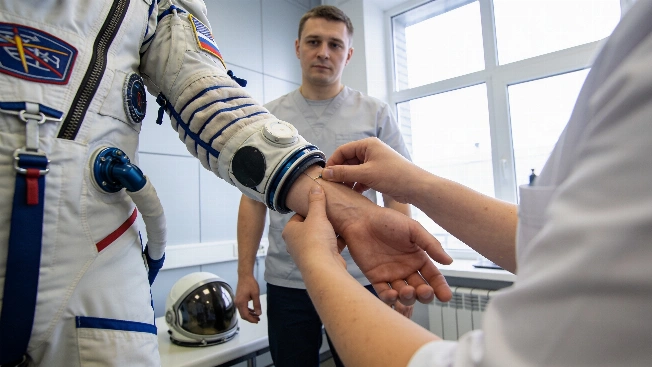
NASA Reframes PFO Risk for Artemis Astronauts
A NASA working group finds no basis for changing astronaut selection over patent foramen ovale and calls for tighter EVA medication guidance as Artemis missions move toward lunar operations
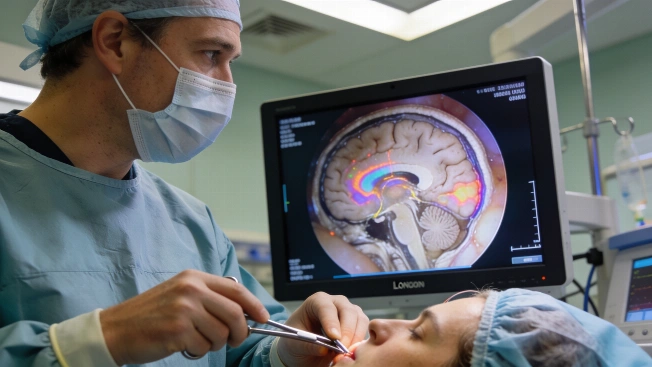
Machine Vision System Guides Surgeons in Live Brain Tumor Removal
A machine-learning system processed live endoscopic video to help surgeons identify critical anatomy during a pituitary tumor operation in London, aiming to reduce the risk of vision loss in a high-stakes clinical trial.
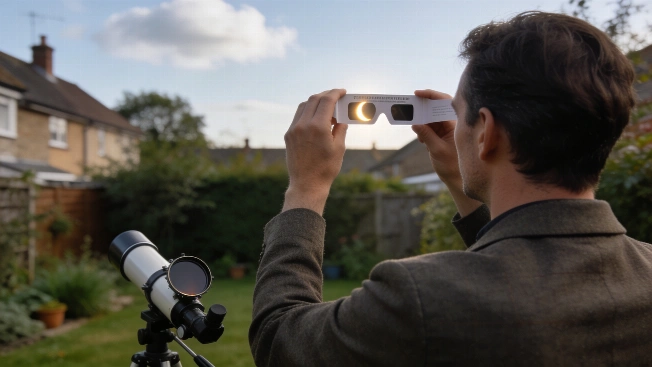
How to Watch the 2026 Solar Eclipse Safely in the UK
The August 12, 2026, eclipse will cover about 90% of the Sun in parts of the UK. Here is how to choose certified eye protection and compare viewing options without risking permanent damage.
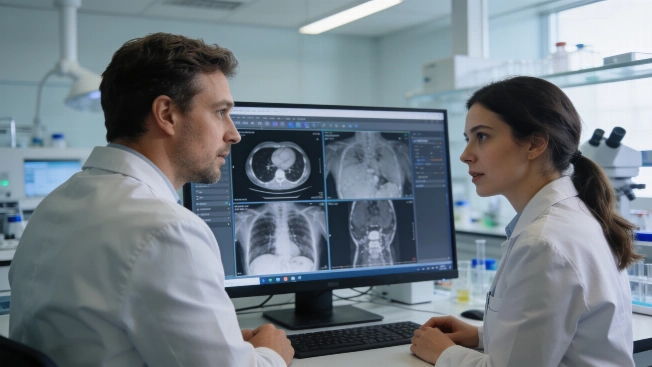
Medical AI Models Face Higher Patient Privacy Risks Than Expected
A new peer-reviewed study finds that diagnostic medical AI models can expose sensitive patient information at rates far above previous estimates, raising concerns about privacy protections and the need for stronger technical safeguards in clinical machine learning.