
Clinical Research
5 reportsRandomization and adverse event monitoring are treated as separate lines of evidence. Their combined record addresses which patients are eligible and how adverse events are reported, distinguishing laboratory signals from outcomes measured in patients.
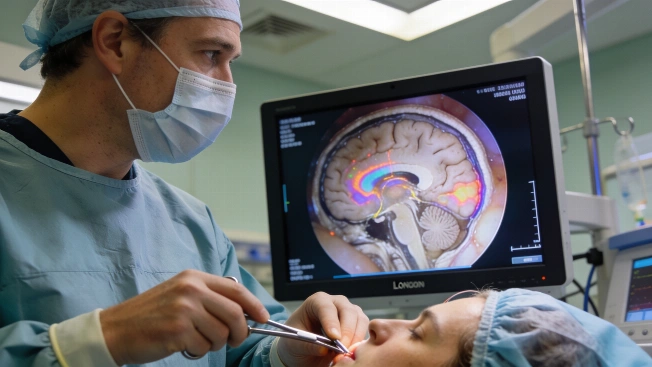
Machine Vision System Guides Surgeons in Live Brain Tumor Removal
A machine-learning system processed live endoscopic video to help surgeons identify critical anatomy during a pituitary tumor operation, aiming to reduce the risk of vision loss in a high-stakes clinical trial in London
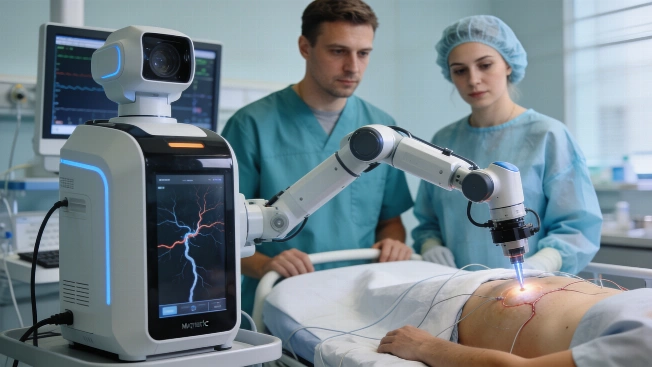
MIT Spinout Magnendo to Develop Autonomous Robotic Stroke System
Magnendo, a company spun out from MIT, has received up to $32 million from ARPA-H to build a magnetic robotic navigation platform for endovascular stroke treatment, aiming to reduce reliance on highly specialized clinicians and expand access to advanced care
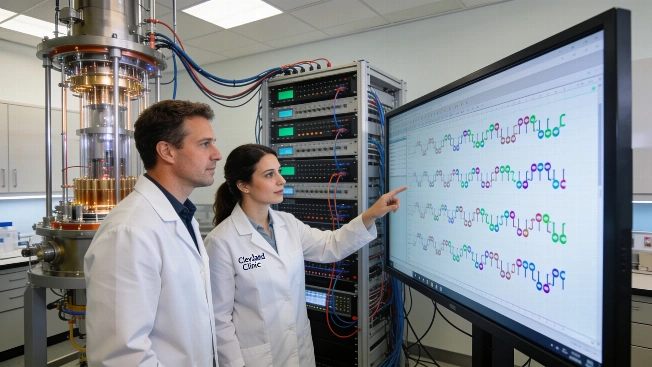
Quantum Neural Networks Tested for Cancer Neoantigen Prediction
A team at Cleveland Clinic and IBM Research has implemented a quantum convolutional neural network on real quantum hardware to classify immunogenic cancer peptides, comparing its performance to classical machine learning models
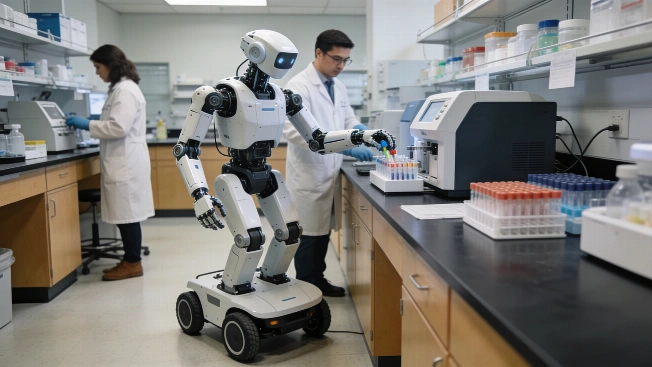
Tactus AI Unveils Elsie Robot for Clinical Lab Automation
Tactus AI has introduced Elsie, a two-armed humanoid robot designed to automate hands-on clinical laboratory tasks using existing instruments and validated procedures, aiming to address staffing shortages without major infrastructure changes
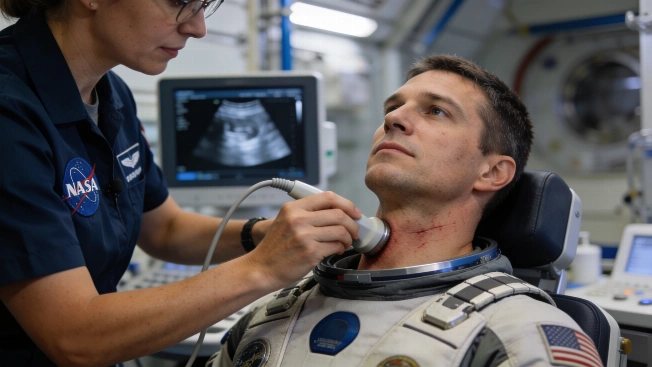
NASA Develops VTE Risk Algorithm for Astronauts on ISS Missions
NASA's medical office has established a new risk assessment algorithm for venous thromboembolism (VTE) in astronauts, following updated case reviews and in-flight blood flow data from International Space Station missions